|
So Many Places To Visit!
|
----------- |

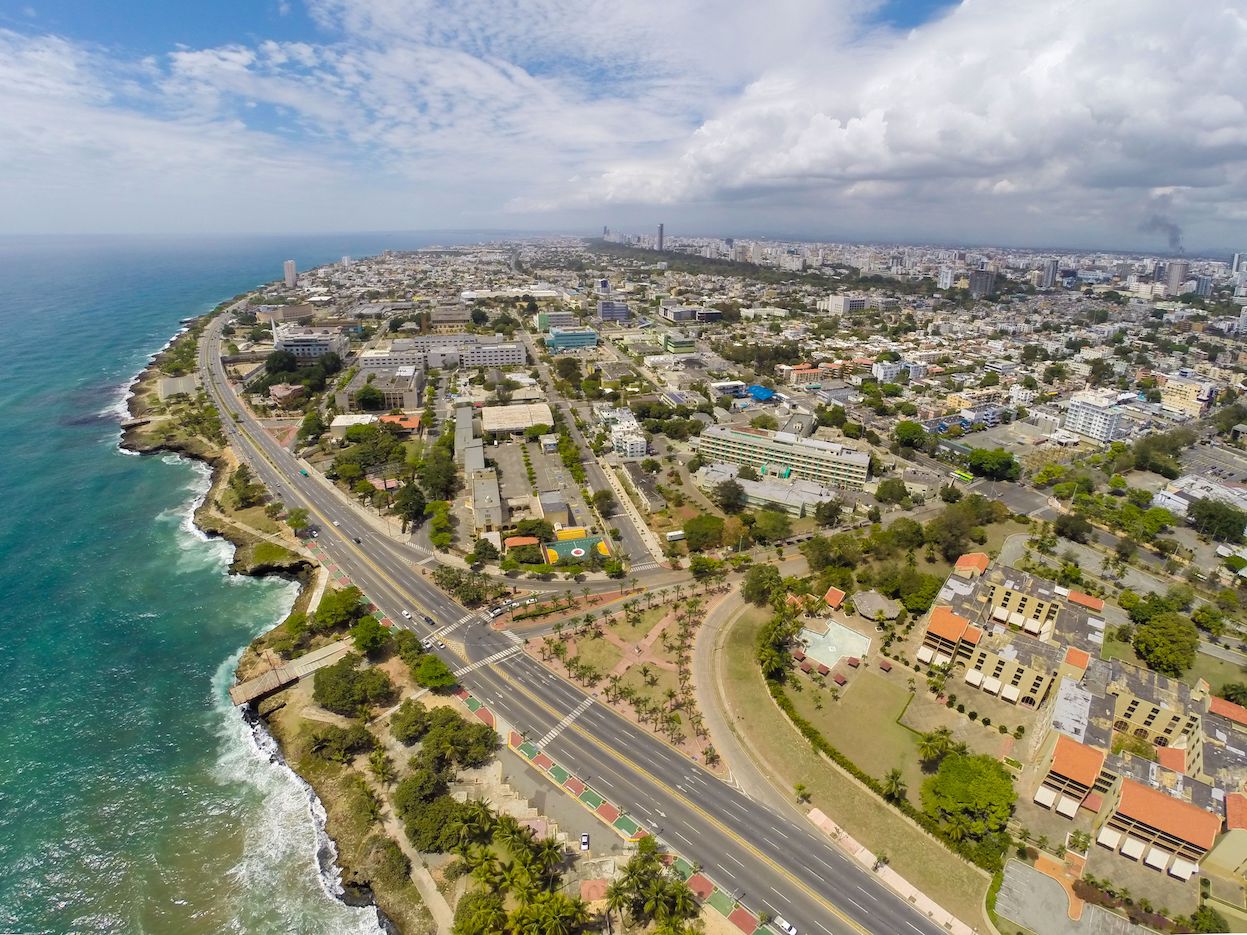
Santo Domingo connects the Dominican Republic's colonial history with contemporary Caribbean urban culture and tourism. Image Credit: Manuel Lara / Pexels. 
The Caribbean Related Articles: |
THE CARIBBEAN -- BEACH & SUN -----------------252[ARTICLE] | |||
Santo DomingoA Caribbean Capital Where Colonial History, Dominican Culture, and Modern City Life Come TogetherBy Heydi Bernal for Ruta Pantera on 9/15/2026 9:39:43 PM |
||||
|
Santo Domingo is the capital of the Dominican Republic and the country's largest urban center, but for travelers it is more than a gateway to the island's famous beach resorts. The city offers a different way to experience the Dominican Republic, combining a historic colonial district, Caribbean waterfront, lively neighborhoods, museums, music, food, and one of the country's most active cultural scenes. Located on the southern coast of Hispaniola, Santo Domingo is also one of the oldest European-founded cities in the Americas, giving the destination an unusually deep historical dimension. The best place to begin is the Ciudad Colonial, the city's historic core and a UNESCO World Heritage Site. Its compact streets make it easy to explore on foot, with major landmarks including the Catedral Primada de América, Alcázar de Colón, Fortaleza Ozama, Museo de las Casas Reales, and Parque Colón. Rather than treating the area as an open-air museum, travelers can combine its historic sites with cafés, Dominican restaurants, small shops, galleries, bars, and restored buildings. Calle Las Damas, one of the oldest streets in the Americas, is particularly important for understanding the development of the early Spanish colonial city. |
||||

|
Beyond the Colonial Zone Santo Domingo becomes more interesting when travelers move beyond the historic center. Gazcue is known for its older architecture, trees, cultural institutions, and proximity to the waterfront. Piantini and Naco represent a more contemporary side of the capital, with restaurants, shopping, hotels, offices, and nightlife. The Malecón follows the Caribbean coast and is one of the city's defining public spaces, while the Plaza de la Cultura concentrates several major museums, including institutions dedicated to Dominican history and art. The city is also an excellent place to encounter Dominican culture through food and music. Merengue and bachata are part of everyday cultural life rather than simply entertainment for visitors, and baseball has an equally prominent place in the national identity. Dominican cooking combines Indigenous, African, Spanish, and other Caribbean influences. Travelers can look for dishes such as mangú, sancocho, la bandera Dominicana, tostones, mofongo, and fresh seafood, while local bakeries, cafés, markets, and neighborhood restaurants provide opportunities to experience the city outside its tourism-oriented areas. A practical Santo Domingo itinerary can take two or three full days. One day can concentrate on the Ciudad Colonial, another on museums, neighborhoods, food, and the Malecón, while a third allows time for a slower exploration or a nearby excursion. Travelers interested mainly in the historic center can see its principal landmarks in less time, but staying longer reveals the contrast between the preserved colonial district and the much larger contemporary capital surrounding it. |
|||
 Add this article to your favorites
[FOR SUBCRIBERS ONLY]
Add this article to your favorites
[FOR SUBCRIBERS ONLY]
Copy this link to send this article to a friend: [FOR SURSCRIBERS ONLY] |
||||

|
Getting Around and Planning the Visit The city has a Metro system, buses, taxis, and app-based transportation services. For visitors, ride-hailing or taxis are generally more practical for connecting different neighborhoods, while walking is particularly useful inside the Ciudad Colonial. Traffic can be intense, especially during peak commuting periods, so an itinerary that looks geographically compact on a map may take longer than expected. Renting a car is possible but is not necessary for a short stay focused on Santo Domingo itself. Las Américas International Airport is the principal international airport serving the capital and is located east of the city. Santo Domingo is also an important starting point for travelers continuing to other parts of the Dominican Republic. From the capital, visitors can connect by road with destinations such as Punta Cana, La Romana, Bayahibe, Samaná, and other parts of the country, making the city useful both as a destination and as part of a longer national itinerary. |
|||
| Santo Domingo is warm throughout the year. December through April is generally popular with visitors because of relatively drier conditions, while the wetter period can bring heavier rainfall and tropical weather. The Atlantic hurricane season runs from June through November, so travelers planning during those months should monitor forecasts and maintain flexibility for outdoor activities and transportation. For accommodations, the Ciudad Colonial is convenient for travelers who want history, restaurants, nightlife, and walkable sightseeing immediately outside their door. Gazcue offers a quieter location close to the historic center, while Piantini and Naco provide a more modern urban environment with extensive dining and shopping. The right neighborhood depends largely on whether the priority is historic atmosphere, nightlife, business facilities, or access to contemporary restaurants and services. |
||||
| Santo Domingo is best understood as a city of layers. The colonial buildings explain where the city began, but its music, food, neighborhoods, nightlife, museums, traffic, businesses, and everyday street life show how it has continued to evolve. For travelers willing to spend time beyond the postcard version of the Dominican Republic, the capital provides a more complete introduction to the country and to contemporary Caribbean urban life. |
||||
| --rutapanter.com-- | ||
|
References: UNESCO World Heritage Centre. (n.d.). Colonial City of Santo Domingo. UNESCO World Heritage Centre Encyclopaedia Britannica. (n.d.). Santo Domingo. Encyclopaedia Britannica
| |
|
| Instagram: | Email contact: | Interest area: |

Dallas/Fort Worth, Texas
Dallas/Fort Worth is one of Texas’s major metropolitan areas and an important gateway to the state. Although the two cities are closely connected geographically and e [read more.]
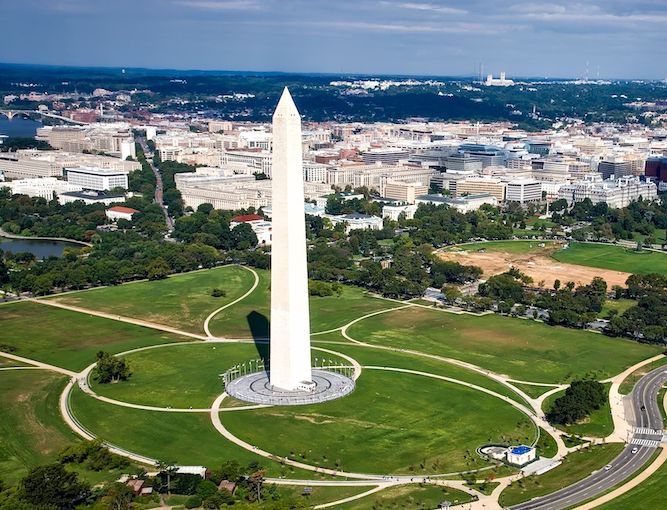
Washington, DC
Washington, DC is the capital of the United States and one of the country’s most distinctive travel destinations. Unlike most major American cities, its identity is s [read more.]
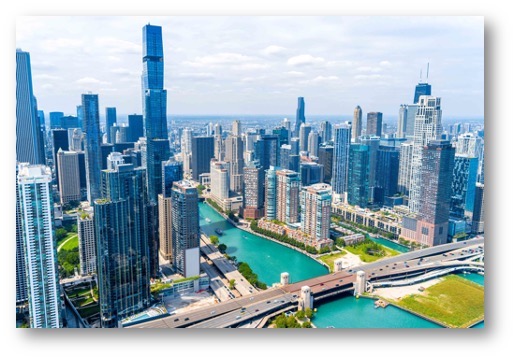
Chicago, Illinois
Chicago is one of the most recognizable cities in the United States, built along the shores of Lake Michigan and known for its architecture, museums, music, food, and e [read more.]
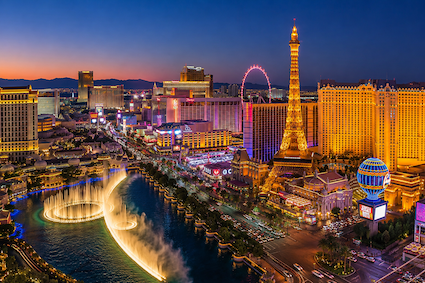
Las Vegas, Nevada, USA
Las Vegas is a city built around spectacle, imagination, and constant reinvention. Rising from the Mojave Desert in southern Nevada, it has transformed from a railroad [read more.]
To see more Waypoints in North America, please become a subscriber here.
Clickable destinations featuring Reviews & Recommendations.
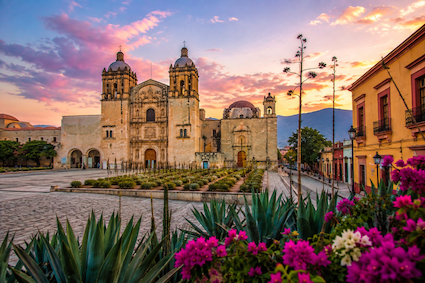
Oaxaca, Mexico
Oaxaca is one of Mexico's most culturally distinctive destinations, where Indigenous traditions, Spanish colonial architecture, contemporary art, and extraordinary ga [read more.]
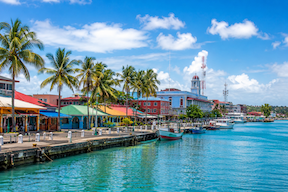
Limón, Costa Rica
Limón is the gateway to Costa Rica's Caribbean coast, a destination where tropical forests, beaches, wildlife, Afro-Caribbean traditions, and the rhythms of the sea [read more.]
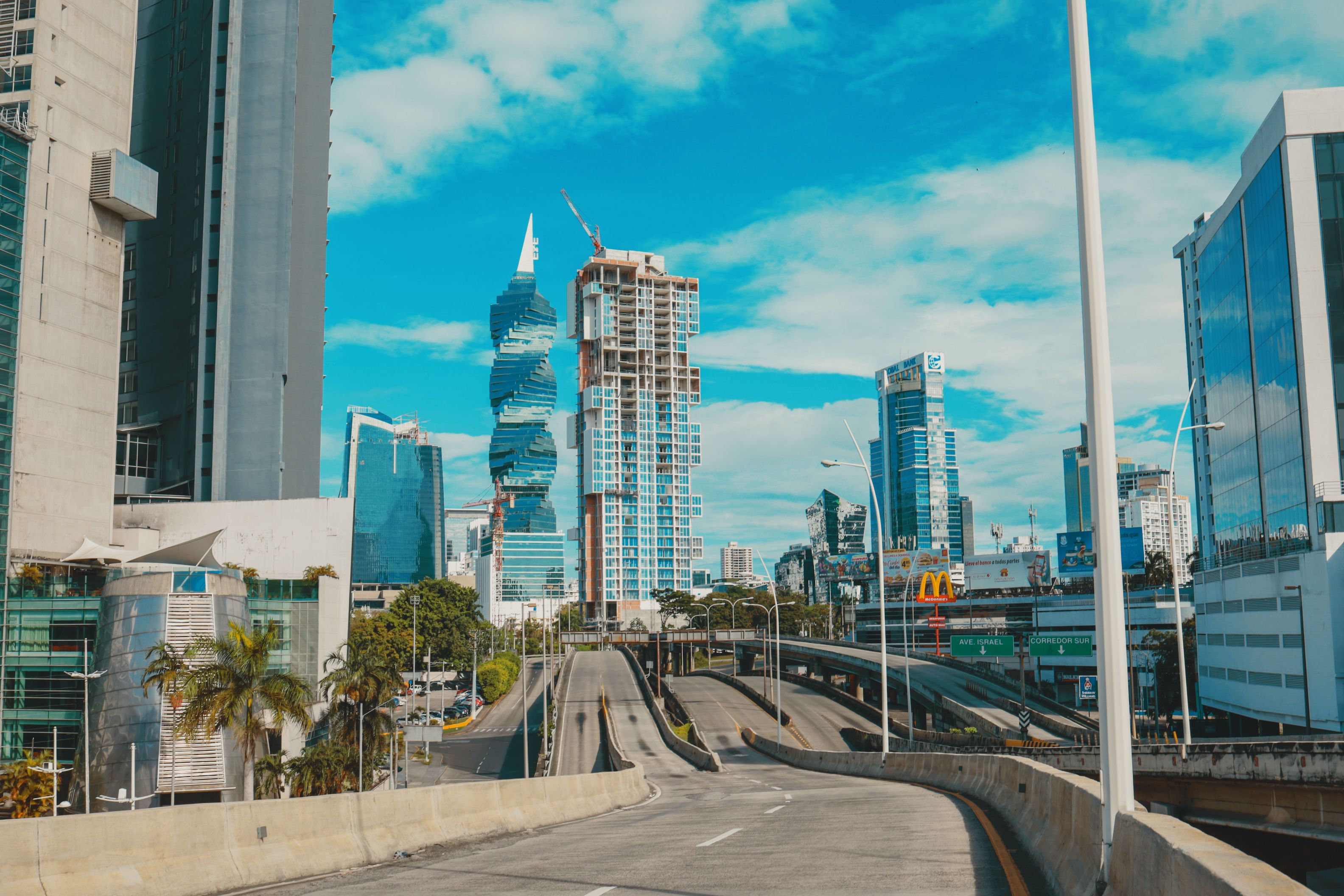
Panama City
Panama City is one of Central America's most dynamic destinations, where colonial history, global commerce, tropical nature, and modern architecture come together in [read more.]
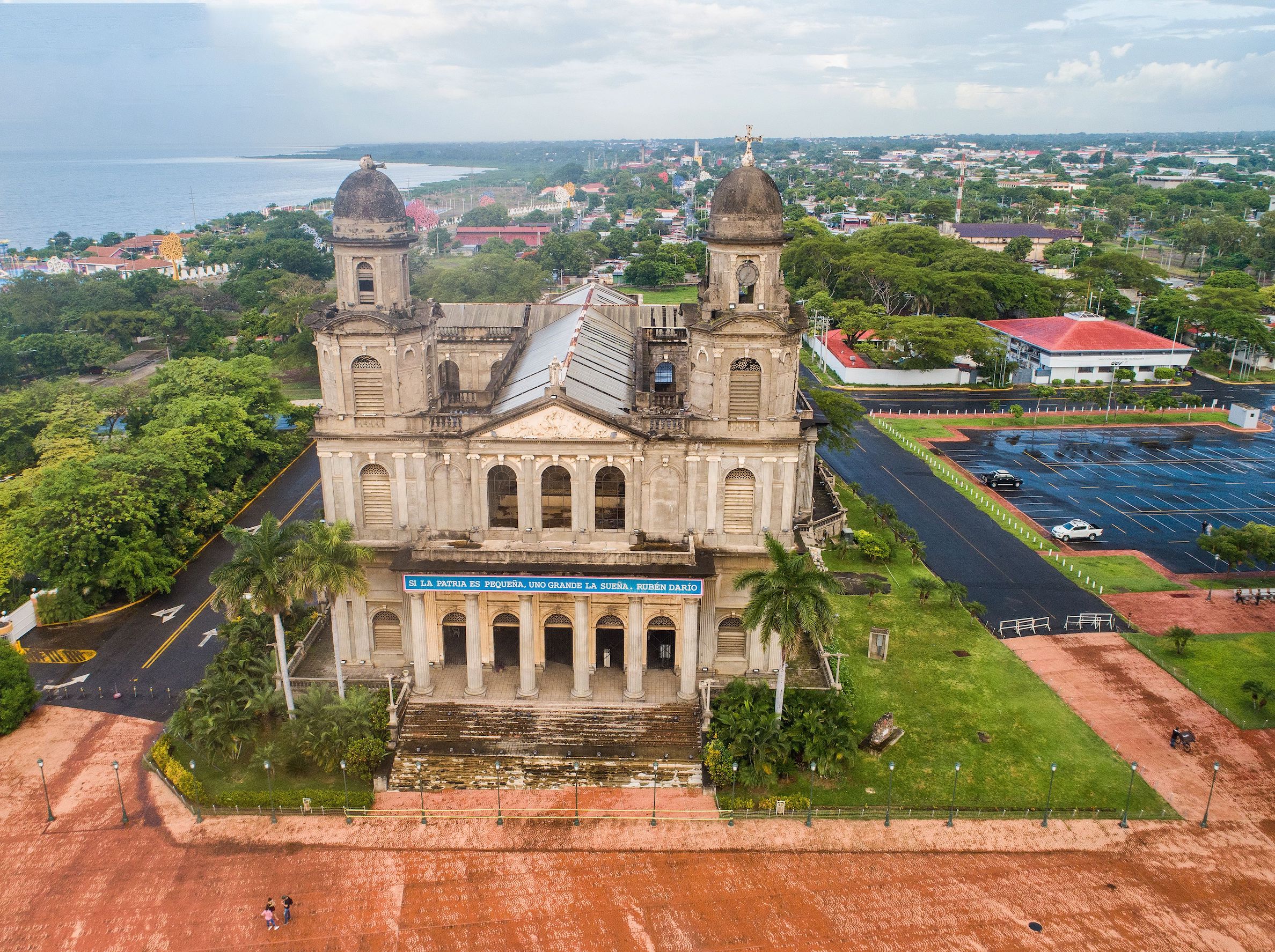
Nicaragua
Nicaragua is a country of volcanoes, lakes, colonial cities, tropical forests, Pacific beaches, and Caribbean islands. Located in the heart of Central America, it offer [read more.]
To see more Waypoints in Central America, please become a subscriber here.
Clickable destinations featuring Reviews & Recommendations.
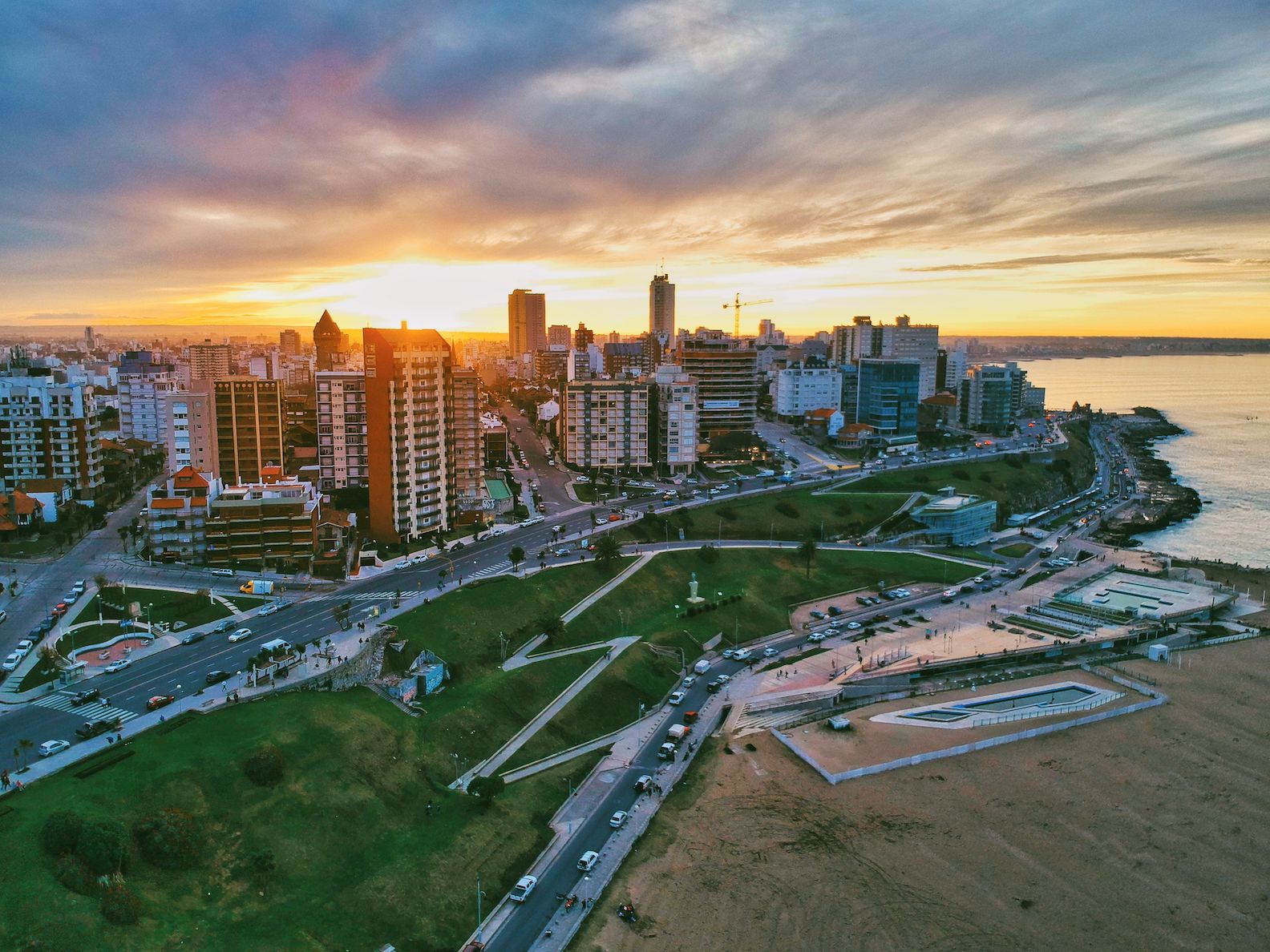
Montevideo, Uruguay
Montevideo is a city that rewards travelers who slow down. Uruguay’s capital stretches along the Río de la Plata, combining historic architecture, long waterfront pr [read more.]
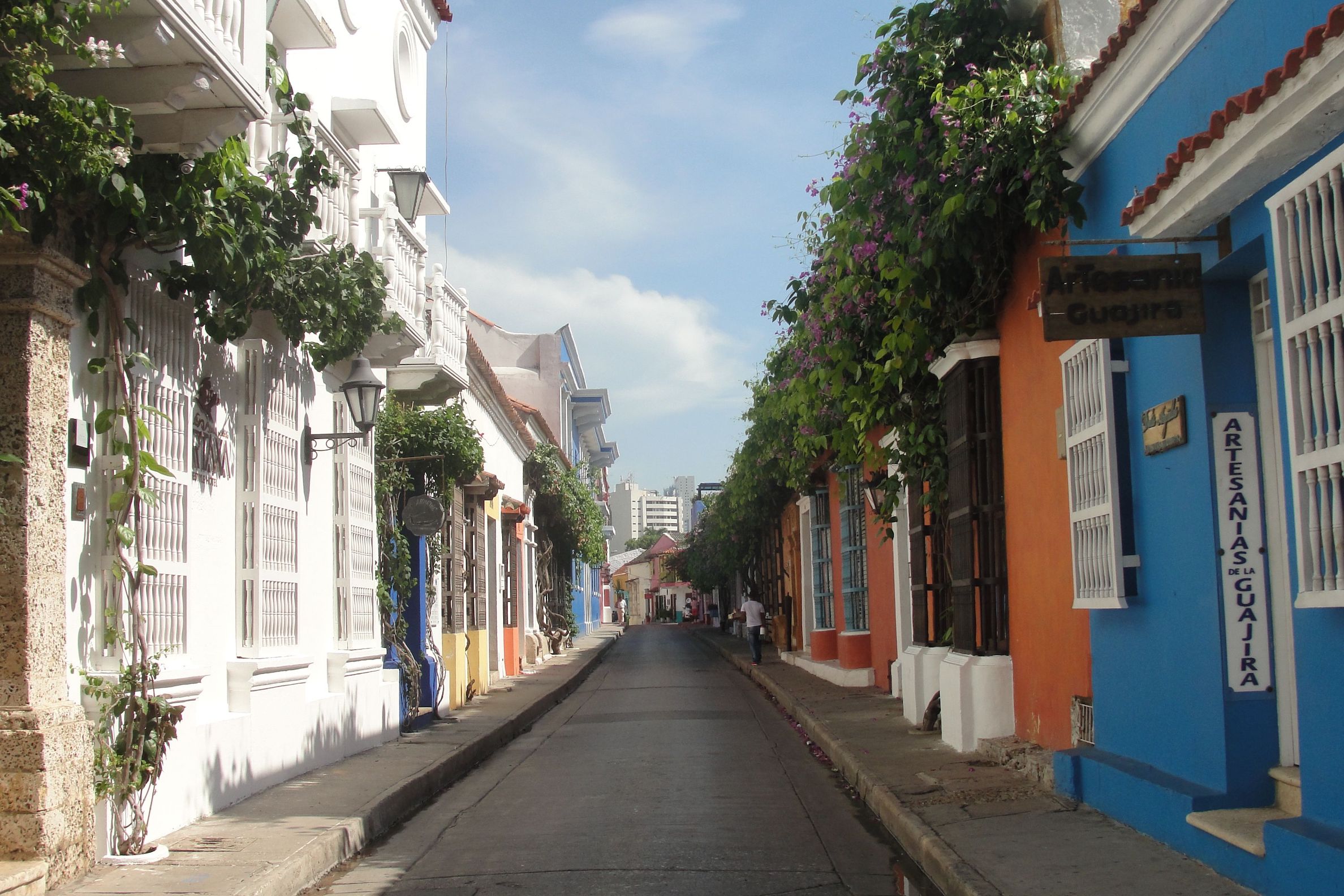
Cartagena, Colombia
Cartagena de Indias is a Caribbean city where centuries of history remain part of everyday life. Stone walls surround a UNESCO-listed historic center, colorful streets [read more.]
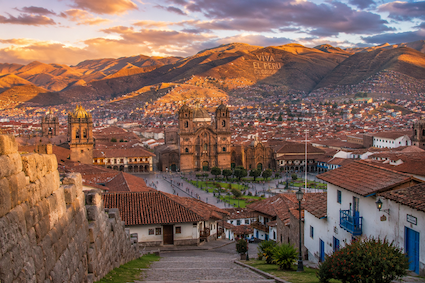
Cusco, Perú
Cusco is a city where the legacy of the Inca Empire remains visible in stone walls, archaeological sites, colonial churches, traditional markets, and the living culture [read more.]
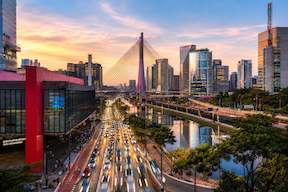
São Paulo, Brazil
São Paulo is a city of immense scale, cultural diversity, and relentless energy. As the largest city in Brazil and one of the largest metropolitan areas in Latin Ameri [read more.]
To see more Waypoints in South America, please become a subscriber here.
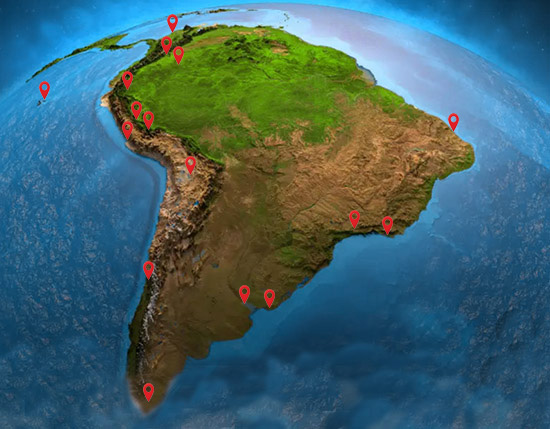
Clickable destinations featuring Reviews & Recommendations.
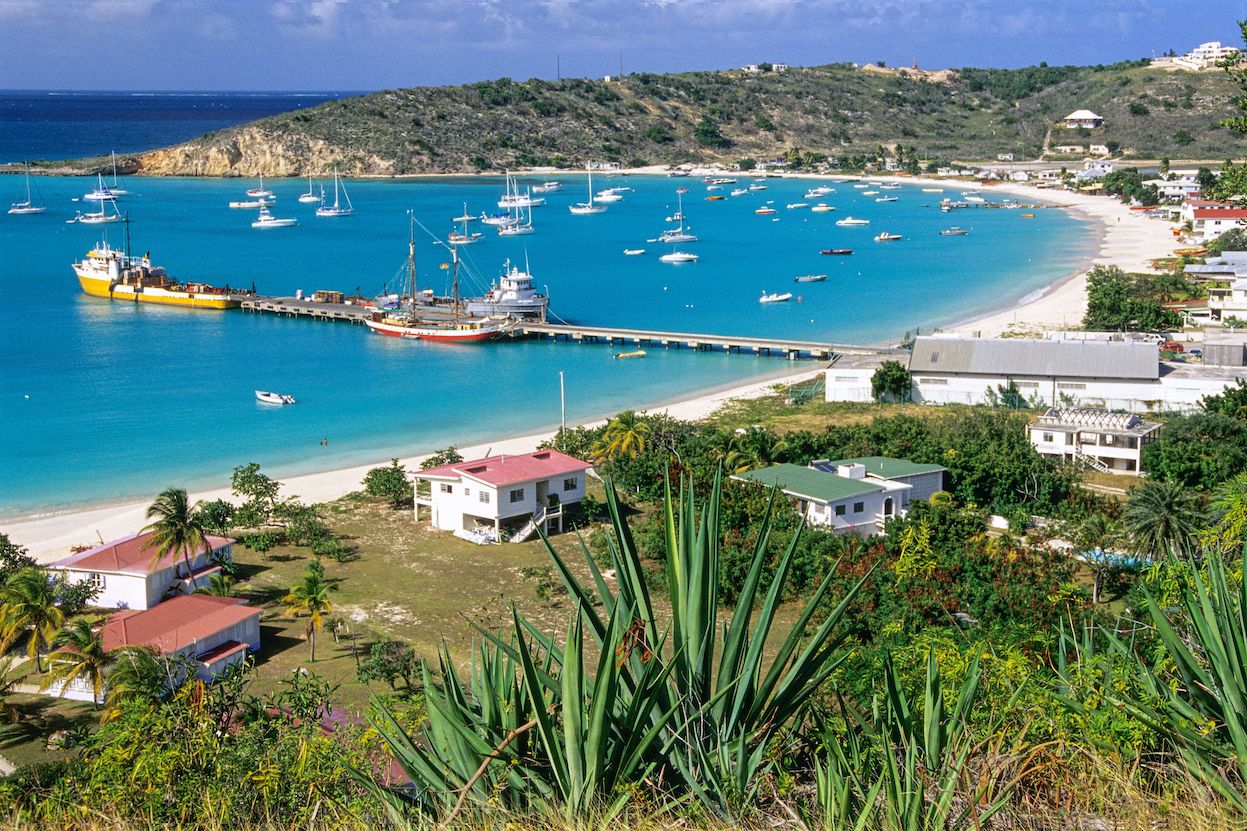
Anguilla
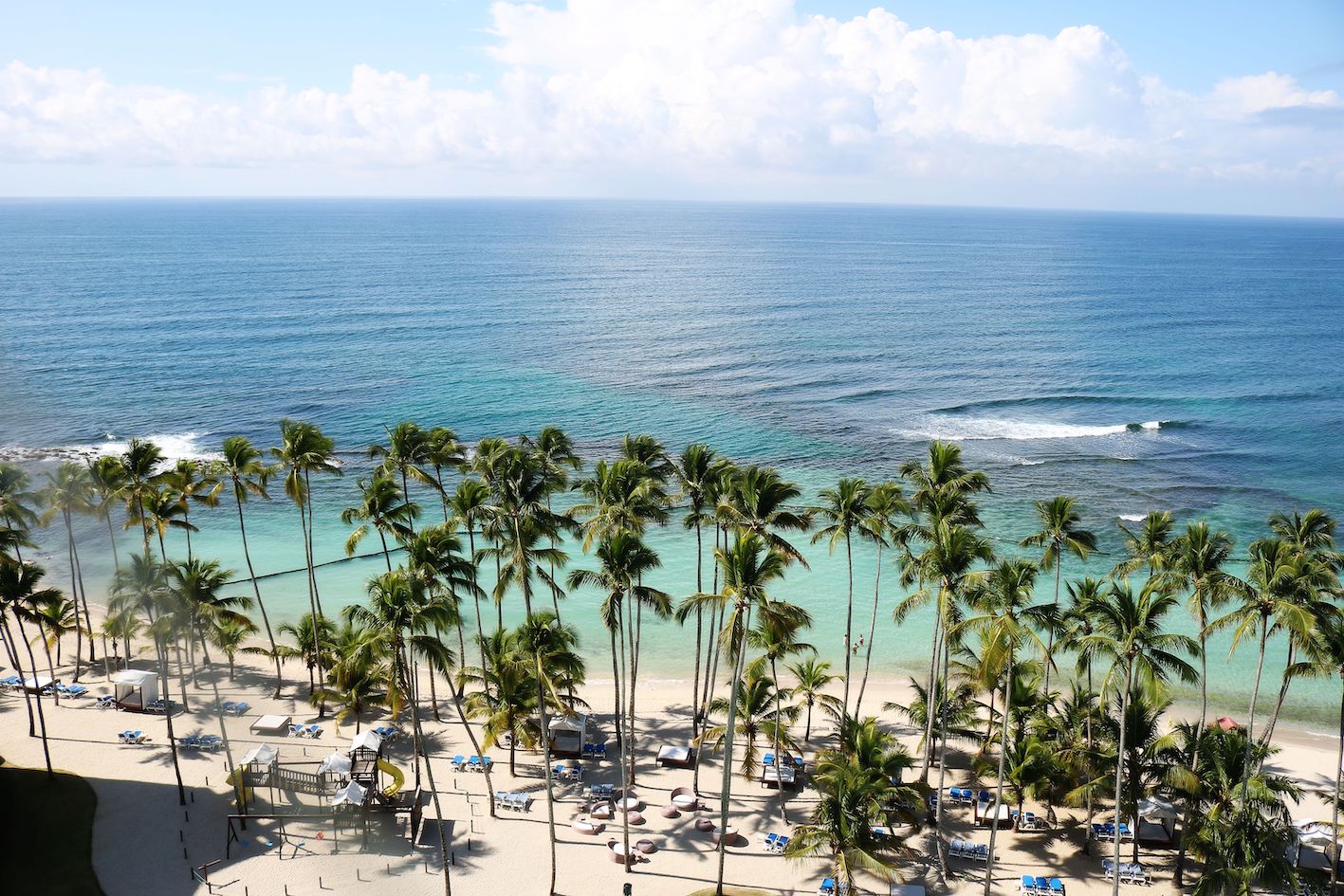
Jamaica
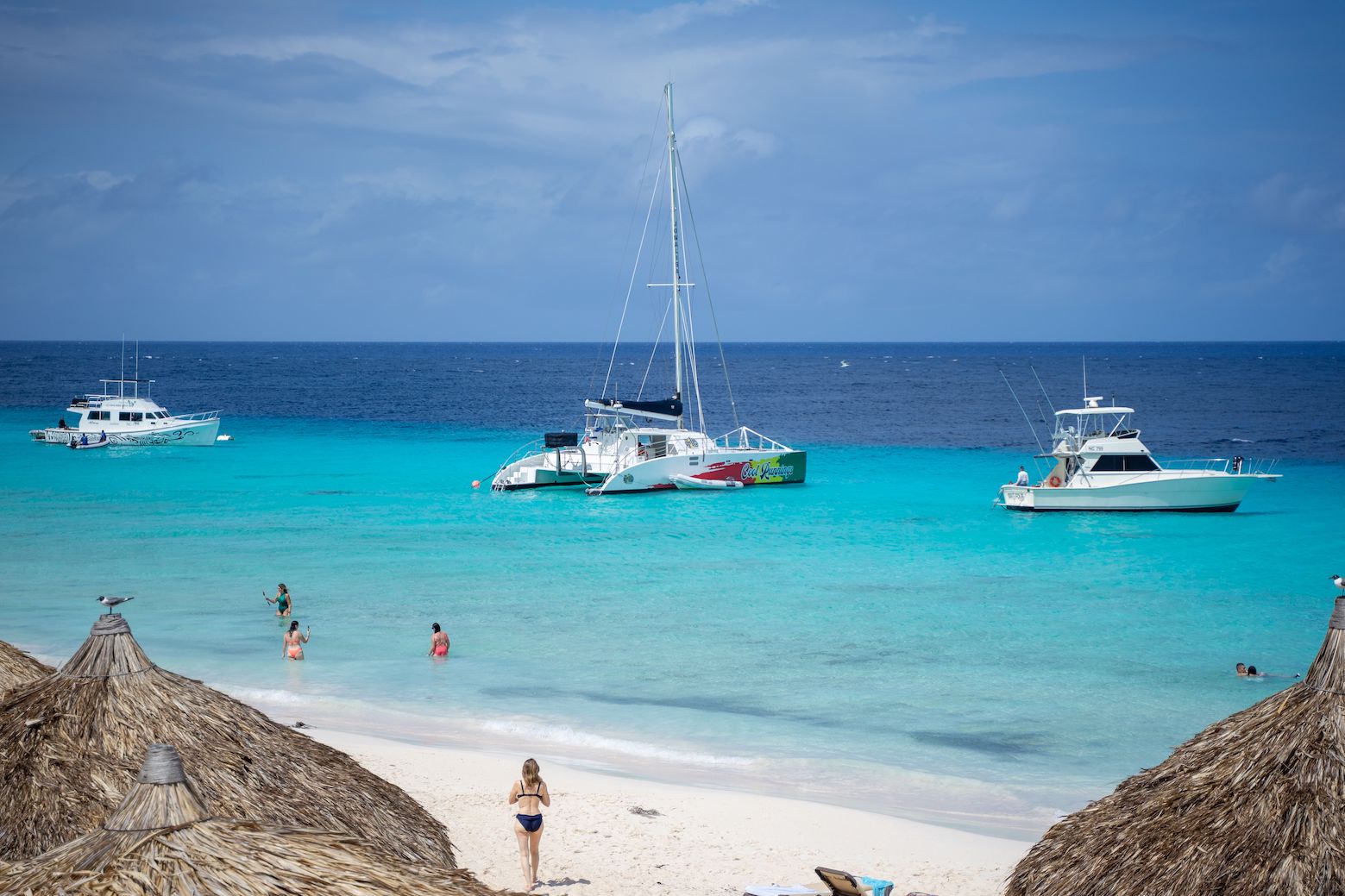
Aruba
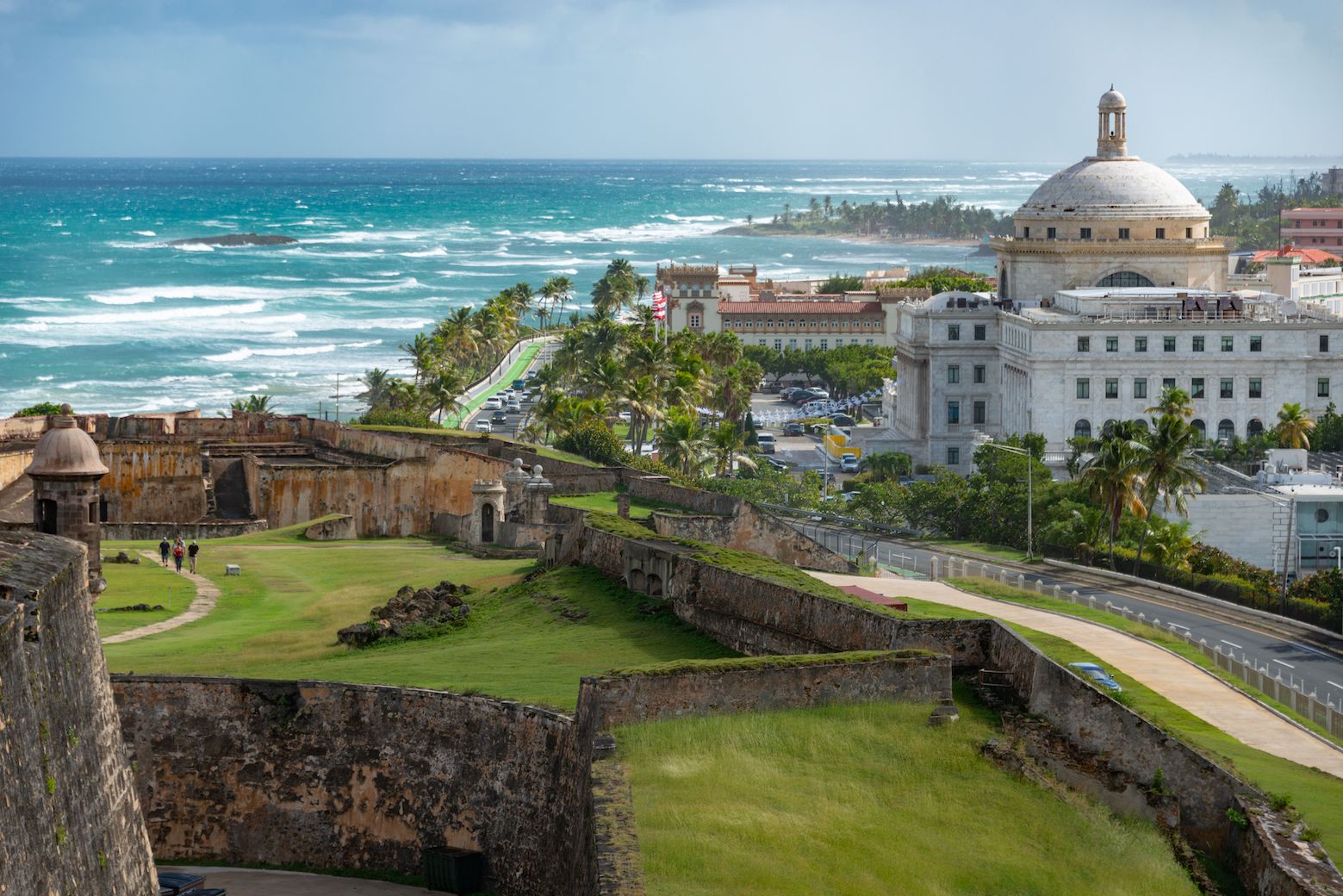
Puerto Rico
To see more Waypoints in The Caribbean, please become a subscriber here.
|
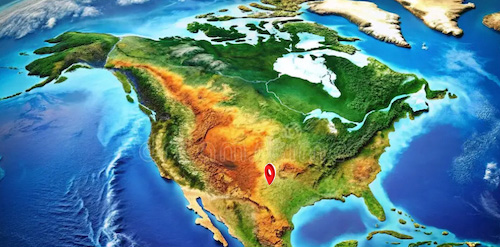
Waypoint Finder (Over 1,000 destinations in PanAmerica) |
|---|


Nature
Tours that connect us with nature.
Explore the Tambopata Amazon Reserve
Food & Culture
What's coming up of interest to tourism specialists in Pan America.
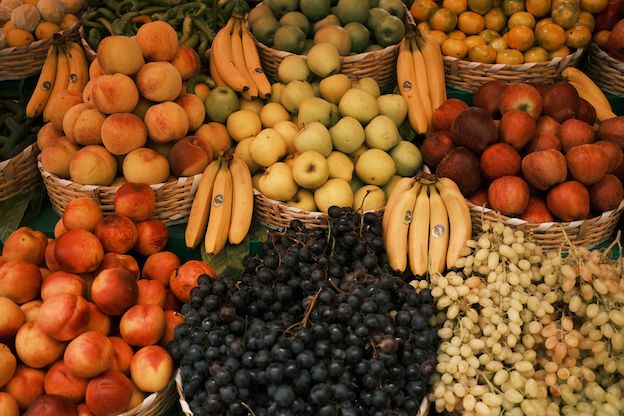
Real City Tours – Exotic Fruits Tour in Medellín, Colombia
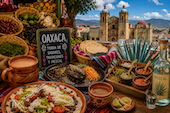
Oaxaca Food & Culture Tour – A Culinary Journey Through Mexico’s Indigenous Flavors
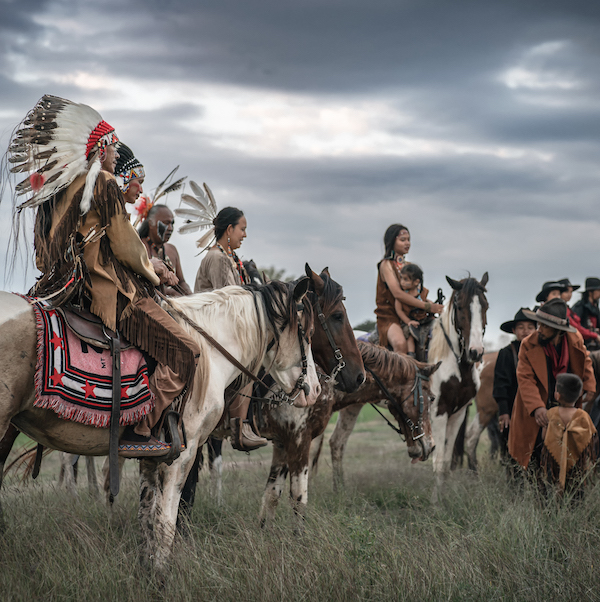
Indigenous Tours
Fashion, romance and wellness for travelers seeking confidence and style.
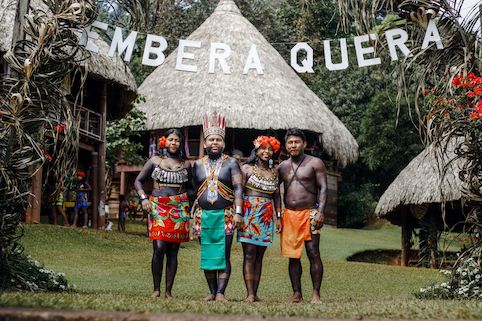
Experience the Emberá of the Darién – On the Only Expedition Operated by An Indigenous Community
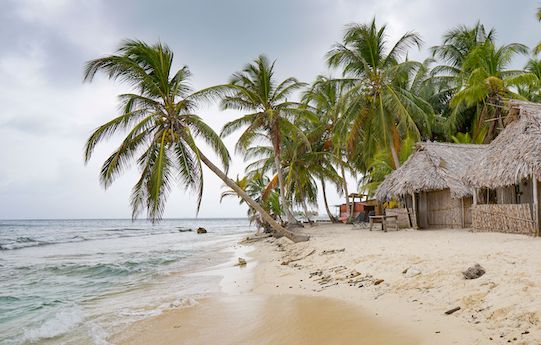
Indigenous Cultural Tour Guna Yala – Discover the Exotic San Blas Islands
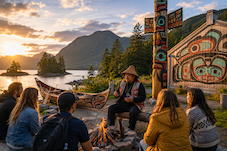
Indigenous Canada Tour – Explore First Nations, Inuit And Métis Cultures
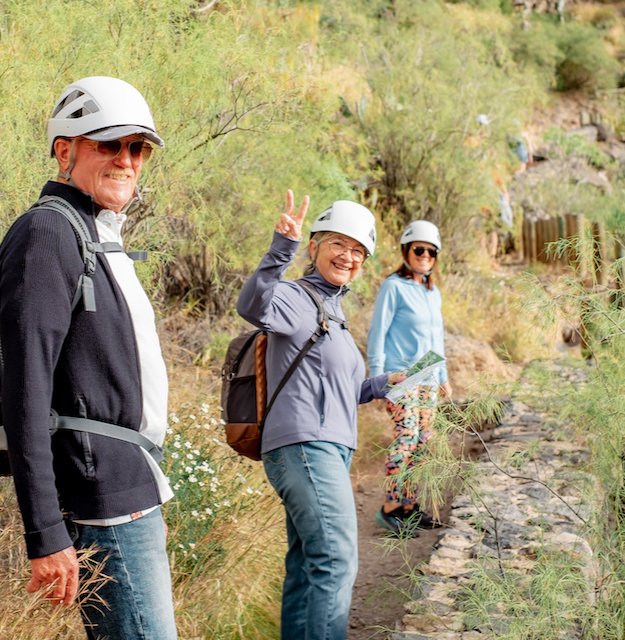
Outdoor Sports
Fashion, romance and wellness for travelers seeking confidence and style.

North Patagonia Ice Field Expedition Tour In Chile