|
So Many Places To Visit!
|
----------- |

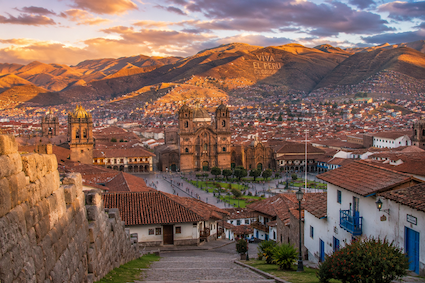
Cusco unfolds beneath the golden Andean light, where terracotta rooftops, historic churches, Inca stonework, and surrounding mountains reveal the extraordinary layers of Peru’s ancient imperial capita 
Peru Related Articles: |
PERU -- CULTURAL SITE -----------------72[ARTICLE] | |||
Cusco, PerúThe Ancient Inca Capital Where History, Culture, and the Andes ConvergeBy Marbel Montoya for Ruta Pantera on 9/24/2026 6:46:18 AM |
||||
|
Cusco is a city where the legacy of the Inca Empire remains visible in stone walls, archaeological sites, colonial churches, traditional markets, and the living culture of the Andes. Located high in southeastern Peru at approximately 3,400 meters (11,150 feet) above sea level, the city was once the political and spiritual center of the Inca Empire and today serves as one of South America's most important cultural and archaeological destinations. Its Historic Centre was declared a UNESCO World Heritage Site in 1983, recognizing the extraordinary way Inca and Spanish traditions coexist within the urban landscape. (whc.unesco.org) The Historic Capital of the Inca Empire Cusco was designed by the Incas as the center of their vast empire, known as Tawantinsuyu. The city's name is commonly associated with the Quechua word Qosqo, and Inca traditions considered it the symbolic center of their world. The original urban plan incorporated temples, palaces, plazas, and precisely engineered stonework that demonstrated the extraordinary organization of the civilization. The Spanish conquest in the 16th century transformed the city while preserving many elements of the Inca foundation. Colonial churches and mansions were constructed over existing Inca structures, creating the distinctive architectural layering that defines Cusco today. UNESCO describes the city as an exceptional example of the fusion of Andean and European traditions and notes the survival of important elements of its original Inca urban structure. (whc.unesco.org) |
||||

|
Plazas, Temples, and Extraordinary Stonework The Plaza de Armas is the heart of historic Cusco. Surrounded by arcaded buildings, restaurants, churches, and historic streets, the square occupies a space that has been central to the city since Inca times. The Cathedral of Cusco and the Church of the Society of Jesus dominate opposite sides of the plaza, creating one of the city's most recognizable architectural scenes. Just beyond the central square, the Qorikancha—or Temple of the Sun—reveals another layer of the city's history. The temple was one of the most important religious complexes of the Inca Empire and was later incorporated into the colonial Convent of Santo Domingo. Sections of the original stonework remain visible, illustrating the remarkable precision of Inca construction. The nearby streets of Hatun Rumiyoc are famous for their massive Inca stone walls, including the celebrated Twelve-Angled Stone. These walls demonstrate the Incas' sophisticated masonry techniques, in which precisely cut stones were fitted together without mortar. |
|||
 Add this article to your favorites
[FOR SUBCRIBERS ONLY]
Add this article to your favorites
[FOR SUBCRIBERS ONLY]
Copy this link to send this article to a friend: [FOR SURSCRIBERS ONLY] |
||||

|
A Gateway to the Sacred Valley and Machu Picchu Cusco's importance extends beyond the city itself. It serves as the principal gateway to the Sacred Valley, where mountains, agricultural terraces, Indigenous communities, and archaeological sites reveal the depth of the Inca relationship with the Andean landscape. Destinations such as Pisac and Ollantaytambo provide opportunities to explore ancient terraces, temples, fortifications, and traditional markets. Ollantaytambo is particularly significant because its original Inca street plan remains remarkably well preserved, while its enormous terraces climb the surrounding mountainside. For many travelers, Cusco is also the starting point for the journey to Machu Picchu. Visitors can reach the famous citadel by scenic train from locations in the Sacred Valley or undertake one of several trekking routes through the Andes. The Inca Trail remains the best-known route, connecting mountain landscapes and archaeological sites before arriving at Machu Picchu through the Sun Gate. |
|||
| Culture, Markets, and Andean Traditions Cusco's cultural identity remains deeply connected to Quechua traditions. Indigenous languages, textiles, music, agricultural practices, religious celebrations, and traditional crafts remain visible throughout the region. The city also hosts festivals that combine pre-Hispanic traditions with Catholic celebrations introduced during the colonial period. The annual Inti Raymi, or Festival of the Sun, takes place around the June solstice and is one of the most important cultural celebrations in Cusco. The modern celebration recreates elements of the ancient Inca ceremony and includes performances at Qorikancha, the Plaza de Armas, and the archaeological complex of Sacsayhuamán. Sacsayhuamán is located on the hills immediately above Cusco and is one of the city's most impressive archaeological sites. Its enormous stone blocks, some weighing many tons, form monumental walls that demonstrate the extraordinary engineering capabilities of the Inca civilization. The site also provides sweeping views across the city and surrounding mountains.Andean Gastronomy and the Modern City Cusco's cuisine reflects the ingredients and traditions of the Andes. Potatoes, corn, quinoa, trout, alpaca, native peppers, and a remarkable variety of Andean grains appear in both traditional and contemporary dishes. Local specialties include cuy, chiri uchu, pachamanca, soups, and hearty stews designed around ingredients adapted to the high-altitude environment. The San Pedro Market provides a more informal culinary experience, with stalls selling fruits, vegetables, grains, cheeses, breads, herbs, prepared foods, and traditional products. Exploring the market offers travelers an opportunity to observe everyday commerce while discovering ingredients that form the foundation of Andean cuisine. At the same time, Cusco has developed a sophisticated restaurant scene, with contemporary chefs combining traditional Peruvian ingredients with international techniques. Historic buildings, courtyards, and renovated colonial spaces now house restaurants, cafés, bars, and boutique hotels, giving the city a modern dimension without erasing its historic character. Getting There and What to Expect Cusco is served by Alejandro Velasco Astete International Airport, which connects the city with Lima and other destinations in Peru. Most international travelers arriving in Cusco connect through Lima before continuing into the Andes. Altitude is one of the most important considerations when visiting Cusco. At roughly 3,400 meters above sea level, some travelers experience symptoms of altitude sickness during their first days. Allowing time to acclimatize, staying hydrated, avoiding strenuous activity immediately after arrival, and following medical advice when necessary can make the transition more comfortable. The dry season, generally from May through September, offers more predictable conditions and is particularly popular for trekking and archaeological exploration. The rainy season typically extends from November through March, when showers can create muddy trails but also produce exceptionally green mountain landscapes. Accommodation ranges from traditional guesthouses and boutique hotels inside historic buildings to luxury properties and contemporary hotels. Staying within or close to the Historic Centre allows travelers to reach many attractions on foot while remaining close to restaurants, markets, museums, and cultural sites. |
||||
| A City Where the Inca Legacy Remains Alive Cusco is not simply an archaeological destination. It is a living Andean city where Inca foundations support colonial architecture, Indigenous traditions coexist with contemporary culture, and ancient landscapes remain connected to modern life. From the stone streets of the Historic Centre to the monumental walls of Sacsayhuamán and the mountains of the Sacred Valley, every journey through Cusco reveals another layer of Peru's extraordinary history. Its enduring appeal lies in this connection between past and present—a city where the legacy of the Andes remains visible, tangible, and alive. |
||||
| --rutapanter.com-- | ||
|
References: UNESCO. (n.d.). City of Cuzco. https://whc.unesco.org/ PROMPERÚ. (n.d.). Cusco Travel Information. https://www.peru.travel/ Ministerio de Cultura del Perú. (n.d.). Cultural Heritage And Archaeological Sites. https://www.gob.pe/cultura SERNANP. (n.d.). Protected Natural Areas Of Peru. https://www.sernanp.gob.pe/
| |
|
| Instagram: | Email contact: | Interest area: |

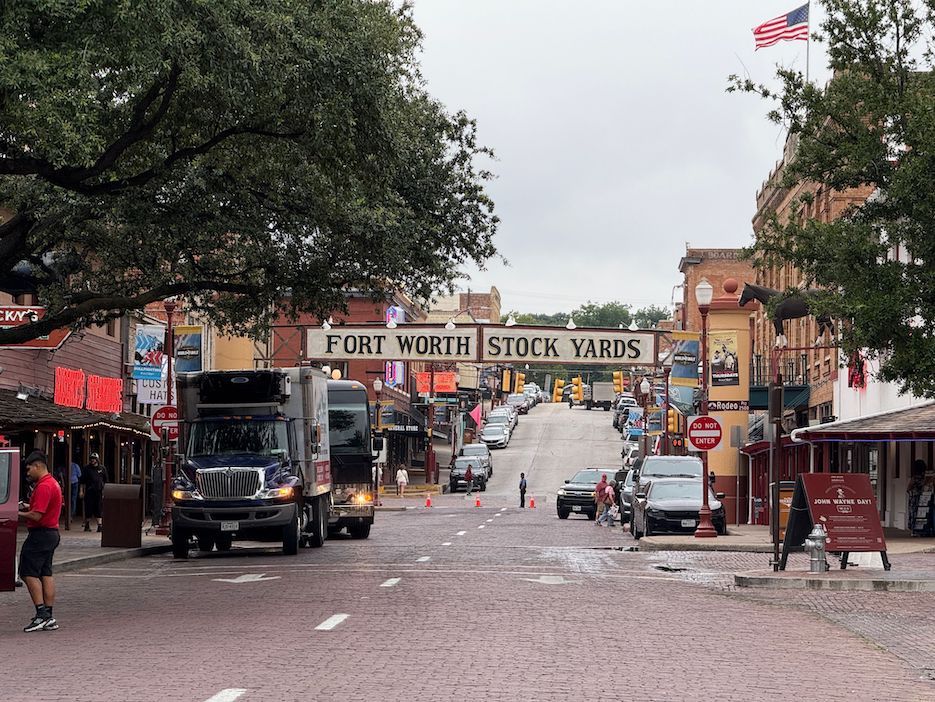
Dallas/Fort Worth, Texas
Dallas/Fort Worth is one of Texas’s major metropolitan areas and an important gateway to the state. Although the two cities are closely connected geographically and e [read more.]
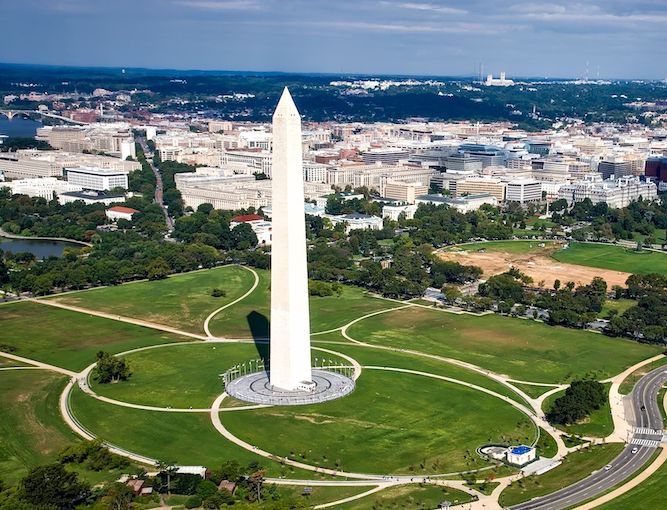
Washington, DC
Washington, DC is the capital of the United States and one of the country’s most distinctive travel destinations. Unlike most major American cities, its identity is s [read more.]
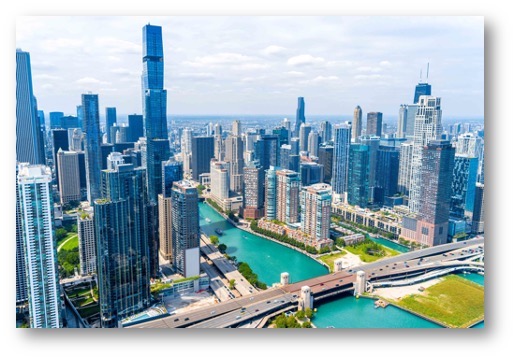
Chicago, Illinois
Chicago is one of the most recognizable cities in the United States, built along the shores of Lake Michigan and known for its architecture, museums, music, food, and e [read more.]
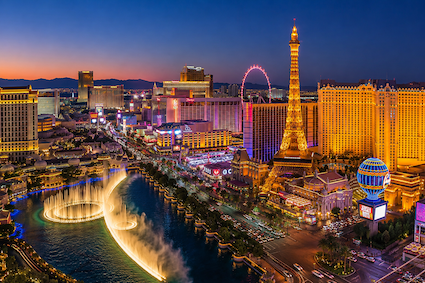
Las Vegas, Nevada, USA
Las Vegas is a city built around spectacle, imagination, and constant reinvention. Rising from the Mojave Desert in southern Nevada, it has transformed from a railroad [read more.]
To see more Waypoints in North America, please become a subscriber here.
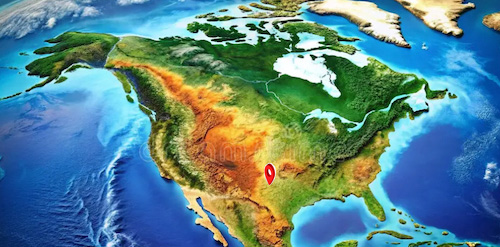
Clickable destinations featuring Reviews & Recommendations.
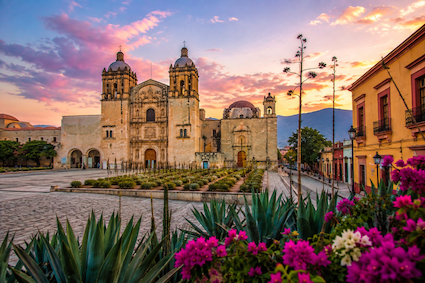
Oaxaca, Mexico
Oaxaca is one of Mexico's most culturally distinctive destinations, where Indigenous traditions, Spanish colonial architecture, contemporary art, and extraordinary ga [read more.]
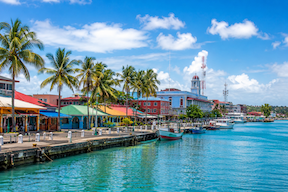
Limón, Costa Rica
Limón is the gateway to Costa Rica's Caribbean coast, a destination where tropical forests, beaches, wildlife, Afro-Caribbean traditions, and the rhythms of the sea [read more.]
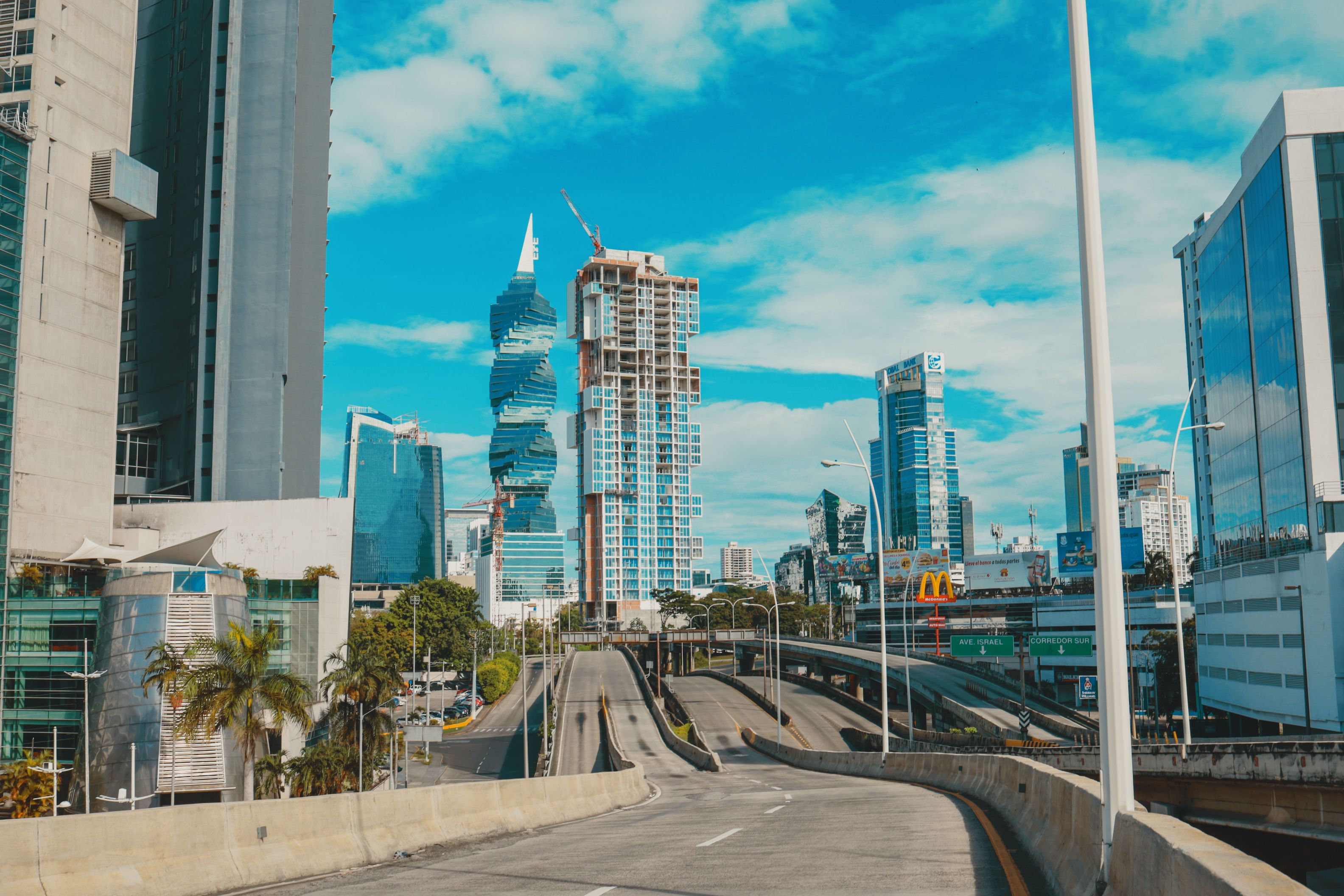
Panama City
Panama City is one of Central America's most dynamic destinations, where colonial history, global commerce, tropical nature, and modern architecture come together in [read more.]
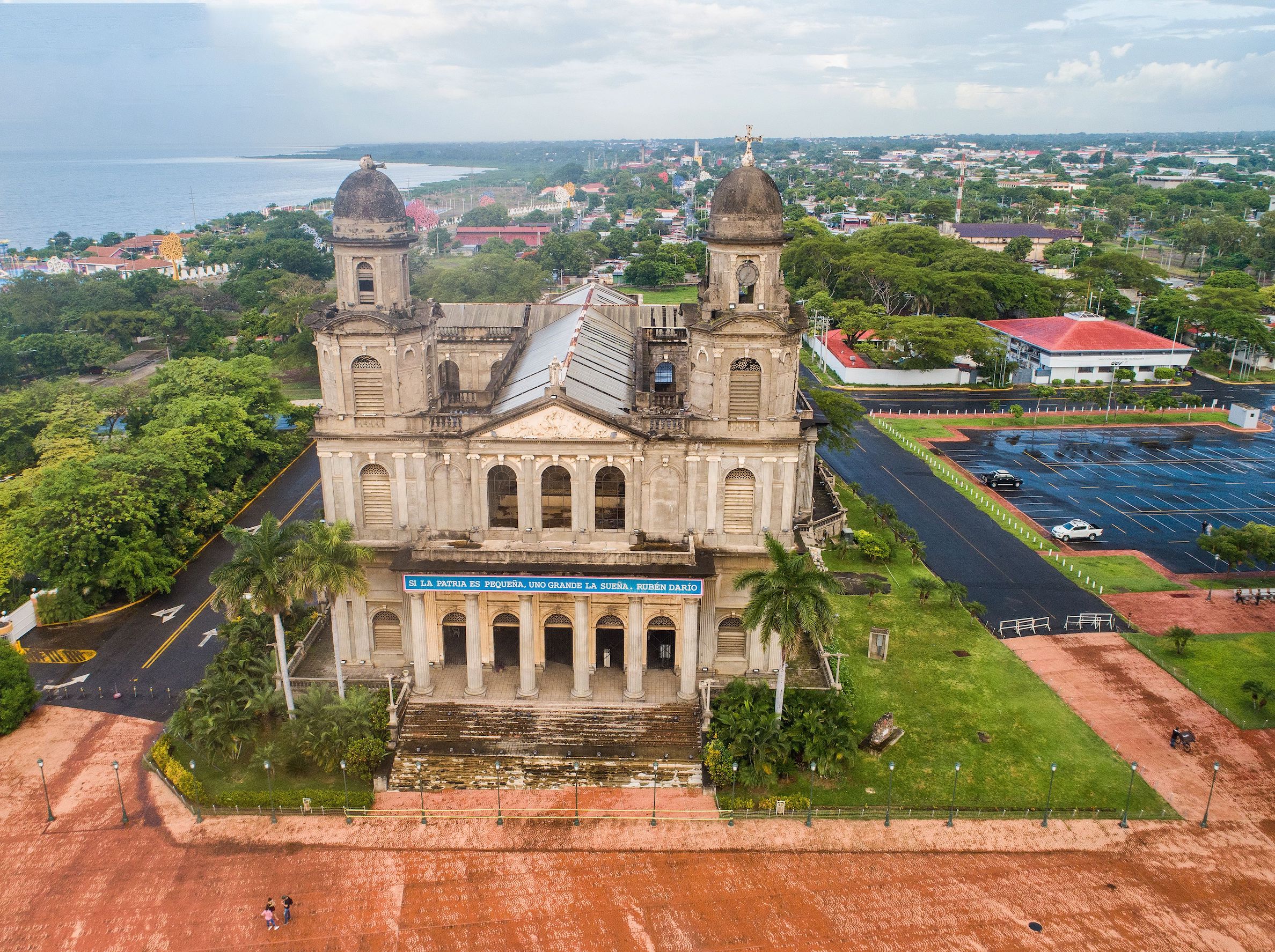
Nicaragua
Nicaragua is a country of volcanoes, lakes, colonial cities, tropical forests, Pacific beaches, and Caribbean islands. Located in the heart of Central America, it offer [read more.]
To see more Waypoints in Central America, please become a subscriber here.
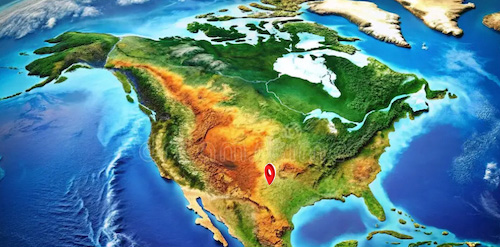
Clickable destinations featuring Reviews & Recommendations.
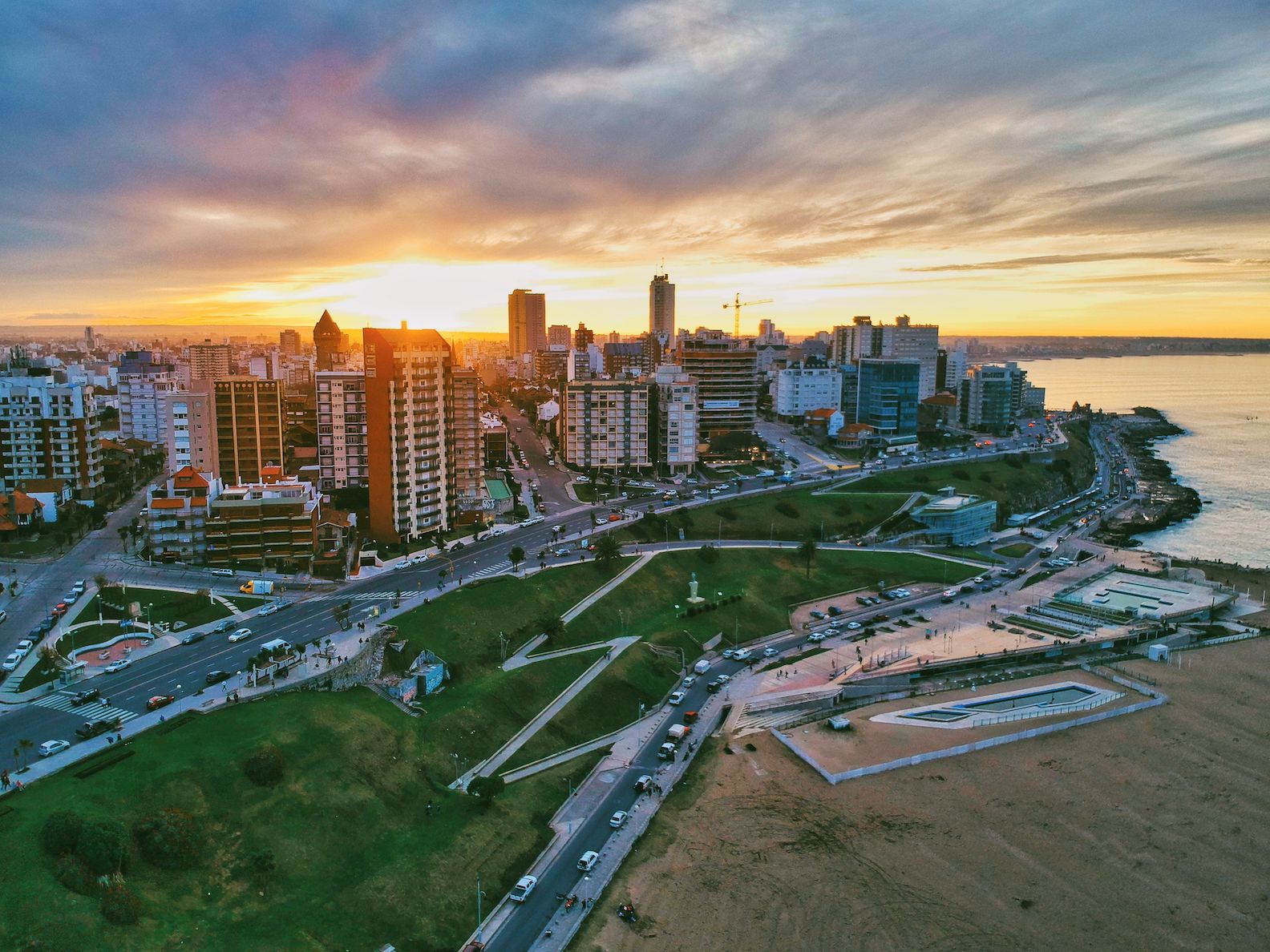
Montevideo, Uruguay
Montevideo is a city that rewards travelers who slow down. Uruguay’s capital stretches along the Río de la Plata, combining historic architecture, long waterfront pr [read more.]
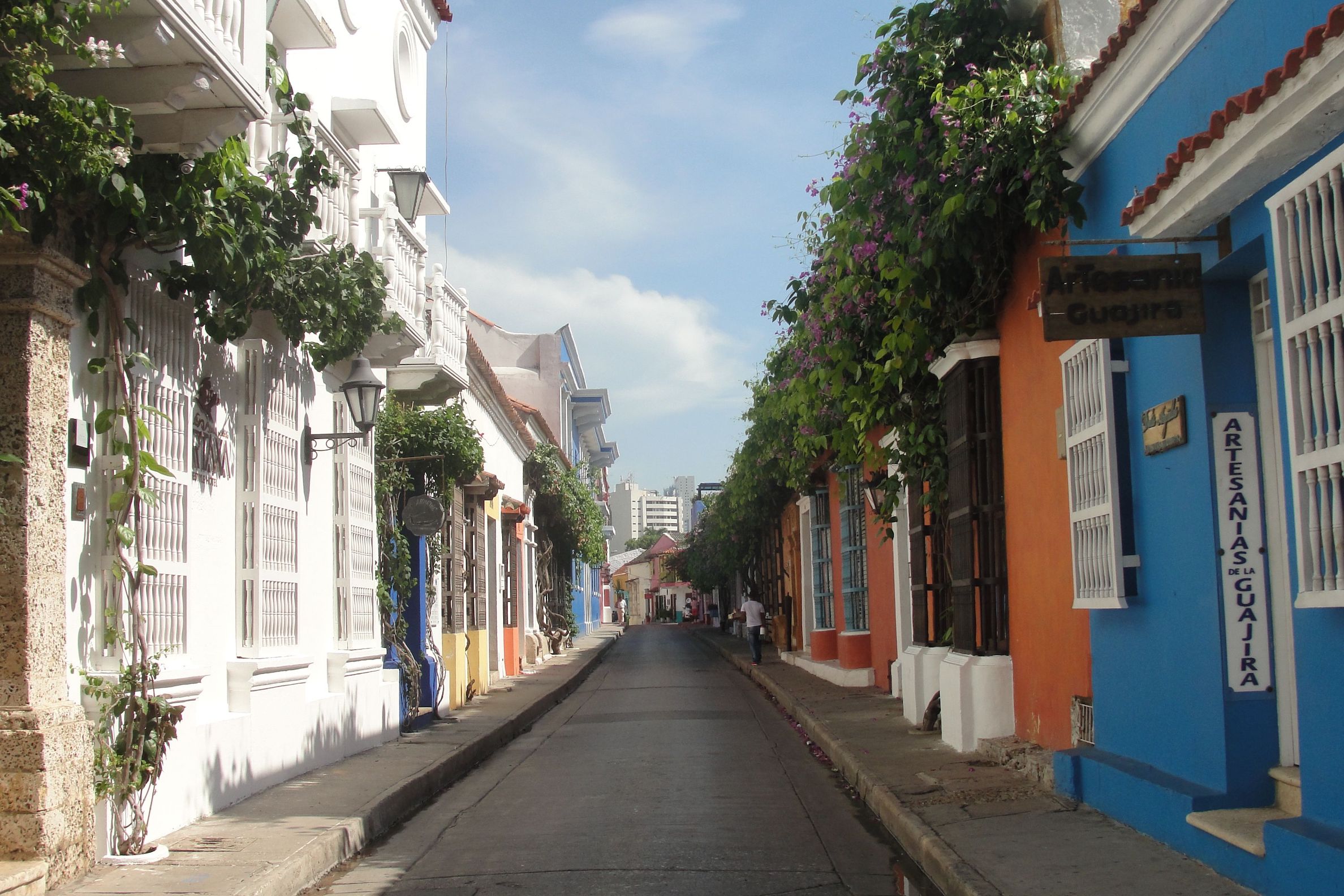
Cartagena, Colombia
Cartagena de Indias is a Caribbean city where centuries of history remain part of everyday life. Stone walls surround a UNESCO-listed historic center, colorful streets [read more.]
Cusco, Perú
Cusco is a city where the legacy of the Inca Empire remains visible in stone walls, archaeological sites, colonial churches, traditional markets, and the living culture [read more.]
São Paulo, Brazil
São Paulo is a city of immense scale, cultural diversity, and relentless energy. As the largest city in Brazil and one of the largest metropolitan areas in Latin Ameri [read more.]
To see more Waypoints in South America, please become a subscriber here.
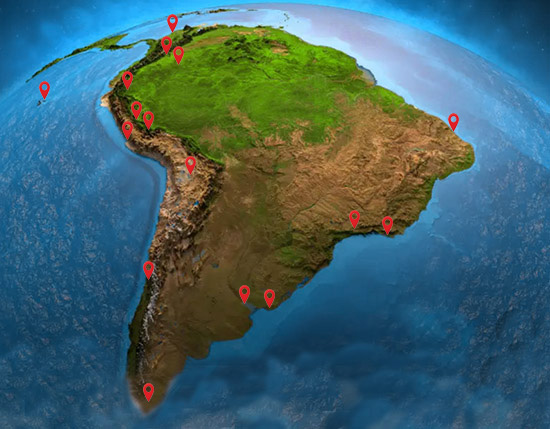
Clickable destinations featuring Reviews & Recommendations.
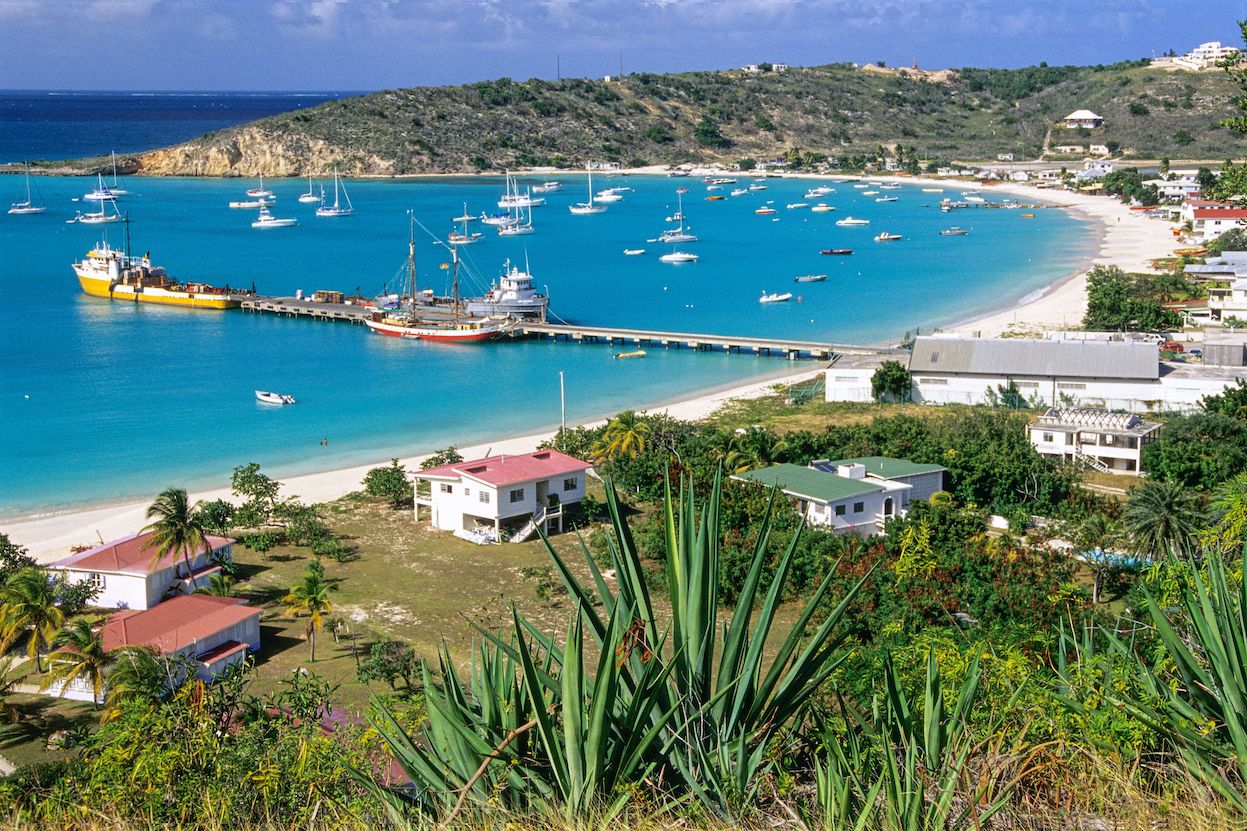
Anguilla
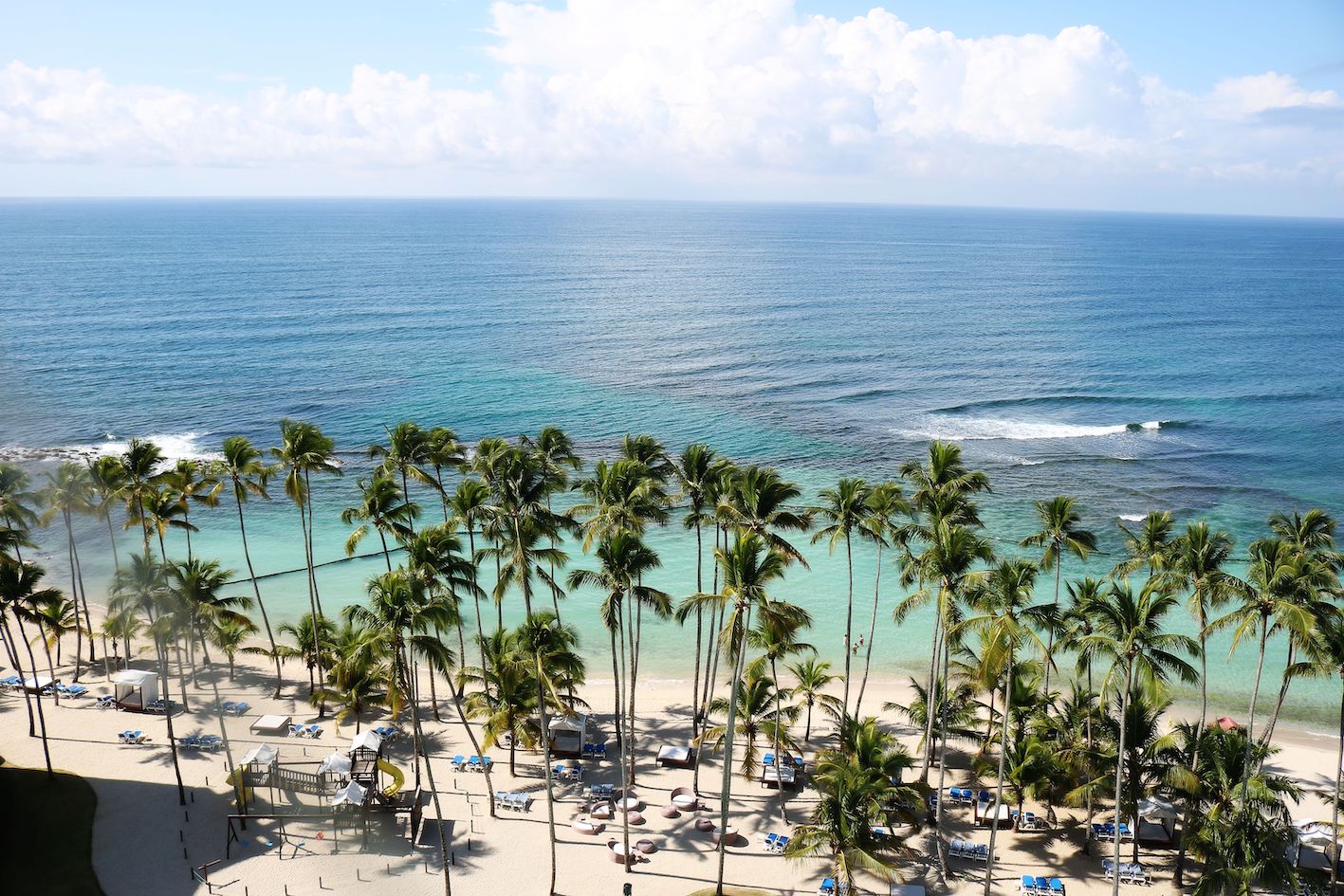
Jamaica
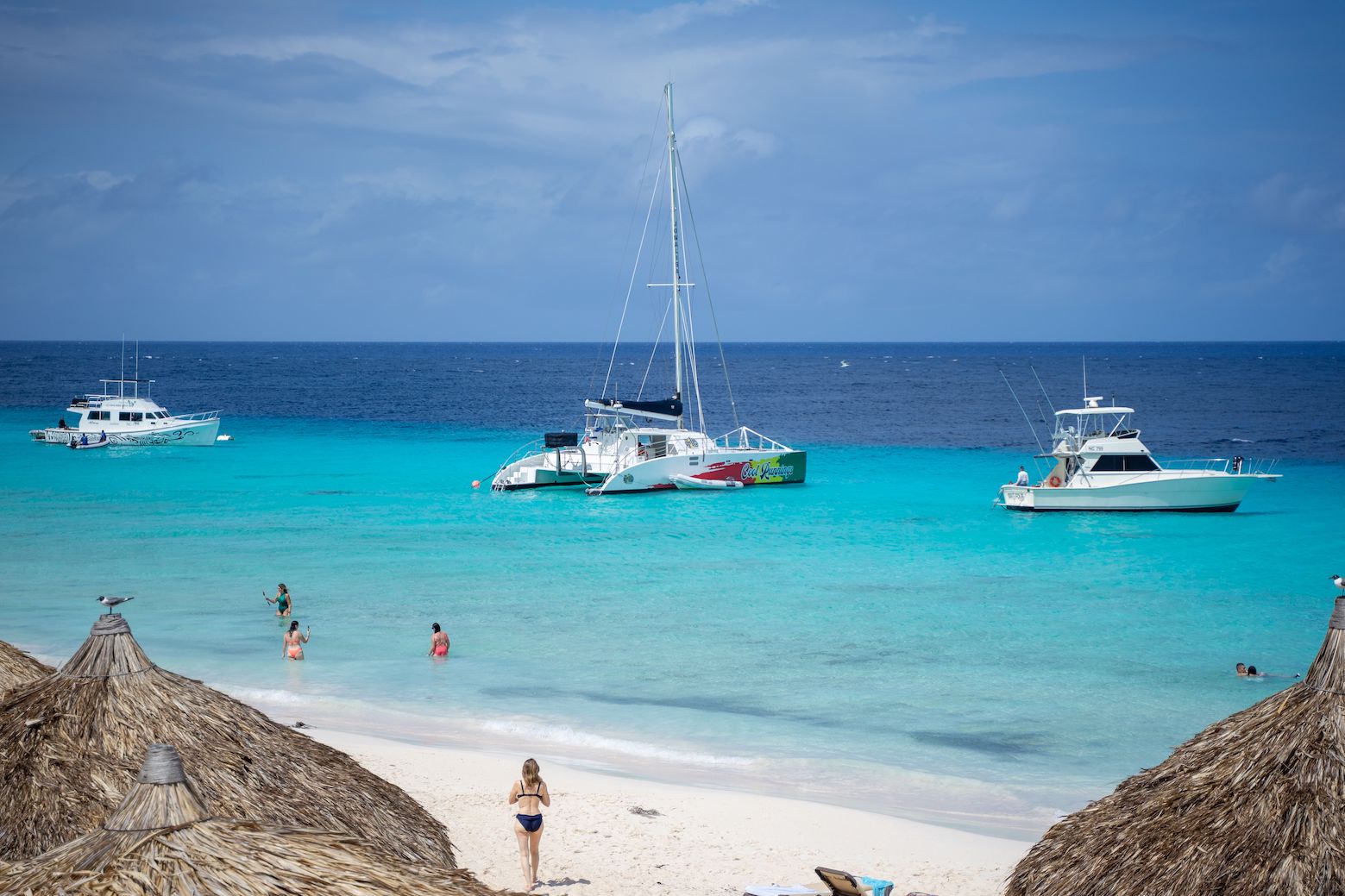
Aruba
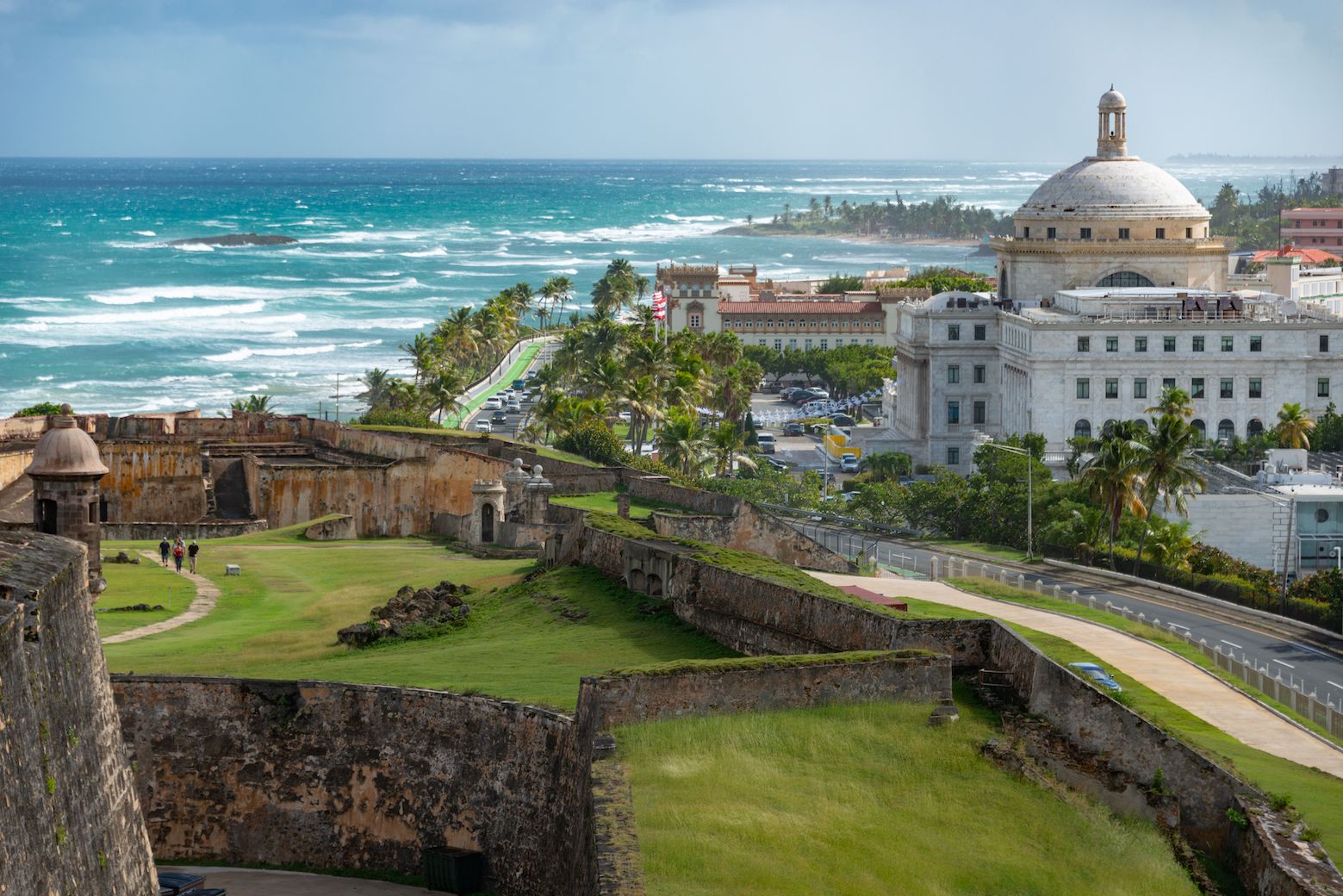
Puerto Rico
To see more Waypoints in The Caribbean, please become a subscriber here.
|
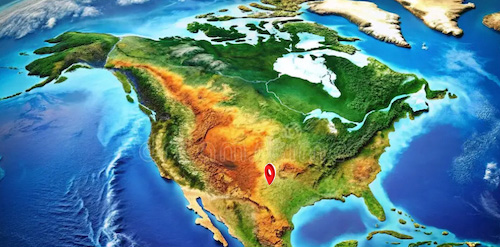
Waypoint Finder (Over 1,000 destinations in PanAmerica) |
|---|


Nature
Tours that connect us with nature.
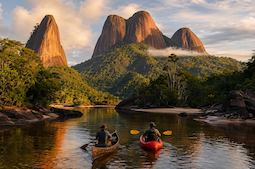
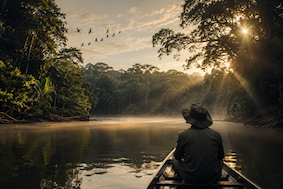
Explore the Tambopata Amazon Reserve
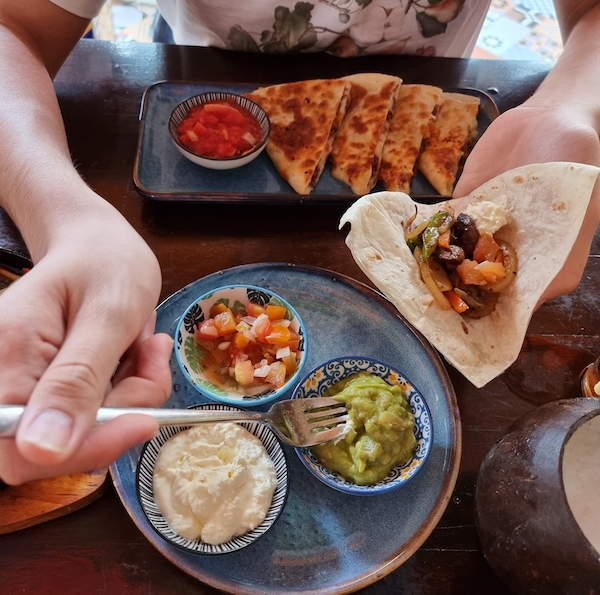
Food & Culture
What's coming up of interest to tourism specialists in Pan America.
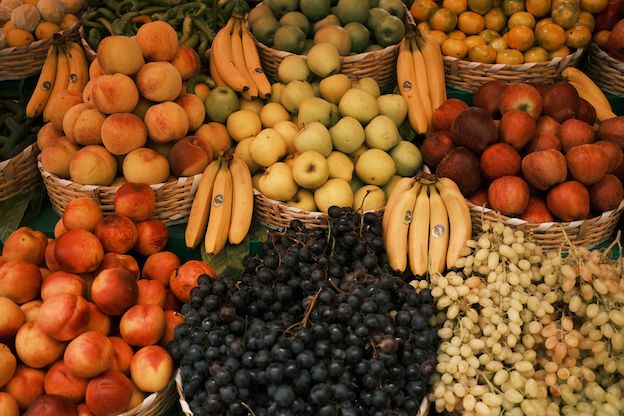
Real City Tours – Exotic Fruits Tour in Medellín, Colombia
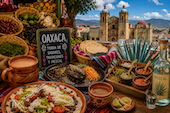
Oaxaca Food & Culture Tour – A Culinary Journey Through Mexico’s Indigenous Flavors
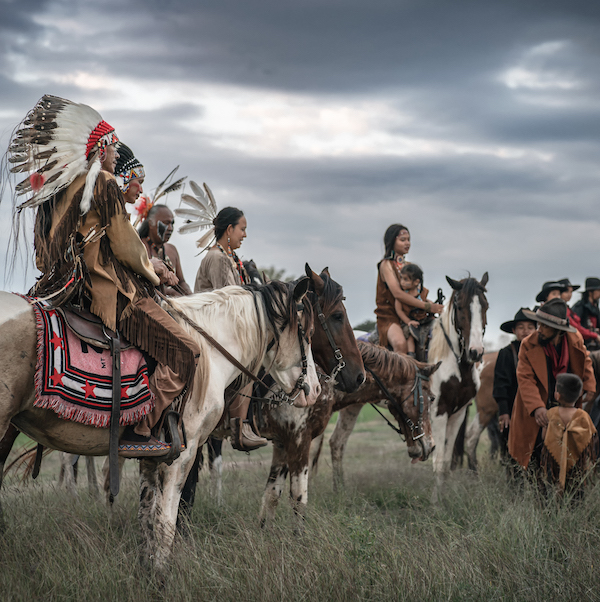
Indigenous Tours
Fashion, romance and wellness for travelers seeking confidence and style.
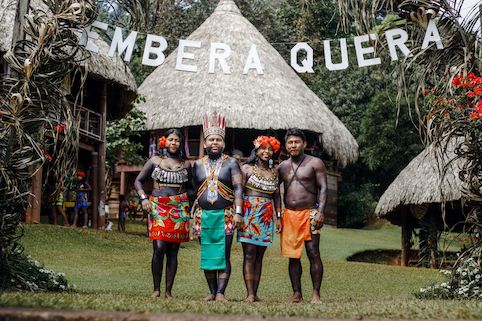
Experience the Emberá of the Darién – On the Only Expedition Operated by An Indigenous Community
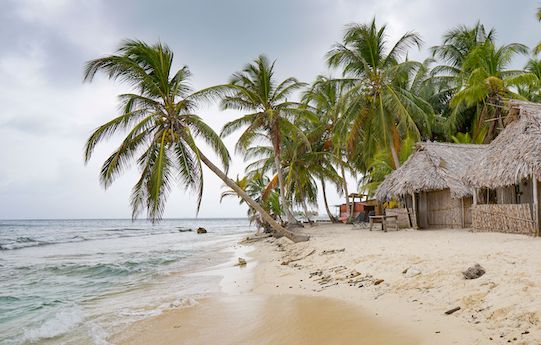
Indigenous Cultural Tour Guna Yala – Discover the Exotic San Blas Islands
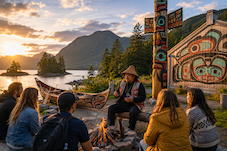
Indigenous Canada Tour – Explore First Nations, Inuit And Métis Cultures
Outdoor Sports
Fashion, romance and wellness for travelers seeking confidence and style.
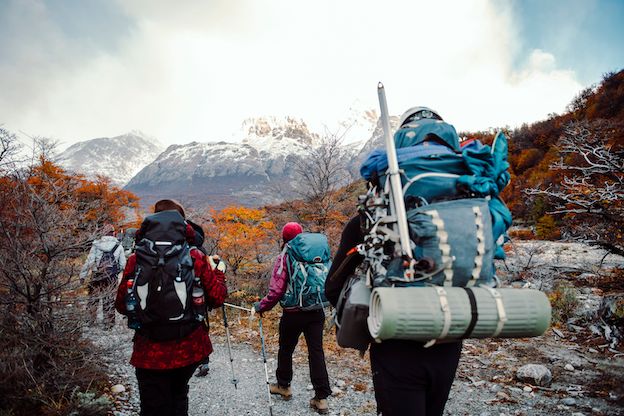
North Patagonia Ice Field Expedition Tour In Chile