|
So Many Places To Visit!
|
----------- |

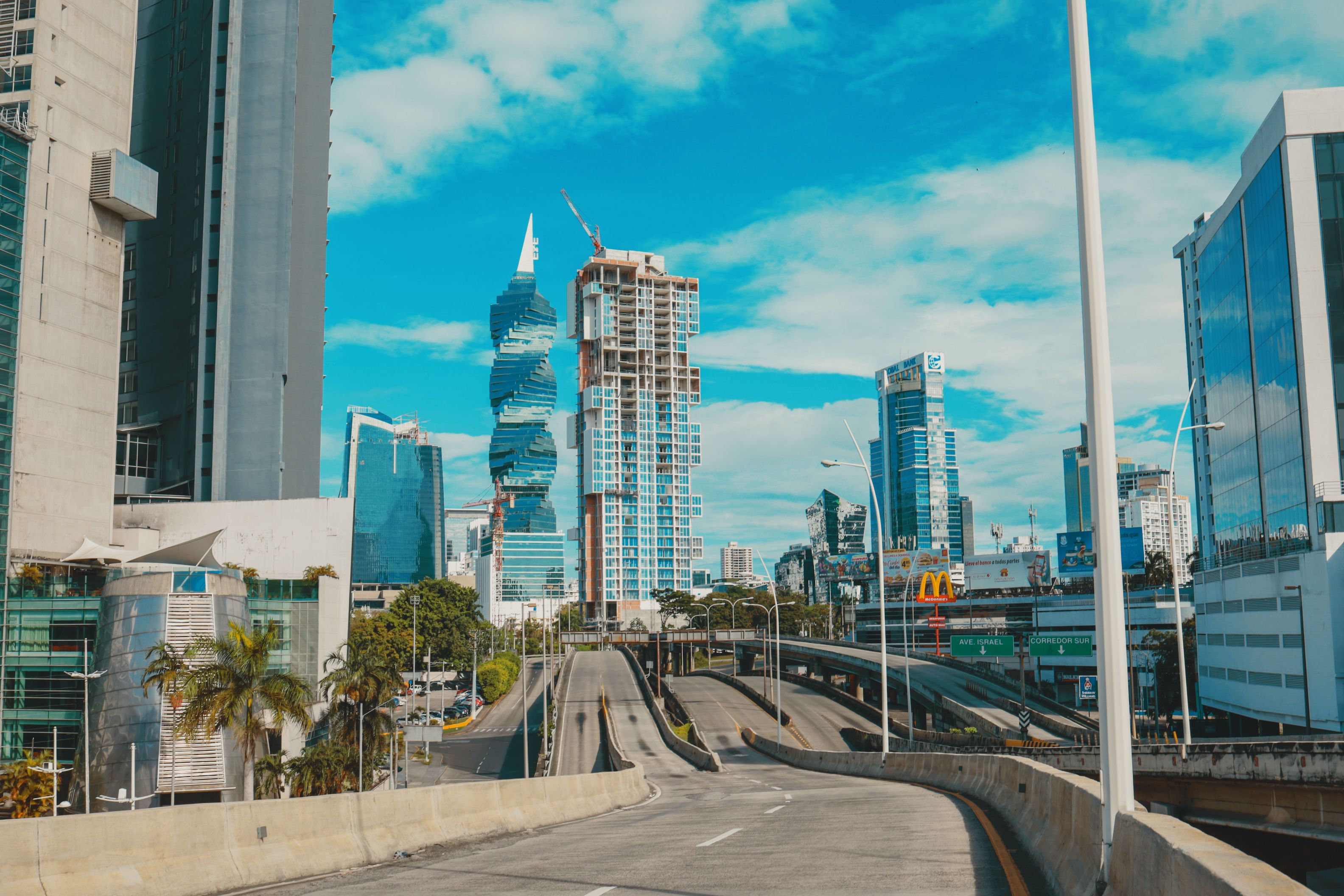
Panama City brings together the historic streets of Casco Antiguo, the Panama Canal, tropical landscapes, and a modern skyline shaped by the country's role as a crossroads between continents. Photo: L 
Panama Related Articles: |
PANAMA -- METROPOLIS -----------------102[ARTICLE] | |||
Panama CityWhere the Canal, History, and Modern Latin America MeetBy Heydi Bernal for Ruta Pantera on 9/27/2026 8:38:52 PM |
||||
|
Panama City is one of Central America's most dynamic destinations, where colonial history, global commerce, tropical nature, and modern architecture come together in a remarkably compact urban area. Located on the Pacific entrance to the Panama Canal, the city offers travelers the opportunity to move between centuries-old plazas, archaeological ruins, rainforest trails, museums, waterfront promenades, and one of the world's most important engineering landmarks. The city is also an important gateway for travel throughout the Americas. Tocumen International Airport connects Panama with destinations across North, Central, and South America, the Caribbean, and Europe, making Panama City a natural stopover as well as a destination in its own right. Casco Antiguo and the Historic City The best place to begin exploring Panama City is Casco Antiguo, the historic district founded in 1673 after the destruction of the original city. Its cobblestone streets, colonial and French-influenced architecture, plazas, churches, museums, restaurants, hotels, galleries, and artisan shops make it one of the city's most walkable areas. The district is recognized as a UNESCO World Heritage Site. Plaza de la Independencia, Plaza de Francia, Plaza Bolívar, and Paseo Esteban Huertas provide different perspectives on the neighborhood's history. The area is particularly enjoyable in the late afternoon, when visitors can combine sightseeing with cafés, restaurants, rooftop terraces, and views across the bay toward the modern city skyline. For travelers interested in Panama's history, the Museo del Canal Interoceánico provides important context about the construction and operation of the canal and its role in the country's development. The museum is open Tuesday through Sunday from 10:00 a.m. to 6:00 p.m. The Panama Canal and Miraflores No visit to Panama City is complete without seeing the Panama Canal. At the Miraflores Visitor Center, travelers can watch ships pass through the locks while learning about the canal's history and engineering through exhibitions and an IMAX presentation. The center is open daily, with ticket sales from 8:00 a.m. to 5:00 p.m. and visitor access until 6:00 p.m. For non-resident visitors, the current adult admission is B/.17.22, while children between six and 12 pay B/.7.22. Children under six enter free. The visit takes approximately 1.5 hours, making it relatively easy to include in a day of sightseeing. The canal is more than a tourist attraction. It remains a fundamental part of Panama's geography, economy, and identity, and seeing the locks in operation gives travelers a better understanding of why this narrow isthmus became one of the most strategically important places in the Western Hemisphere. |
||||

|
Panamá Viejo and the Origins of the City Panamá Viejo offers a very different historical experience. Founded in 1519, it was the original European settlement on the Pacific coast of the Americas and the first permanent European city on the Pacific side of the isthmus. Today, its archaeological remains include the ruins of churches, residences, and other structures from the original settlement. The cathedral tower provides an elevated perspective over the ruins and the modern skyline beyond them. Panamá Viejo is approximately 10 minutes by car or 30 minutes by bus from central Panama City, making it practical to combine with other attractions during a longer stay. Together, Panamá Viejo and Casco Antiguo reveal two different chapters of the city's development: the first colonial settlement and the later fortified city established after its destruction. |
|||
 Add this article to your favorites
[FOR SUBCRIBERS ONLY]
Add this article to your favorites
[FOR SUBCRIBERS ONLY]
Copy this link to send this article to a friend: [FOR SURSCRIBERS ONLY] |
||||

|
Biodiversity in the Middle of the City Panama City's location between two oceans and at the intersection of North and South America gives it an extraordinary natural dimension. The Metropolitan Natural Park provides trails and wildlife experiences within the urban area, while the Amador Causeway extends into the Pacific and connects four islands with the mainland. The Biomuseo, located on the Amador Causeway, explores Panama's biological and cultural importance. Designed by architect Frank Gehry, it explains how the formation of the Isthmus of Panama connected two continents, separated the Pacific and Atlantic environments, and transformed biodiversity around the world. The museum is open Tuesday through Friday from 9:00 a.m. to 3:00 p.m. and Saturday and Sunday from 10:00 a.m. to 3:00 p.m. For non-residents, admission currently starts at B/.20 for adults and B/.12 for children. Food, Culture, and Contemporary Panama Panama City's culinary scene reflects the country's history as a meeting point for Indigenous, African, Caribbean, Spanish, Asian, and other international influences. Travelers can find traditional dishes, seafood, tropical ingredients, specialty coffee, modern interpretations of Panamanian cuisine, and an increasingly diverse restaurant scene. The Mercado de Mariscos is a practical introduction to the city's relationship with the Pacific, while Casco Antiguo and neighborhoods such as San Francisco offer restaurants ranging from traditional establishments to contemporary dining rooms. Panama City was designated a UNESCO Creative City of Gastronomy in 2017, reflecting the importance of food and culinary culture to its tourism identity. For travelers interested in Indigenous culture, excursions from the city can also connect visitors with Emberá communities and other cultural experiences, providing a perspective beyond the colonial and modern faces of the capital. |
|||
| Getting Around and Where to Stay Panama City's neighborhoods are spread across a large metropolitan area, so travelers will generally combine walking with taxis, ride-hailing services, buses, or the Metro depending on the itinerary. Casco Antiguo is best explored on foot, while attractions such as the canal, Panamá Viejo, and Amador require transportation between areas. Tocumen International Airport provides several transportation options, including official taxis, Metro, MetroBus, and rental cars. The airport also provides direct connections to the city's transportation network. Travelers who want historic atmosphere and easy access to restaurants and cultural attractions can stay in or near Casco Antiguo. Modern hotels are concentrated in areas such as El Cangrejo, Obarrio, Punta Pacífica, and the financial district, offering a different experience with high-rise buildings, shopping, restaurants, and business facilities. Panama has a tropical climate, with warm temperatures throughout the year. The rainy season generally brings frequent afternoon showers, while the drier months tend to be more convenient for travelers planning extensive outdoor sightseeing. Even during the rainy season, mornings can provide good conditions for exploring before afternoon weather changes. |
||||
| A City Built Around Connection Panama City is not simply a gateway to the canal. It is a destination where the history of the Americas can be experienced through archaeological ruins, colonial streets, engineering landmarks, tropical ecosystems, Indigenous traditions, and a rapidly evolving contemporary culture. For travelers, its greatest strength is the ability to experience several different dimensions of Panama within a relatively short stay. A morning can begin among colonial buildings in Casco Antiguo, continue at the Panama Canal, move through tropical landscapes, and end with food and views over a modern skyline. Few cities in the region connect history, nature, commerce, and culture so directly. |
||||
| --rutapanter.com-- |
| Instagram: | Email contact: | Interest area: Other |

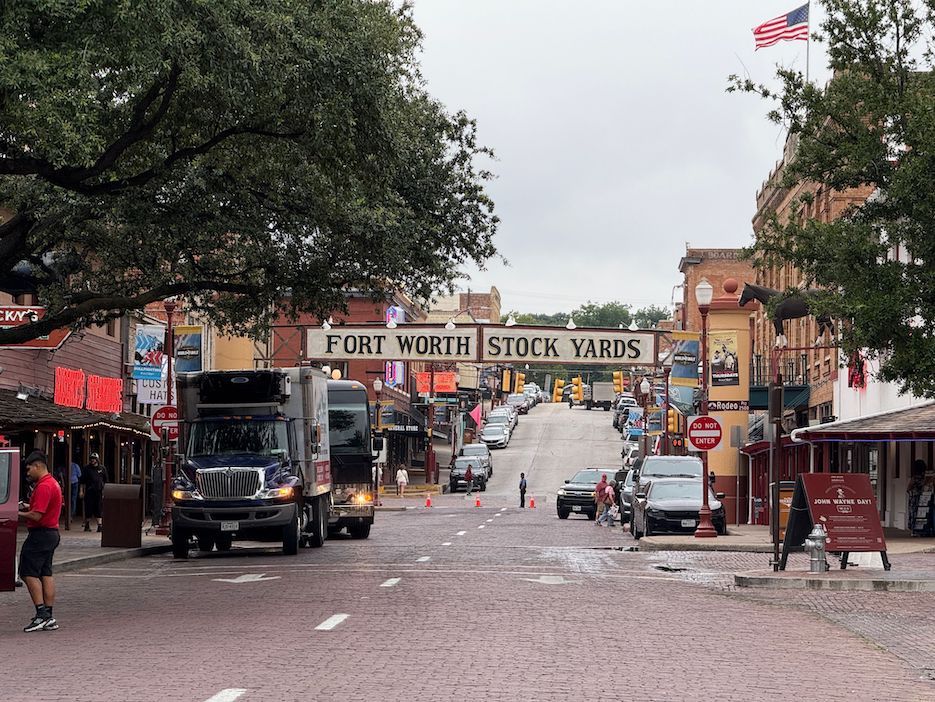
Dallas/Fort Worth, Texas
Dallas/Fort Worth is one of Texas’s major metropolitan areas and an important gateway to the state. Although the two cities are closely connected geographically and e [read more.]
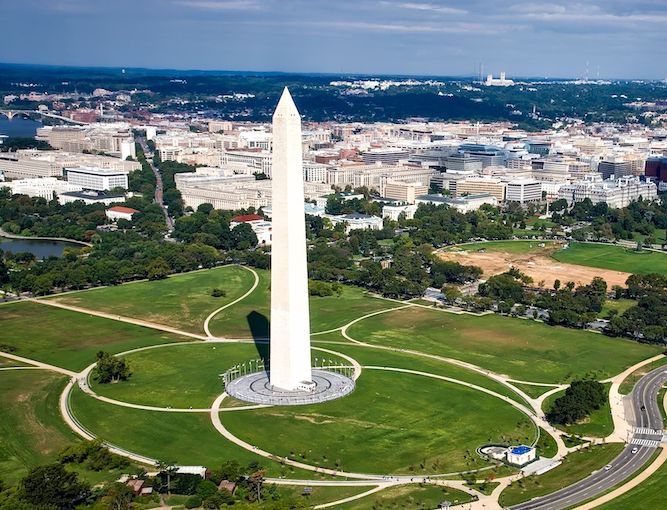
Washington, DC
Washington, DC is the capital of the United States and one of the country’s most distinctive travel destinations. Unlike most major American cities, its identity is s [read more.]
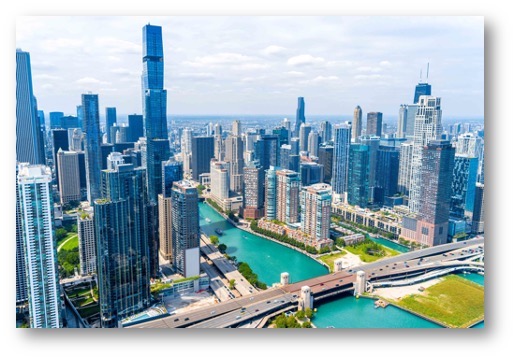
Chicago, Illinois
Chicago is one of the most recognizable cities in the United States, built along the shores of Lake Michigan and known for its architecture, museums, music, food, and e [read more.]
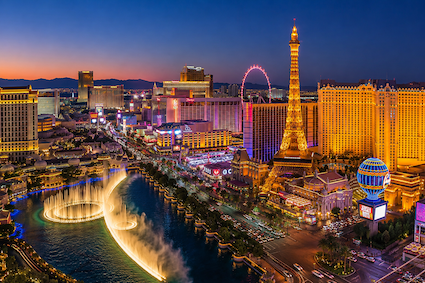
Las Vegas, Nevada, USA
Las Vegas is a city built around spectacle, imagination, and constant reinvention. Rising from the Mojave Desert in southern Nevada, it has transformed from a railroad [read more.]
To see more Waypoints in North America, please become a subscriber here.
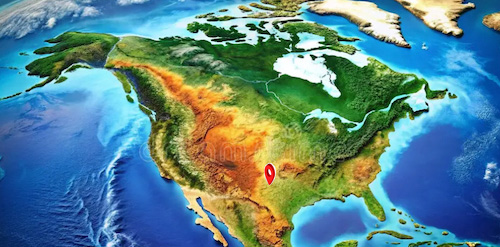
Clickable destinations featuring Reviews & Recommendations.
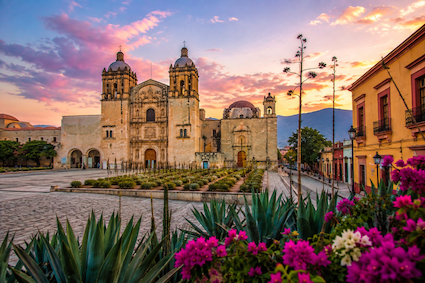
Oaxaca, Mexico
Oaxaca is one of Mexico's most culturally distinctive destinations, where Indigenous traditions, Spanish colonial architecture, contemporary art, and extraordinary ga [read more.]
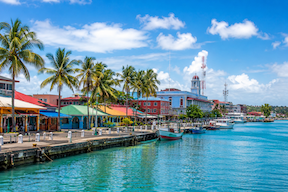
Limón, Costa Rica
Limón is the gateway to Costa Rica's Caribbean coast, a destination where tropical forests, beaches, wildlife, Afro-Caribbean traditions, and the rhythms of the sea [read more.]
Panama City
Panama City is one of Central America's most dynamic destinations, where colonial history, global commerce, tropical nature, and modern architecture come together in [read more.]
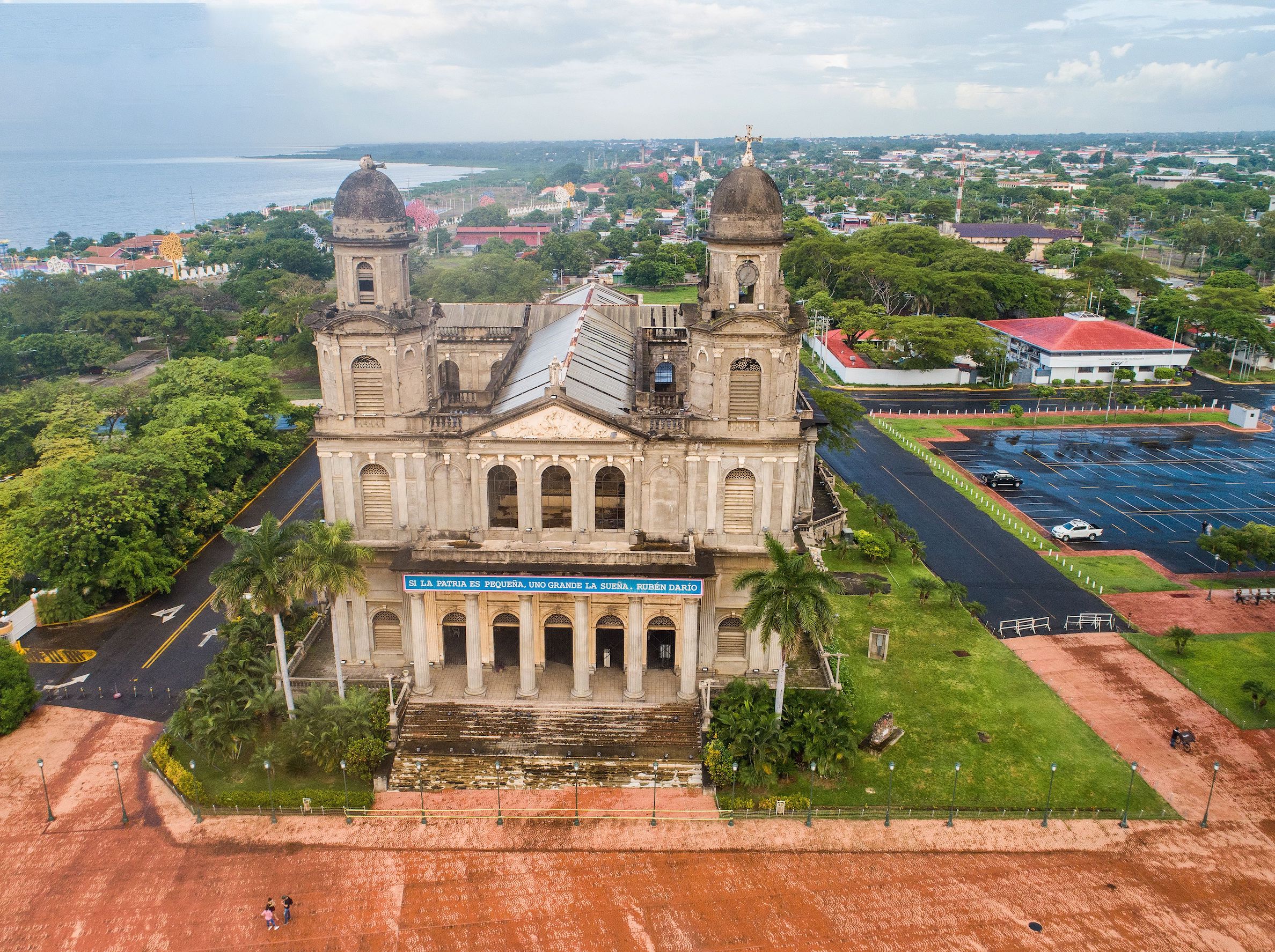
Nicaragua
Nicaragua is a country of volcanoes, lakes, colonial cities, tropical forests, Pacific beaches, and Caribbean islands. Located in the heart of Central America, it offer [read more.]
To see more Waypoints in Central America, please become a subscriber here.
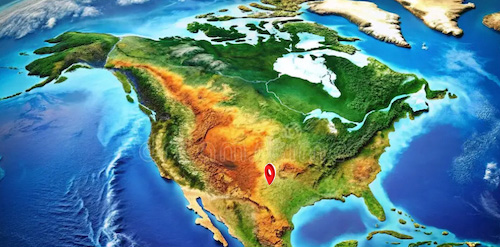
Clickable destinations featuring Reviews & Recommendations.
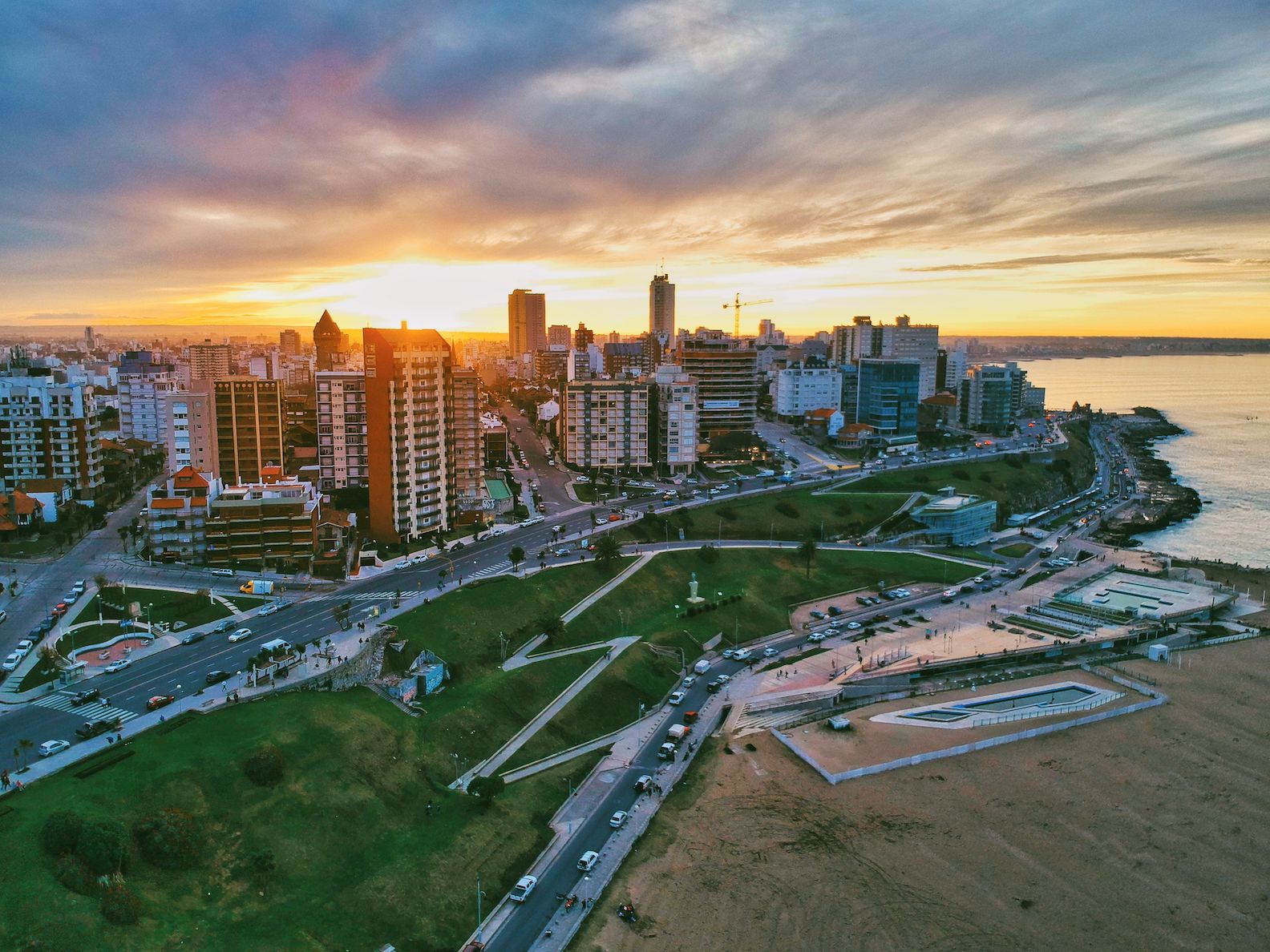
Montevideo, Uruguay
Montevideo is a city that rewards travelers who slow down. Uruguay’s capital stretches along the Río de la Plata, combining historic architecture, long waterfront pr [read more.]
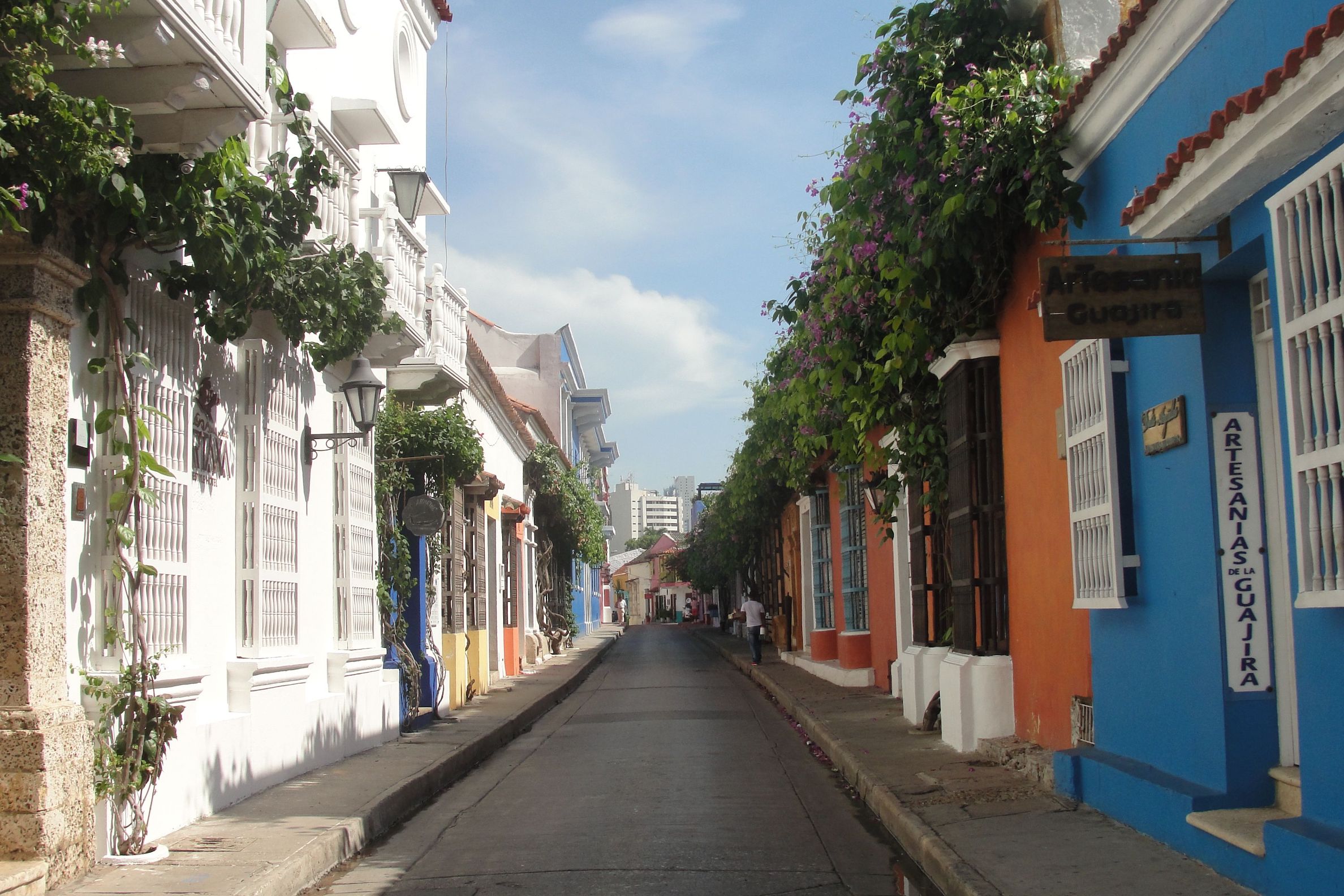
Cartagena, Colombia
Cartagena de Indias is a Caribbean city where centuries of history remain part of everyday life. Stone walls surround a UNESCO-listed historic center, colorful streets [read more.]
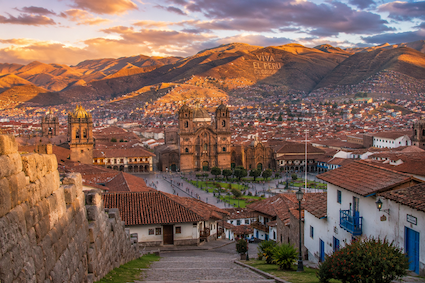
Cusco, Perú
Cusco is a city where the legacy of the Inca Empire remains visible in stone walls, archaeological sites, colonial churches, traditional markets, and the living culture [read more.]
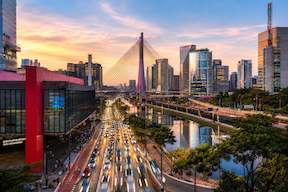
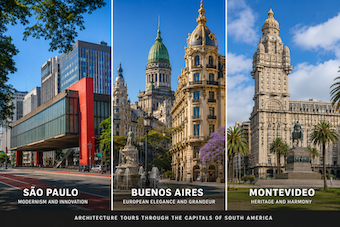
São Paulo, Brazil
São Paulo is a city of immense scale, cultural diversity, and relentless energy. As the largest city in Brazil and one of the largest metropolitan areas in Latin Ameri [read more.]
To see more Waypoints in South America, please become a subscriber here.
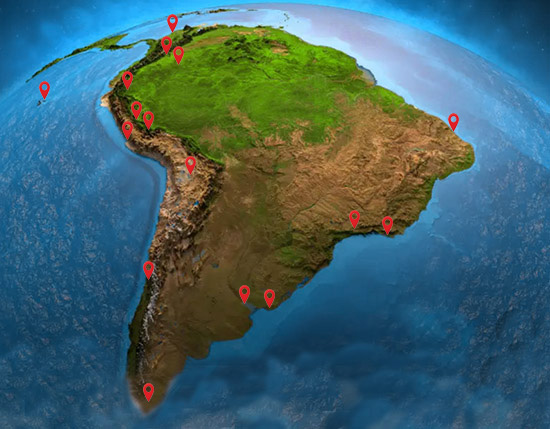
Clickable destinations featuring Reviews & Recommendations.
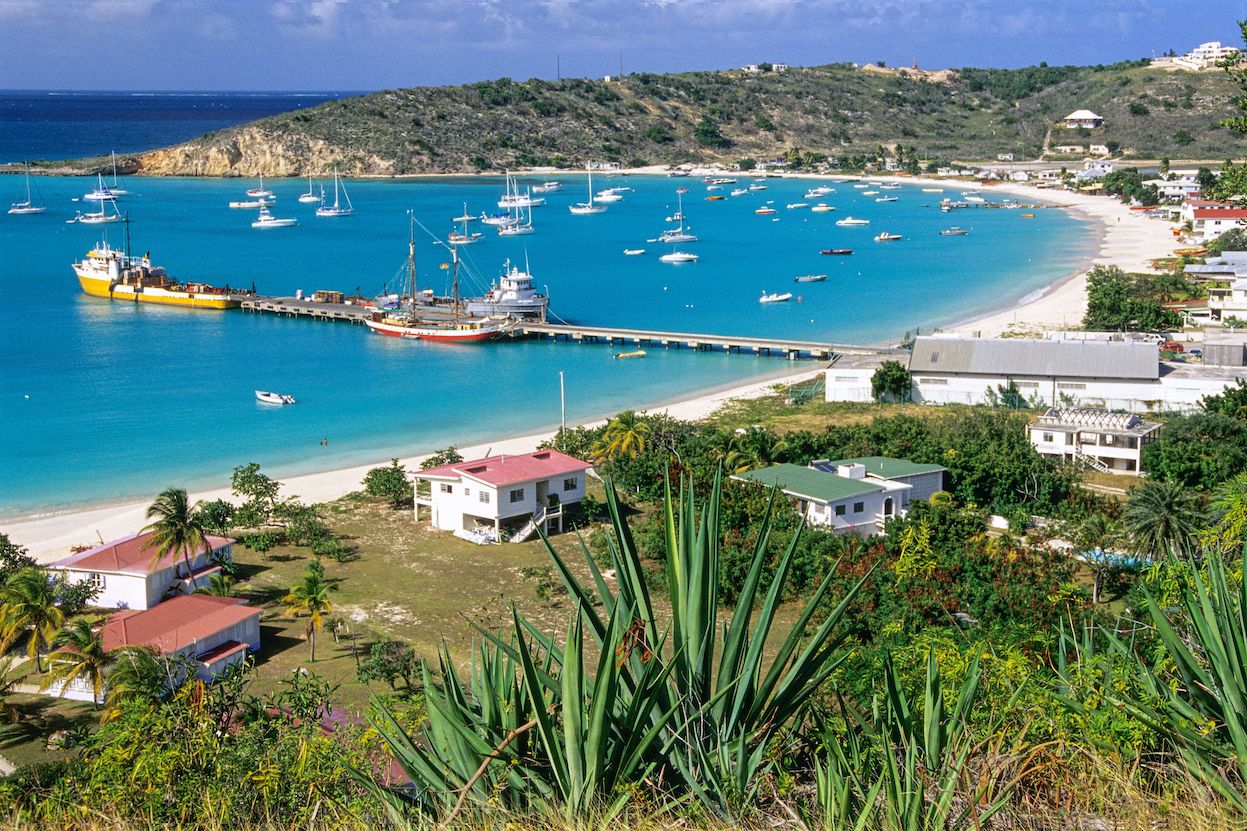
Anguilla
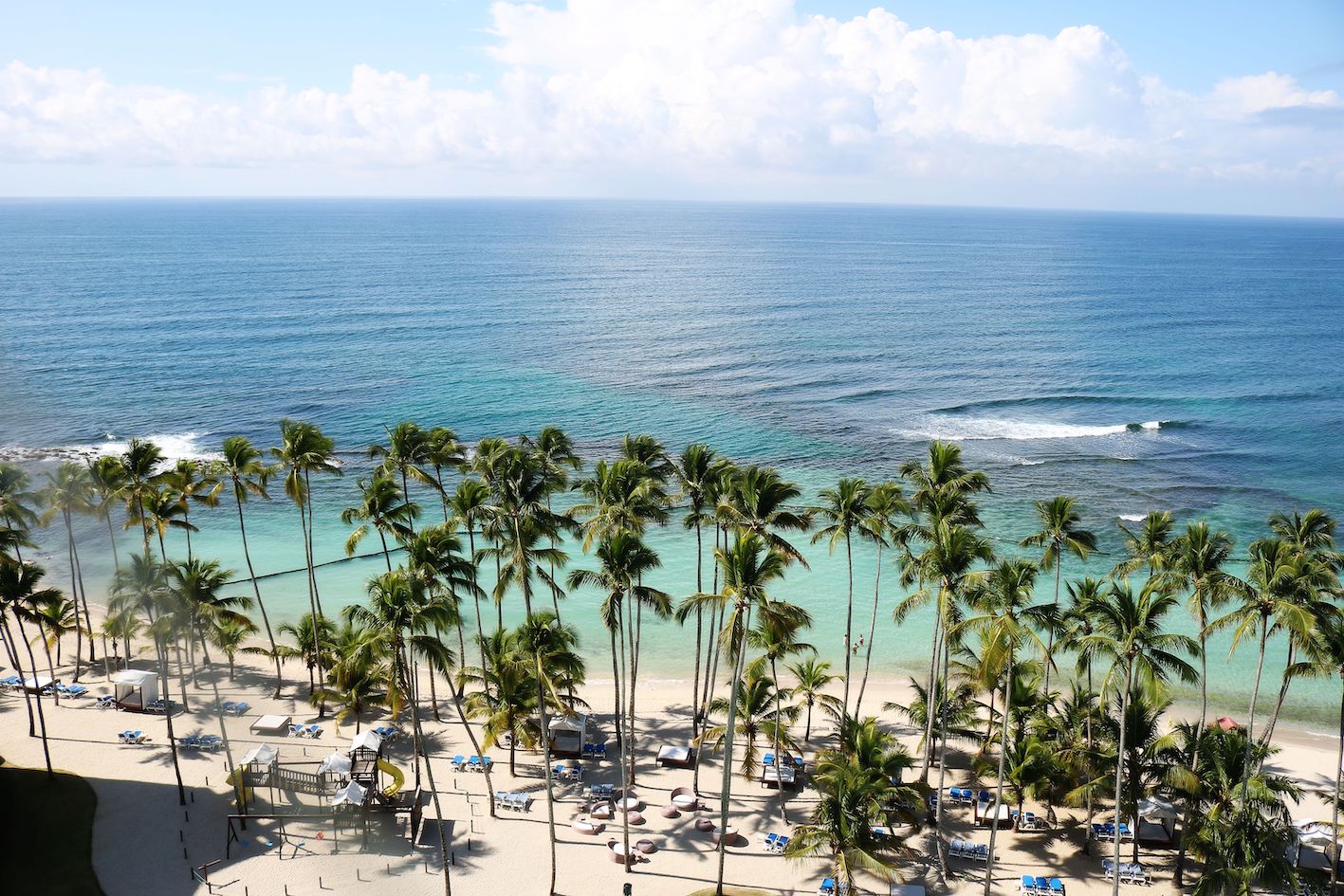
Jamaica
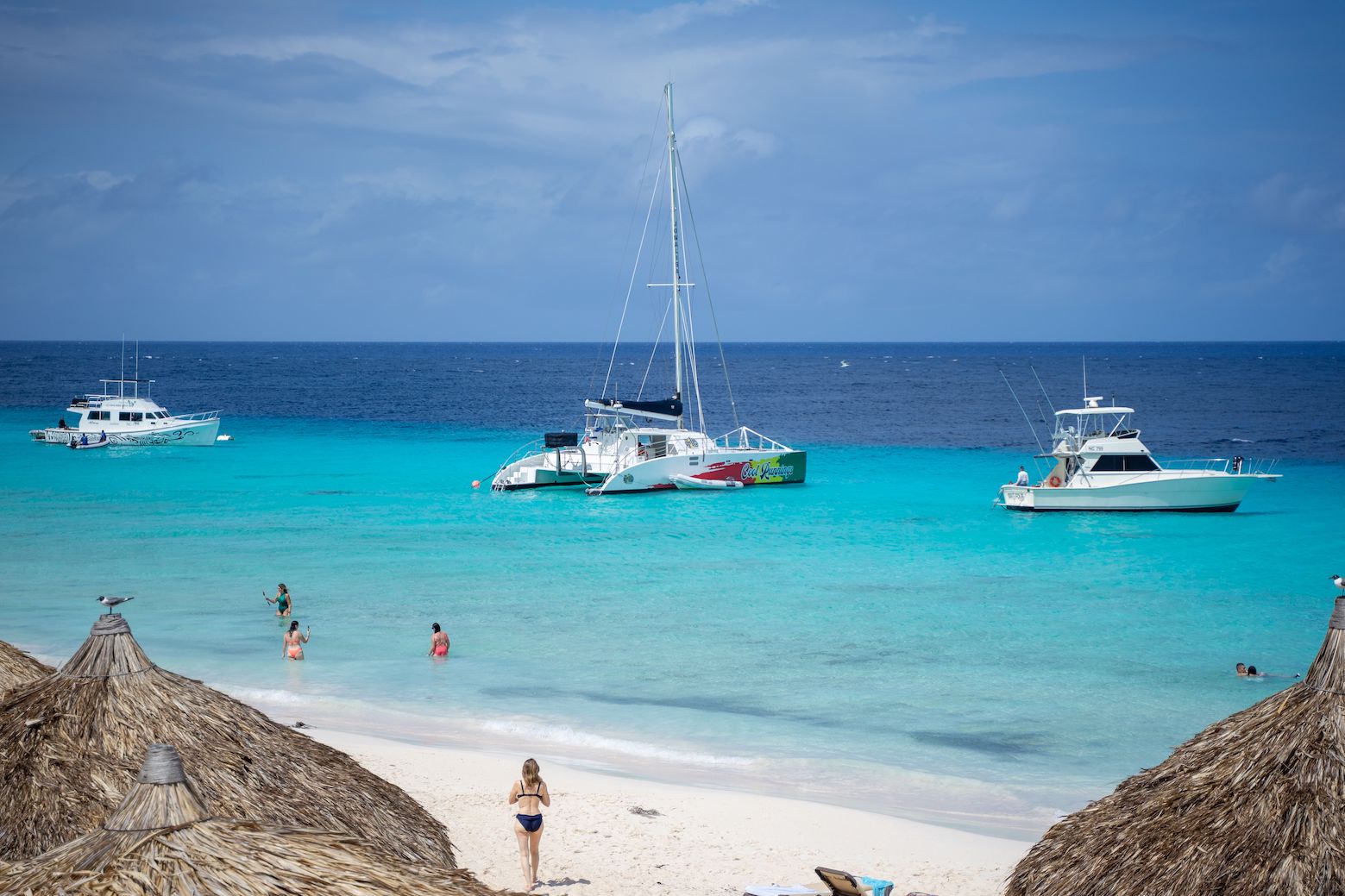
Aruba
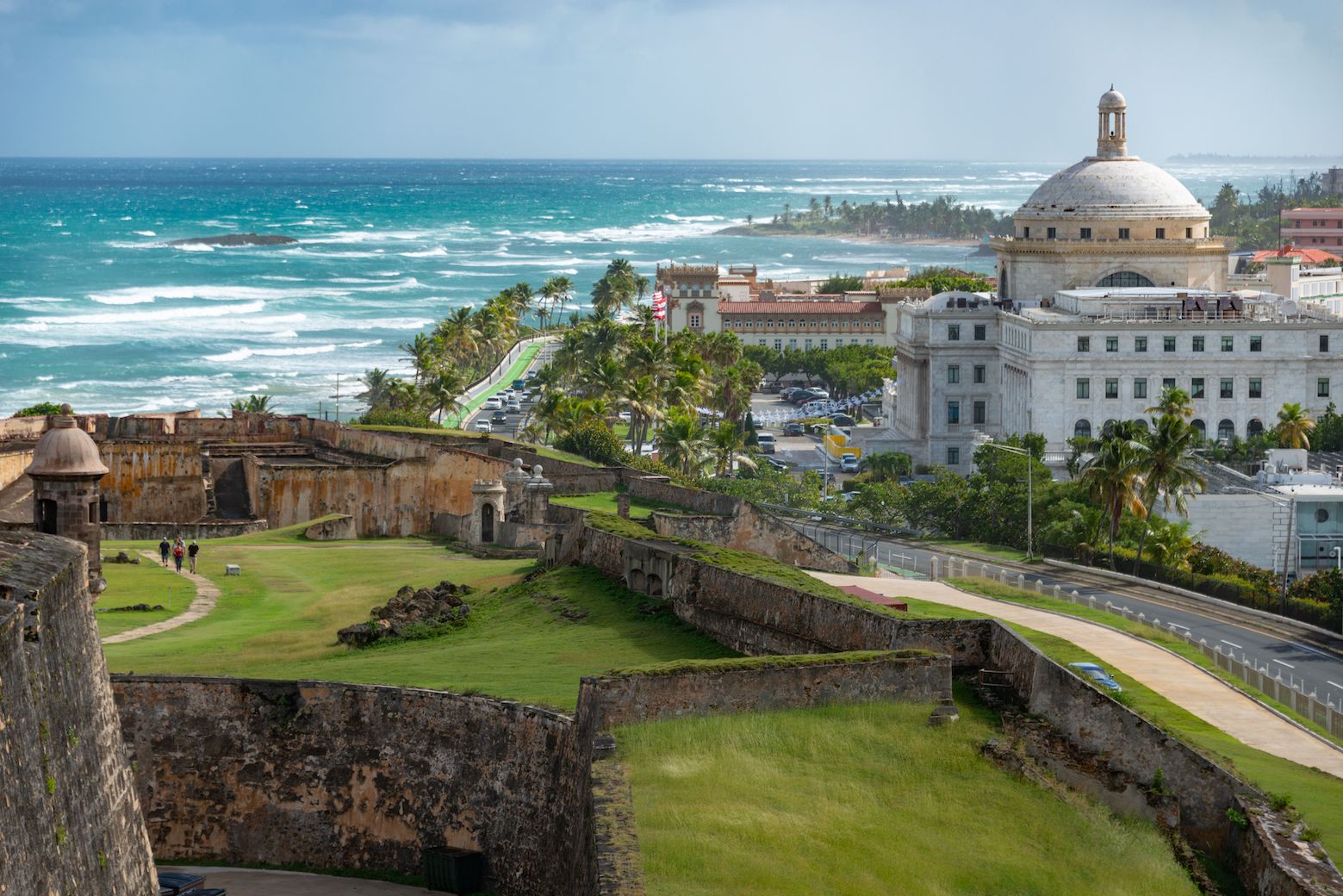
Puerto Rico
To see more Waypoints in The Caribbean, please become a subscriber here.
|
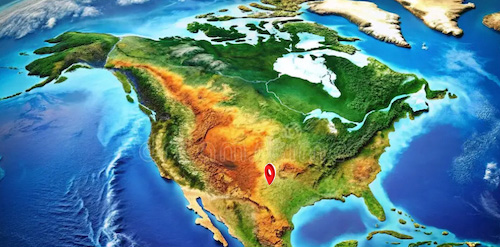
Waypoint Finder (Over 1,000 destinations in PanAmerica) |
|---|

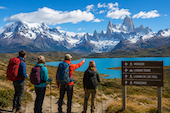

Nature
Tours that connect us with nature.
Explore the Tambopata Amazon Reserve
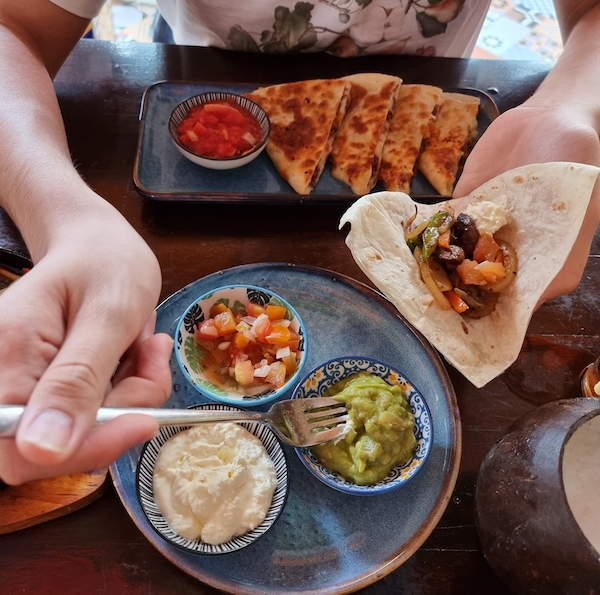
Food & Culture
What's coming up of interest to tourism specialists in Pan America.
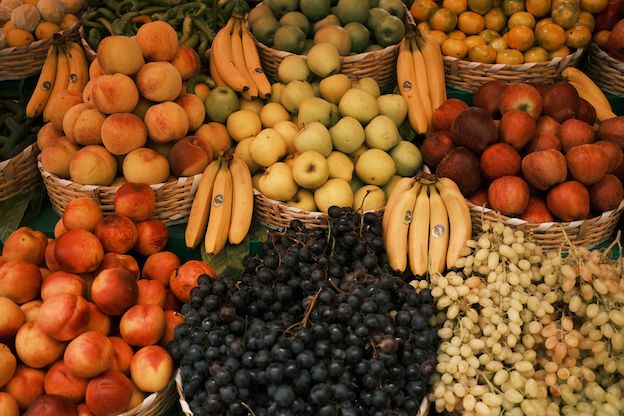
Real City Tours – Exotic Fruits Tour in Medellín, Colombia
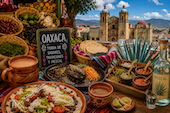
Oaxaca Food & Culture Tour – A Culinary Journey Through Mexico’s Indigenous Flavors
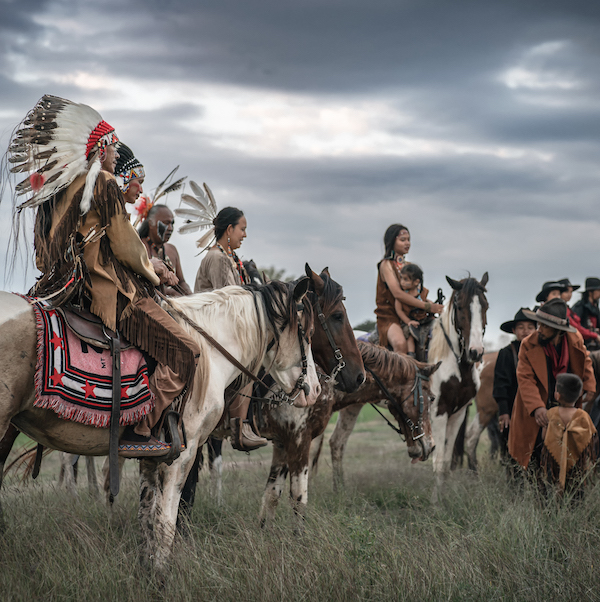
Indigenous Tours
Fashion, romance and wellness for travelers seeking confidence and style.
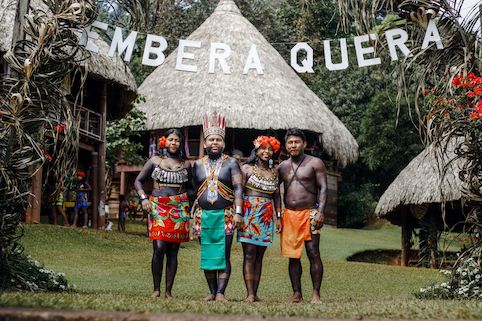
Experience the Emberá of the Darién – On the Only Expedition Operated by An Indigenous Community
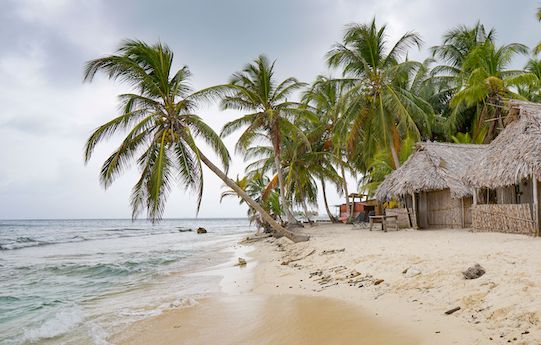
Indigenous Cultural Tour Guna Yala – Discover the Exotic San Blas Islands
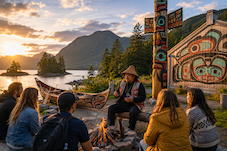
Indigenous Canada Tour – Explore First Nations, Inuit And Métis Cultures
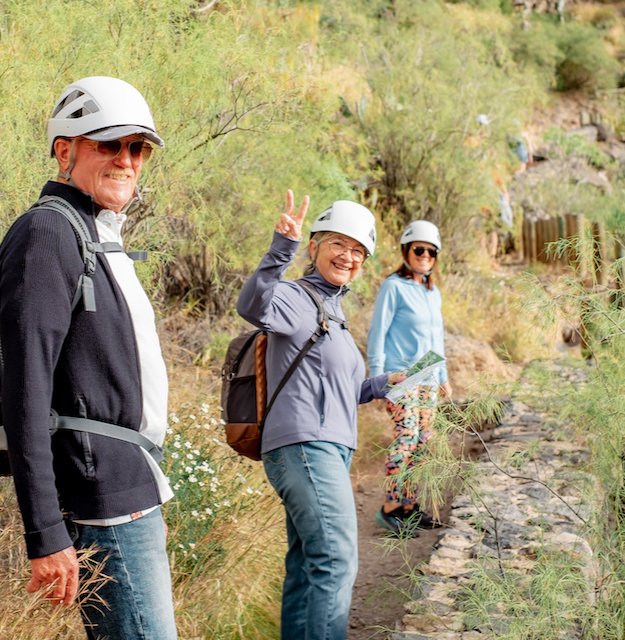
Outdoor Sports
Fashion, romance and wellness for travelers seeking confidence and style.
North Patagonia Ice Field Expedition Tour In Chile