|
Pan American Experiences
|
------- |

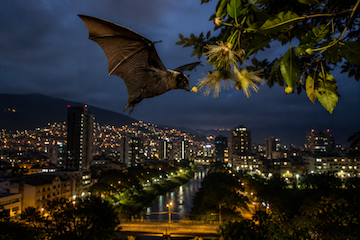
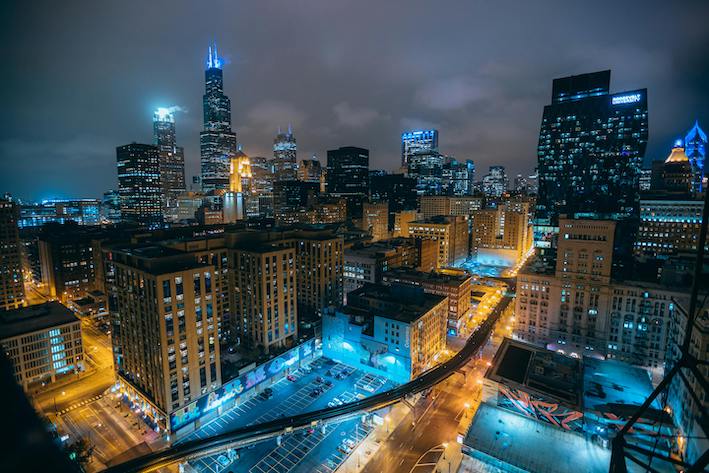
As night falls over the city, bats move silently above rivers, rooftops, and streetlights — pollinating the urban landscape long after most people stop looking at the sky.
|
HEMISPHERE ------------------------------------------1063[TRAVEL+NATURE] | |||
Night Bats: The Pollinators Nobody Talks About in Latin American CitiesThe First Sign Usually Appears Above The Streetlights.By Marbel Montoya for Ruta Pantera on 10/6/2026 11:40:27 AM |
||||
| A fast shadow cuts between the cables for less than a second before disappearing again into the dark. Most people walking below never notice it. Traffic continues moving. Music spills from open storefronts. Someone closes a metal gate somewhere down the block. And overhead, bats continue crossing the city with the precision of animals that know every corridor of night air by memory. In much of Latin America, bats live closer to people than most residents realize. They sleep beneath bridges in Bogotá, inside abandoned buildings in Mexico City, under tiled roofs in San José, and among palm trees rising over avenues in Lima. Entire colonies navigate nightly above markets, rivers, bus terminals, apartment blocks, and public parks while millions of people remain almost entirely unaware of them. Part of the invisibility comes from timing. Latin American cities often change character after sunset. Temperatures cool. Streets empty slightly. Humidity settles differently over concrete and trees. And in certain neighborhoods, another ecosystem begins waking up overhead. Near the wetlands of western Bogotá, for example, bats appear shortly after dusk above corridors where native vegetation survived urban expansion. Insects gather near water channels and streetlights while small groups of bats begin circling silently above the reeds. Most residents nearby recognize the movement without necessarily thinking much about it. They know the shapes crossing the sky belong to bats. What many do not realize is that some of those animals are pollinators. Not all bats feed the same way. Some hunt insects. Others consume fruit. And across Latin America, several species play a critical role in pollinating night-blooming plants that remain deeply connected to both rural and urban ecosystems. In parts of Mexico City, biologists monitoring green corridors near the southern districts have documented nectar-feeding bats visiting agaves and flowering cacti after dark. The relationship is ancient. Long before tequila or mezcal became global industries, bats were already moving pollen between agave plants across Mexico’s dry landscapes through nighttime feeding routes invisible to humans. The city expanded around those ecological patterns rather than replacing them entirely. And traces of those routes still remain. In tropical cities, bats often follow rivers. In Medellín, researchers studying urban biodiversity have observed bat activity increasing near tree-lined quebradas and older parks where native flowering species still attract insects and fruit at night. Some species move surprisingly comfortably through dense urban environments, using rows of trees almost like aerial highways between feeding areas. From below, the movement looks chaotic. In reality, it is highly organized. A bat crossing above traffic is not wandering randomly through the city. It is usually following remembered routes connected to flowering trees, fruiting plants, water sources, or roosting spaces hidden somewhere inside the urban landscape. |
||||
|
The architecture matters too. Older neighborhoods often support more bat activity than newer glass towers because tiled roofs, cracks in concrete, church bell towers, and abandoned structures create spaces where colonies can rest during daylight hours. In several historic districts across Latin America, bats have adapted so closely to the built environment that entire populations now depend on buildings rather than forests for shelter. And yet people rarely speak about them with much attention. Birds receive admiration. Urban monkeys become headlines. Even capybaras wandering through neighborhoods attract fascination online. Bats remain mostly associated with fear, disease, or superstition. Partly because they are heard more often than seen. In cities with large tropical trees, the sound arrives first: rapid clicks, wings shifting briefly above leaves, fruit falling softly onto sidewalks overnight. Sometimes the evidence appears only in the morning beneath mango trees or flowering ceibas scattered through public parks. The night shift of the ecosystem has already passed through. In places like São Paulo and Quito, urban ecologists increasingly describe bats as indicators of how connected a city remains to surrounding ecosystems. Areas with surviving wetlands, native vegetation, and river corridors tend to support greater biodiversity not only for bats, but also for insects, birds, and pollinating species moving through fragmented urban landscapes. The relationship becomes especially visible during flowering seasons. Certain trees bloom at night specifically for nocturnal pollinators. Their flowers open pale and fragrant after sunset, releasing strong scents into warm evening air. While daytime traffic continues below, bats arrive silently to feed, carrying pollen across neighborhoods without anyone noticing. An invisible layer of ecological activity unfolding above the city. And perhaps that is what makes urban bats so fascinating. They reveal that Latin American cities are not entirely separate from the ecosystems surrounding them. Rivers still shape movement. Native plants still attract wildlife. Night still belongs partly to animals navigating older routes through newer streets. Even in cities dominated by concrete, glass, traffic, and electric light, the sky after dark continues filling with wings. |
||||
 Add this article to your favorites
[FOR MEMBERS ONLY]
Add this article to your favorites
[FOR MEMBERS ONLY]
Copy this link to send this article to a friend: [FOR MEMBERS ONLY] |
||||
|
|
||||
|---|---|---|---|---|
| |
|
|
|
|
×
|
||||
Please leave a comment about this article: 1063 |
|
| Enter your email address: |
Your email will not be displayed. |
| Your nickname: | |
| Your comment: | |
| Was this article helpful to you? | |
|
|
|
Articles about exciting travel experiences in our hemisphere.


Cape Froward, Chile

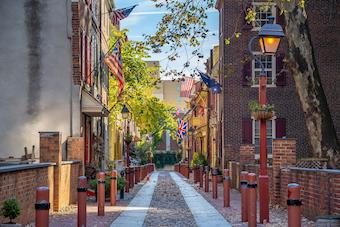


Welcome to the World’s Largest New Year’s Celebration
For those traveling from North, Central, or South America, New Year's Eve in Rio offers a rich narrative about how a city can transform a universal holiday into a unique celebration, rooted in local traditions and open to the world.















|
Experiences Finder
(Search our catalog of Experiences here.) |
|---|