|
Pan American Experiences
|
------- |

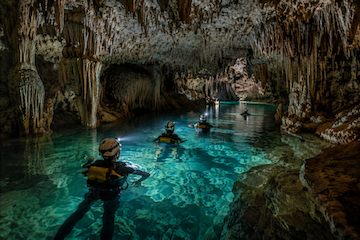
Yucatán’s cenotes provide access to an extensive underground water system that sustains the peninsula’s ecosystems and communities.
Traditional Mayan Healing & Spa Tulum, Mexico
Beneath the Limestone: Exploring the Underground Rivers of Yucatán |
MEXICO ------------------------------------------1037[TRAVEL+NATURE] | |||
Beneath the Limestone: Exploring the Underground Rivers of YucatánBeneath the Yucatán Peninsula, Caves and Cenotes Connect Geology, Biodiversity, and Maya HistoryBy Marbel Montoya for Ruta Pantera on 10/28/2026 7:52:13 AM |
||||
| The Yucatán Peninsula in southeastern Mexico contains a landscape that cannot be fully understood from the surface. Beneath its tropical forests, cities, and ancient archaeological sites lies an extensive network of freshwater-filled cavities formed over millions of years as water dissolved the underlying limestone. This underground system is one of the region’s most important geological features and a fundamental part of its natural and cultural heritage.
Cenotes, natural openings that provide access to groundwater, are the most visible expressions of this hidden world. Some resemble open-air pools surrounded by vegetation, while others lie inside caves where sunlight filters through narrow openings. Many cenotes, however, are part of interconnected cave networks that extend for miles beneath the ground. A Landscape Shaped by Water Geology explains why the Yucatán Peninsula has relatively few surface rivers compared with other regions of Mexico. Much of the peninsula consists of porous limestone, a rock that rainwater can gradually dissolve. As water seeps underground, it travels through cracks and channels that can eventually develop into large caverns and flooded passages. This process, known as karstification, also creates depressions and ground collapses that expose the water table. Many cenotes form in this way, revealing points where groundwater connects with the surface. The region contains cave systems of extraordinary size. Near Tulum, for example, Sac Actun and other underwater cave networks have been explored and mapped by specialist teams. Their passages reveal an underground geography far more extensive than the openings visible from the forest suggest. Exploration continues, so existing maps represent an evolving body of knowledge rather than a complete inventory. Water and Maya Culture Long before cenotes became tourist attractions, they were essential sources of water for Maya communities. Across much of the peninsula, the lack of large surface waterways made these natural reservoirs crucial to human settlement and everyday life. Their significance was also spiritual. In Maya traditions, caves and certain bodies of water were associated with deities, ancestors, fertility, and the underworld. Some cenotes served as ceremonial sites where offerings were deposited. Archaeological research has documented pottery and other ritual objects at specific locations, although practices differed according to place and period. The association between caves and Xibalba, the underworld described in Maya tradition, forms part of a complex spiritual worldview. Maya beliefs were not identical across all communities, however, nor did they remain unchanged over the centuries. Understanding each site requires attention to its archaeological and historical context. An Ecosystem Adapted to Darkness Flooded caves provide conditions very different from those found in the tropical forests above them. The absence of light in deeper sections limits photosynthesis, while nutrient availability depends largely on organic matter entering from the surface and connections with other environments. These systems support fish, crustaceans, and other organisms adapted to low-light conditions or permanent darkness. Some cave-dwelling species have developed distinctive characteristics, including reduced vision or greater reliance on other senses. Wildlife varies according to water quality, depth, connections between cavities, and the characteristics of each cave system. Bats and other animals that use cave entrances also help connect surface and underground environments. The movement of organic matter and nutrients demonstrates that these habitats do not function in isolation: changes in the forest can affect the life sustained beneath the limestone. |
||||
|
Exploring Cenotes Responsibly
Valladolid, in Yucatán state, and Tulum, in neighboring Quintana Roo, are useful starting points for visiting different cenotes and cave systems. Options include open-air sinkholes, caverns with natural lighting, and guided excursions organized by local operators. Experiences vary by location: some cenotes allow swimming in designated areas, while exploring flooded passages requires specialized training and equipment. Not all cenotes are connected by routes accessible to visitors, and the existence of an underground river does not mean it can be safely explored. Cave diving requires specific certification, careful planning, and an understanding of the risks involved in an environment where losing orientation or being unable to find an exit can have serious consequences. Conventional visitors should choose authorized facilities and follow the instructions of responsible guides. Visits should also minimize environmental impact. Products applied to the skin, discarded waste, and physical disturbance can affect vulnerable water bodies. Following site regulations, avoiding contact with mineral formations, and leaving natural and archaeological materials undisturbed help protect these environments. An Aquifer Under Pressure The importance of underground rivers extends far beyond their appeal to visitors. Groundwater supplies numerous communities and supports economic activity throughout the peninsula. Because limestone allows water to infiltrate rapidly, certain contaminants can reach the aquifer relatively easily, particularly where wastewater treatment systems are inadequate. Urban expansion, tourism infrastructure, waste, and agricultural activities all create challenges for water quality. Contamination can travel through underground channels and affect places far from its original source. Protecting a cenote therefore involves more than keeping its entrance clean; it also requires responsible land management and proper wastewater treatment throughout the surrounding area. Scientific research, water-quality monitoring, and cooperation among communities, authorities, tourism operators, and environmental organizations are essential to understanding these systems and reducing risks. Protecting them means recognizing that visible cenotes are only one part of a much larger aquifer. A Landscape That Continues Beneath Our Feet Yucatán’s underground rivers reveal how geology shapes water availability, how ecosystems adapt to demanding environments, and how a civilization developed ways of life connected to a distinctive landscape. Their value lies not only in the beauty of their caves but also in the environmental and cultural functions they continue to support. Each cenote offers a window into this hidden geography. Exploring these places responsibly provides a deeper understanding of one of the peninsula’s most distinctive features and highlights why their conservation depends on what happens underground as well as on the decisions made at the surface. |
||||
 Add this article to your favorites
[FOR MEMBERS ONLY]
Add this article to your favorites
[FOR MEMBERS ONLY]
Copy this link to send this article to a friend: [FOR MEMBERS ONLY] |
||||
|
|
||||
|---|---|---|---|---|
| |
|
|
|
|
×
|
||||
|
References: National Geographic Society. Karst. https://education.nationalgeographic.org/resource/karst/ UNESCO World Heritage Centre. Pre-Hispanic Town of Uxmal. https://whc.unesco.org/en/list/791/ UNESCO World Heritage Centre. Sian Ka’an. https://whc.unesco.org/en/list/410/ |
||||
Please leave a comment about this article: 1037 |
|
| Enter your email address: |
Your email will not be displayed. |
| Your nickname: | |
| Your comment: | |
| Was this article helpful to you? | |
|
|
|
Articles about exciting travel experiences in our hemisphere.
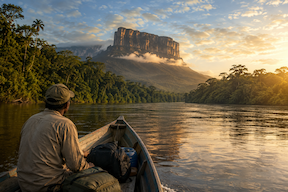
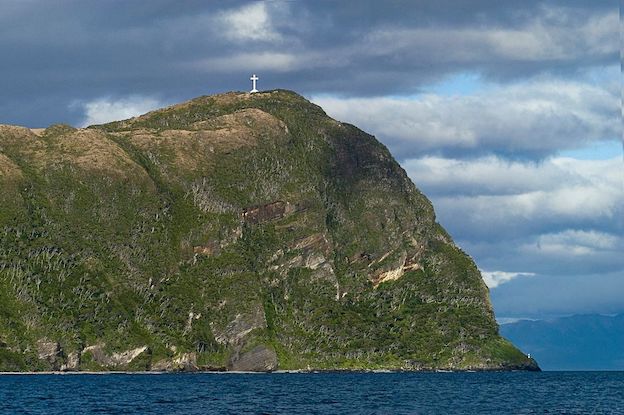
Cape Froward, Chile
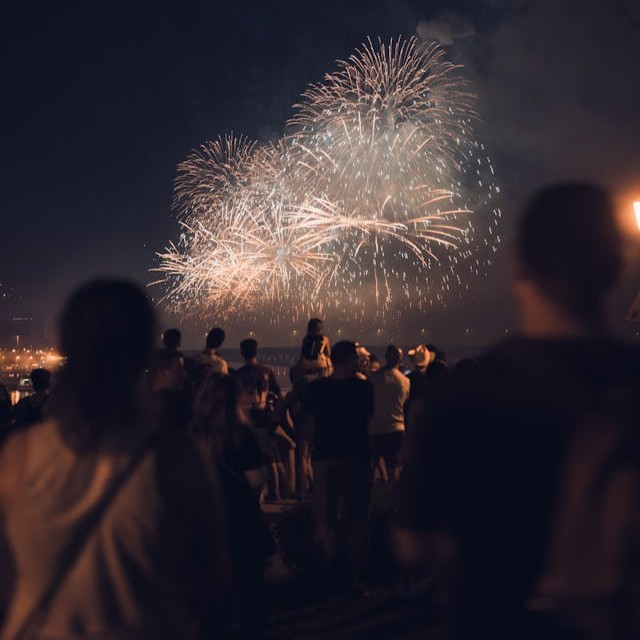

Welcome to the World’s Largest New Year’s Celebration
For those traveling from North, Central, or South America, New Year's Eve in Rio offers a rich narrative about how a city can transform a universal holiday into a unique celebration, rooted in local traditions and open to the world.






|
Experiences Finder
(Search our catalog of Experiences here.) |
|---|