|
So Many Places To Visit!
|
----------- |

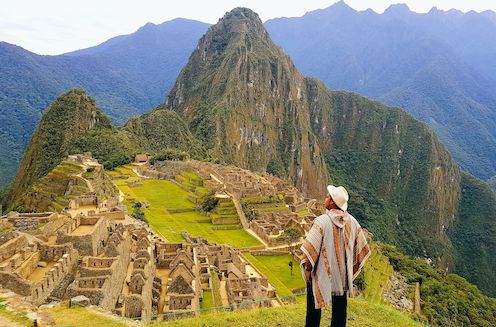
Machu Picchu rises above the cloud forests of the Peruvian Andes, where ancient Inca engineering and breathtaking mountain landscapes combine to create one of the world***s most iconic archaeological de 
Peru |
PERU -- SACRED PLACE -----------------613[ARTICLE] | |||
Machu Picchu, Cusco, PeruThe Lost Inca City Where Ancient Engineering Meets the Clouds of the AndesBy Heydi Bernal for Ruta Pantera on 8/6/2026 4:17:05 AM |
||||
|
If there is one destination that embodies the grandeur of the ancient civilizations of the Americas, it is Machu Picchu. Perched high in the Peruvian Andes between mist-covered mountains and the winding Urubamba River, this Inca citadel is widely regarded as one of the greatest achievements of pre-Columbian engineering and architecture. Declared a UNESCO World Heritage Site in 1983 and named one of the New Seven Wonders of the World in 2007, Machu Picchu attracts hundreds of thousands of visitors each year who come to experience one of the world's most extraordinary archaeological treasures. Its remarkable blend of history, breathtaking scenery, and enduring mystery has made it one of South America's most iconic travel destinations. An Architectural Masterpiece Built Above the Clouds Machu Picchu was constructed during the mid-15th century, most likely under the reign of the Inca emperor Pachacuti, who transformed the Inca Empire into the largest civilization in pre-Columbian South America. Situated approximately 2,430 meters (7,970 feet) above sea level, the citadel remained largely unknown outside the region until American explorer Hiram Bingham introduced it to the international community in 1911, although local families had long been familiar with its existence. |
||||

|
The archaeological sanctuary protects nearly 32,600 hectares (80,500 acres) of rugged Andean mountains, cloud forests, and remarkable Inca ruins. The city's temples, terraces, stairways, and residences were constructed using precisely cut granite blocks fitted together without mortar, an engineering technique that has allowed many structures to withstand centuries of earthquakes and harsh mountain weather. Among its most celebrated landmarks are the Temple of the Sun, the Temple of the Three Windows, the Sacred Plaza, the Intihuatana Stone—believed to have served as a ceremonial astronomical monument—the Royal Residence, extensive agricultural terraces, and an advanced hydraulic system that continues to impress engineers and archaeologists alike. Every structure reflects the Incas' sophisticated understanding of astronomy, architecture, agriculture, and environmental adaptation. |
|||

|
A Journey Through History, Nature, and Living Culture For many travelers, visiting Machu Picchu begins long before reaching the citadel itself. Thousands choose to hike the legendary Inca Trail, a multi-day trek that follows original stone pathways through cloud forests, mountain passes, and lesser-known archaeological sites before arriving at the Sun Gate overlooking Machu Picchu. Others travel by scenic rail from Cusco or Ollantaytambo to the town of Aguas Calientes, followed by a short shuttle ride up the mountain. The dry season, from May through September, offers sunny skies and daytime temperatures typically ranging between 17°C and 24°C (63°F–75°F), making it the most popular time to visit. During the rainy season, from November through March, frequent showers transform the surrounding mountains into vibrant shades of green while creating dramatic cloud-covered landscapes. Admission to Machu Picchu is carefully managed through timed entry circuits designed to preserve the archaeological site and improve the visitor experience. Entrance fees generally range from approximately USD 40 to USD 60 for international visitors, depending on the selected circuit and whether access includes Huayna Picchu or Machu Picchu Mountain. Because daily visitor capacity is limited, tickets should be purchased several weeks—or even months—in advance during peak travel periods. The Historic Sanctuary is also one of Peru's richest protected ecosystems, home to more than 400 bird species, spectacled bears, Andean foxes, deer, and an extraordinary variety of orchids, bromeliads, and cloud forest vegetation that thrive along the eastern slopes of the Andes. The nearby town of Aguas Calientes offers an excellent selection of Peruvian restaurants serving regional specialties such as lomo saltado, fresh trout, ají de gallina, ceviche, and causa. Dining typically costs between USD 12 and USD 35 per person, while upscale restaurants provide more refined culinary experiences featuring locally sourced ingredients. Accommodation ranges from budget hostels starting around USD 40 per night to comfortable mid-range hotels between USD 90 and USD 180, while luxury properties overlooking the surrounding mountains can exceed USD 400 per night depending on the season. |
|||
| Getting There and What to Expect Most international travelers arrive via Alejandro Velasco Astete International Airport (CUZ) in Cusco before continuing by road to Ollantaytambo or Poroy to board one of Peru's famous scenic trains to Aguas Calientes. From there, shuttle buses reach the entrance to Machu Picchu in approximately 25 minutes while climbing through the lush mountainsides of the sanctuary. Most visitors spend one or two days exploring the archaeological complex, although many extend their journey to discover other highlights of the Sacred Valley, including Ollantaytambo, Pisac, Chinchero, the Maras Salt Mines, Moray, and the historic city of Cusco, once the capital of the Inca Empire and today one of South America's most fascinating cultural destinations. |
||||
| Machu Picchu is far more than an archaeological site—it is a remarkable testament to one of the greatest civilizations ever to flourish in the Americas. Suspended between towering peaks, surrounded by cloud forests, and built with extraordinary precision, the ancient citadel continues to inspire travelers from around the world while preserving the enduring legacy of the Inca people. |
||||
| --rutapanter.com-- | ||
|
References: UNESCO. (n.d.). Historic Sanctuary of Machu Picchu. https://whc.unesco.org/ Peru Travel (PROMPERÚ). (n.d.). Machu Picchu. https://www.peru.travel/ Ministry of Culture of Peru. (n.d.). Machu Picchu Visitor Information. https://www.gob.pe/cultura SERNANP. (n.d.). Historic Sanctuary of Machu Picchu. https://www.sernanp.gob.pe/ |
| Instagram: | Email contact: | Interest area: |

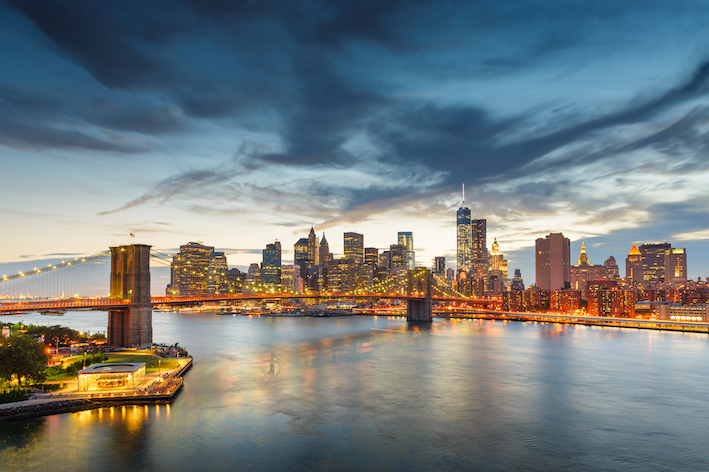
New York City, New York, United States
If there is one city that symbolizes the energy, ambition, and diversity of the modern world, it is New York City. Home to more than eight million people representing h [read more.]
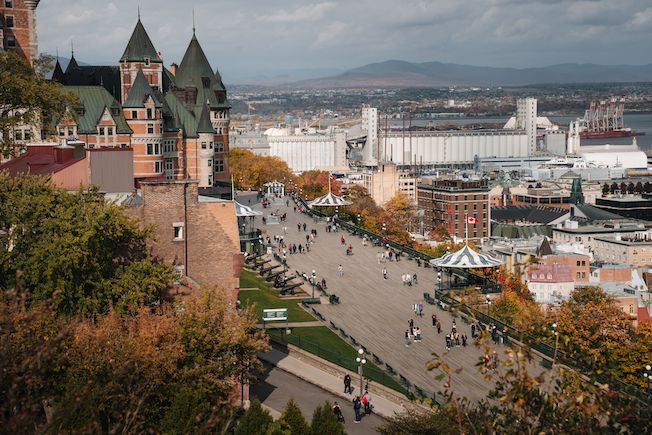
Québec City, Canada
If there is one city in North America that feels unmistakably European, it is Québec City. Perched above the St. Lawrence River, the provincial capital of Québec capt [read more.]
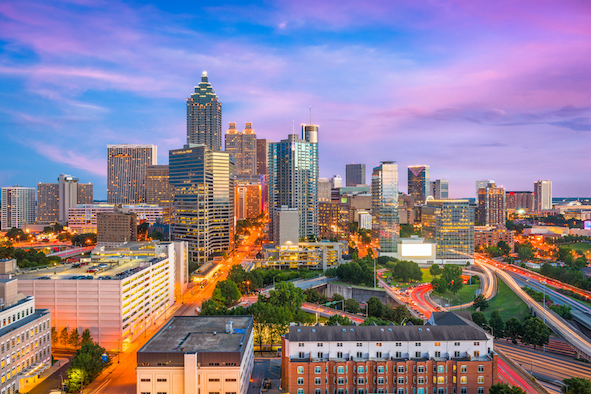
Atlanta, Georgia, United States
If there is one city that represents the transformation of the American South, it is Atlanta. Known as the birthplace of the modern civil rights movement, a global cent [read more.]
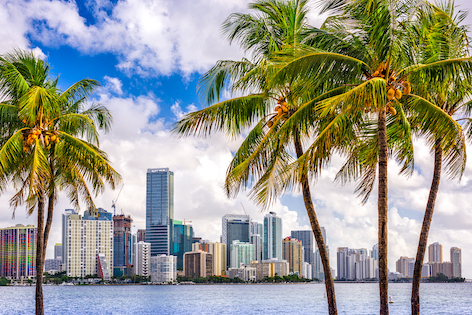
Miami, Florida, United States
If there is one city that represents the vibrant fusion of cultures, landscapes, and lifestyles that define modern Florida, it is Miami. Located between the Atlantic Oc [read more.]
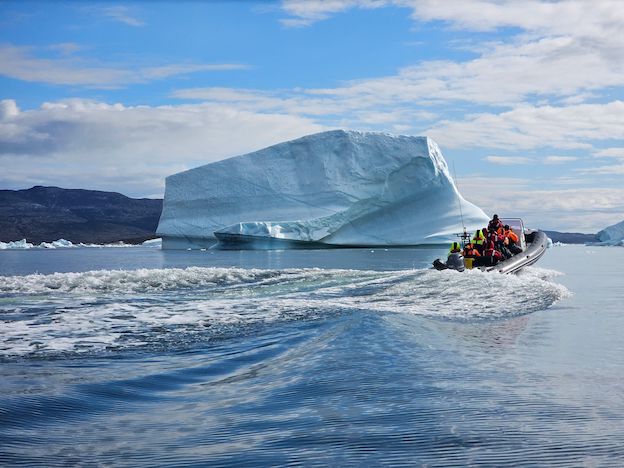
Greenland
If there is one destination where nature still reigns almost untouched, it is Greenland. Covering more than two million square kilometers between the Arctic and Atlanti [read more.]
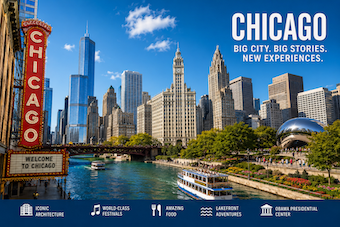
Chicago in Summer: Festivals and the Obama Center
September may be the perfect month to experience Chicago. Summer crowds begin to fade, comfortable temperatures settle over the city, and the lakefront parks glow with [read more.]
The San Juan Islands, United States
Located in the far northwest of Washington state, near the Canadian border and between the mainland and Vancouver Island, the San Juan Islands are an archipelago of mor [read more.]
To see more Waypoints in North America, please become a member here.
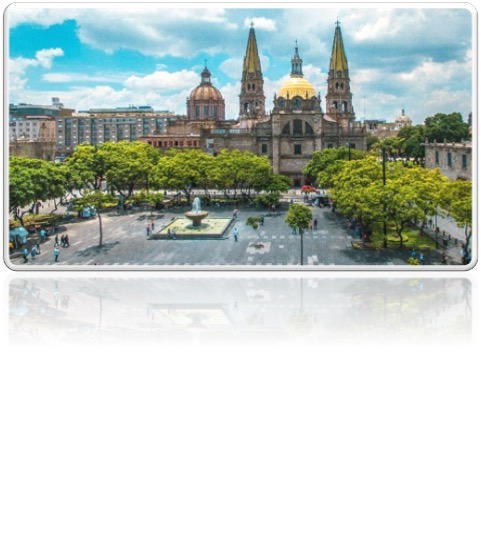
Guadalajara, Mexico
Guadalajara, the capital of the state of Jalisco, is one of Mexico’s most important cities for its history, culture, and economic dynamism. Officially founded on Febr [read more.]
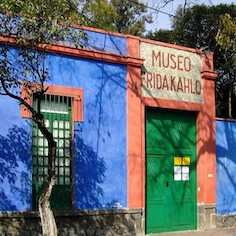
The Frida Kahlo Museum
The Frida Kahlo Museum, known worldwide as the Blue House, is located in the heart of Coyoacán, one of Mexico City’s oldest and most culturally rich neighborhoods. B [read more.]
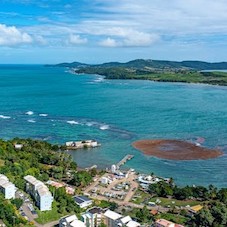
Dominica, Caribbean
Dominica is an island country located in the Lesser Antilles of the Caribbean, situated between the French islands of Guadeloupe (to the north) and Martinique (to the south). Its capital and [read more.]
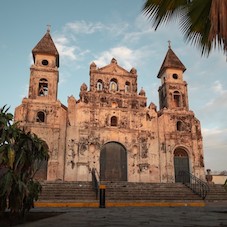
Granada, Nicaragua
Granada, also known as the "Great Sultana," is one of Nicaragua's most prominent colonial cities, renowned for its abundance of churches and religious facades. Founded in the 16th century, [read more.]

Isla Mujeres, México
Off the coast of Cancún, just 19.7 kilometers across the Caribbean Sea, lies Isla Mujeres, “a small paradise where Mayan history, island tranquility, and sustainable tourism converge” ( [read more.]
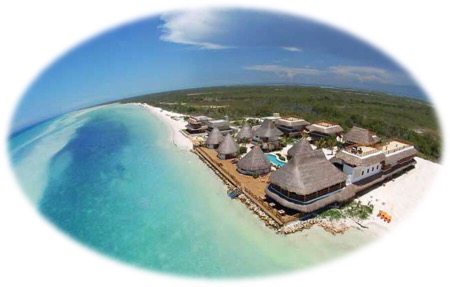
Holbox Island, Mexico
Holbox Island, whose name means "black hole" in Mayan and is pronounced "hol-bosh," is a peaceful island located in the Yucatán Channel, north of the peninsula, in the state of Quintana Roo [read more.]
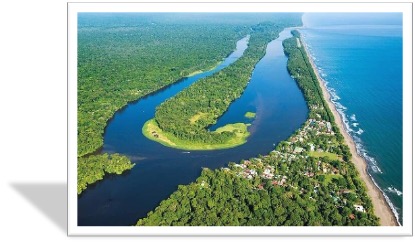
Barra del Colorado, Costa Rica
Barra del Colorado is a remote enclave located on the northeastern tip of Costa Rica's Caribbean coast, in the province of Limón, bordering Nicaragua. It has been protected as a National [read more.]
To see more Waypoints in Central America, please become a member here.
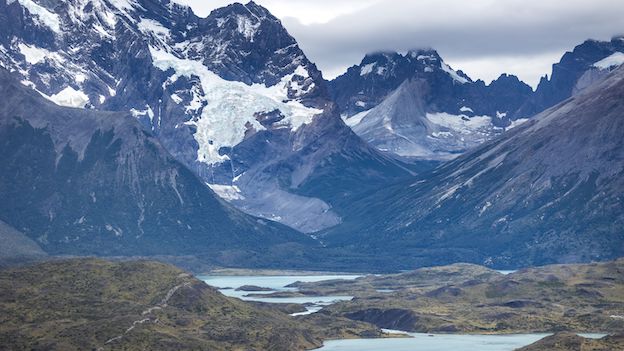
Patagonia, Argentina & Chile
If there is one destination that captures the true spirit of adventure, it is Patagonia. Stretching across southern Argentina and Chile for more than one million square [read more.]
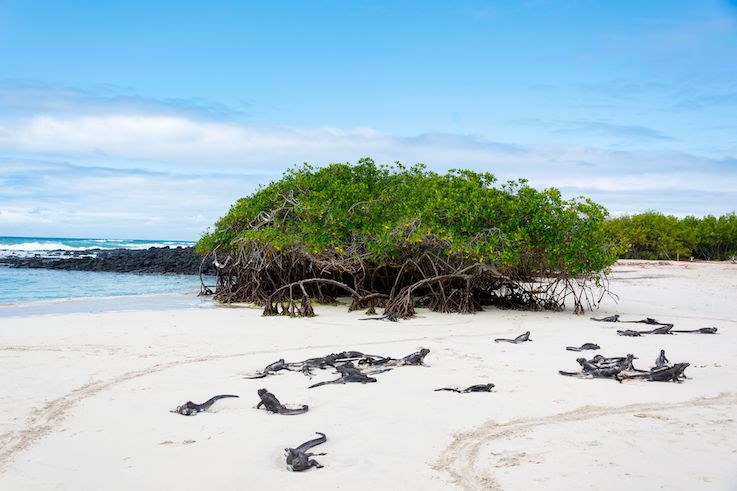
Galápagos Islands, Ecuador
If there is one destination that forever changed humanity's understanding of the natural world, it is the Galápagos Islands. Rising from the Pacific Ocean nearly 1,0 [read more.]
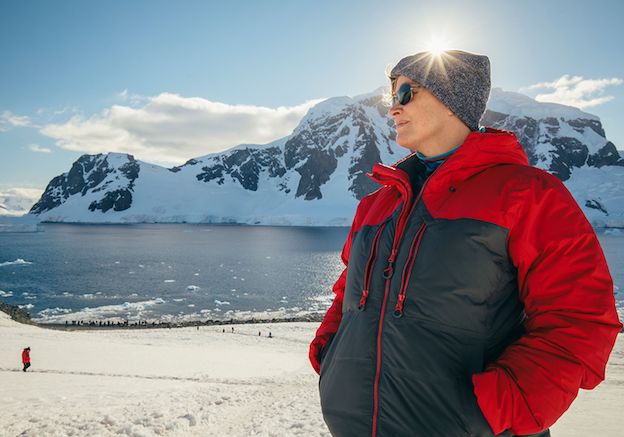
Antarctica
If there is one destination that truly represents the spirit of exploration, it is Antarctica. The southernmost continent on Earth is a land of towering glaciers, immen [read more.]
Machu Picchu, Cusco, Peru
If there is one destination that embodies the grandeur of the ancient civilizations of the Americas, it is Machu Picchu. Perched high in the Peruvian Andes between mist [read more.]
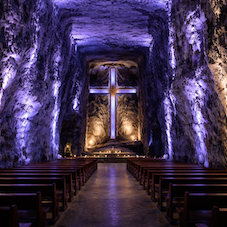
The Salt Cathedral of Zipaquirá, Colombia
The Salt Cathedral of Zipaquirá is an underground temple carved into a former salt mine, located in the Salt Park on the outskirts of Zipaquirá (Cundinamarca). Its modern architecture comb [read more.]
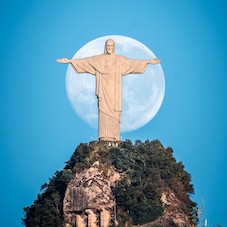
Christ the Redeemer, Rio de Janeiro
Christ the Redeemer stands atop Corcovado Mountain, within Tijuca National Park, dominating the Rio de Janeiro skyline with an imposing and serene presence. This monumental statue, 30 meters [read more.]

Fernando de Noronha, Brazil
Fernando de Noronha is a small volcanic archipelago in the South Atlantic. It is famous for its golden sand beaches, crystal-clear waters, and abundant marine life; much of the territory (ap [read more.]
To see more Waypoints in South America, please become a member here.
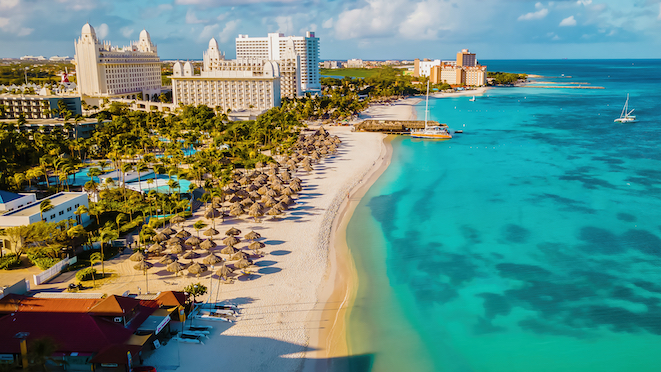
The Bahamas
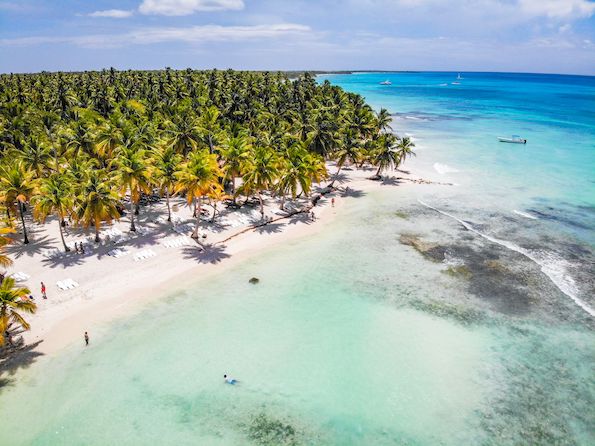
Dominican Republic
Port of Spain, Trinidad and Tobago
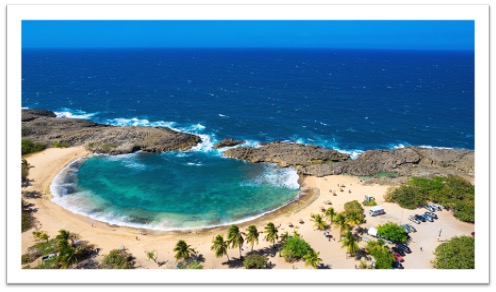
Puerto Rico
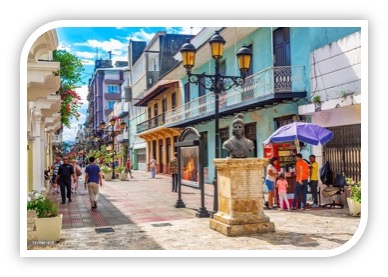
The Colonial Capital of Santo Domingo
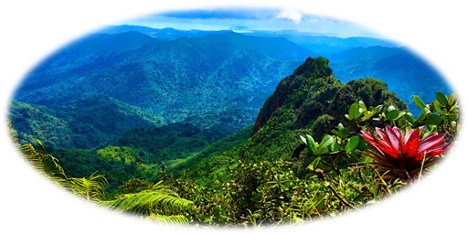
El Yunque, Puerto Rico
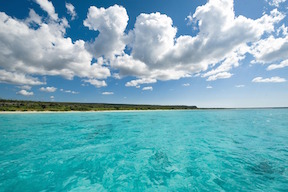
Eagles Bay, Dominican Republic
To see more Waypoints in The Caribbean, please become a member here.

|
Waypoint Finder (Over 1,000 destinations in PanAmerica) |
|---|