|
So Many Places To Visit!
|
----------- |

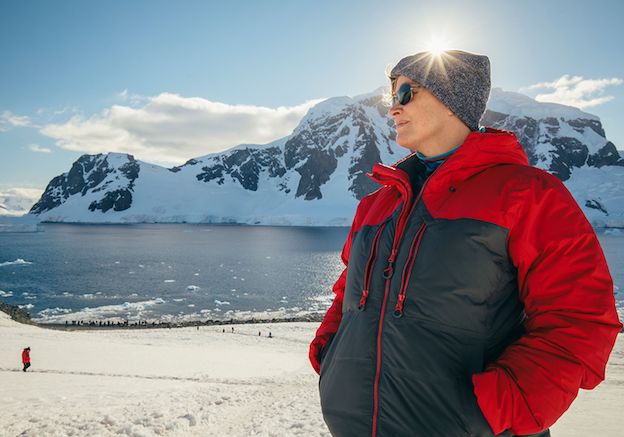
Towering glaciers, sculpted icebergs, and thriving penguin colonies make Antarctica one of the world***s most extraordinary and remote travel destinations. Photo by Intrepid Travel on Pexels. 
Hemisphere |
HEMISPHERE -- NATURAL AREA -----------------612[ARTICLE] | |||
AntarcticaThe Frozen Continent Where Ice, Wildlife, and Silence Create the World's Last Great WildernessBy Heydi Bernal for Ruta Pantera on 8/8/2026 4:17:05 AM |
||||
|
If there is one destination that truly represents the spirit of exploration, it is Antarctica. The southernmost continent on Earth is a land of towering glaciers, immense icebergs, snow-covered mountains, and one of the planet's most pristine ecosystems. With no permanent residents and protected under an international treaty dedicated to peace and science, Antarctica offers travelers the rare opportunity to witness nature on a scale unlike anywhere else. Every expedition reveals dramatic landscapes, extraordinary wildlife, and an overwhelming sense of isolation that makes visiting the White Continent one of the world's most unforgettable travel experiences. A Continent Dedicated to Science and Conservation Covering approximately 14 million square kilometers (5.4 million square miles), Antarctica is Earth's fifth-largest continent and contains nearly 70 percent of the planet's freshwater locked within its vast ice sheet. In some places, the ice exceeds 4,000 meters (13,000 feet) in thickness, preserving a frozen landscape that has existed for millions of years. Unlike any other destination, Antarctica belongs to no single nation. Since the Antarctic Treaty was signed in 1959, the continent has been reserved exclusively for peaceful scientific research and environmental protection. Today, dozens of international research stations operate throughout the region, studying climate change, marine ecosystems, astronomy, and glaciology. Most visitors explore the Antarctic Peninsula, one of the continent's most accessible regions. Highlights include Paradise Bay, where towering glaciers descend directly into calm waters; Neko Harbor, one of the few places where visitors may step onto the Antarctic continent itself; Cuverville Island, home to one of the largest gentoo penguin colonies; Deception Island, a flooded volcanic caldera where geothermal activity warms parts of the shoreline; and the spectacular Lemaire Channel, often called the "Kodak Gap" for its breathtaking scenery of ice cliffs and snow-covered peaks. |
||||

|
A Journey Into Earth's Greatest Natural Sanctuary The Antarctic travel season runs from late October through March, during the Southern Hemisphere summer. Temperatures along the Antarctic Peninsula generally range from -2°C to 8°C (28°F to 46°F), while nearly 20 hours of daylight during midsummer provide exceptional opportunities for exploration and photography. Most expeditions include Zodiac cruises among towering icebergs, guided shore landings, wildlife observation, kayaking, hiking on snow-covered terrain, photography excursions, and educational presentations led by naturalists, marine biologists, and polar historians. Strict environmental regulations govern every landing, ensuring that visitors leave virtually no trace on one of the world's most fragile ecosystems. Antarctica is home to some of the planet's most iconic wildlife. Travelers frequently encounter gentoo, Adélie, and chinstrap penguins, as well as leopard, Weddell, crabeater, and elephant seals. Humpback whales, minke whales, orcas, and fin whales are commonly observed feeding in Antarctic waters during the summer months, while seabirds such as albatrosses, petrels, skuas, and Antarctic terns soar above the icy coastline. There are no hotels, restaurants, or permanent tourist facilities on the continent. Visitors stay aboard specially equipped expedition vessels that serve as floating hotels throughout the journey. Expeditions typically include accommodations, meals, guided excursions, lectures, and transportation by Zodiac boats. Depending on the itinerary, ship category, and cabin selection, voyages generally cost between USD 7,000 and USD 20,000 per person, while luxury expeditions can exceed USD 30,000. |
|||

|
Getting There and What to Expect Most Antarctic expeditions depart from Ushuaia, Argentina—the southernmost city in the world—after crossing the Drake Passage, one of the world's most famous stretches of ocean. The crossing typically takes two days each way before reaching the Antarctic Peninsula. Some premium itineraries begin in Punta Arenas, Chile, allowing travelers to fly over the Drake Passage before boarding an expedition ship. |
|||
| Most voyages last between 10 and 14 days, although extended expeditions may include the Falkland Islands, South Georgia, or the South Shetland Islands, providing opportunities to observe larger penguin colonies, elephant seals, and additional subantarctic wildlife. The best time for whale watching is generally from February through March, while November and December offer pristine snow-covered landscapes and active penguin nesting colonies. | ||||
| Antarctica is far more than a destination—it is one of the last truly untouched places on Earth. Every glacier, iceberg, and wildlife encounter serves as a reminder of the planet's extraordinary natural heritage and the importance of protecting it for future generations. For many travelers, setting foot on the White Continent becomes the adventure of a lifetime and one of the most profound journeys they will ever experience. | ||||
| --rutapanter.com-- | ||
|
References: International Association of Antarctica Tour Operators (IAATO). (n.d.). Antarctica Travel Information. https://iaato.org/ British Antarctic Survey. (n.d.). Antarctica. https://www.bas.ac.uk/ National Geographic. (n.d.). Antarctica Guide. https://www.nationalgeographic.com/ Antarctic Treaty Secretariat. (n.d.). The Antarctic Treaty. https://www.ats.aq/ |
| Instagram: | Email contact: | Interest area: |

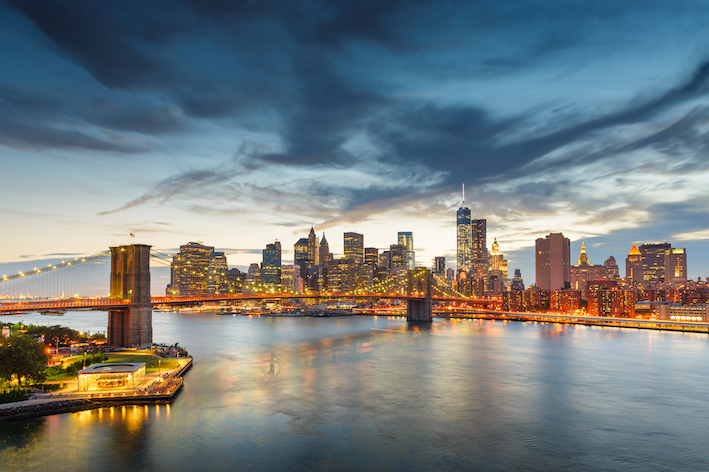
New York City, New York, United States
If there is one city that symbolizes the energy, ambition, and diversity of the modern world, it is New York City. Home to more than eight million people representing h [read more.]
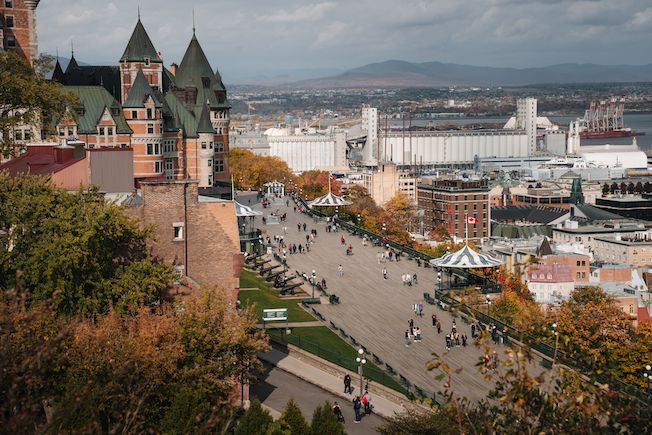
Québec City, Canada
If there is one city in North America that feels unmistakably European, it is Québec City. Perched above the St. Lawrence River, the provincial capital of Québec capt [read more.]
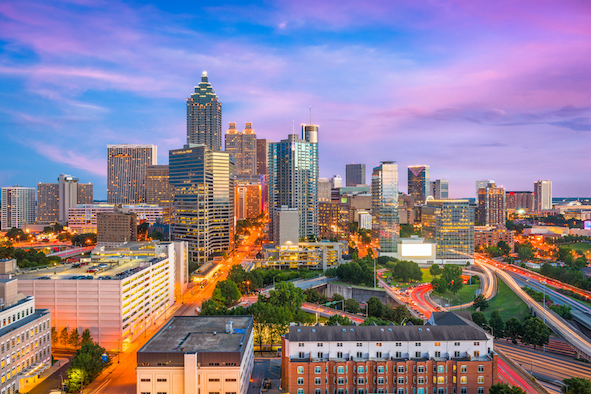
Atlanta, Georgia, United States
If there is one city that represents the transformation of the American South, it is Atlanta. Known as the birthplace of the modern civil rights movement, a global cent [read more.]
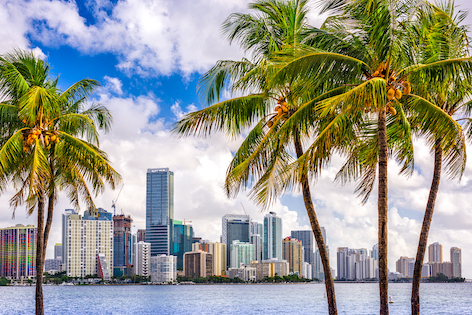
Miami, Florida, United States
If there is one city that represents the vibrant fusion of cultures, landscapes, and lifestyles that define modern Florida, it is Miami. Located between the Atlantic Oc [read more.]
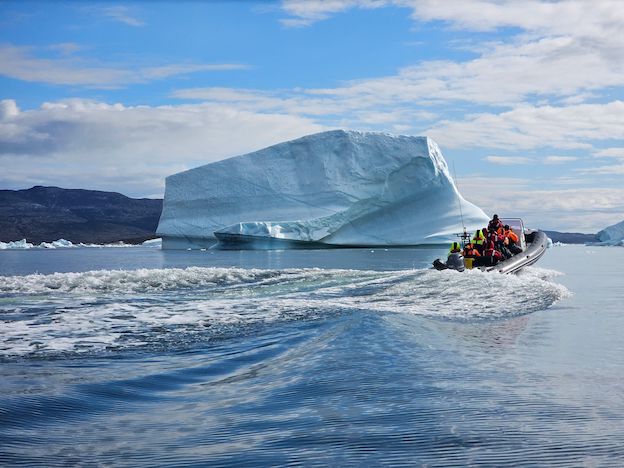
Greenland
If there is one destination where nature still reigns almost untouched, it is Greenland. Covering more than two million square kilometers between the Arctic and Atlanti [read more.]
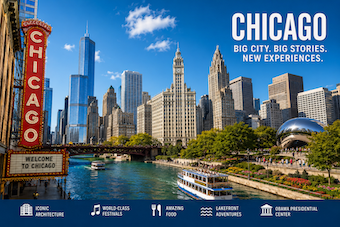
Chicago in Summer: Festivals and the Obama Center
September may be the perfect month to experience Chicago. Summer crowds begin to fade, comfortable temperatures settle over the city, and the lakefront parks glow with [read more.]
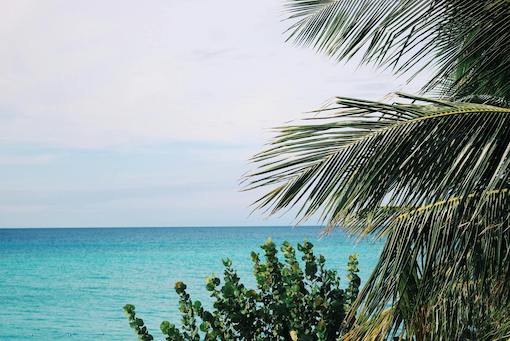
The San Juan Islands, United States
Located in the far northwest of Washington state, near the Canadian border and between the mainland and Vancouver Island, the San Juan Islands are an archipelago of mor [read more.]
To see more Waypoints in North America, please become a member here.
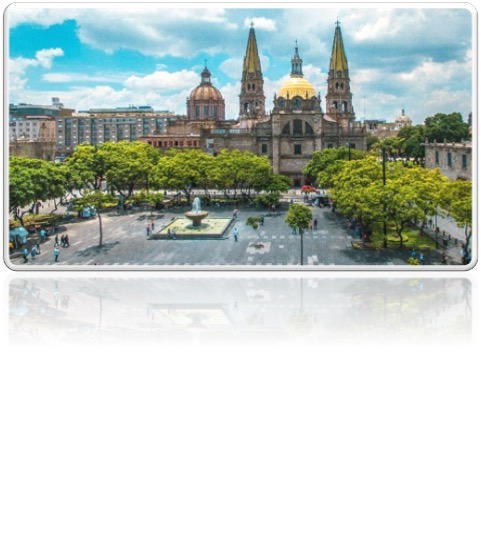
Guadalajara, Mexico
Guadalajara, the capital of the state of Jalisco, is one of Mexico’s most important cities for its history, culture, and economic dynamism. Officially founded on Febr [read more.]
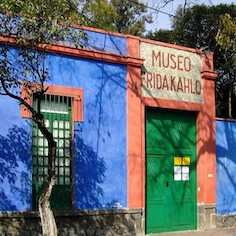
The Frida Kahlo Museum
The Frida Kahlo Museum, known worldwide as the Blue House, is located in the heart of Coyoacán, one of Mexico City’s oldest and most culturally rich neighborhoods. B [read more.]
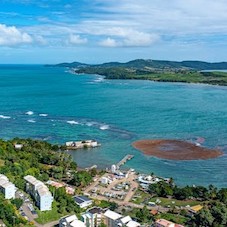
Dominica, Caribbean
Dominica is an island country located in the Lesser Antilles of the Caribbean, situated between the French islands of Guadeloupe (to the north) and Martinique (to the south). Its capital and [read more.]
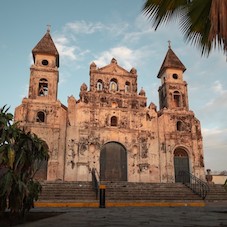
Granada, Nicaragua
Granada, also known as the "Great Sultana," is one of Nicaragua's most prominent colonial cities, renowned for its abundance of churches and religious facades. Founded in the 16th century, [read more.]

Isla Mujeres, México
Off the coast of Cancún, just 19.7 kilometers across the Caribbean Sea, lies Isla Mujeres, “a small paradise where Mayan history, island tranquility, and sustainable tourism converge” ( [read more.]
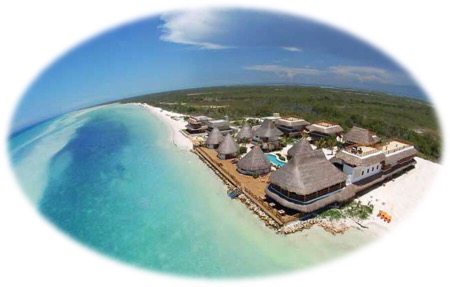
Holbox Island, Mexico
Holbox Island, whose name means "black hole" in Mayan and is pronounced "hol-bosh," is a peaceful island located in the Yucatán Channel, north of the peninsula, in the state of Quintana Roo [read more.]
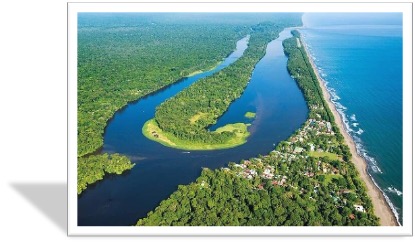
Barra del Colorado, Costa Rica
Barra del Colorado is a remote enclave located on the northeastern tip of Costa Rica's Caribbean coast, in the province of Limón, bordering Nicaragua. It has been protected as a National [read more.]
To see more Waypoints in Central America, please become a member here.
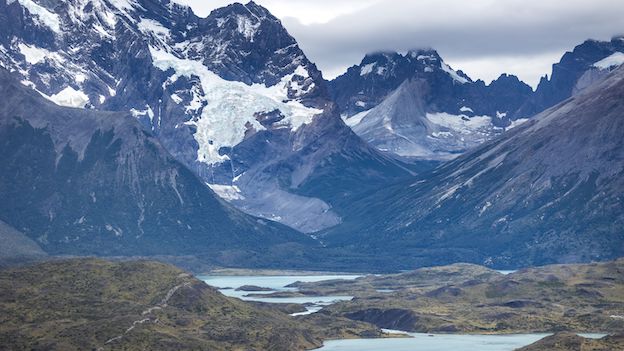
Patagonia, Argentina & Chile
If there is one destination that captures the true spirit of adventure, it is Patagonia. Stretching across southern Argentina and Chile for more than one million square [read more.]
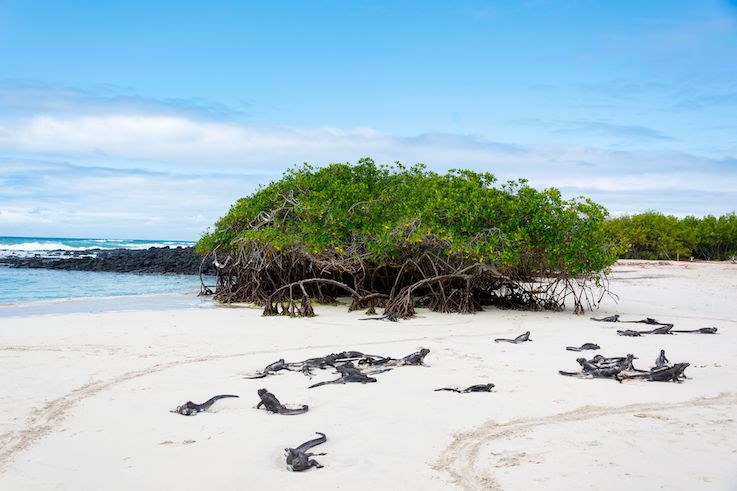
Galápagos Islands, Ecuador
If there is one destination that forever changed humanity's understanding of the natural world, it is the Galápagos Islands. Rising from the Pacific Ocean nearly 1,0 [read more.]
Antarctica
If there is one destination that truly represents the spirit of exploration, it is Antarctica. The southernmost continent on Earth is a land of towering glaciers, immen [read more.]
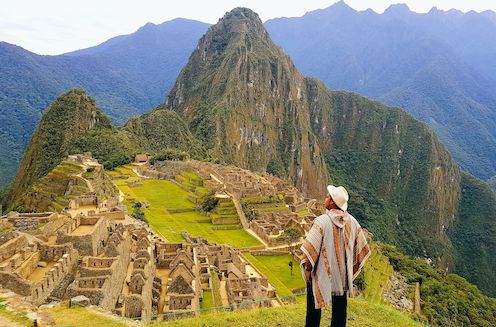
Machu Picchu, Cusco, Peru
If there is one destination that embodies the grandeur of the ancient civilizations of the Americas, it is Machu Picchu. Perched high in the Peruvian Andes between mist [read more.]
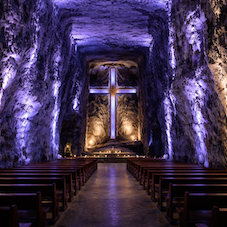
The Salt Cathedral of Zipaquirá, Colombia
The Salt Cathedral of Zipaquirá is an underground temple carved into a former salt mine, located in the Salt Park on the outskirts of Zipaquirá (Cundinamarca). Its modern architecture comb [read more.]
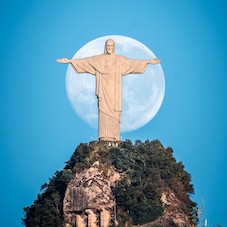
Christ the Redeemer, Rio de Janeiro
Christ the Redeemer stands atop Corcovado Mountain, within Tijuca National Park, dominating the Rio de Janeiro skyline with an imposing and serene presence. This monumental statue, 30 meters [read more.]

Fernando de Noronha, Brazil
Fernando de Noronha is a small volcanic archipelago in the South Atlantic. It is famous for its golden sand beaches, crystal-clear waters, and abundant marine life; much of the territory (ap [read more.]
To see more Waypoints in South America, please become a member here.
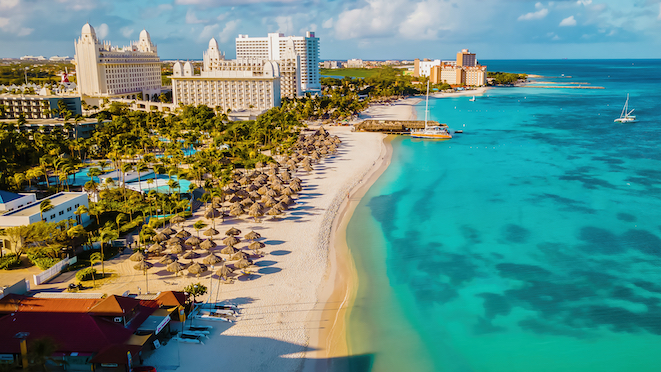
The Bahamas
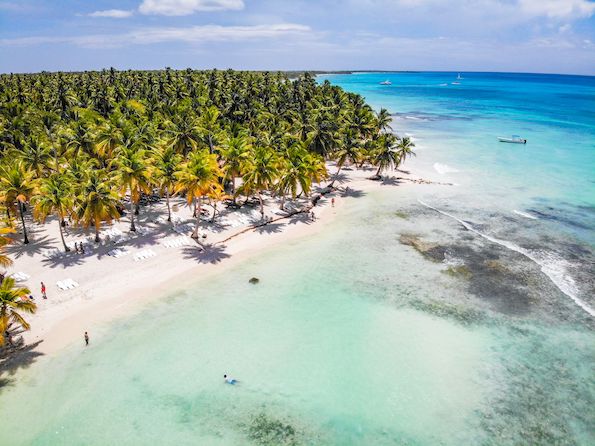
Dominican Republic
Port of Spain, Trinidad and Tobago
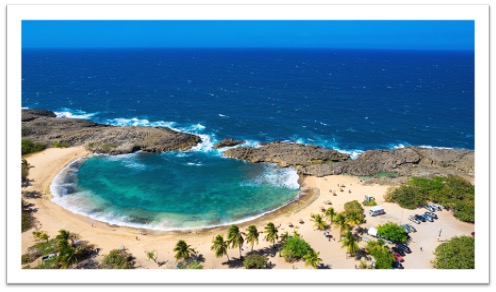
Puerto Rico
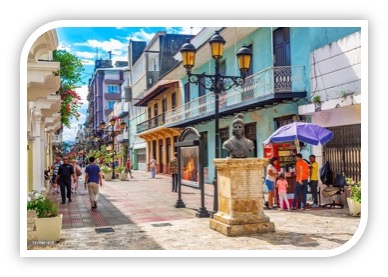
The Colonial Capital of Santo Domingo
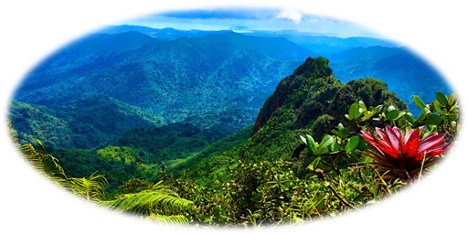
El Yunque, Puerto Rico
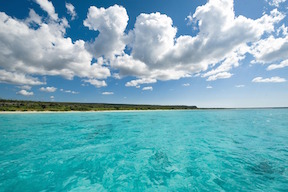
Eagles Bay, Dominican Republic
To see more Waypoints in The Caribbean, please become a member here.

|
Waypoint Finder (Over 1,000 destinations in PanAmerica) |
|---|