|
So Many Places To Visit!
|
----------- |

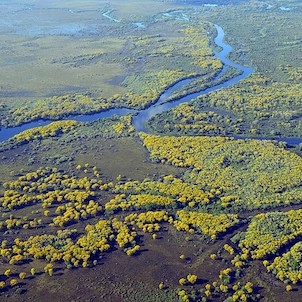
Image by Jose Sabino / Pixabay 
Brazil |
BRAZIL -- ENTER DESTINATION_TYPE -----------------483[ARTICLE] | |||
The Great Pantanal, BrazilA natural sanctuary where water sets the rhythm of life and wildlife reigns supreme.By Estefanía Muriel for Ruta Pantera on 12/18/2025 10:16:57 AM |
||||
|
The Gran Pantanal is the world’s largest expanse of tropical wetlands, a vast territory of floodplains that extends primarily across the Brazilian states of Mato Grosso do Sul and Mato Grosso, and reaches into parts of Bolivia and Paraguay. Its geological formation is a concave basin that collects water from the Andean plateaus and slowly releases it into the Paraguay River basin, creating landscapes with unique seasonal water cycles and extraordinary biodiversity. Historically, the region was inhabited by Indigenous peoples and, since colonization, has combined extensive cattle ranching with strong local traditions. Today, it has become a key destination for ecotourism and conservation initiatives due to its immense value as a reserve of wildlife and flora. |
||||

|
What Makes the Gran Pantanal Unique The Pantanal stands out for its exceptional biodiversity, home to more than 350 bird species and iconic wildlife such as jaguars, capybaras, caimans, and an impressive variety of fish. This richness is closely tied to its unique seasonal rhythm: during the rainy season, vast areas flood, transforming the region into a mosaic of islands, lagoons, and waterways. Recognized as a biosphere reserve and natural heritage site, the Pantanal attracts scientific research and nature tourism from around the world. However, the biome faces growing threats, including severe droughts and wildfires, which have affected extensive areas in recent years and raised concerns about its long-term preservation. Highlights You Can’t Miss Among the most popular activities are river safaris by boat or canoe to spot jaguars and birds, horseback riding through wetlands inhabited by capybaras and other riverine species, and guided dawn hikes that reveal wildlife at its most active. The culinary experience is usually centered in pousadas and lodges, where visitors can enjoy traditional dishes such as grilled fish (pacu or piraputanga) and classic Mato Grosso–style churrascaria. In nearby cities like Campo Grande or Cuiabá, recommended restaurants offer rodízio and regional cuisine, with mid-range meals typically costing between USD 10 and 25 per person. Accommodation prices vary widely. Budget lodges and basic stays generally range from USD 60 to 120 per night, while luxury eco-lodges and wildlife refuges can be significantly more expensive. Many lodges offer all-inclusive packages that cover meals, transfers, and guided excursions. Options for Further Discovery Nearby destinations complement a Pantanal visit, including the ecotourism hub of Bonito, renowned for its crystal-clear rivers, cave diving, and snorkeling in transparent waters. Other highlights include protected areas such as Encontro das Águas State Park, famous for its high concentration of jaguars. In larger cities along the route, travelers can explore local museums and environmental interpretation centers that provide valuable insight into the region’s natural and cultural history. Entrance fees to parks and guided activities usually range from USD 10 to 40 per person, while specialized excursions—such as photo safaris or full-day boat trips—can cost between USD 80 and 200, depending on duration and group size. |
|||

|
The Best Way to Get There The main gateways to the Pantanal are the airports of Cuiabá (Northern Pantanal) and Campo Grande (Southern Pantanal). From there, visitors can arrange road transfers or short domestic flights to local airstrips. Distances from Campo Grande to Pantanal areas often exceed 200 to 300 kilometers, and some routes include unpaved roads. Organized transfers through local agencies are strongly recommended, as is staying at lodges that include transportation. Travel within the region commonly involves 4x4 vehicles and boats. The best time for wildlife and jaguar spotting is during the dry season, from May to October, while the rainy season (December to March) offers dramatic landscapes but more limited land access. Practical and Safety Tips Visitors should carry strong insect repellent, waterproof footwear, binoculars for birdwatching, and sun protection. It is essential to follow guide instructions, keep a safe distance from wildlife, and hire certified guides who work with responsible lodges committed to conservation practices. Due to recent droughts and wildfires, travelers should check environmental alerts before visiting. Carrying Brazilian reais is advisable for small towns, and comprehensive travel insurance—including coverage for evacuation from remote areas—is strongly recommended. |
|||
| --rutapanter.com-- |
| Instagram: | Email contact: | Interest area: |

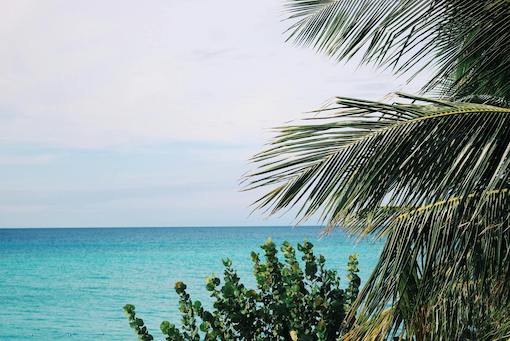
The San Juan Islands, United States
Located in the far northwest of Washington state, near the Canadian border and between the mainland and Vancouver Island, the San Juan Islands are an archipelago of mor [read more.]
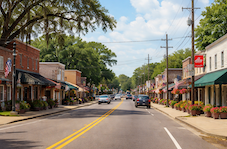
Whistler, Alabama, United States
Whistler is a small community located in Mobile County, Alabama, in the southeastern United States. It is not a traditional tourist town or a mass tourism destination, [read more.]
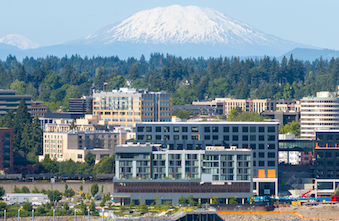
Vancouver, United States
Vancouver is a city located in Washington state, just north of the Columbia River and across the river from Portland, Oregon. Although many people confuse it with the f [read more.]
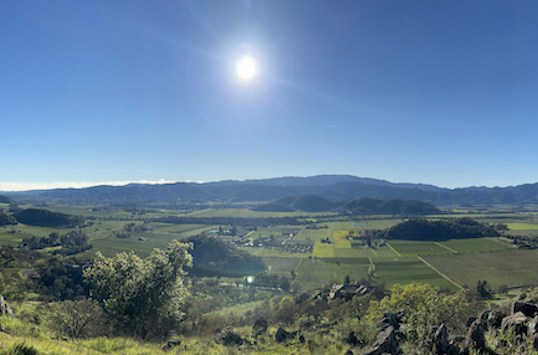
Napa Valley, California. United States
Napa Valley is one of the world's most prestigious wine regions, located in Northern California, approximately 80 kilometers from San Francisco. Its modern history be [read more.]
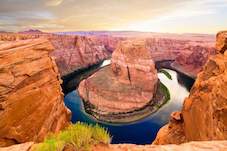
Grand Canyon, United States
The Grand Canyon is one of the most iconic natural landmarks in the world, located in northern Arizona and carved over millions of years by the Colorado River. Stretchi [read more.]
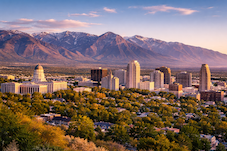
Salt Lake City, United States
Salt Lake City is the capital of the state of Utah and the cultural and economic center of the region known as the Wasatch Front. Founded in 1847 by Mormon pioneers led [read more.]
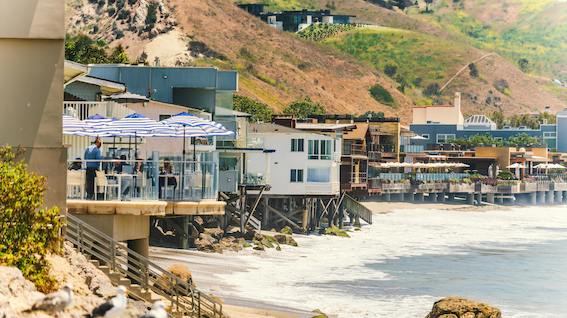
Malibu, United States
Malibu is a coastal city located in the state of California, about 30 miles west of downtown Los Angeles. Known for its scenic beaches, Pacific Ocean cliffs, and celebr [read more.]
To see more Waypoints in North America, please become a member here.
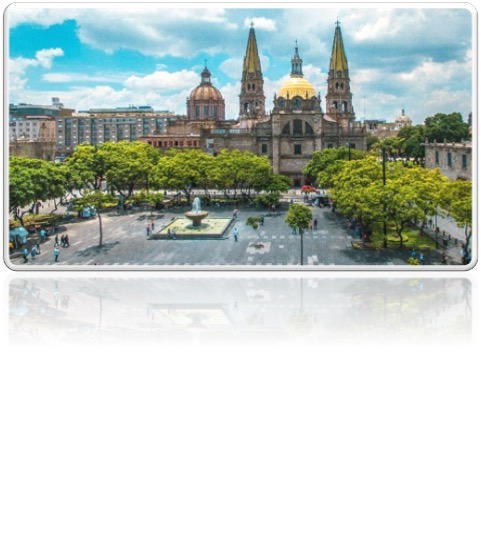
Guadalajara, Mexico
Guadalajara, the capital of the state of Jalisco, is one of Mexico’s most important cities for its history, culture, and economic dynamism. Officially founded on Febr [read more.]
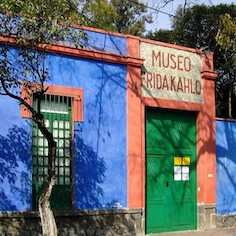
The Frida Kahlo Museum
The Frida Kahlo Museum, known worldwide as the Blue House, is located in the heart of Coyoacán, one of Mexico City’s oldest and most culturally rich neighborhoods. B [read more.]
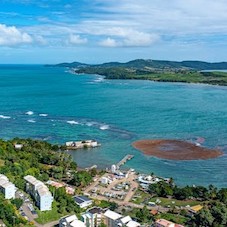
Dominica, Caribbean
Dominica is an island country located in the Lesser Antilles of the Caribbean, situated between the French islands of Guadeloupe (to the north) and Martinique (to the south). Its capital and [read more.]
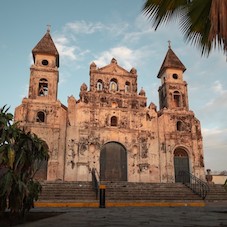
Granada, Nicaragua
Granada, also known as the "Great Sultana," is one of Nicaragua's most prominent colonial cities, renowned for its abundance of churches and religious facades. Founded in the 16th century, [read more.]

Isla Mujeres, México
Off the coast of Cancún, just 19.7 kilometers across the Caribbean Sea, lies Isla Mujeres, “a small paradise where Mayan history, island tranquility, and sustainable tourism converge” ( [read more.]
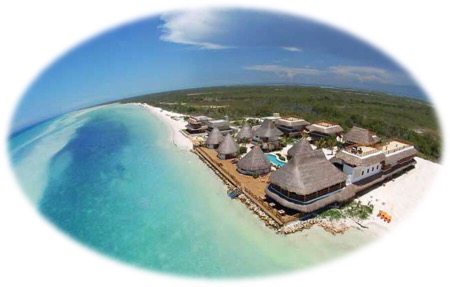
Holbox Island, Mexico
Holbox Island, whose name means "black hole" in Mayan and is pronounced "hol-bosh," is a peaceful island located in the Yucatán Channel, north of the peninsula, in the state of Quintana Roo [read more.]
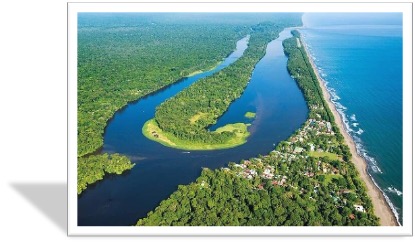
Barra del Colorado, Costa Rica
Barra del Colorado is a remote enclave located on the northeastern tip of Costa Rica's Caribbean coast, in the province of Limón, bordering Nicaragua. It has been protected as a National [read more.]
To see more Waypoints in Central America, please become a member here.
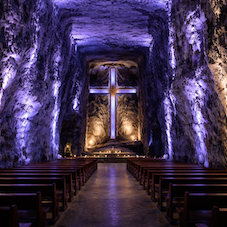
The Salt Cathedral of Zipaquirá, Colombia
The Salt Cathedral of Zipaquirá is an underground temple carved into a former salt mine, located in the Salt Park on the outskirts of Zipaquirá (Cundinamarca). Its modern architecture comb [read more.]
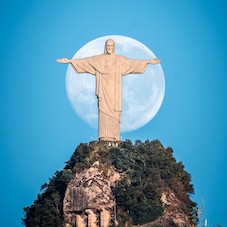
Christ the Redeemer, Rio de Janeiro
Christ the Redeemer stands atop Corcovado Mountain, within Tijuca National Park, dominating the Rio de Janeiro skyline with an imposing and serene presence. This monumental statue, 30 meters [read more.]

Fernando de Noronha, Brazil
Fernando de Noronha is a small volcanic archipelago in the South Atlantic. It is famous for its golden sand beaches, crystal-clear waters, and abundant marine life; much of the territory (ap [read more.]

Florianópolis, Brazil
Florianópolis, affectionately known as Floripa, is the capital of the state of Santa Catarina, located partly on Santa Catarina Island and partly on the mainland in southern Bra
[read more.]

Chapada Diamantina, Brazil
Chapada Diamantina National Park, created in 1985 and managed by ICMBio, protects over 152,000 hectares of the Serra do Sincorá mountain range in the state of Bahia. Its territory encompass [read more.]
The Great Pantanal, Brazil
The Gran Pantanal is the world’s largest expanse of tropical wetlands, a vast territory of floodplains that extends primarily across the Brazilian states of Mato Grosso do Sul and Mato Gro [read more.]
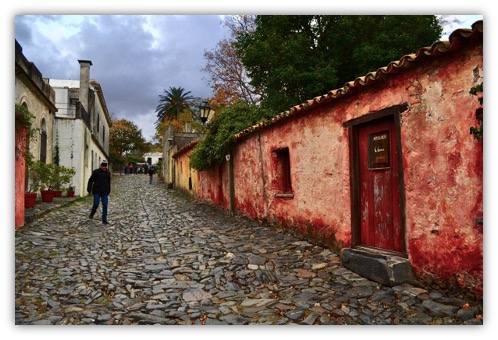
Sacramento Colony, Uruguay.
Colonia del Sacramento, on Uruguay's western coast opposite Buenos Aires, is a magnet for those seeking photogenic charm, cobblestone streets, and a leisurely pace. Founded by the Portugue [read more.]
To see more Waypoints in South America, please become a member here.
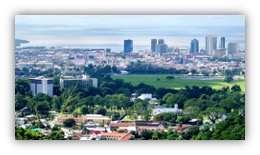
Port of Spain, Trinidad and Tobago
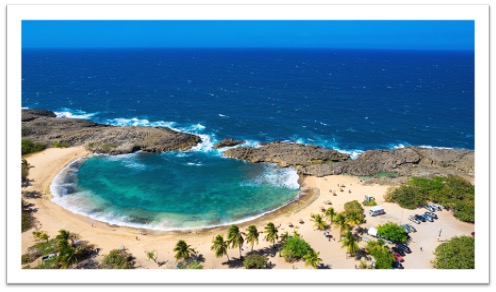
Puerto Rico
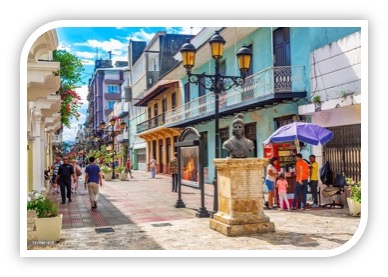
The Colonial Capital of Santo Domingo
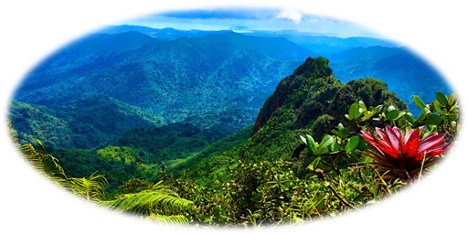
El Yunque, Puerto Rico
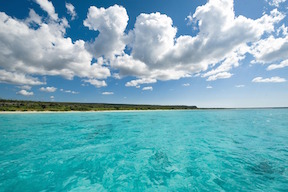
Eagles Bay, Dominican Republic
To see more Waypoints in The Caribbean, please become a member here.

|
Waypoint Finder (Over 1,000 destinations in PanAmerica) |
|---|