|
So Many Places To Visit!
|
------- |
Brazil |
BRAZIL -- NATURAL AREA -----------------479[ARTICLE] | |||
Florianópolis, BrazilBy Estefanía Muriel for Ruta Pantera on 12/19/2025 10:16:57 AM |
||||
|
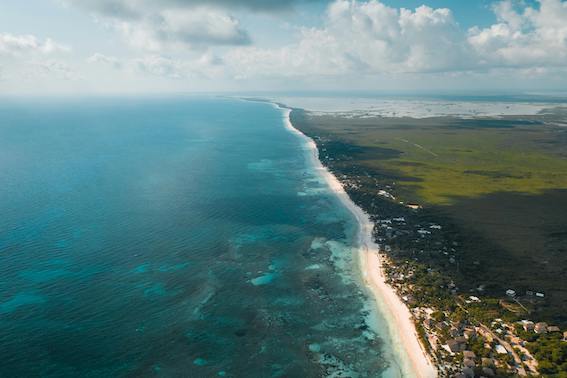
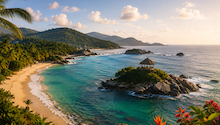
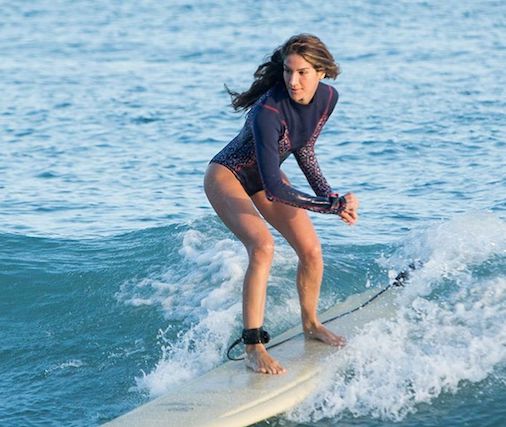
Florianópolis, affectionately known as Floripa, is the capital of the state of Santa Catarina, located partly on Santa Catarina Island and partly on the mainland in southern Brazil. This coastal city combines Atlantic forests, lagoons, hills, and more than 40 beaches, making it one of the country's most attractive tourist destinations for lovers of the sea, nature, and culture for decades. Its colonial origins date back to the 18th century when it was established as a Portuguese outpost; since then, it has evolved from a fishing settlement into a vibrant city that blends tradition and modernity in its architecture, gastronomy, and social life, without losing its island identity. Today, Florianópolis is famous for its relaxed lifestyle, its surfing waves, and its unique mix of history and nature. What Makes Florianópolis Unique Florianópolis is known for having one of the highest tourist-to-resident ratios in Brazil, especially during the Southern Hemisphere summer from December to March, and is often considered a world surfing center due to beaches like Joaquina with powerful waves that attract international competitions. Furthermore, its iconic Hercílio Luz Bridge is one of the city's most recognizable architectural symbols and was the first permanent connection between the island and the mainland. Highlights You Can't Miss Visiting Florianópolis without trying its fresh seafood would be a mistake: at the historic Mercado Público Municipal in the city center, you can sample a sequência de camarão (a shrimp platter prepared in various ways) for approximately $11–$25 USD, depending on the stall and your drink. Another unmissable culinary experience is the Lagoa da Conceição lagoon and food district, where cafes and grills offer local and international cuisine with menus starting at $8 USD for typical dishes. For a more upscale outing, Jurerê Internacional offers high-end restaurants and bars along the beach, though prices tend to be higher. As for festivals, Florianópolis celebrates a vibrant carnival with parades and street parties between February and March, and local festivals like the Festa do Divino Espírito Santo, which blends tradition, music, and regional gastronomy with colorful parades and social events. Options for Further Discovery The Santa Catarina Art Museum (MASC), with free admission, houses a collection of over two thousand works reflecting the modern and contemporary Brazilian art scene, ideal for art lovers in the heart of the city. Nearby, the Florianópolis Museum is located in a restored colonial building and features historical artifacts and interactive exhibits on local history. For nature lovers, the Rio Vermelho State Park offers ecological trails through the Atlantic Forest and access to large, protected beaches with no significant entrance fee, while the Carijós Ecological Station conserves mangroves and marine ecosystems, although public access is more limited and often requires permits or educational guided tours. Finally, the historic Hercílio Luz Bridge is free to walk across or photograph and offers panoramic views of the bay. |
||||
|
|
The Best Way to Get There
Florianópolis is served by Hercílio Luz International Airport, located about 12 kilometers from the city center. A bus from the airport to the center costs around $0.50 to $1.20 USD, and a taxi or rideshare can cost between $10 and $20 USD depending on traffic and time of day. The city does not have long-distance rail service, so longer-distance land travel is by bus or car via the BR-101 highway. Accommodation ranges from budget hostels around $20 to $35 USD per night to beach or boutique hotels between $80 and $200+ USD, especially during the peak season from December to February. Local public transportation is inexpensive and efficient for getting around the island, although renting a car for about $25 to $45 USD per day offers greater flexibility for visiting more secluded beaches. The best time to visit is the Southern Hemisphere summer, from December to March, because the weather is warmer and the waters are more pleasant for swimming and surfing, although spring and autumn also offer mild temperatures with fewer crowds. Practical and Safety Tips Taking basic precautions, such as keeping a safe eye on your belongings in crowded places and avoiding poorly lit areas at night, enhances your travel experience. Many visitors find the city peaceful and welcoming, especially in tourist areas like Jurerê and Lagoa da Conceição, though discretion with valuables is always recommended. To save money, visit local markets and public beaches, and take advantage of city buses for frequent trips. Familiarizing yourself with a few phrases in Portuguese will also facilitate interaction with locals and show respect for the regional culture. |
|||
|
|
| --rutapanter.com-- |
| Instagram: | Email contact: | Interest area: |
The Clean Giant of the Great Lakes
In the heart of North America, where crystal-clear waters mirror vast skies and boreal forests, Lake Superior rises as a natural colossus. According to a recent study by Lake.com, this body [read more.]
Clarksdale, Mississippi
Clarksdale, located in the heart of the Mississippi Delta, is known as the birthplace of the blues. This small town with a big soul preserves an authentic atmosphere that blends music histor [read more.]
Macon, Georgia, USA
Macon, known as the “City of the Cherry Blossoms,” is a historic hub in central Georgia, situated along the Ocmulgee River. Founded in 1823, it was a key railroad and agricultural center [read more.]
Alabama, USA
Alabama, located in the heart of the American South, combines history, nature, and Southern culture in one diverse destination. From the white sandy beaches and turquoise waters of the Gulf [read more.]
Apalachicola, Florida, USA
Apalachicola, affectionately called “Apalach” by locals, is a hidden coastal treasure located at the mouth of the Apalachicola River along Florida’s Gulf Coast. Famous for its oyster h [read more.]
Jackson, Mississippi, USA
Jackson, the capital of Mississippi, is a vibrant center of history, culture, and Southern politics. Founded in 1821 and named after General Andrew Jackson, the city blends historic architec [read more.]
Mississippi, USA
Mississippi, known as "The Magnolia State" for its abundant magnolia trees, is a region rich in history, culture, and natural beauty. Located in the southern United States, it combines vibra [read more.]
Dominica, Caribbean
Dominica is an island country located in the Lesser Antilles of the Caribbean, situated between the French islands of Guadeloupe (to the north) and Martinique (to the south). Its capital and [read more.]
Granada, Nicaragua
Granada, also known as the "Great Sultana," is one of Nicaragua's most prominent colonial cities, renowned for its abundance of churches and religious facades. Founded in the 16th century, [read more.]
Isla Mujeres, México
Off the coast of Cancún, just 19.7 kilometers across the Caribbean Sea, lies Isla Mujeres, “a small paradise where Mayan history, island tranquility, and sustainable tourism converge” ( [read more.]
Holbox Island, Mexico
Holbox Island, whose name means "black hole" in Mayan and is pronounced "hol-bosh," is a peaceful island located in the Yucatán Channel, north of the peninsula, in the state of Quintana Roo [read more.]
Barra del Colorado, Costa Rica
Barra del Colorado is a remote enclave located on the northeastern tip of Costa Rica's Caribbean coast, in the province of Limón, bordering Nicaragua. It has been protected as a National [read more.]
Zihuatanejo, Mexico
Zihuatanejo is a former fishing village located in the bay of the same name, surrounded by the Sierra Madre del Sur mountains. It developed alongside Ixtapa since the 1970s, but retaining it [read more.]
Darién Region, Panamá
The Darién region, in the far east of Panama, is a strip of tropical rainforest that connects Central and South America and stretches from the Caribbean coast to the mountains bordering Col [read more.]
The Salt Cathedral of Zipaquirá, Colombia
The Salt Cathedral of Zipaquirá is an underground temple carved into a former salt mine, located in the Salt Park on the outskirts of Zipaquirá (Cundinamarca). Its modern architecture comb [read more.]
Christ the Redeemer, Rio de Janeiro
Christ the Redeemer stands atop Corcovado Mountain, within Tijuca National Park, dominating the Rio de Janeiro skyline with an imposing and serene presence. This monumental statue, 30 meters [read more.]
Fernando de Noronha
Fernando de Noronha is a small volcanic archipelago in the South Atlantic. It is famous for its golden sand beaches, crystal-clear waters, and abundant marine life; much of the territory (ap [read more.]
Florianópolis, Brazil
Florianópolis, affectionately known as Floripa, is the capital of the state of Santa Catarina, located partly on Santa Catarina Island and partly on the mainland in southern Bra
[read more.]
Fernando de Noronha
Fernando de Noronha é um pequeno arquipélago vulcânico no Atlântico Sul. É famoso por suas praias de areia dourada, águas cristalinas e abundante vida marinha; grande parte do territó [read more.]
Fernando de Noronha
Fernando de Noronha es un pequeño archipiélago volcánico en el Atlántico Sur. Es famoso por sus playas de arena dorada, aguas cristalinas y abundante vida marina; gran parte de su territ [read more.]
Chapada Diamantina, Brazil
Chapada Diamantina National Park, created in 1985 and managed by ICMBio, protects over 152,000 hectares of the Serra do Sincorá mountain range in the state of Bahia. Its territory encompass [read more.]
Port of Spain, Trinidad and Tobago
Port of Spain, the capital of Trinidad and Tobago, is a vibrant and diverse city that blends a Caribbean atmosphere with a cosmopolitan energy. Located on Trinidad's northwest coast, this [read more.]
Puerto Rico
Puerto Rico is a tourist destination full of history, vibrant culture, and stunning landscapes. As an unincorporated territory of the United States, it offers a unique blend of American, Spa [read more.]
The Colonial Capital of Santo Domingo
The Colonial City of Santo Domingo is the historic heart of the Dominican capital and one of the most important cultural destinations in the Caribbean. Founded in 1498 by Bartholomew Columbu [read more.]
El Yunque, Puerto Rico
El Yunque, officially El Yunque National Forest, is the only tropical rainforest in the United States National Forest System, open to the public in Puerto Rico. It occupies about 29,000 acre [read more.]
Eagles Bay, Dominican Republic
In the southwestern tip of the Dominican Republic, in the province of Pedernales, lies Bahía de las Águilas, a pristine jewel of the Caribbean Sea and part of Jaragua National Park. With m [read more.]

|
Waypoint Finder (Over 1,000 destinations in PanAmerica) |
|---|