|
So Many Places To Visit!
|
----------- |

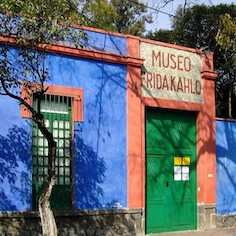
Within its blue walls and intimate silences, the Blue House safeguards the creative and personal universe of Frida Kahlo. Image taken from Wikipedia 
Mexico |
MEXICO -- CULTURAL SITE -----------------459[ARTICLE] BLUE HOUSE | |||
The Frida Kahlo MuseumMexico City's Favorite Art HouseBy Estefanía Muriel for Ruta Pantera on 1/9/2026 9:12:33 AM |
||||
|
The Frida Kahlo Museum, known worldwide as the Blue House, is located in the heart of Coyoacán, one of Mexico City’s oldest and most culturally rich neighborhoods. Built in 1904, this house was where Frida Kahlo was born, lived for much of her life, and died in 1954. Originally belonging to her family, it later became her shared home with Diego Rivera. In 1958, four years after the artist’s death, Diego Rivera decided to turn the house into a museum to preserve her legacy and bring the public closer to Frida’s intimate and creative life. The building retains its original structure, with its intense cobalt-blue walls, interior courtyards, and gardens that reflect the Mexican spirit that profoundly influenced the painter’s work. What Makes the Frida Kahlo Museum Unique The museum houses personal belongings that Frida requested remain secret for decades, such as orthopedic corsets, prostheses, and letters, which were revealed to the public starting in 2004. In addition, the kitchen preserves traditional utensils and pottery from Puebla bearing the names of Frida and Diego, symbols of their identity and daily life. It is one of the most visited museums in Mexico, and tickets often sell out several days in advance. |
||||

|
Highlights You Can’t Miss The main experience is touring the house’s original rooms, where paintings, sketches, family photographs, and personal belongings are displayed, offering an intimate understanding of the artist’s work. After the visit, exploring Coyoacán’s cuisine is practically a must. Just steps away is the traditional Coyoacán Market, where you can sample tinga tostadas, cochinita pibil, or ceviche for approximately $5 to $8 USD. For a more formal experience, Los Danzantes restaurant offers contemporary Mexican cuisine; a main course costs between $18 and $25 USD. On special occasions, such as Día de Muertos (Day of the Dead) or the September Independence Day celebrations, the neighborhood comes alive with music, altars, and cultural activities that enrich the visit. Options for Further Discovery Coyoacán boasts several cultural attractions within easy reach of the museum. The Leon Trotsky House Museum is just a short walk away and offers a glimpse into the Russian leader’s exile in Mexico, with an entrance fee of approximately $5 USD. The Anahuacalli Museum, designed by Diego Rivera to house his collection of pre-Hispanic art, is about 15 minutes away by public transport and costs around $6 USD. Plaza Hidalgo and the Centenario Garden are ideal public spaces for strolling and observing local life free of charge. Also noteworthy are the Parish of San Juan Bautista and small independent galleries that complement the neighborhood’s cultural scene. The Best Way to Get There The Frida Kahlo Museum is located about 10 kilometers from the historic center of Mexico City. You can get there by metro to the Coyoacán or General Anaya stations and from there take a taxi or local transport for about 10 minutes; the total journey usually takes between 40 and 60 minutes from the center, depending on traffic. The approximate cost of public transport is less than $1 USD, while a taxi or ride-hailing service can cost between $5 and $10 USD. As for lodging, Coyoacán offers boutique hotels and Airbnb-style accommodations with prices ranging from $60 to $120 USD per night. The best time to visit is from November to March, when the weather is drier and milder; during the summer, afternoon showers are possible. Practical and Safety Tips It’s recommended to buy tickets online in advance to avoid lines and guarantee entry; the price ranges from $18 to $20 USD. Arriving early allows you to explore the museum more peacefully. It’s suggested you bring cash for small expenses in the neighborhood and take basic safety precautions, especially in crowded areas. The museum does not allow photography in some areas, so please respect the rules and enjoy your visit at your leisure. |
|||

|
| --rutapanter.com-- |
| Instagram: | Email contact: | Interest area: |

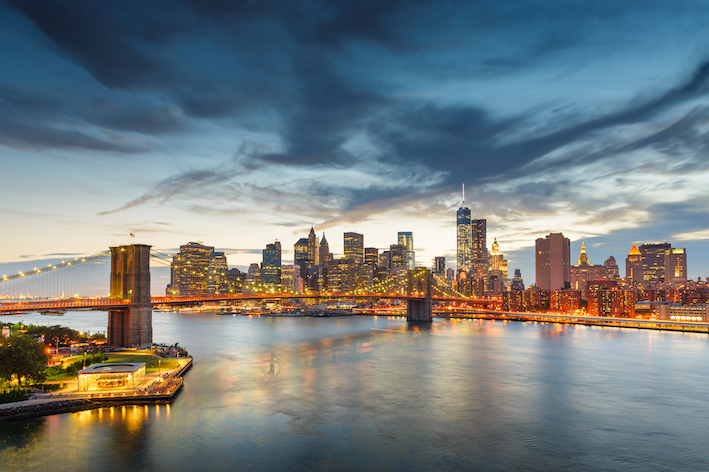
New York City, New York, United States
If there is one city that symbolizes the energy, ambition, and diversity of the modern world, it is New York City. Home to more than eight million people representing h [read more.]
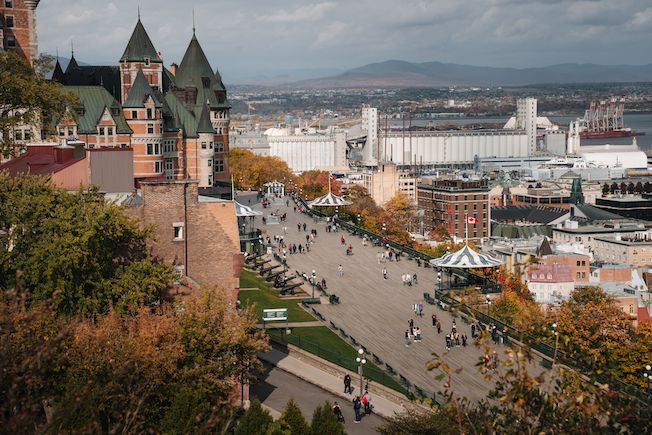
Québec City, Canada
If there is one city in North America that feels unmistakably European, it is Québec City. Perched above the St. Lawrence River, the provincial capital of Québec capt [read more.]
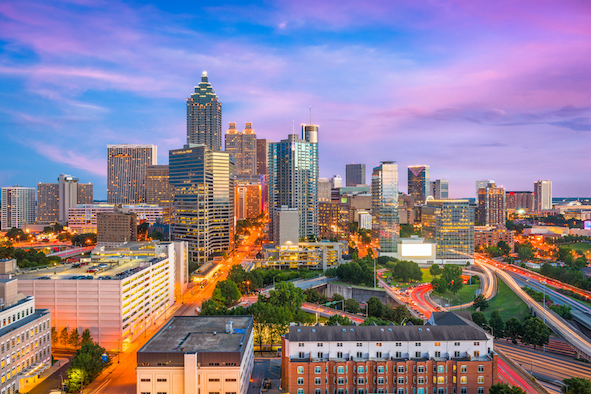
Atlanta, Georgia, United States
If there is one city that represents the transformation of the American South, it is Atlanta. Known as the birthplace of the modern civil rights movement, a global cent [read more.]
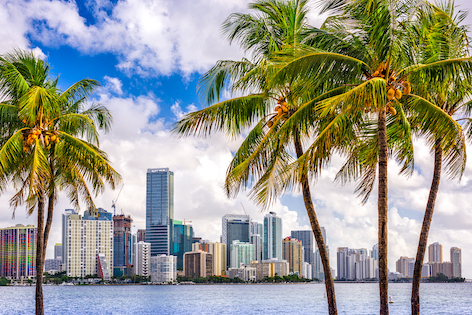
Miami, Florida, United States
If there is one city that represents the vibrant fusion of cultures, landscapes, and lifestyles that define modern Florida, it is Miami. Located between the Atlantic Oc [read more.]
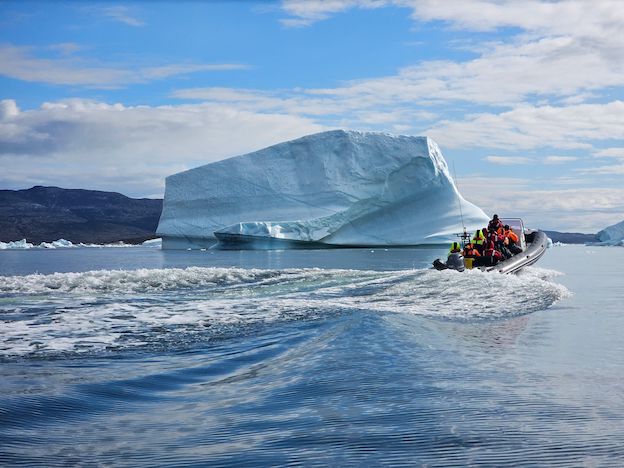
Greenland
If there is one destination where nature still reigns almost untouched, it is Greenland. Covering more than two million square kilometers between the Arctic and Atlanti [read more.]
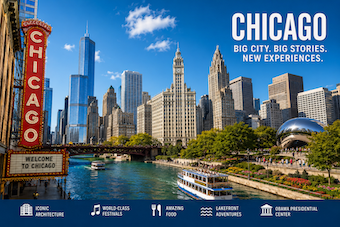
Chicago in Summer: Festivals and the Obama Center
September may be the perfect month to experience Chicago. Summer crowds begin to fade, comfortable temperatures settle over the city, and the lakefront parks glow with [read more.]
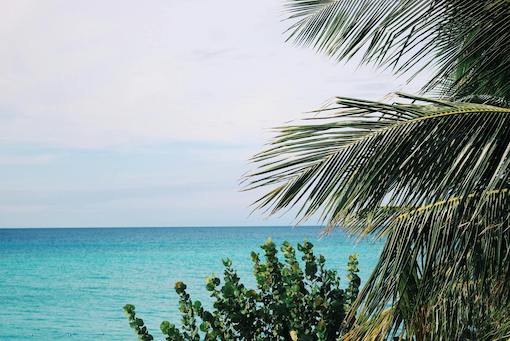
The San Juan Islands, United States
Located in the far northwest of Washington state, near the Canadian border and between the mainland and Vancouver Island, the San Juan Islands are an archipelago of mor [read more.]
To see more Waypoints in North America, please become a member here.
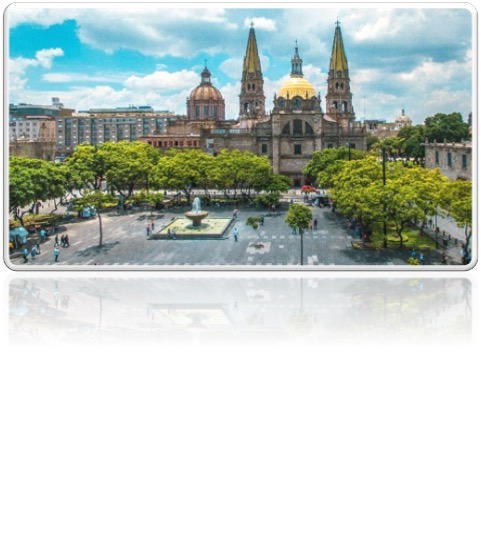
Guadalajara, Mexico
Guadalajara, the capital of the state of Jalisco, is one of Mexico’s most important cities for its history, culture, and economic dynamism. Officially founded on Febr [read more.]
The Frida Kahlo Museum
The Frida Kahlo Museum, known worldwide as the Blue House, is located in the heart of Coyoacán, one of Mexico City’s oldest and most culturally rich neighborhoods. B [read more.]
Dominica, Caribbean
Dominica is an island country located in the Lesser Antilles of the Caribbean, situated between the French islands of Guadeloupe (to the north) and Martinique (to the south). Its capital and [read more.]
Granada, Nicaragua
Granada, also known as the "Great Sultana," is one of Nicaragua's most prominent colonial cities, renowned for its abundance of churches and religious facades. Founded in the 16th century, [read more.]

Isla Mujeres, México
Off the coast of Cancún, just 19.7 kilometers across the Caribbean Sea, lies Isla Mujeres, “a small paradise where Mayan history, island tranquility, and sustainable tourism converge” ( [read more.]
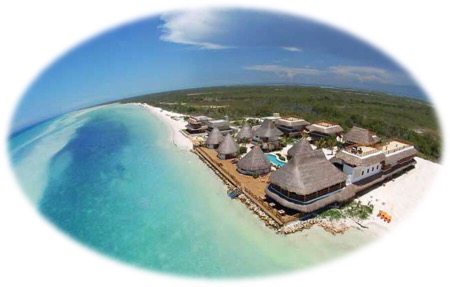
Holbox Island, Mexico
Holbox Island, whose name means "black hole" in Mayan and is pronounced "hol-bosh," is a peaceful island located in the Yucatán Channel, north of the peninsula, in the state of Quintana Roo [read more.]
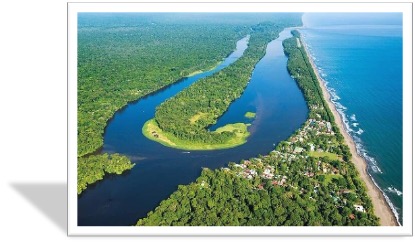
Barra del Colorado, Costa Rica
Barra del Colorado is a remote enclave located on the northeastern tip of Costa Rica's Caribbean coast, in the province of Limón, bordering Nicaragua. It has been protected as a National [read more.]
To see more Waypoints in Central America, please become a member here.
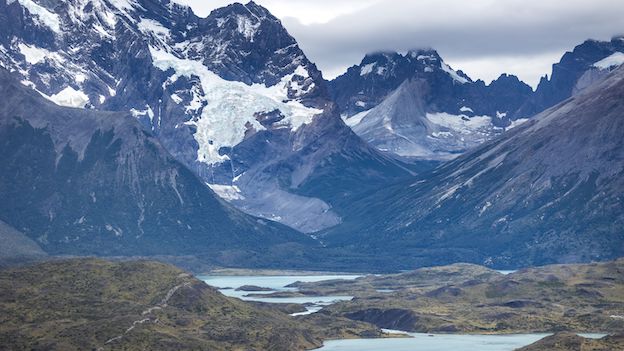
Patagonia, Argentina & Chile
If there is one destination that captures the true spirit of adventure, it is Patagonia. Stretching across southern Argentina and Chile for more than one million square [read more.]
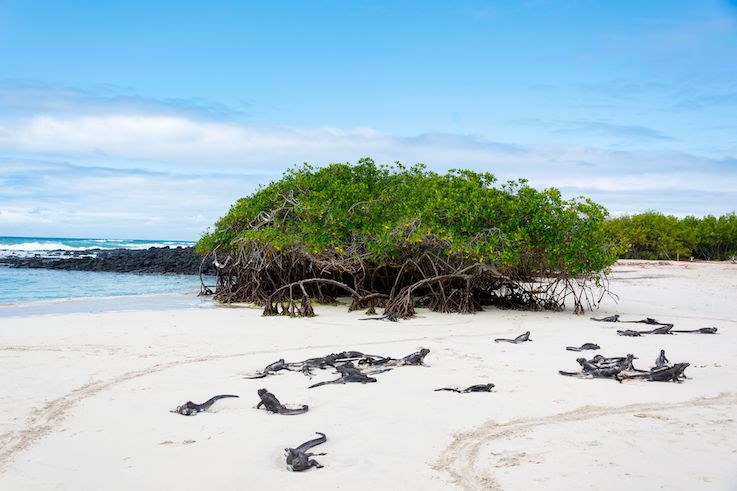
Galápagos Islands, Ecuador
If there is one destination that forever changed humanity's understanding of the natural world, it is the Galápagos Islands. Rising from the Pacific Ocean nearly 1,0 [read more.]
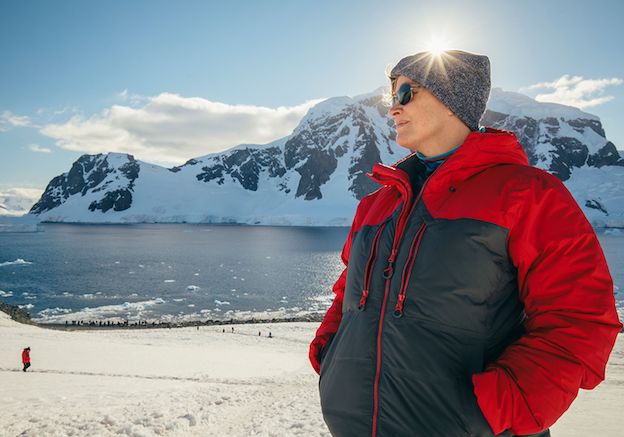
Antarctica
If there is one destination that truly represents the spirit of exploration, it is Antarctica. The southernmost continent on Earth is a land of towering glaciers, immen [read more.]
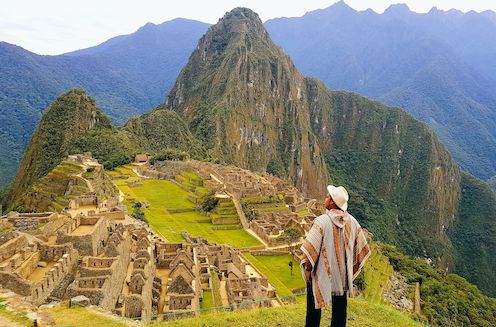
Machu Picchu, Cusco, Peru
If there is one destination that embodies the grandeur of the ancient civilizations of the Americas, it is Machu Picchu. Perched high in the Peruvian Andes between mist [read more.]
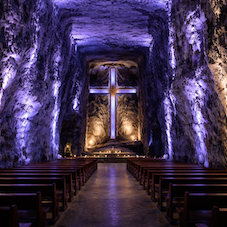
The Salt Cathedral of Zipaquirá, Colombia
The Salt Cathedral of Zipaquirá is an underground temple carved into a former salt mine, located in the Salt Park on the outskirts of Zipaquirá (Cundinamarca). Its modern architecture comb [read more.]
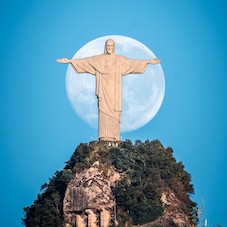
Christ the Redeemer, Rio de Janeiro
Christ the Redeemer stands atop Corcovado Mountain, within Tijuca National Park, dominating the Rio de Janeiro skyline with an imposing and serene presence. This monumental statue, 30 meters [read more.]

Fernando de Noronha, Brazil
Fernando de Noronha is a small volcanic archipelago in the South Atlantic. It is famous for its golden sand beaches, crystal-clear waters, and abundant marine life; much of the territory (ap [read more.]
To see more Waypoints in South America, please become a member here.
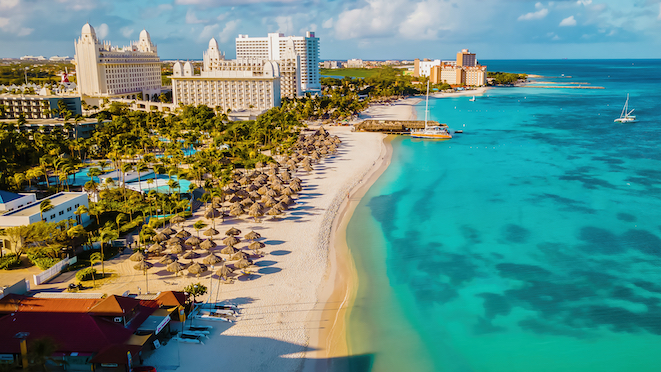
The Bahamas
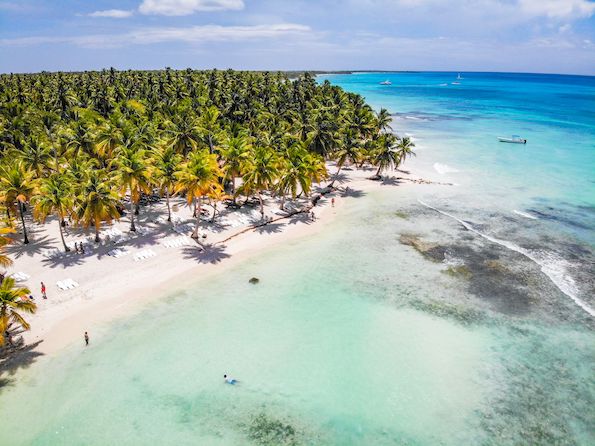
Dominican Republic
Port of Spain, Trinidad and Tobago
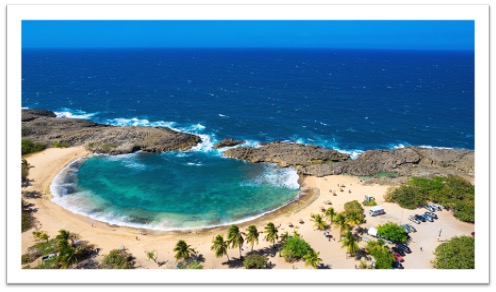
Puerto Rico
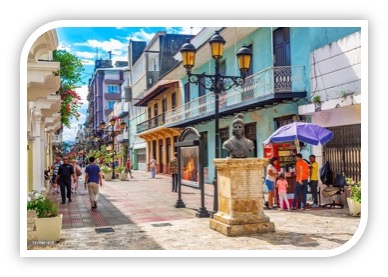
The Colonial Capital of Santo Domingo
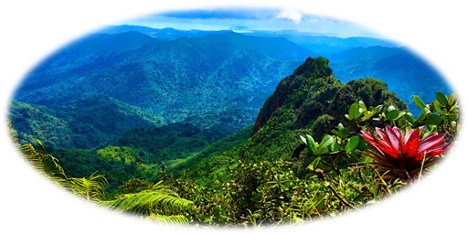
El Yunque, Puerto Rico
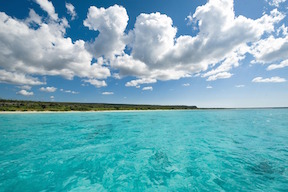
Eagles Bay, Dominican Republic
To see more Waypoints in The Caribbean, please become a member here.

|
Waypoint Finder (Over 1,000 destinations in PanAmerica) |
|---|