|
So Many Places To Visit!
|
------- |


North America |
NORTH AMERICA -- NATURAL AREA -----------------302[ARTICLE] | |||
The Clean Giant of the Great LakesBy Jazmin Agudelo for Ruta Pantera on 10/18/2025 8:32:28 AM |
||||
|
In the heart of North America, where crystal-clear waters mirror vast skies and boreal forests, Lake Superior rises as a natural colossus. According to a recent study by Lake.com, this body of water has been declared the cleanest lake in the United States, a title that highlights its ecological importance and its appeal as a destination for those seeking to experience lake life in its purest form. As the largest of the five Great Lakes — and the world’s largest freshwater lake by surface area — Lake Superior stretches approximately 560 kilometers wide and 257 kilometers long, spanning Minnesota, Wisconsin, Michigan, and the Canadian province of Ontario. Beyond its size, it is also the coldest and deepest of the Great Lakes, with a maximum depth of 406 meters and an average temperature that rarely exceeds 4°C (39°F). This article explores the lake’s unique characteristics, ecological importance, cultural and historical role, and why it has become an essential destination for lovers of nature and sustainability. As the largest of the five Great Lakes and the freshwater lake with the greatest surface area in the world, Lake Superior spans approximately 560 kilometers wide and 257 kilometers long, extending across Minnesota, Wisconsin, Michigan, and the Canadian province of Ontario. Dimensions and Characteristics Lake Superior impresses not only for its size — covering 82,100 square kilometers — but also for its volume: it holds 10% of the world’s surface freshwater, enough to submerge the entire North American continent under 30 centimeters of water. Its basin spans 128,000 square kilometers, draining rivers and streams from a region rich in biodiversity, from Minnesota’s coniferous forests to Michigan’s rocky cliffs. Formed about 10,000 years ago following the retreat of glaciers from the last Ice Age, the lake stands as a geological testament to Earth’s history, with shores marked by ancient rock beds and glacial deposits. Its exceptional cleanliness, highlighted by Lake.com, stems from several factors: low population density in its watershed, strict environmental regulations, and a robust ecosystem that naturally filters pollutants. The lake hosts over 80 fish species, including lake trout, sturgeon, and perch, and its clarity allows visibility up to 20 meters deep under optimal conditions. However, its coldness — with temperatures averaging 2–4°C even in summer — makes it challenging for swimmers but ideal for species adapted to frigid environments. Ecological Importance and Environmental Threats Lake Superior serves as a cornerstone of the Great Lakes ecosystem, which together hold 21% of the planet’s surface freshwater. Its biodiversity includes both endemic and migratory species, such as the peregrine falcon and gray wolf, which depend on its coasts and wetlands. Its waters also feed into the other Great Lakes, influencing regional climate and supporting the economies of cities like Duluth and Thunder Bay. |
||||

|
Despite its cleanliness, the lake faces growing threats. Climate change is raising water temperatures, altering habitats, and encouraging the spread of invasive algae such as Cladophora. Mining activities in the region, particularly in Minnesota, pose risks of heavy metal contamination, while invasive species like the sea lamprey have decimated native fish populations. Organizations such as the Great Lakes Indian Fish & Wildlife Commission collaborate with Indigenous communities like the Ojibwe to monitor and protect the lake, emphasizing sustainable practices rooted in ancestral knowledge. In 2025, initiatives led by the University of Minnesota Duluth are mapping the impacts of global warming on the lake, advocating for stricter conservation policies. A Cultural and Historical Beacon For Indigenous communities such as the Anishinaabe (Ojibwe), Lake Superior — or Gichigami (“Great Sea”) — is a sacred place. Their legends speak of Nanabozho, a creator spirit, and the lake remains central to ceremonies and economies based on fishing and trade. During the 17th and 18th centuries, the lake served as a crucial artery for French and British fur traders, leaving a legacy of forts and shipwrecks — including the famous Edmund Fitzgerald, which sank in 1975 and was immortalized by Gordon Lightfoot’s haunting song. Today, the lake is a magnet for sustainable tourism. Parks like Isle Royale National Park (Michigan) and Pukaskwa National Park (Ontario) offer hiking, kayaking, and wildlife watching, attracting millions of visitors annually. Cities such as Marquette and Duluth blend historical charm with cultural festivals, while coastal communities promote ecotourism, from eco-lodges to sailing tours. Life on Lake Superior Living by Lake Superior means embracing a lifestyle deeply connected to nature. Coastal communities such as Two Harbors (Minnesota) and Sault Ste. Marie (Michigan) offer a peaceful rhythm, with easy access to outdoor activities like cycling, fishing, and winter skiing. Residents praise the high quality of the drinking water, drawn directly from the lake, and the abundance of local produce — from wild blueberries to fresh trout. Sustainable tourism has bolstered local economies through initiatives such as the Superior Watershed Partnership, which promotes conservation through community-based programs. Visitors, however, must be prepared for the harsh climate: winters bring snowstorms and strong winds that can close roads, while summers remain cool — ideal for hiking but challenging for extended swims in the icy waters. Challenges and the Future of Lake Superior Despite its remarkable cleanliness, Lake Superior is not free from challenges. Rising global temperatures threaten to disrupt its thermal balance, endangering cold-water species such as lake trout. Plastic pollution, though less severe than in the other Great Lakes, is increasing, with microplastics detected at concerning levels. Moreover, coastal development and mass tourism could place further strain on its ecosystems if not carefully managed. Initiatives such as the Great Lakes Water Quality Agreement, signed by the United States and Canada, aim to protect the region through cross-border cooperation. In 2025, the COP30 Conference in Belém, Brazil, could shape global water policies that benefit Lake Superior, as local activists advocate for its inclusion in freshwater discussions. Youth-led groups like the Lake Superior Youth Climate Network are mobilizing young people to demand climate action — from shoreline cleanups to educational campaigns. |
|||

|
A Symbol of Resilience Lake Superior is more than a body of water; it is a symbol of ecological and cultural resilience. Its cleanliness, depth, and vastness make it a global treasure — a place where history, nature, and community converge. Whether kayaking through the Apostle Islands’ sea caves, fishing in its icy waters, or watching a sunset from its rocky shores, Lake Superior offers a lake-life experience unlike any other. Yet, its future depends on our ability to protect it from climate change and human pressures. As America’s cleanest lake, it stands as a powerful reminder of what we can preserve when we act decisively. |
|||
| --rutapanter.com-- |
| Instagram: | Email contact: | Interest area: |

The Clean Giant of the Great Lakes
In the heart of North America, where crystal-clear waters mirror vast skies and boreal forests, Lake Superior rises as a natural colossus. According to a recent study by Lake.com, this body [read more.]

Clarksdale, Mississippi
Clarksdale, located in the heart of the Mississippi Delta, is known as the birthplace of the blues. This small town with a big soul preserves an authentic atmosphere that blends music histor [read more.]
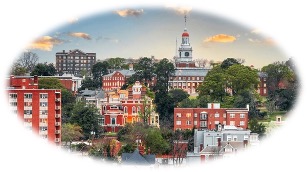
Macon, Georgia, USA
Macon, known as the “City of the Cherry Blossoms,” is a historic hub in central Georgia, situated along the Ocmulgee River. Founded in 1823, it was a key railroad and agricultural center [read more.]
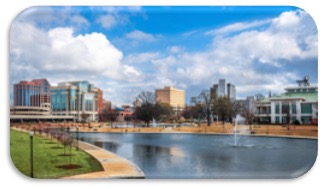
Alabama, USA
Alabama, located in the heart of the American South, combines history, nature, and Southern culture in one diverse destination. From the white sandy beaches and turquoise waters of the Gulf [read more.]
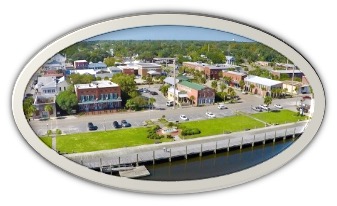
Apalachicola, Florida, USA
Apalachicola, affectionately called “Apalach” by locals, is a hidden coastal treasure located at the mouth of the Apalachicola River along Florida’s Gulf Coast. Famous for its oyster h [read more.]
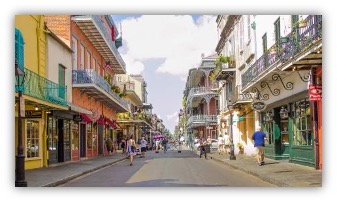
Jackson, Mississippi, USA
Jackson, the capital of Mississippi, is a vibrant center of history, culture, and Southern politics. Founded in 1821 and named after General Andrew Jackson, the city blends historic architec [read more.]
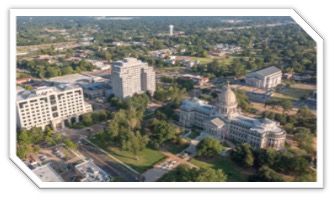
Mississippi, USA
Mississippi, known as "The Magnolia State" for its abundant magnolia trees, is a region rich in history, culture, and natural beauty. Located in the southern United States, it combines vibra [read more.]

Isla Mujeres, México
Off the coast of Cancún, just 19.7 kilometers across the Caribbean Sea, lies Isla Mujeres, “a small paradise where Mayan history, island tranquility, and sustainable tourism converge” ( [read more.]
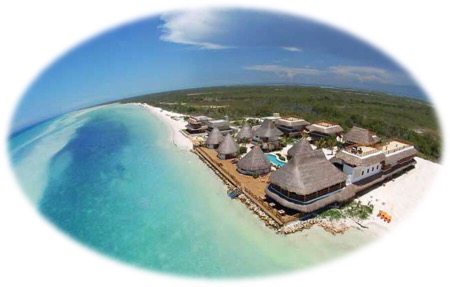
Holbox Island, Mexico
Holbox Island, whose name means "black hole" in Mayan and is pronounced "hol-bosh," is a peaceful island located in the Yucatán Channel, north of the peninsula, in the state of Quintana Roo [read more.]
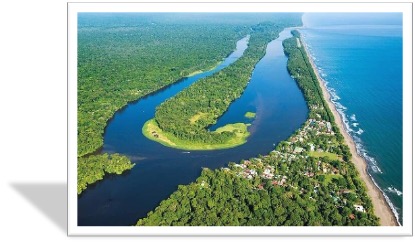
Barra del Colorado, Costa Rica
Barra del Colorado is a remote enclave located on the northeastern tip of Costa Rica's Caribbean coast, in the province of Limón, bordering Nicaragua. It has been protected as a National [read more.]
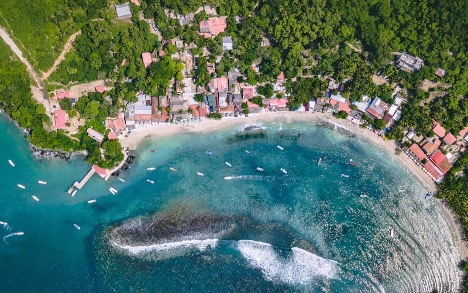
Zihuatanejo, Mexico
Zihuatanejo is a former fishing village located in the bay of the same name, surrounded by the Sierra Madre del Sur mountains. It developed alongside Ixtapa since the 1970s, but retaining it [read more.]
Darién Region, Panamá
The Darién region, in the far east of Panama, is a strip of tropical rainforest that connects Central and South America and stretches from the Caribbean coast to the mountains bordering Col [read more.]
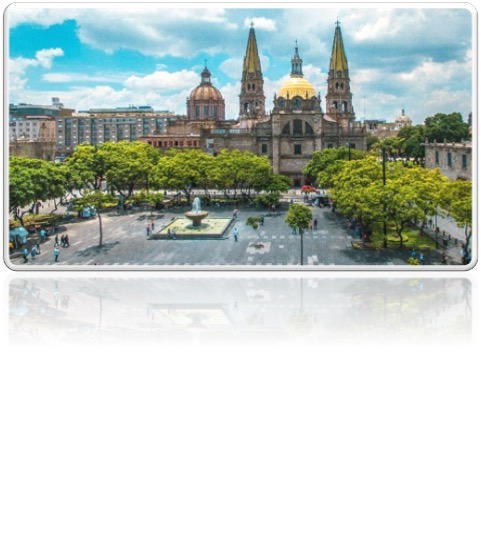
Guadalajara, Mexico
Guadalajara, the capital of the state of Jalisco, is one of Mexico's most important cities for its history and cultural richness. Officially founded on February 14, 1542, it has witnessed [read more.]
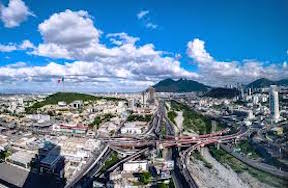
Monterrey, Mexico
Monterrey, capital of the state of Nuevo León, is one of the most important cities in northern Mexico, known for its industrial development, unique cuisine, and stunning natural surrounding [read more.]
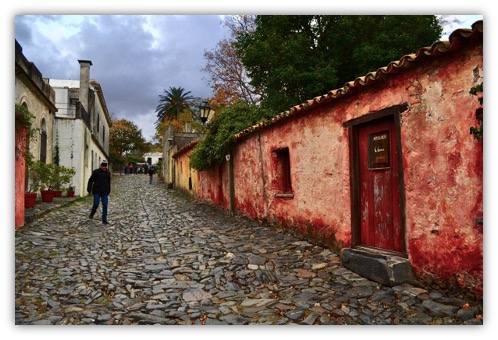
Sacramento Colony, Uruguay.
Colonia del Sacramento, on Uruguay's western coast opposite Buenos Aires, is a magnet for those seeking photogenic charm, cobblestone streets, and a leisurely pace. Founded by the Portugue [read more.]
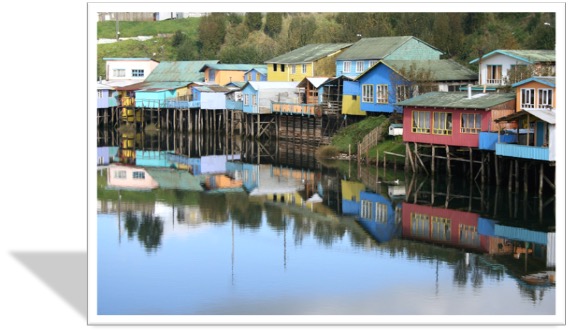
Chiloé Island, Chile
The Isla Grande de Chiloé, the center of the Chiloé archipelago in southern Chile, is a land of sea, rain, and legends where the Huilliche indigenous influence mingled with Spanish coloniz [read more.]
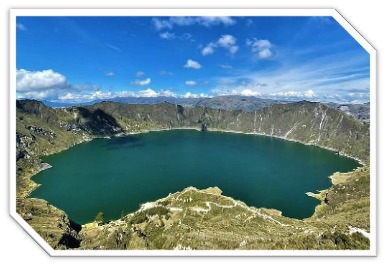
Lagoon Quilotoa, Ecuador
Quilotoa is a volcano and water-filled caldera—a crater lake—located in Cotopaxi Province, in the Ecuadorian Andes, at an altitude of approximately 3,914 meters above sea level. This cal [read more.]

Parques del Rio, Medellin
Parques del Rio is a destination that stands out for its combination of nature, sports activities, cultural offerings, varied cuisine and the perfect place to hold the most important events [read more.]

Barranquilla, Colombia
Discovering Barranquilla`s Historic Center: A Journey Through Culture, Architecture and Gastronomy . Barranquilla, known as the Golden Gate of Colombia, is a city rich in combining its hi [read more.]
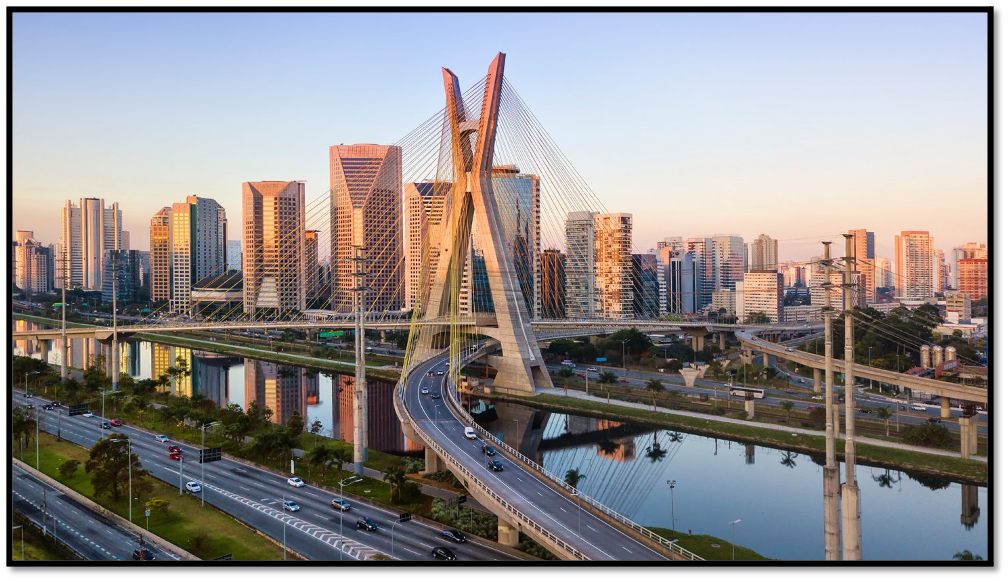
São Paulo, Brazil
Sao Paulo is not only the largest city in Brazil, it's also one of the most vibrant in Latin America. Founded by the Jesuits in 1554, this metropolis grew from a hub for the interior to be [read more.]

The Rosario Islands of Colombia
In the Caribbean Sea, very close to Cartagena, there is a corner that for many seems like something out of a wonderful dream: the Rosario Islands. This archipelago, made up of 28 islands, is [read more.]
Port of Spain, Trinidad and Tobago
Port of Spain, the capital of Trinidad and Tobago, is a vibrant and diverse city that blends a Caribbean atmosphere with a cosmopolitan energy. Located on Trinidad's northwest coast, this [read more.]
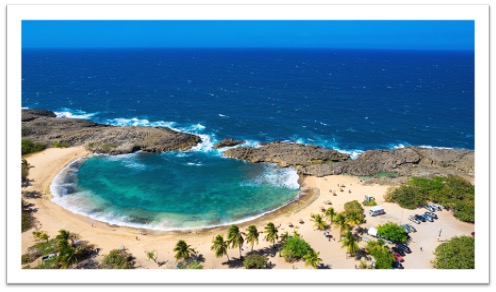
Puerto Rico
Puerto Rico is a tourist destination full of history, vibrant culture, and stunning landscapes. As an unincorporated territory of the United States, it offers a unique blend of American, Spa [read more.]
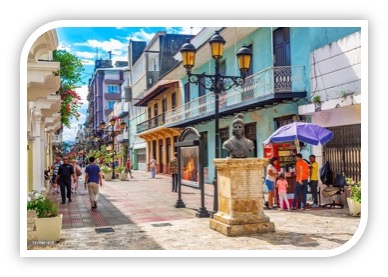
The Colonial Capital of Santo Domingo
The Colonial City of Santo Domingo is the historic heart of the Dominican capital and one of the most important cultural destinations in the Caribbean. Founded in 1498 by Bartholomew Columbu [read more.]
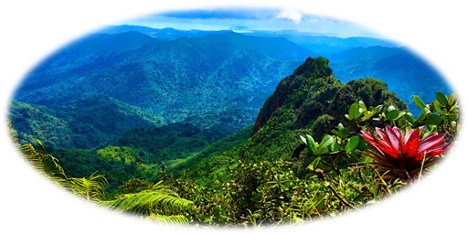
El Yunque, Puerto Rico
El Yunque, officially El Yunque National Forest, is the only tropical rainforest in the United States National Forest System, open to the public in Puerto Rico. It occupies about 29,000 acre [read more.]
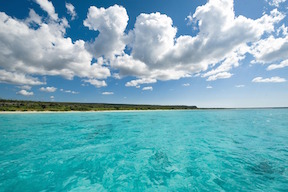
Eagles Bay, Dominican Republic
In the southwestern tip of the Dominican Republic, in the province of Pedernales, lies Bahía de las Águilas, a pristine jewel of the Caribbean Sea and part of Jaragua National Park. With m [read more.]

|
Waypoint Finder (Over 1,000 destinations in PanAmerica) |
|---|