|
So Many Places To Visit!
|
----------- |

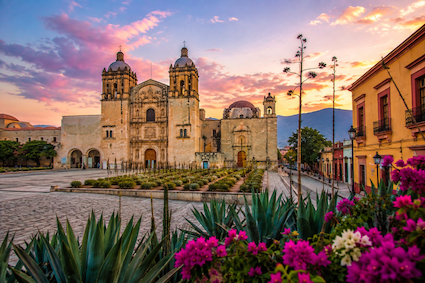
Oaxaca’s historic center glows at sunset, where colonial architecture, towering churches, vibrant bougainvillea, agave plants, and surrounding mountains reflect the city’s deep connection to Mexican h 
Mexico Related Articles: |
MEXICO -- CULTURAL SITE -----------------114[ARTICLE] | |||
Oaxaca, MexicoThe Colonial City Where Indigenous Heritage, Art, and Gastronomy Come AliveBy Marbel Montoya for Ruta Pantera on 9/27/2026 8:45:31 PM |
||||
|
Oaxaca is one of Mexico's most culturally distinctive destinations, where Indigenous traditions, Spanish colonial architecture, contemporary art, and extraordinary gastronomy come together in the heart of the Central Valleys. The city of Oaxaca de Juárez is part of a UNESCO World Heritage property that also includes the archaeological site of Monte Albán, reflecting more than four centuries of colonial history and a much deeper Indigenous heritage. Its historic streets, green cantera buildings, colorful markets, courtyards, churches, and lively public squares create a destination that feels deeply connected to the cultures that have shaped southern Mexico. A Historic Center Built on Layers of History The Historic Centre of Oaxaca follows a distinctive grid established during the Spanish colonial period, with the Zócalo serving as the traditional heart of the city. The surrounding streets are lined with low, solid buildings constructed from local green cantera, an architectural characteristic that has helped preserve Oaxaca's unique visual identity. UNESCO recognizes approximately 1,200 historic monuments within the protected historic center, including religious buildings, traditional residences, and public architecture. The Templo de Santo Domingo de Guzmán is among the city's most impressive landmarks. Its ornate Baroque interior and adjoining cultural spaces reveal the extraordinary artistic traditions that developed in Oaxaca during the colonial period. Nearby, the Museo de las Culturas de Oaxaca occupies the former convent of Santo Domingo and provides an introduction to the region's archaeological and cultural heritage. |
||||

|
Indigenous Culture and Living Traditions Oaxaca's cultural identity extends far beyond its historic architecture. The state is home to numerous Indigenous communities, including Zapotec, Mixtec, Mazatec, Mixe, and other peoples whose languages, crafts, ceremonies, and traditions remain an important part of everyday life. The city functions as a meeting point for these cultures, particularly during markets, festivals, exhibitions, and regional celebrations. The Guelaguetza is perhaps the best-known expression of this cultural diversity. Held annually in July, the celebration brings together delegations from communities throughout Oaxaca to present traditional dances, music, costumes, and customs. Even outside the festival period, travelers can encounter regional traditions through artisan markets, cultural performances, and excursions into surrounding communities. |
|||
 Add this article to your favorites
[FOR SUBCRIBERS ONLY]
Add this article to your favorites
[FOR SUBCRIBERS ONLY]
Copy this link to send this article to a friend: [FOR SURSCRIBERS ONLY] |
||||

|
Monte Albán and the Ancient Valley One of Oaxaca's most important experiences lies beyond the city itself. Monte Albán rises above the surrounding valleys and was one of the most important centers of the Zapotec civilization. The site was inhabited for approximately 1,500 years by successive peoples, including the Olmecs, Zapotecs, and Mixtecs, and its terraces, temples, tombs, ball court, and monumental platforms demonstrate the extraordinary scale of pre-Hispanic Oaxaca. The archaeological center flourished for centuries, with its main development beginning around 500 B.C. and continuing until approximately 850 A.D. Its elevated position provides expansive views across the Central Valleys, making the journey as visually rewarding as the archaeological experience itself. Monte Albán and the Historic Centre of Oaxaca were jointly inscribed on the UNESCO World Heritage List in 1987. Other nearby destinations, including Mitla, Hierve el Agua, and the artisan communities of the Central Valleys, can be incorporated into longer excursions. Oaxaca's official tourism platform highlights archaeological zones, traditional communities, tourist routes, and cultural destinations throughout the state. |
|||
| A Culinary Capital of Mexico Food is one of the strongest reasons to visit Oaxaca. The region is internationally recognized for its complex culinary traditions, with dishes such as mole negro, tlayudas, memelas, tamales, quesillo, and roasted meats forming an essential part of the local experience. Markets provide an informal introduction to these flavors, while contemporary restaurants reinterpret traditional ingredients through modern techniques. Mezcal is equally important to the region's identity. Produced from different varieties of agave, the spirit is deeply connected to the landscapes and communities surrounding Oaxaca. Visiting a traditional palenque outside the city can provide insight into the cultivation, harvesting, cooking, fermentation, and distillation processes behind mezcal production. The city's markets are also ideal for discovering chocolate, coffee, chilies, herbs, fruit, handmade tortillas, breads, and regional ingredients. A morning visit to a market followed by a traditional breakfast is one of the simplest ways to experience the everyday rhythm of Oaxaca. |
||||
| Art, Design, and the Creative Spirit Oaxaca has developed into an important center for contemporary art and traditional craftsmanship. Galleries, independent studios, textile workshops, ceramics producers, and artisan communities contribute to a creative scene that constantly moves between ancient techniques and contemporary expression. The surrounding villages are particularly important for travelers interested in crafts. Communities such as Teotitlán del Valle are known for weaving, while San Bartolo Coyotepec is associated with distinctive black pottery and Santa María Atzompa is recognized for its ceramics. These communities provide an opportunity to see artisans working within traditions that have been passed between generations. Getting There and What to Expect Oaxaca is served by Oaxaca International Airport, with domestic connections to major Mexican cities and some international service. The official tourism authority also lists connections through Huatulco, Puerto Escondido, and other airports for travelers combining the city with destinations along the coast. Oaxaca can be visited throughout the year, although October through April generally provides comfortable conditions for exploring the city and surrounding archaeological sites. July is particularly important for travelers interested in the Guelaguetza and the cultural calendar, while Day of the Dead celebrations in late October and early November transform the city and surrounding communities with altars, flowers, processions, music, and traditional ceremonies. Accommodation ranges from restored colonial buildings and boutique hotels in the historic center to contemporary properties and smaller guesthouses in surrounding neighborhoods. Staying within or close to the historic center makes it particularly easy to explore major attractions on foot, while travelers planning excursions into the valleys may prefer transportation arrangements that allow greater flexibility. Oaxaca's official tourism platform recommends using accredited guides and registered tourism providers when arranging excursions, and it provides information about certified hotels, restaurants, and tour operators. A Destination Where Culture Is a Way of Life Oaxaca is more than a beautiful colonial city. It is a place where Indigenous traditions remain alive, ancient archaeological sites rise above fertile valleys, and food, art, music, crafts, and celebrations continue to shape everyday life. From the stone streets of the historic center to the monumental terraces of Monte Albán and the artisan communities beyond the city, Oaxaca offers travelers a rare opportunity to experience Mexico through its deepest cultural roots. Its extraordinary ability to preserve tradition while embracing contemporary creativity is what makes Oaxaca one of the country's most compelling destinations. |
||||
| --rutapanter.com-- | ||
|
References: UNESCO. (n.d.). Historic Centre of Oaxaca and Archaeological Site of Monte Albán. https://whc.unesco.org/ Secretaría de Turismo del Estado de Oaxaca. (n.d.). Oaxaca Tourism Guide. https://www.oaxaca.travel/ Oaxaca Travel. (n.d.). Oaxaca City. https://www.oaxaca.travel/ INAH. (n.d.). Instituto Nacional de Antropología e Historia. https://www.inah.gob.mx/
| |
|
| Instagram: | Email contact: | Interest area: Culture |

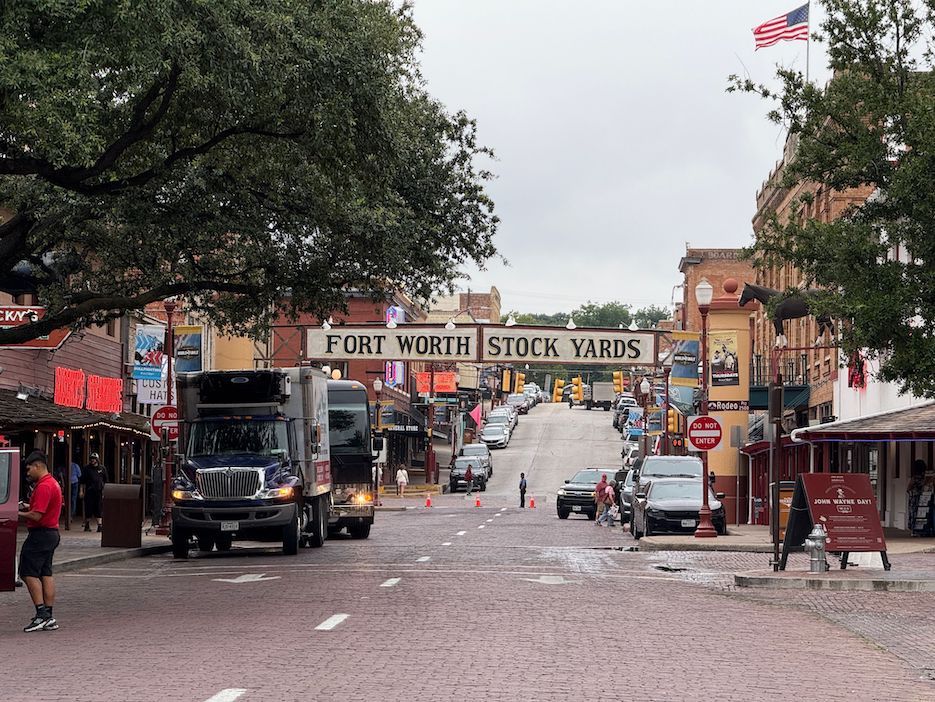
Dallas/Fort Worth, Texas
Dallas/Fort Worth is one of Texas’s major metropolitan areas and an important gateway to the state. Although the two cities are closely connected geographically and e [read more.]
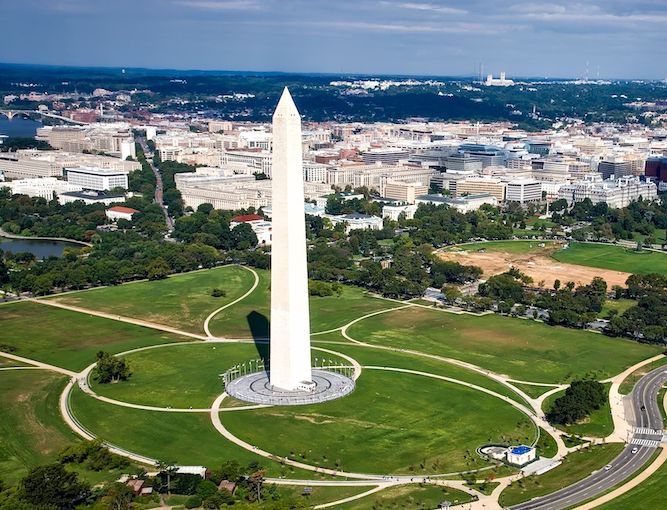
Washington, DC
Washington, DC is the capital of the United States and one of the country’s most distinctive travel destinations. Unlike most major American cities, its identity is s [read more.]
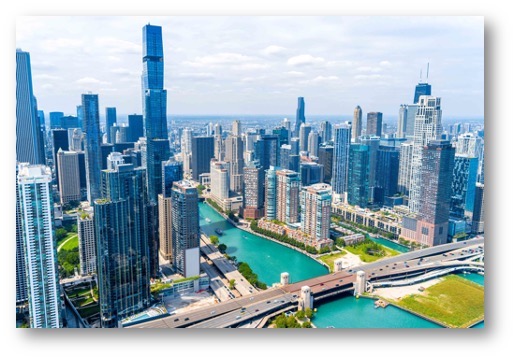
Chicago, Illinois
Chicago is one of the most recognizable cities in the United States, built along the shores of Lake Michigan and known for its architecture, museums, music, food, and e [read more.]

Las Vegas, Nevada, USA
Las Vegas is a city built around spectacle, imagination, and constant reinvention. Rising from the Mojave Desert in southern Nevada, it has transformed from a railroad [read more.]
To see more Waypoints in North America, please become a subscriber here.
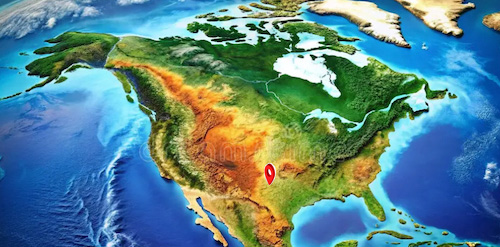
Clickable destinations featuring Reviews & Recommendations.
Oaxaca, Mexico
Oaxaca is one of Mexico's most culturally distinctive destinations, where Indigenous traditions, Spanish colonial architecture, contemporary art, and extraordinary ga [read more.]
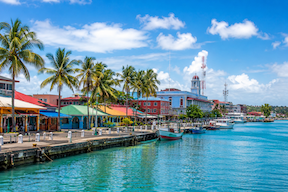
Limón, Costa Rica
Limón is the gateway to Costa Rica's Caribbean coast, a destination where tropical forests, beaches, wildlife, Afro-Caribbean traditions, and the rhythms of the sea [read more.]
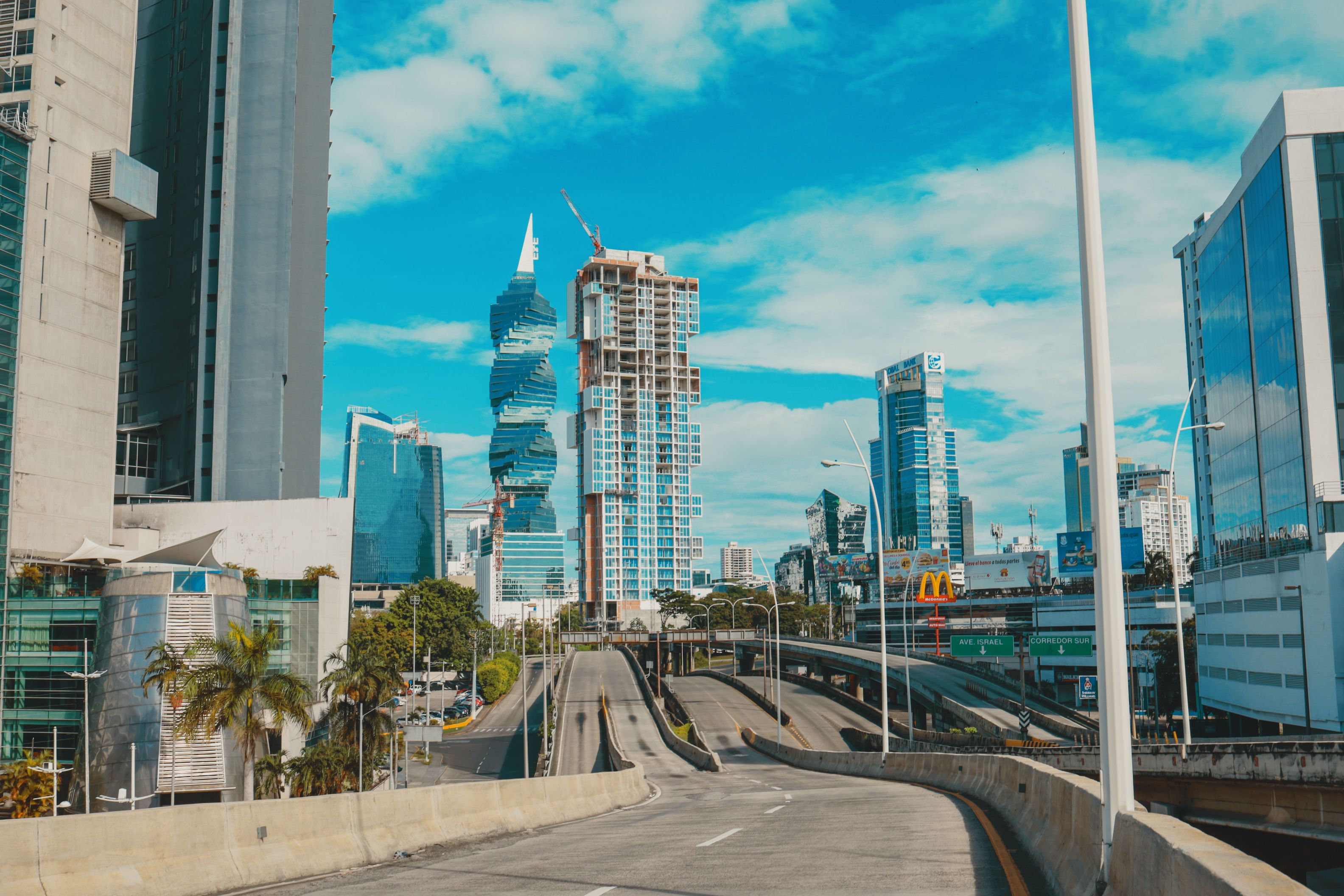
Panama City
Panama City is one of Central America's most dynamic destinations, where colonial history, global commerce, tropical nature, and modern architecture come together in [read more.]
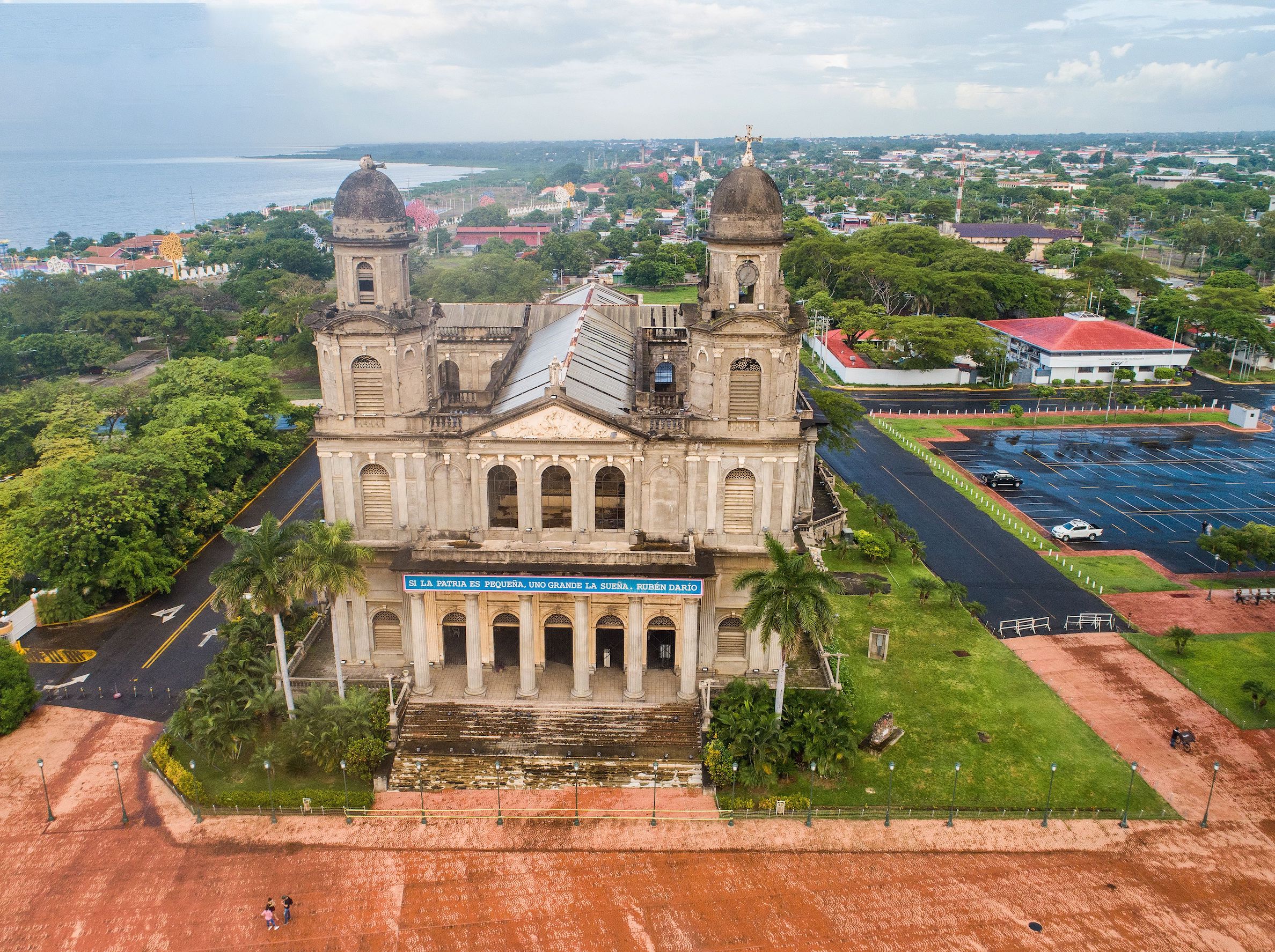
Nicaragua
Nicaragua is a country of volcanoes, lakes, colonial cities, tropical forests, Pacific beaches, and Caribbean islands. Located in the heart of Central America, it offer [read more.]
To see more Waypoints in Central America, please become a subscriber here.
Clickable destinations featuring Reviews & Recommendations.
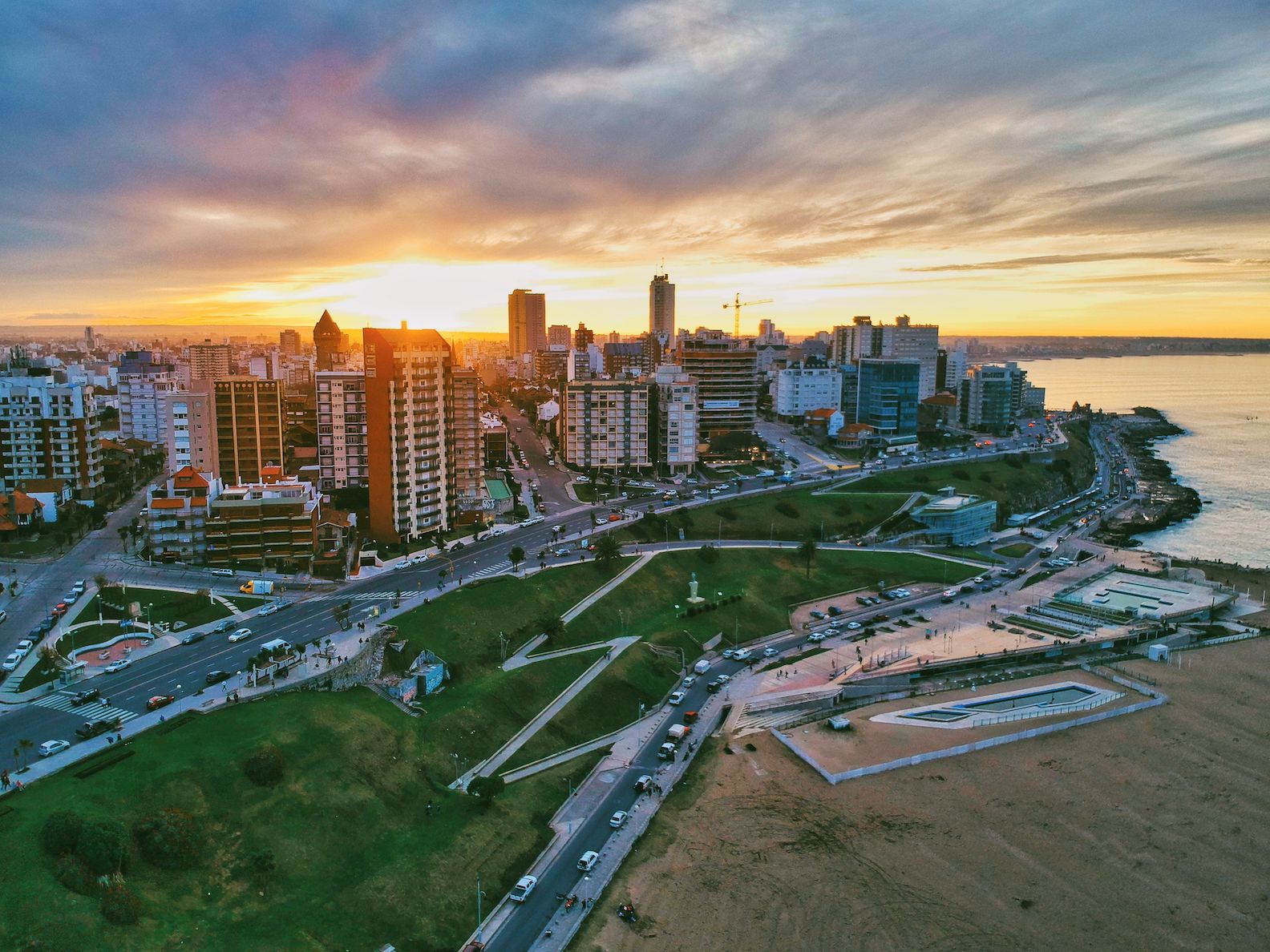
Montevideo, Uruguay
Montevideo is a city that rewards travelers who slow down. Uruguay’s capital stretches along the Río de la Plata, combining historic architecture, long waterfront pr [read more.]
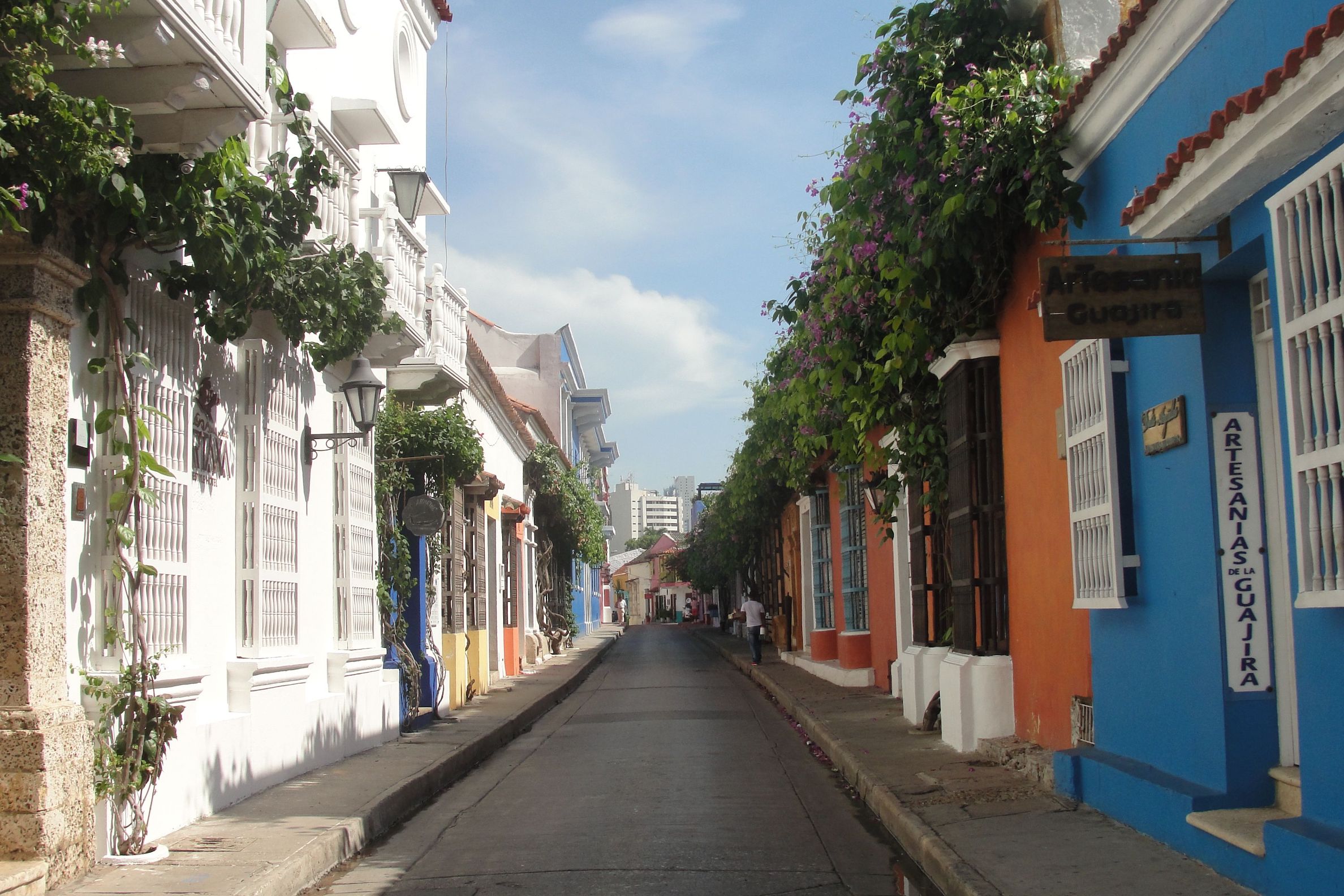
Cartagena, Colombia
Cartagena de Indias is a Caribbean city where centuries of history remain part of everyday life. Stone walls surround a UNESCO-listed historic center, colorful streets [read more.]
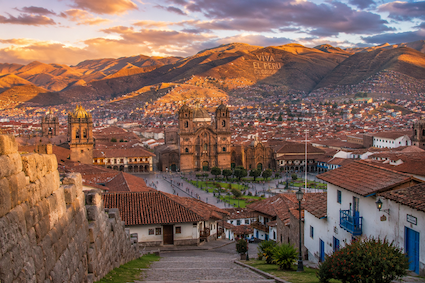
Cusco, Perú
Cusco is a city where the legacy of the Inca Empire remains visible in stone walls, archaeological sites, colonial churches, traditional markets, and the living culture [read more.]
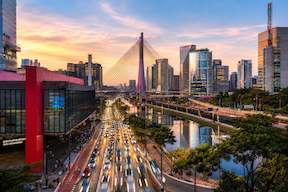
São Paulo, Brazil
São Paulo is a city of immense scale, cultural diversity, and relentless energy. As the largest city in Brazil and one of the largest metropolitan areas in Latin Ameri [read more.]
To see more Waypoints in South America, please become a subscriber here.
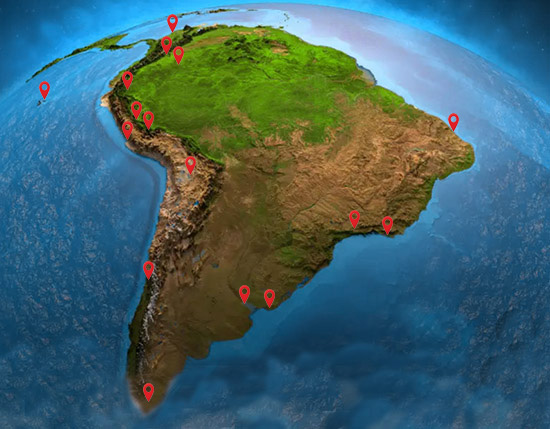
Clickable destinations featuring Reviews & Recommendations.
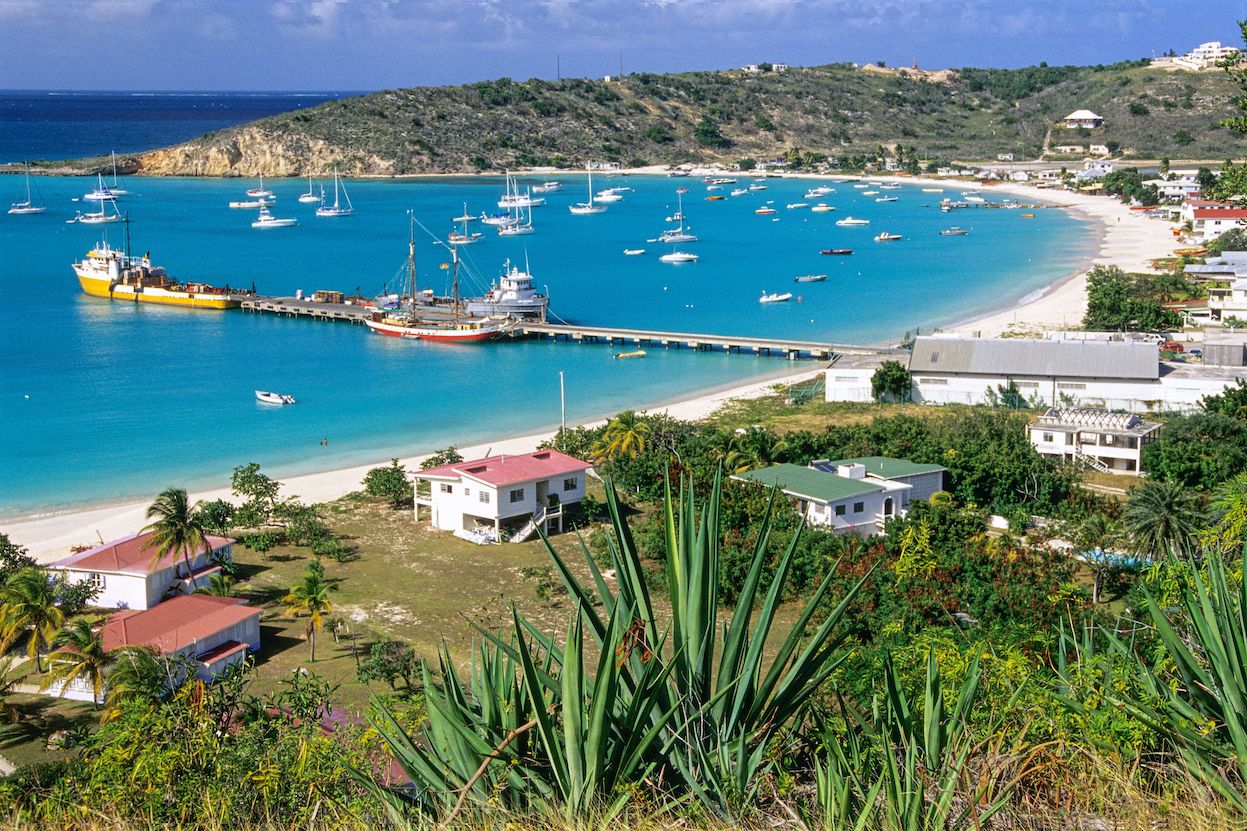
Anguilla
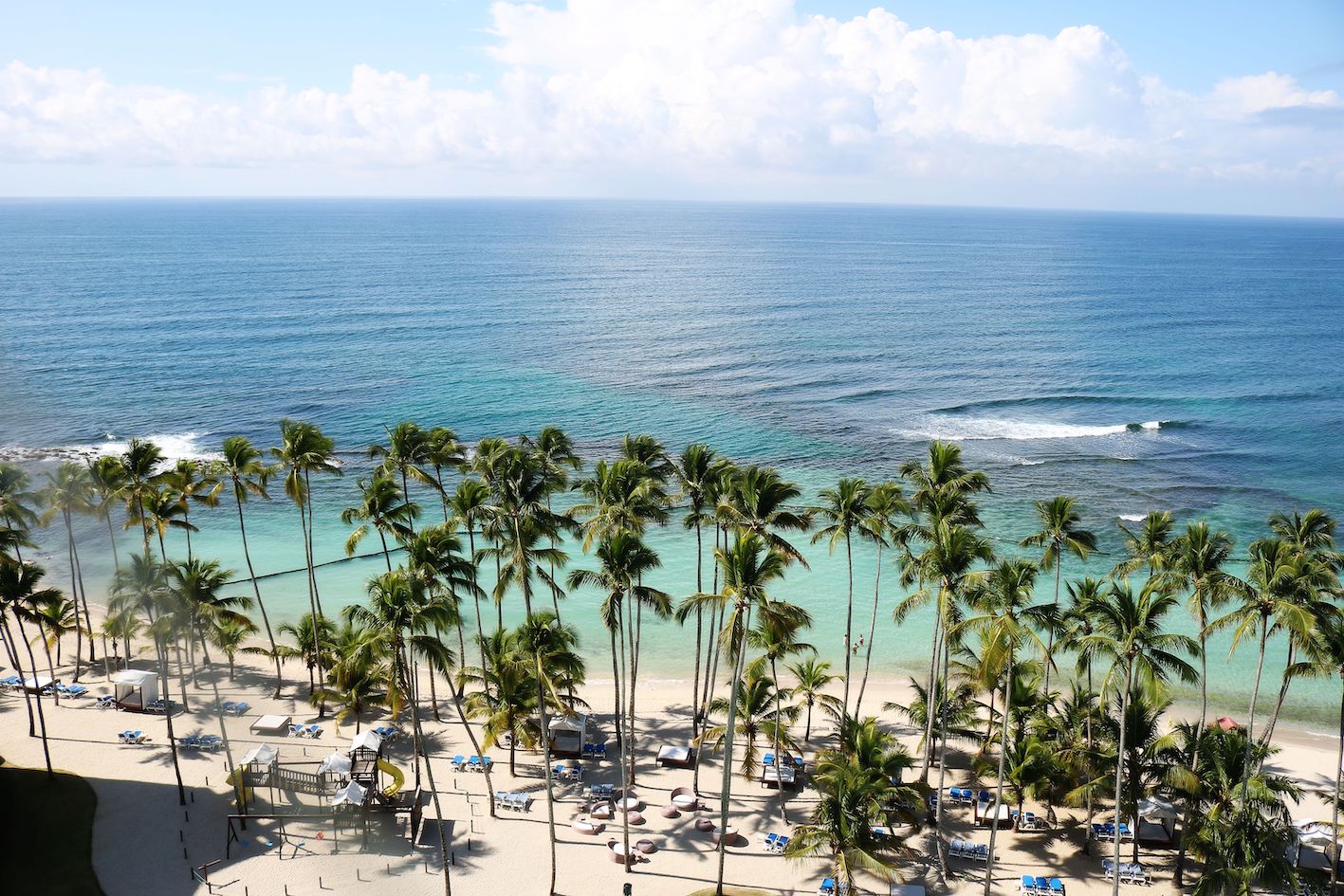
Jamaica
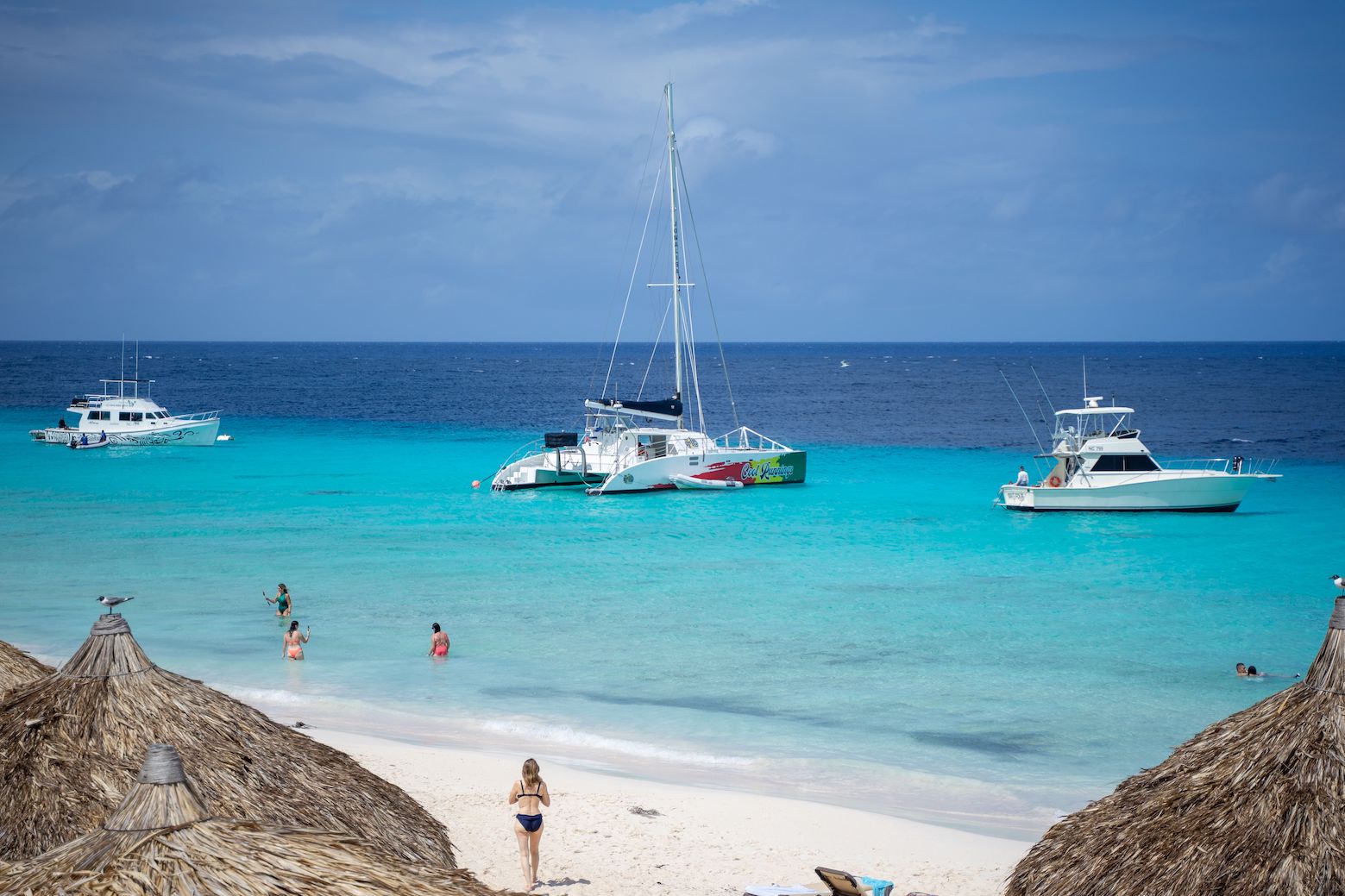
Aruba
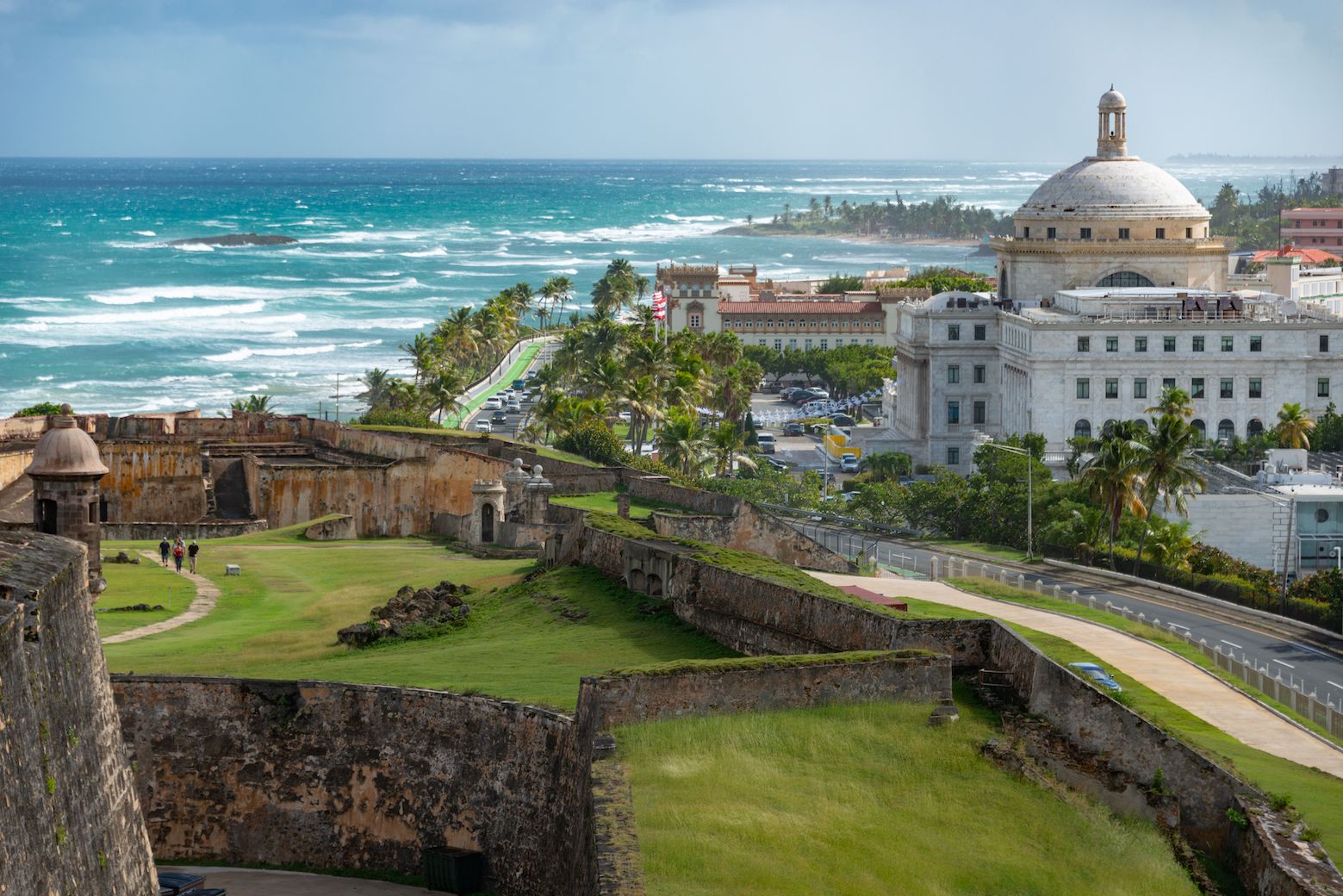
Puerto Rico
To see more Waypoints in The Caribbean, please become a subscriber here.
|
Waypoint Finder (Over 1,000 destinations in PanAmerica) |
|---|

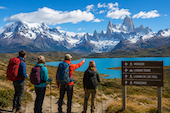

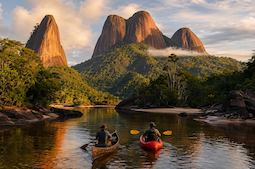
Nature
Tours that connect us with nature.
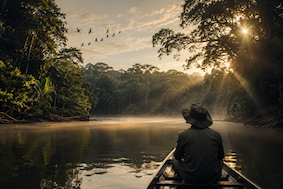
Explore the Tambopata Amazon Reserve
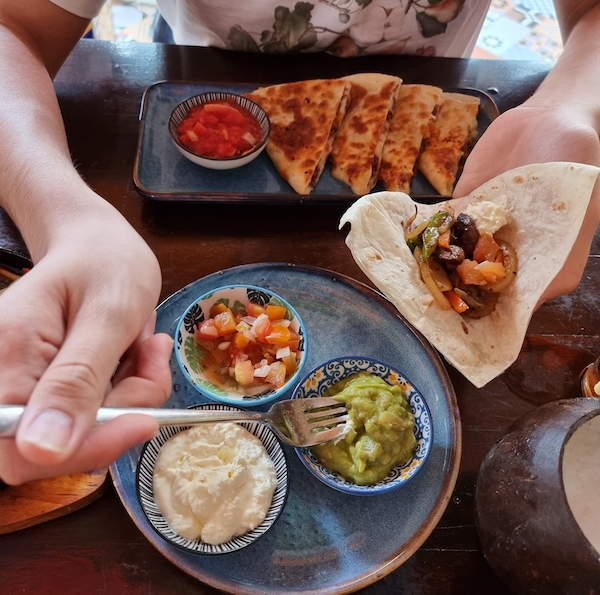
Food & Culture
What's coming up of interest to tourism specialists in Pan America.
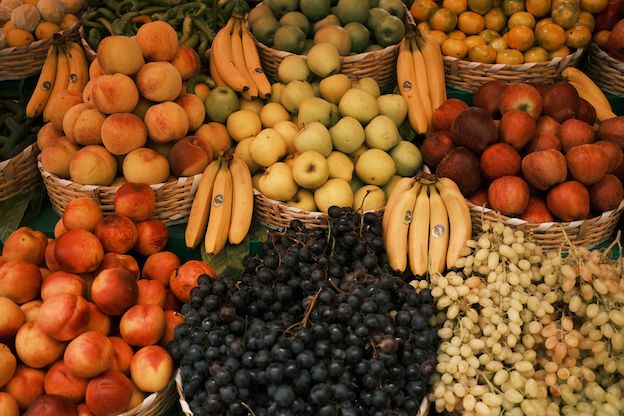
Real City Tours – Exotic Fruits Tour in Medellín, Colombia
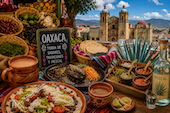
Oaxaca Food & Culture Tour – A Culinary Journey Through Mexico’s Indigenous Flavors
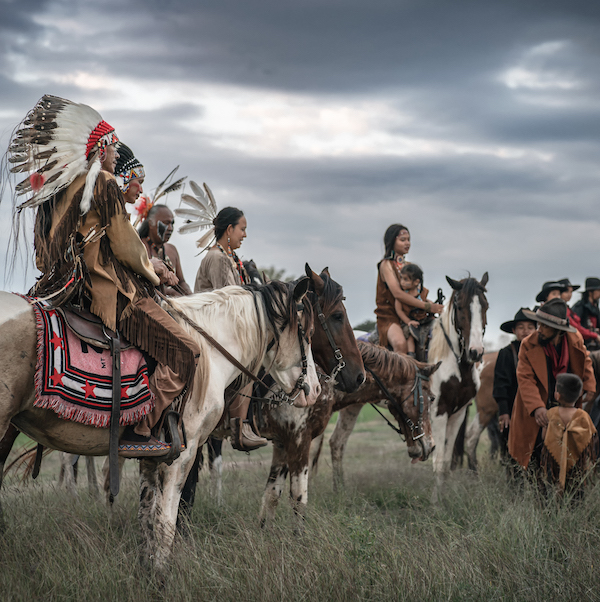
Indigenous Tours
Fashion, romance and wellness for travelers seeking confidence and style.
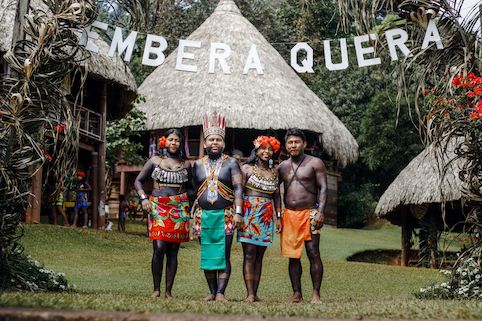
Experience the Emberá of the Darién – On the Only Expedition Operated by An Indigenous Community
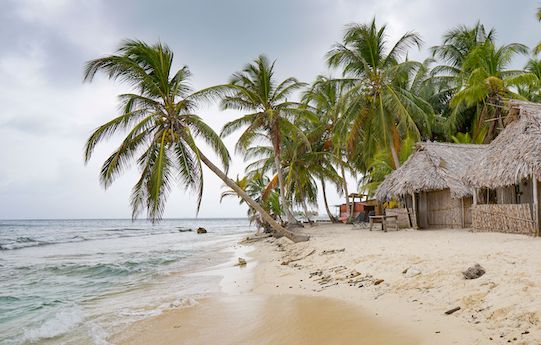
Indigenous Cultural Tour Guna Yala – Discover the Exotic San Blas Islands
Indigenous Canada Tour – Explore First Nations, Inuit And Métis Cultures
Outdoor Sports
Fashion, romance and wellness for travelers seeking confidence and style.

North Patagonia Ice Field Expedition Tour In Chile