|
Pan American Experiences
|
------- |

Hemisphere Related Articles:
Commune With the Past | Archaeological Tourism and the Art of the Dig
Narcissism and Relationships: Impact on Women's Lives
Monarch Butterflies: The Migration That Turns a Forest Into a Sea of Wings |
HEMISPHERE ------------------------------------------996[COLUMN] | |||
The Wall and the Sacred BeeAll-Inclusive Resorts Are Opening Their Gates to More Immersive Travel ExperiencesBy Heydi Bernal for Ruta Pantera on 10/22/2026 11:23:18 AM |
||||
| A melipona bee colonies produce far less honey than colonies of European honeybees. On Mexico’s Yucatán Peninsula, this small stingless bee represents much more than a product: it is part of a Maya tradition passed down through generations. In May 2026, Mexico officially recognized the geographical origin of melipona honey from Quintana Roo’s Zona Maya corridor through a geographical indication, a measure intended to protect its authenticity and strengthen the value of a product rooted in biodiversity and traditional knowledge. The announcement offers a way to examine one of contemporary tourism’s biggest promises: that all-inclusive resorts are moving beyond the vacation model in which visitors enjoy pools, restaurants, and entertainment without learning much about the places surrounding them. The question is not whether hotels talk about sustainability or incorporate Maya elements into their décor. It is more specific: Who produces what guests consume? Who organizes cultural experiences? And how much money actually reaches local communities? The evidence points to an uneven picture. There are documented examples of commercial partnerships and community projects. New community-based tourism initiatives have also received government support. But there is still insufficient evidence to claim that the all-inclusive sector as a whole has transformed its business model. The Wall: An Industry of Extraordinary Scale Quintana Roo offers a sense of the scale involved. In June 2025, state tourism statistics recorded 135,961 rooms across 1,478 hotels. These figures cover the entire state, not just all-inclusive resorts, but they help illustrate the size of the industry operating alongside Maya communities. Tourism growth has created jobs, commercial opportunities, and infrastructure. It has also raised questions about who controls the revenue and who bears the costs of development. The all-inclusive model concentrates much of the visitor’s spending inside the property: accommodation, meals, drinks, and entertainment are bundled into a single package. This may reduce the incentive to purchase goods and services outside the hotel, although the effect depends on the destination, the property, and individual travel behavior. It would be misleading to claim that a fixed percentage of tourism spending is lost to local economies everywhere. Estimates of tourism-related economic leakage vary considerably, and a recent, destination-specific measurement is not available here to establish a single figure for Quintana Roo’s resorts. The concern nevertheless remains relevant: a region can receive millions of visitors while local producers, guides, and artisans struggle to gain access to that market. Three Doors to Local Culture The Commercial Door: Much Kaab and Maya Honey Much Kaab, a Maya beekeeping cooperative in the community of Los Juárez, is one of the better-documented examples of collaboration between small producers and the tourism industry. The initiative received support from the Travel Foundation to develop honey products and establish commercial relationships with hotels. Buyers named in the project documentation included Grand Park Royal Cancún Caribe, Grand Palladium Riviera Maya, and businesses associated with Karisma. The organization’s historical report recorded approximately 17,000 pounds of honey products sold to five businesses during the project’s first three years. Another group, made up of women in Chumpón who produced fruit preserves, secured new contracts and commercial opportunities after the initial support ended. Published accounts of the project emphasized the importance of helping guests understand where products came from and who made them. This kind of connection can go beyond purchasing a local ingredient: it allows the knowledge of the people who produce it to become part of the story behind what reaches the hotel. There is, however, an important limitation. The published results describe a historical project. We have not confirmed which contracts remain active in 2026 or how much the hotels currently purchase. Nor do the figures establish that guests can visit the producers through excursions organized by the resorts. The honey project demonstrates that commercial connections are possible. Establishing whether they remain active requires current figures and direct confirmation from the parties involved. The Community Door: Sandos Caracol and Xyaat Another historical example involves Sandos Caracol Eco Resort and Xyaat, a Maya community organization based in Señor, Quintana Roo. In information published by the hotel, Sandos described a partnership that included a sales point for Xyaat excursions, the sale of handicrafts, and traditional ceremonies presented to guests. The resort also reported economic benefits and activities intended to support communities in the region. This case matters because the community is not simply a decorative reference: an identifiable organization promotes its culture and sells tourism experiences. However, the publicly available documentation concerns activities from previous years. We have not found sufficient confirmation that the specific agreement remains active today or that its original terms are still in place. A ceremony held inside a resort can provide a legitimate opportunity to share a tradition. Its presence alone does not guarantee that the community controls the experience, decides how its culture is represented, or receives a fair share of the revenue. The distinction lies in who makes the decisions, who delivers the experience, and what benefits remain in the community. |
||||
|
The Hotel Door: When Culture Stays Inside the Resort Some properties incorporate cultural elements into experiences that guests can enjoy without leaving the resort. Catalonia Playa Maroma has presented initiatives related to melipona bees and environmental education. Xcaret, meanwhile, incorporates art, gastronomy, and cultural activities into its tourism offering. These initiatives may contribute to cultural education and the preservation of traditional practices. Nevertheless, the presence of a ceremony, workshop, or handmade product does not automatically establish that a fair commercial relationship exists with the communities from which the traditions originate. Evaluating these experiences requires specific questions: Who designs and leads the activity? Do community knowledge holders participate? How are they compensated? Who decides which aspects of the culture are presented to visitors? In the cases examined, publicly available information does not answer all these questions. It would therefore be unfair to label these experiences automatically as misleading, but equally premature to present them as sufficient proof that the tourism model has changed. A Community-Based Alternative Gains Recognition Outside hotel complexes, community-based tourism is gaining greater institutional recognition. In March 2026, Mexico’s National Tourism Promotion Fund (Fonatur) announced three community-based tourism destinations: Maya Ka’an in Quintana Roo, Camino del Mayab in Yucatán, and Pueblos Mancomunados in Oaxaca. The announcement came as Mexico positioned community tourism as a matter of public interest and a government priority. In August, Fonatur and the Quintana Roo government signed an agreement to support Maya Ka’an. The announcement included a state investment of 20 million pesos for signage, improvements to public spaces, and the development of the Guerra de Castas tourism route. On October 2, Mexico’s Environment and Natural Resources Secretariat reported that the Sian Ka’an Biosphere Reserve had 47 community tourism enterprises, 150 accredited service providers, and 140 authorizations for tourism and recreational activities. The experiences described included lodging, food, handicrafts, traditional medicine, and guided excursions. These developments indicate that community-based tourism is receiving institutional recognition and support. But two issues must be distinguished: the existence of community-run experiences and the regular inclusion of those experiences in all-inclusive resort packages. The official information reviewed does not demonstrate that major hotels are systematically directing their guests to these enterprises. That connection remains one of the central questions for further investigation. Nor should official promotion be confused with proven economic outcomes. Funding announcements and institutional recognition are concrete steps, but they do not establish how much additional income families receive or how benefits are distributed. The Connection Missing From the Brochures Tourism properties hire local people for kitchens, housekeeping, maintenance, reception, landscaping, and other roles. These jobs create income and training opportunities, but they do not necessarily provide guests with a cultural experience or guarantee fair working conditions. Assessing tourism’s impact on communities requires looking at both opportunities and the conditions under which they are created. Wages, working hours, job security, transportation from communities, and opportunities for advancement all belong in the discussion about who benefits from tourism. Isolated salary figures or labor disputes should not be used to characterize the entire industry. An up-to-date assessment of Quintana Roo’s tourism workforce would require recent labor statistics, collective agreements, official data, and current worker testimony. The central issue remains: the most frequent connection between a large tourism business and the local population may be the everyday employment relationship, even though this reality rarely takes center stage in the experience sold to travelers. How to Recognize a Meaningful Cultural Connection A cultural experience deserves closer scrutiny than a promotional photograph can provide. Certain indicators help distinguish community participation from an initiative that merely uses cultural references. A strong experience identifies the community, the organization, and the people leading it. It explains what the community receives, shows how decisions are made, and provides verifiable information about compensation or economic benefits. Location also matters. Visiting a community, buying directly from producers, or taking part in a workshop led by community members can create a different relationship from an activity staged entirely within a hotel property. No single element guarantees that an experience is fair or authentic. Together, however, these indicators help travelers ask better questions and demand greater transparency from establishments that promote local culture as part of their offering. Verdict: An Open Door Does Not Transform an Entire Industry The available evidence supports a nuanced conclusion. There are documented examples of hotels purchasing products from Maya cooperatives and collaborating with community organizations. Community-based tourism initiatives are receiving institutional support in 2026, and official protection for melipona honey reinforces recognition of a product rooted in traditional knowledge. But there is insufficient evidence to conclude that Quintana Roo’s all-inclusive resorts, as a sector, have abandoned a model that concentrates the guest experience and spending within their properties. Some commercial relationships are documented, although their current results need confirmation. Some cultural experiences take place inside hotels, but public information does not always reveal who controls them or how revenue is distributed. And new community tourism policies do not, by themselves, prove that major resorts are connecting their guests with those initiatives. The most useful question for travelers is not whether a resort features Maya-inspired décor, serves local honey, or advertises a sustainability program. It is whether the resort can explain where its products come from, who leads its cultural experiences, and what tangible benefits local communities receive. The melipona bee offers a useful way to frame this investigation. Its honey cannot easily be separated from the ecosystem, the care it requires, or the knowledge of the people who produce it. In the same way, a cultural experience should not be separated from the people who keep that culture alive. The resort door may be open. What remains to be demonstrated, case by case, is whether it leads to a lasting and fair relationship—or simply to another experience designed for sale. |
||||
 Add this article to your favorites
[FOR MEMBERS ONLY] Copy this link to send this article to a friend: [FOR MEMBERS ONLY] |
||||
|
|
||||
|---|---|---|---|---|
| |
|
|
|
|
×
|
||||
|
References: Secretariat of Agriculture and Rural Development of Mexico. (2026). Melipona honey receives Geographical Indication protection. https://www.gob.mx/agricultura/ Official Gazette of the Federation. (May 12, 2026). Declaration of Protection for the Geographical Indication “Melipona Honey from the Zona Maya Corridor of Quintana Roo.” https://sidof.segob.gob.mx/notas/5787139 Quintana Roo Secretariat of Tourism. State tourism results and hotel infrastructure statistics.https://sedetur.qroo.gob.mx/ The Travel Foundation. Honey and jam in Mexico. https://travelfoundation.wordpress.com/category/mexico/ Sandos Hotels & Resorts. Maya communities: Sandos and Xyaat supporting the Maya people.https://blog.sandos.com/sandos-y-xyaat-apoyando-a-las-comunidades-mayas/ National Tourism Promotion Fund (Fonatur). Information on community-based tourism destinations and Maya Ka’an. https://www.gob.mx/fonatur/ Secretariat of Environment and Natural Resources. Information on conservation and community-based tourism in Sian Ka’an. https://www.gob.mx/semarnat/ |
||||
Please leave a comment about this article: 996 |
|
| Enter your email address: |
Your email will not be displayed. |
| Your nickname: | |
| Your comment: | |
| Was this article helpful to you? | |
|
|
|
Articles about exciting travel experiences in our hemisphere.
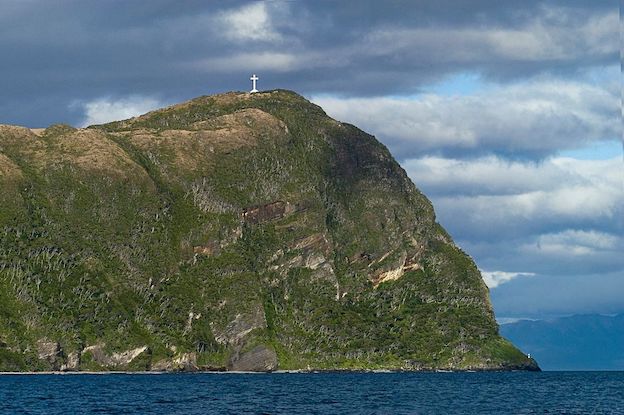
Cape Froward, Chile
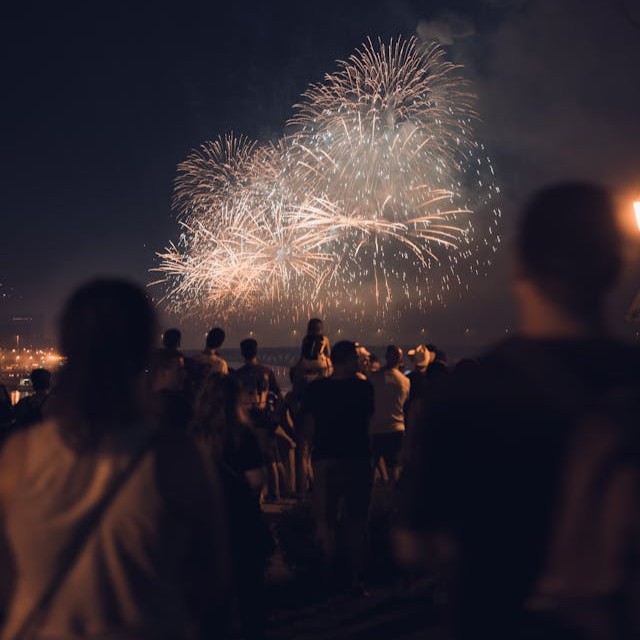

Welcome to the World’s Largest New Year’s Celebration
For those traveling from North, Central, or South America, New Year's Eve in Rio offers a rich narrative about how a city can transform a universal holiday into a unique celebration, rooted in local traditions and open to the world.





|
Experiences Finder
(Search our catalog of Experiences here.) |
|---|