|
Pan American Experiences
|
------- |


Photo Credit: Alberto Lara / Pexels.
The Jaguar and the Peoples Who Have Lived Alongside It |
HEMISPHERE ------------------------------------------949[TRAVEL+CULTURE] | |||
Beyond HalloweenHow Latin America Celebrates the Living, the Dead, and Everything in BetweenBy Jazmin Agudelo for Ruta Pantera on 10/30/2026 11:23:18 AM |
||||
| As October draws to a close, Latin America enters a season of costumes, candy, candlelight, and remembrance. Halloween has become increasingly visible through parties, shopping centers, school activities, and children’s celebrations, but it shares the calendar with traditions that have much deeper cultural and family meanings. Mexico, Guatemala, Colombia, and Argentina demonstrate that there is no single Latin American way of honoring the dead. Instead, each country combines local history, Indigenous heritage, religious traditions, popular culture, and contemporary influences.
More Than Costumes: Two Ways of Facing Death Halloween, celebrated on October 31, is largely associated with costumes, candy, entertainment, and playful images of ghosts, witches, and skeletons. Día de Muertos, particularly in Mexico on November 1 and 2, has a different emphasis: remembering deceased relatives through offerings, food, flowers, photographs, and family gatherings. The distinction is important because the two celebrations can coexist without being interchangeable. One often transforms death into playful fantasy, while the other places remembrance and family memory at the center. Mexico: Where Memory Becomes an Offering Mexico offers one of the region’s most recognizable traditions. During Día de Muertos, families create ofrendas with photographs, candles, marigolds, favorite foods, drinks, and personal belongings of deceased relatives. Food is an essential part of the experience, with pan de muerto, sugar skulls, tamales, and regional dishes appearing during the season. For travelers, Oaxaca and communities around Lake Pátzcuaro in Michoacán offer opportunities to experience distinctive public and family-centered traditions. Halloween also exists in contemporary Mexico, especially among younger generations, but it has not replaced the cultural significance of Día de Muertos. Guatemala: When Giant Kites Connect Two Worlds In Guatemala, November 1 brings one of the region’s most spectacular traditions: the Giant Kite Festival in Sumpango and Santiago Sacatepéquez. Communities create enormous kites from paper and bamboo, often incorporating social messages, environmental concerns, and local stories. The tradition is connected to Maya-Kaqchikel heritage and to the commemoration of ancestors. Families also visit cemeteries and decorate graves with flowers and wreaths, demonstrating that remembrance can be colorful, artistic, communal, and deeply connected to the transmission of knowledge between generations. |
||||
|
Colombia: Halloween Takes a Local Accent
In Colombia, October 31 is widely celebrated as Halloween or Día Dulce de los Niños. Children dress as superheroes, princesses, monsters, and popular characters before going out to collect candy, while schools, shopping centers, residential complexes, and other venues organize activities and costume contests. Adults also participate through themed parties and nightlife. Yet Halloween should not be confused with Colombia’s diverse religious, regional, and family traditions surrounding death and remembrance. For travelers, the most interesting approach is to see Halloween as part of contemporary urban culture while exploring the country’s broader cultural and regional traditions separately. Argentina: Regional Traditions Beyond the Halloween Party Argentina illustrates why it is difficult to describe Latin America through a single cultural lens. Halloween is visible in cities such as Buenos Aires, particularly through parties and youth-oriented events, but its importance varies across the country. In Jujuy, traditions surrounding the Día de los Santos Difuntos offer another perspective. Families honor deceased relatives at cemeteries and prepare offerings at home, including favorite foods and drinks and other culturally significant elements. These practices demonstrate how Indigenous heritage, Catholic traditions, and local histories have shaped different ways of remembering the dead. What Do People Eat, Wear, and Visit? There is no single menu, costume, or destination that defines this season across Latin America. Mexico is associated with pan de muerto and family offerings; Guatemala with its monumental kites; Colombia and Argentina with Halloween sweets, costumes, parties, and regional remembrance traditions. Travelers can explore public cultural festivals, historical cemeteries, community exhibitions, traditional food, and organized Halloween events. In every destination, however, it is important to understand that cemeteries and family rituals are places of remembrance rather than simply atmospheric settings for photographs. When Tradition Becomes a Commodity Commercialization is increasingly visible during these celebrations. Costume retailers, candy companies, shopping centers, restaurants, and tourism businesses benefit from Halloween, while the international popularity of Día de Muertos has also created new markets for decorations, products, tourism experiences, and cultural imagery. This visibility can support artisans and local economies, but it can also reduce complex traditions to recognizable symbols such as sugar skulls, marigolds, skeleton makeup, or giant kites. The difference lies in participation: supporting local creators and learning from communities can create meaningful encounters, while treating sacred traditions as props can strip them of their cultural context. A Season That Belongs to More Than One Story Halloween and ancestral remembrance can share the same calendar without sharing the same meaning. Across Mexico, Guatemala, Colombia, and Argentina, traditions continue to evolve through migration, popular culture, family practices, Indigenous heritage, and local creativity. For travelers, the opportunity is to look beyond costumes and decorations and understand the people and stories behind them. The most meaningful journey may not be about being frightened by the dead, but about discovering how different communities choose to remember, celebrate, and keep their ancestors present in the lives of the living. |
||||
 Add this article to your favorites
[FOR MEMBERS ONLY] Copy this link to send this article to a friend: [FOR MEMBERS ONLY] |
||||
|
|
||||
|---|---|---|---|---|
| |
|
|
|
|
×
|
||||
|
References: Instituto Nacional de Antropología e Historia. (2023). El origen del Día de Muertos. Gobierno de México. INAH Policía Nacional de Colombia. (2019, 31 de octubre). Día dulce de los niños. Gobierno de Colombia. Policía Nacional de Colombia Secretaría de Agricultura y Desarrollo Rural. (2017, 30 de octubre). Pan de muerto, banquete mortuorio. Gobierno de México. Gobierno de México Secretaría de Cultura, Argentina. (2023). Día de los Santos Difuntos. Gobierno de Argentina. Argentina UNESCO. (2008). Las fiestas indígenas dedicadas a los muertos. Patrimonio Cultural Inmaterial. Convención del Patrimonio Inmaterial UNESCO. (2024). Technique of making the giant kites of Santiago Sacatepéquez and Sumpango, Guatemala. Intangible Cultural Heritage |
||||
Please leave a comment about this article: 949 |
|
| Enter your email address: |
Your email will not be displayed. |
| Your nickname: | |
| Your comment: | |
| Was this article helpful to you? | |
|
|
|
Articles about exciting travel experiences in our hemisphere.
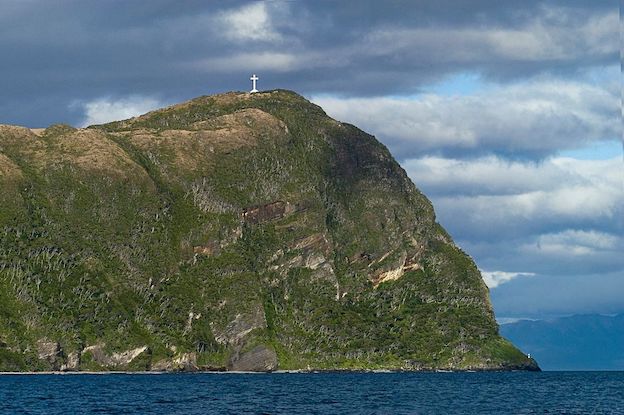
Cape Froward, Chile
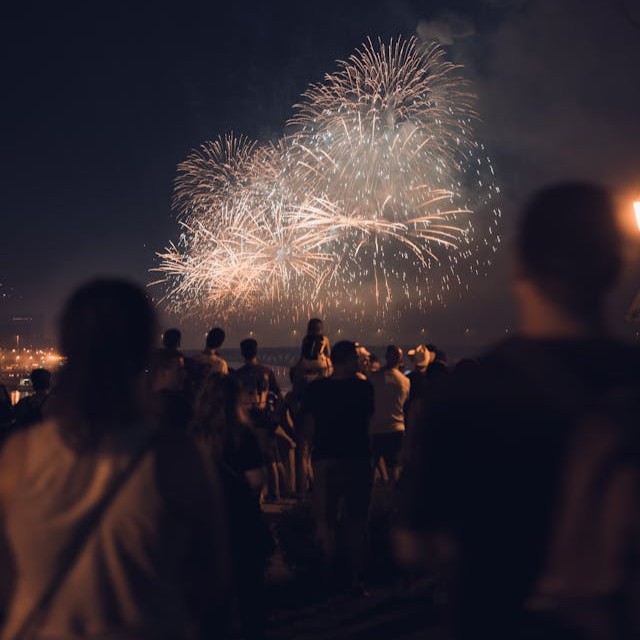

Welcome to the World’s Largest New Year’s Celebration
For those traveling from North, Central, or South America, New Year's Eve in Rio offers a rich narrative about how a city can transform a universal holiday into a unique celebration, rooted in local traditions and open to the world.





|
Experiences Finder
(Search our catalog of Experiences here.) |
|---|