|
Pan American Experiences
|
------- |

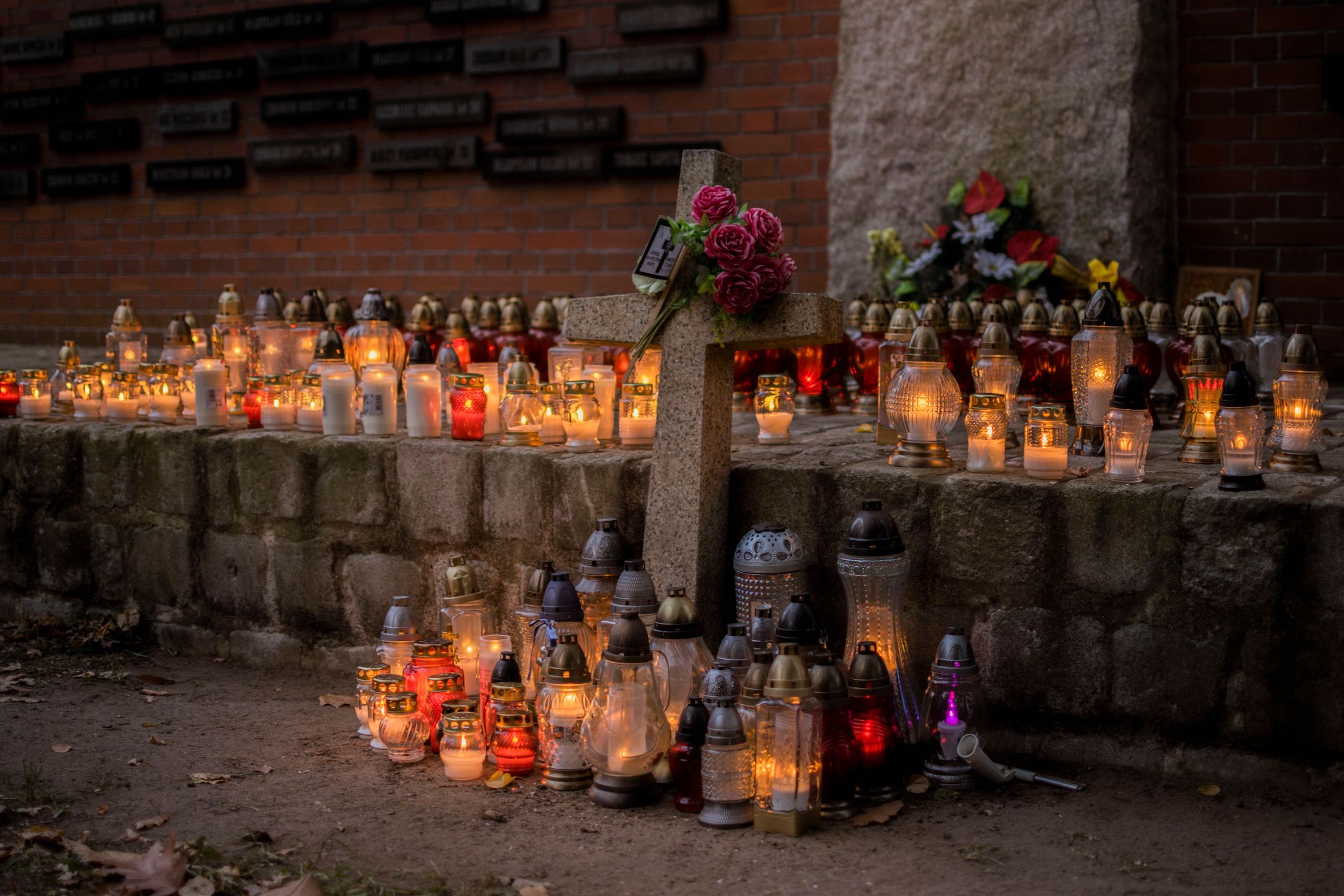
MEXICO | A Celebration with Ancestral Roots
Journey to the Great Forests and National Parks of the Americas
Selena and Los Dinos: The Documentary Reviving the Legacy of a Latin American Cultural Icon.
Swim With Sea Lions: A Wildlife Adventure to Santa Fe Island, Galápagos
|
HEMISPHERE ------------------------------------------946[TRAVEL+CULTURE] | |||
Two Days, One Thread: How the Americas Speak to Their Dead (and Their Saints)By Heydi Bernal for Ruta Pantera on 10/31/2026 7:09:19 AM |
||||
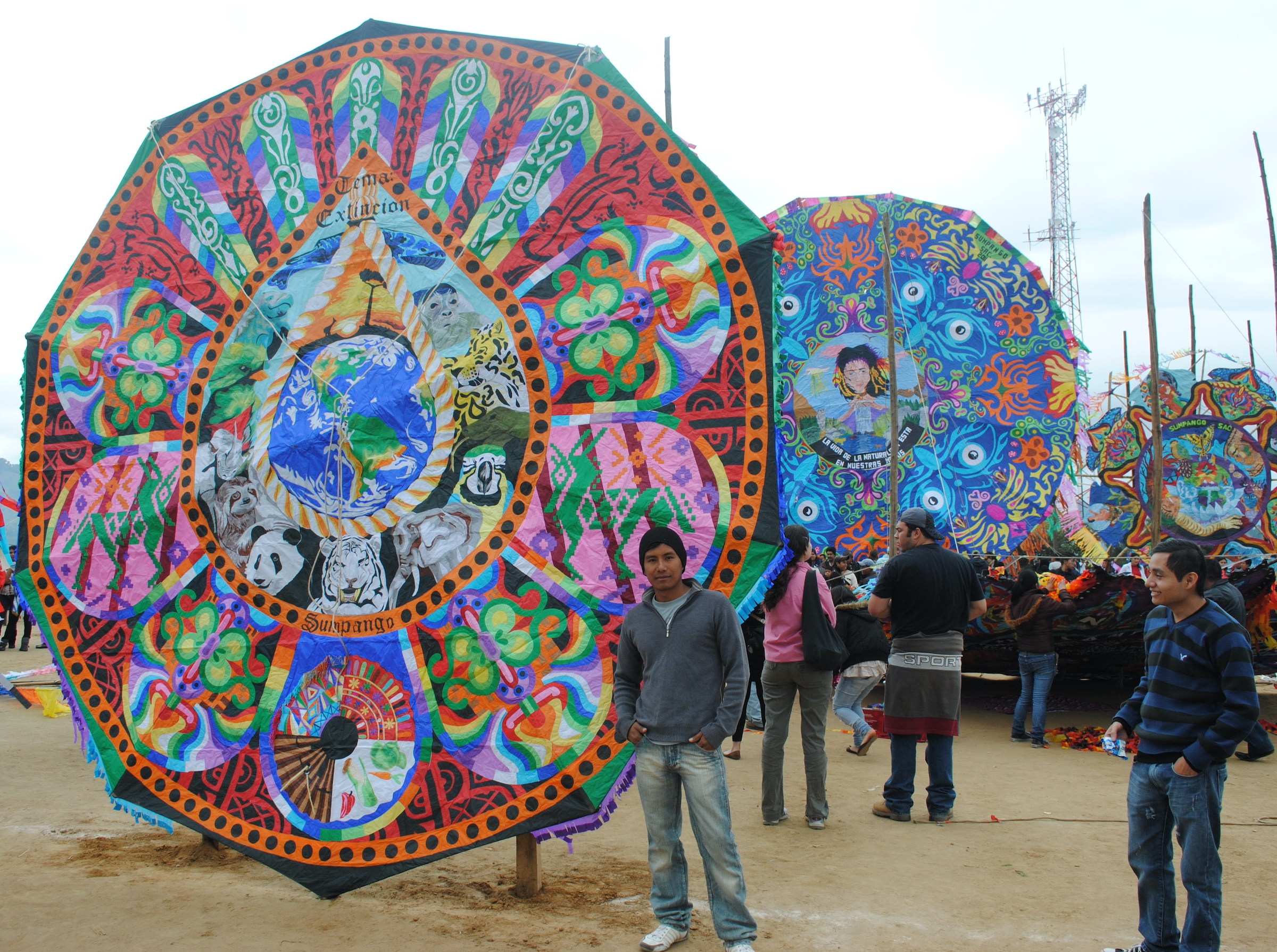
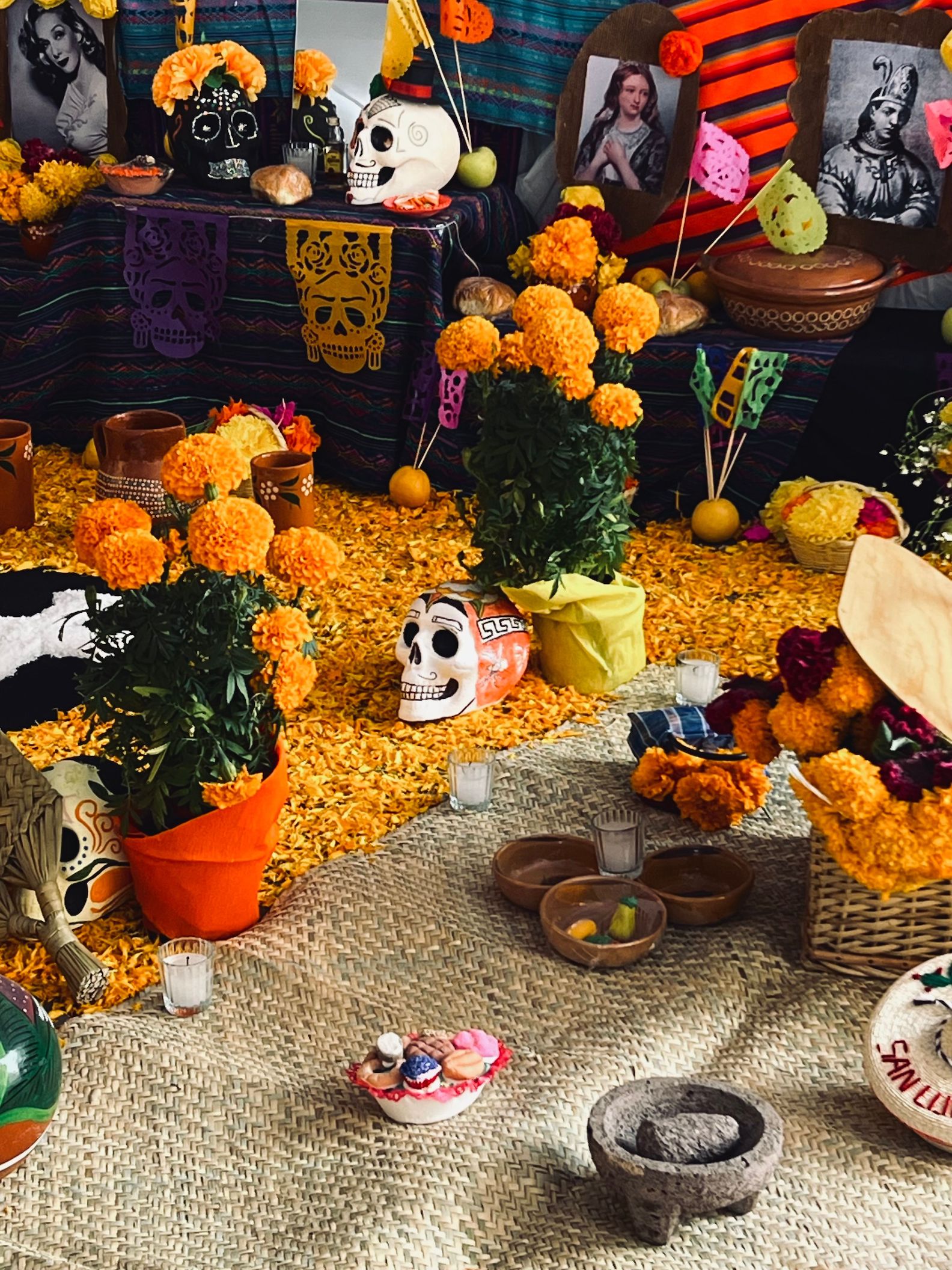
| Every year, from November 1 to 2, half the continent lights candles, bakes bread shaped like children, flies kites the size of houses and gathers to eat beside graves. Many people believe it is one celebration with two names. It is not. These are two distinct observances, each with its own meaning and rituals, and understanding the difference makes everything else fall into place. November 1: A Celebration of the Saints The Feast of All Saints, celebrated on November 1, is a solemnity in which the Catholic Church honors all those who, according to its teachings, have attained sainthood. This includes not only the saints listed on the calendar, with their familiar names and devotional images, but also known and unknown saints, the anonymous men and women who share in God's holiness. It is a celebration of spiritual victory and is designated as a holy day of obligation under the Church's universal law, meaning Catholics are expected to attend Mass on that day. November 2: A Day to Pray for the Departed The tone changes the following day. The Commemoration of All the Faithful Departed, observed on November 2, remembers baptized Christians who, according to Catholic belief, are in purgatory because they died with lesser sins. This is not a day to celebrate the dead as saints; it is a day to pray for them. As one source explains, November 1 honors the saints, while November 2 is devoted to praying for the departed, not worshipping them, because the Church does not worship death. Another detail surprises many people: the universal Church does not consider All Souls' Day a holy day of obligation. It is one of the continent's most widely observed religious traditions, but attending Mass is not mandatory. Put simply, November 1 celebrates a life fulfilled, while November 2 honors a memory that never fades. One date looks toward heaven; the other looks toward the grave. A Centuries-Old Story with a Dramatic Twist The story begins in Rome. Pope Boniface IV consecrated the Pantheon, the ancient temple dedicated to pagan gods, as a church honoring the Virgin Mary and all the martyrs on May 13. Later, Pope Gregory III (731–741) moved the celebration to November 1, and Gregory IV (827–844) extended it to the entire Church. Popular tradition often connects this change with the Celtic festival of Samhain, although historians continue to debate how much influence that celebration actually had. Saint Odilo and the Origins of All Souls' Day The observance for the departed came later, and it began in a monastery. In 998, Saint Odilo, the abbot of Cluny, established a day of prayer, fasting and Mass for the dead in all the monasteries under Cluny's authority. The custom was eventually adopted by Rome and became part of the practice of the Latin Church. A medieval abbot gave much of the world a day to remember its loved ones. One important distinction: Orthodox Churches follow a different calendar and celebrate All Saints' Day on the first Sunday after Pentecost. The Americas Made It Their Own This is where the story becomes spectacular. Across our hemisphere, Catholic traditions encountered Indigenous rituals that were much older. Mexico and Guatemala draw on Aztec and Maya traditions, while Bolivia and Peru still reflect the influence of the Inca. The result is an extraordinary cultural mosaic. Mexico: Flowers, Offerings and a Night in the Cemeteries In Mexico, the days follow their own logic: November 1 is dedicated to remembering the “little dead,” or children who have passed away, while November 2 is devoted to praying for the souls of the departed. Altars are filled with cempasúchil marigolds, candles, photographs, pan de muerto and the favorite dishes of those being remembered. UNESCO added this Indigenous celebration to its Representative List of the Intangible Cultural Heritage of Humanity in 2008. At cemeteries, families arrive with brooms, buckets of water, food, drinks and countless flowers to decorate the graves of their loved ones. It is a day that blends the happiness of remembering with the sadness of saying goodbye. In Janitzio and Mixquic, the observance unfolds over a long night. According to an academic study, between the night of November 1 and the early hours of November 2, Indigenous residents set up altars at home before heading to the cemetery to decorate the graves, eagerly and joyfully awaiting the symbolic return of their loved ones. Eagerness and joy, together in the same sentence. The Stories Behind the Offerings Some testimonies are difficult to read without a lump in your throat. In a year when Mexican cemeteries were unable to receive visitors, 75-year-old Norberta set up an offering at home for her deceased daughter. The EFE news agency found her with a trembling voice. She had prepared the altar because “she loved doing all this.” Her daughter was no longer there to celebrate, but Norberta found the strength to carry on the gesture. A horticulturist who teaches about the tradition at the Chicago Botanic Garden shares with his students a phrase he learned from his Mexican family: “Our family only leaves us when we forget them.” He explains that their altar includes the things each departed relative loved: yellow roses and mole for his great-grandmother, tejuino for his great-grandfather, tamales and tequila for everyone, with mariachis playing until dawn. Guatemala: Kites Connecting Heaven and Earth In Guatemala, the sky becomes a cemetery. Every November 1, the towns of Sumpango and Santiago Sacatepéquez hold giant kite festivals, featuring colorful paper creations covered in intricate geometric designs. Residents say the kites guide spirits on their journey back to Earth to reunite with their loved ones. A local legend tells of evil spirits that once harassed the good souls in Sumpango's cemetery, and says the giant kites were created in response. Guatemala has even sought recognition for the traditional techniques used to make these enormous kites as Intangible Cultural Heritage of Humanity. As evening falls, cemeteries fill with families celebrating their loved ones with marimba music, dancing, food and drinks. Here, grief has a rhythm. |
||||
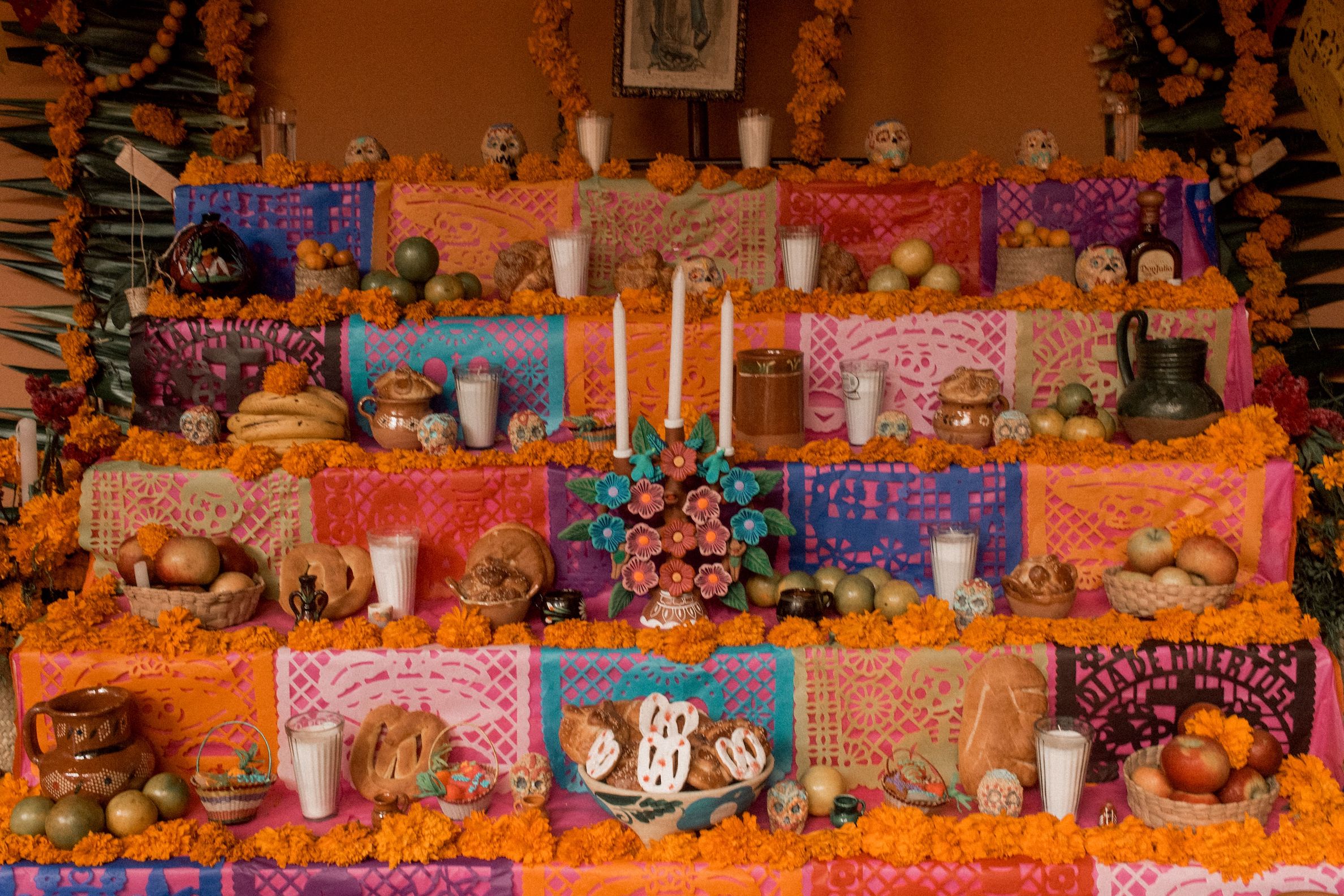
MEXICO | A Tradition Recognized by UNESCO |
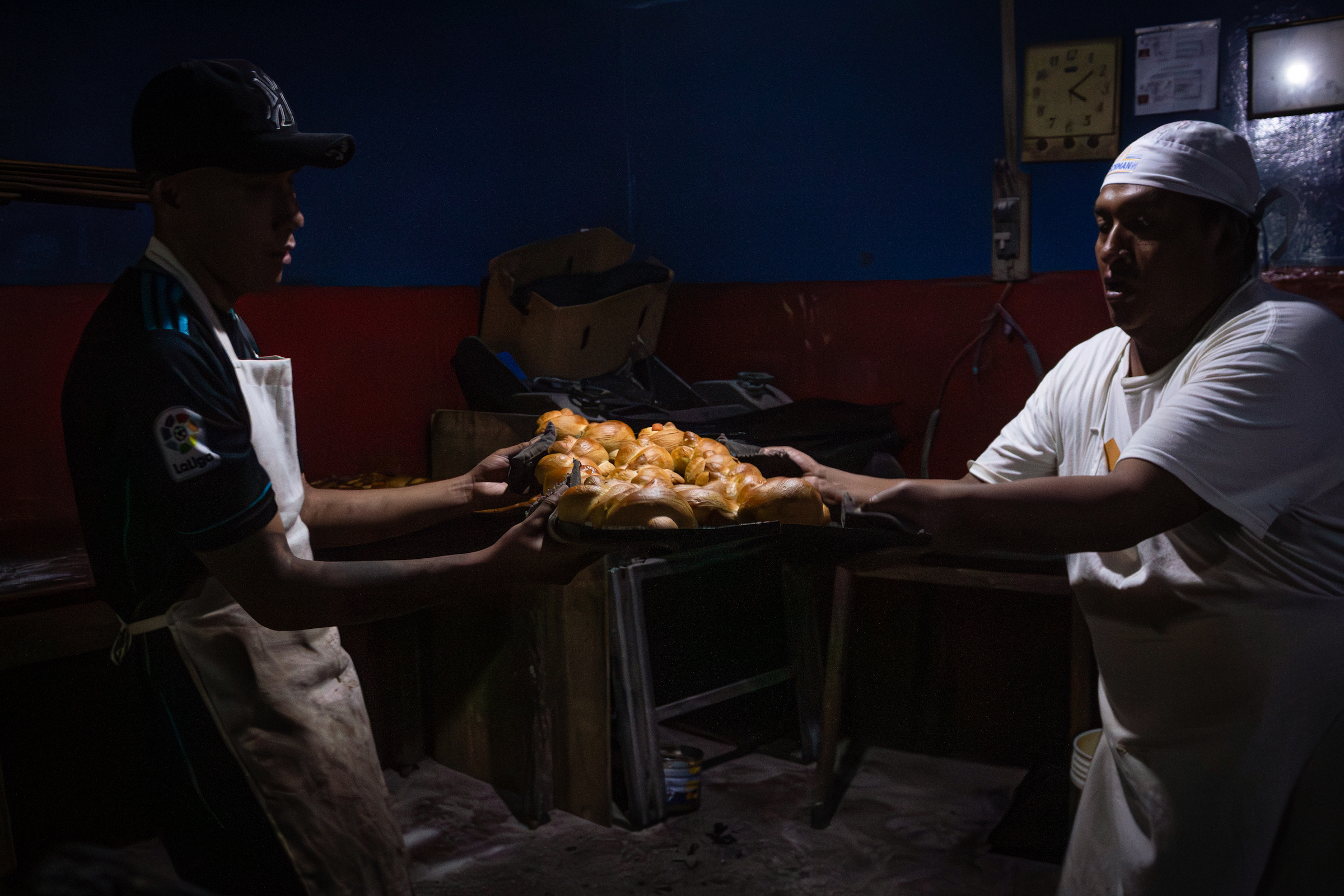
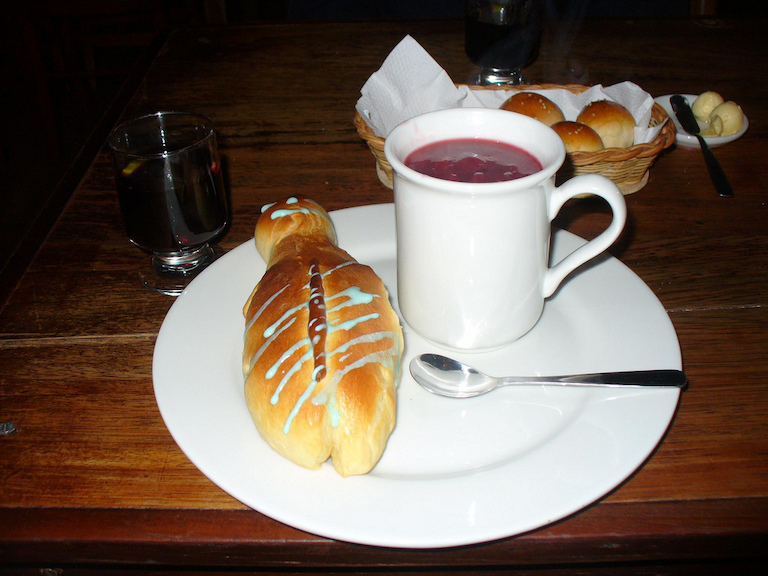
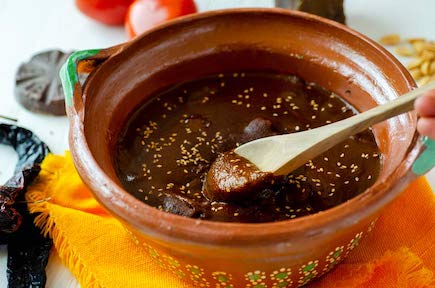
Ecuador: Bread Babies and Purple Corn Drink Ecuador smells of sweet bread and warm fruit. Families prepare guaguas de pan, sweet bread shaped like little dolls and decorated with sugar icing, served with colada morada, a thick drink made with purple corn flour and fruit. There is history behind the recipe, too: colada morada has Indigenous roots in a corn-based drink prepared before the Spanish conquest. Bolivia: The Return of the Ajayus In the Bolivian Andes, the celebration is an appointment with the ancestors. It is believed that during Todos Santos, the ajayus, or spirits, return from the mountains bringing fertility. Tables are filled with tantawawas, breads shaped like children and placed as offerings for the departed, as seen in places such as El Alto. The Music That Keeps Memories Alive And everywhere, there is music. One of the most emblematic songs is “La Llorona,” among Mexico's most popular songs, especially during Día de Muertos. It originated in the Isthmus of Tehuantepec, Oaxaca, and has no single definitive version, known author or confirmed date of origin. It has been performed by Lola Beltrán, Lila Downs, Chavela Vargas, Susana Harp and Eugenia León, among others. Another frequently requested song is “Amor eterno,” by Juan Gabriel, which refers to the death of his mother, Victoria Valadez Rojas, in 1974. A mariachi musician from the Zamora region said it is one of the most requested songs during this season, alongside “Un puño de tierra” and “Cruz de madera.” “Recuérdame,” from the film Coco, became an anthem for the occasion because it speaks of remembering the people we love. For a more contemporary soundtrack, there are also “Mis muertos” by Julieta Venegas, “Son de difuntos” by Lila Downs and “Calaverita” by La Santa Cecilia. Spotify even curated a playlist featuring more than 100 songs and over six hours of music for the celebration. The 2026 Holiday Calendar This year, November 1 falls on a Sunday and November 2 on a Monday, affecting holiday schedules across the region. In Colombia, the public holiday is observed on Monday, November 2, as the November 1 observance is moved to Monday, creating a three-day weekend from Saturday, October 31, through Monday, November 2. Ecuador has holidays on November 2 and 3, for the Day of the Dead and the Independence of Cuenca, giving residents time off from Saturday, October 31, through Tuesday, November 3. November 2 is also a public holiday in Bolivia and Brazil, where it is observed as All Souls' Day and Finados, respectively. In Guatemala, November 1 is an official public holiday. In the Dominican Republic, however, November 1 falls on a Sunday and is not a national public holiday. A Spiritual Gift for Remembering the Departed There is one lesser-known tradition. The Apostolic Penitentiary establishes that a plenary indulgence for the departed may be obtained every day from November 1 through 8 by devoutly visiting a cemetery and praying for the dead, even silently. It applies only to the souls in purgatory and also requires the usual conditions for a plenary indulgence: confession, Communion and prayer for the intentions of the Pope. This is one reason so many families visit cemeteries during that week. If you take away just one idea, let it be this: across the Americas, saints are celebrated with festivities, while the dead are remembered with food, flowers and songs. Both dates stand side by side, accompanied by music, freshly baked bread and skies filled with kites. |
|||
 Add this article to your favorites
[FOR MEMBERS ONLY] Copy this link to send this article to a friend: [FOR MEMBERS ONLY] |
||||
|
Click on images to enlarge:
|
||||
|---|---|---|---|---|
|
|
|
|
|
| BOLIVIA | Bread as a Symbol of the Departed During Todos Santos (All Saints’ Day), tantawawas, traditional human-shaped breads, are placed on offering tables to symbolically welcome the souls of loved ones. Photo: Ale RaFlo- Wikimedia Commons (CC BY-SA 4.0). |
GUATEMALA | A Tradition Honoring Ancestors Every November 1, Sumpango and Santiago Sacatepéquez celebrate their Giant Kite Festivals, a cultural expression rooted in Maya Kaqchikel heritage. Photo: Josué Goge / Wikimedia Commons. |
MEXICO | The Meaning of the Marigold In Mexican tradition, this flower is symbolically associated with the path souls follow to reunite with their loved ones during the Day of the Dead. Photo: Sofía Candia / Pexels. |
ECUADOR | Flavors That Keep Memories Alive Colada morada preserves Indigenous roots and features ingredients such as purple corn. Photo: Josué Goge / Wikimedia Commons. |
|
×
|
||||
|
References: Barajas, C. A. (n.d.). Celebrating Día de los Muertos. Chicago Botanic Garden. https://www.chicagobotanic.org/blog/learning/celebrating-dia-de-los-muertosCatholic Encyclopedia. (n.d.). All Saints’ Day. New Advent. https://www.newadvent.org/cathen/01315a.htmGobierno de Guatemala, Ministerio de Cultura y Deportes. (2024, May 28). Técnica de elaboración de los barriletes gigantes de Santiago y Sumpango, Sacatepéquez. https://noticias.mcd.gob.gt/2024/05/28/barriletes-sumpango/Gobierno de Guatemala. (2025, October 30). Tradiciones ancestrales: Disfruta en familia con estas actividades en Sumpango y Santiago Sacatepéquez. https://guatemala.gob.gt/tradiciones-ancestrales-disfruta-en-familia-con-estas-actividades-en-sumpango-y-santiago-sacatepequez/Library of Congress. (2021, October 18). La Llorona: Roots, branches, and the missing link from Spain. Folklife Today. https://blogs.loc.gov/folklife/2021/10/la-llorona-roots-branches-and-the-missing-link-from-spain/Library of Congress. (2021). Picante pero sabroso: Songs of La Llorona. Folklife Today. https://blogs.loc.gov/folklife/2021/10/picante-pero-sabroso-songs-of-la-llorona/Ministerio de Turismo del Ecuador. (2021, October 22). Colada morada, sabor ancestral ecuatoriano. https://historicomintur.produccion.gob.ec/colada-morada-sabor-ancestral-ecuatoriano/Ministerio de Turismo del Ecuador. (n.d.). Día de los difuntos y la colada morada conserva la tradición del Ecuador. https://historicomintur.produccion.gob.ec/dia-de-los-difuntos-y-la-colada-morada-conserva-la-tradicion-del-ecuador/National Conference of Catholic Bishops. (1992, November 17). Canon 1246, §2: Holy days of obligation. United States Conference of Catholic Bishops. https://www.usccb.org/beliefs-and-teachings/what-we-believe/canon-law/complementary-norms/canon-1246Pope Paul VI. (1967, January 1). Indulgentiarum doctrina. The Holy See. https://www.vatican.va/content/paul-vi/en/apost_constitutions/documents/hf_p-vi_apc_01011967_indulgentiarum-doctrina.htmlSecretaría de Cultura de México. (n.d.). Las fiestas indígenas dedicadas a los muertos. Sistema de Información Cultural. https://sic.gob.mx/ficha.php?table=otra_declaratoria&table_id=3The Holy See. (n.d.). Commemoration of all the Faithful Departed (All Souls’ Day). Vatican News. https://www.vaticannews.va/en/liturgical-holidays/commemoration-of-all-the-faithful-departed--all-souls-day-.htmlThe Holy See, Apostolic Penitentiary. (2020, October 22). Decree on plenary indulgences for the deceased faithful in the current pandemic. https://www.vatican.va/roman_curia/tribunals/apost_penit/documents/rc_trib_appen_pro_20201022_decreto-indulgenze_en.htmlUNESCO. (2008). Indigenous festivity dedicated to the dead. Intangible Cultural Heritage. https://ich.unesco.org/en/RL/day-of-the-dead-heritage-00054Banco de la República. (2026). Feriado bancario: Todos los Santos. https://www.banrep.gov.co/es/feriado-bancario/todos-los-santos-2026Agência Gov. (2025). Governo divulga calendário de feriados e pontos facultativos de 2026. Confira. https://agenciagov.ebc.com.br/noticias/202512/confira-o-calendario-oficial-de-feriados-nacionais-e-pontos-facultativos-em-2026Turismo y Culturas de Bolivia. (2026). Calendario de feriados nacionales – Gestión 2026. https://www.turismoyculturas.gob.bo/nota_prensa/feriados-nacionales-2026-para-incentivar-el-turismo/ |
||||
Please leave a comment about this article: 946 |
|
| Enter your email address: |
Your email will not be displayed. |
| Your nickname: | |
| Your comment: | |
| Was this article helpful to you? | |
|
|
|
Articles about exciting travel experiences in our hemisphere.
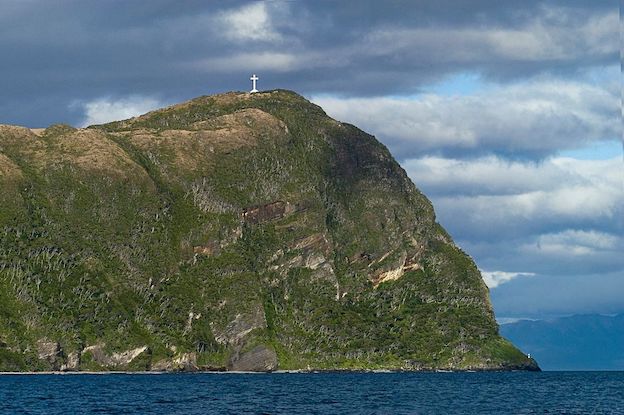
Cape Froward, Chile
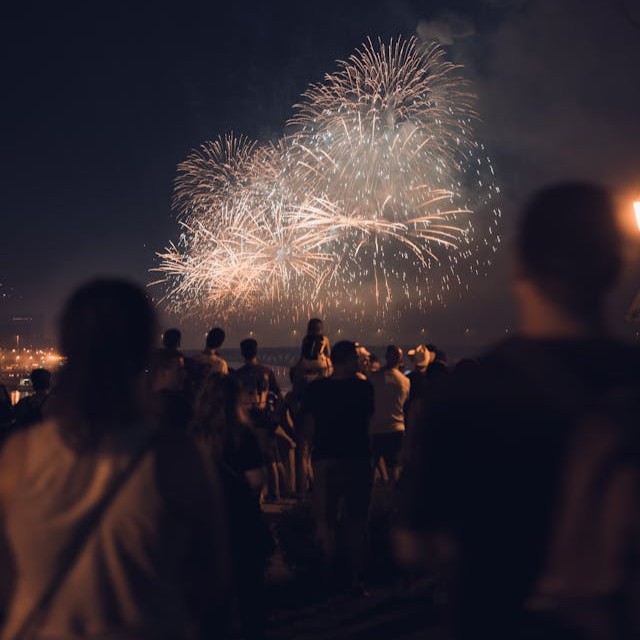

Welcome to the World’s Largest New Year’s Celebration
For those traveling from North, Central, or South America, New Year's Eve in Rio offers a rich narrative about how a city can transform a universal holiday into a unique celebration, rooted in local traditions and open to the world.




|
Experiences Finder
(Search our catalog of Experiences here.) |
|---|