|
Pan American Experiences
|
------- |

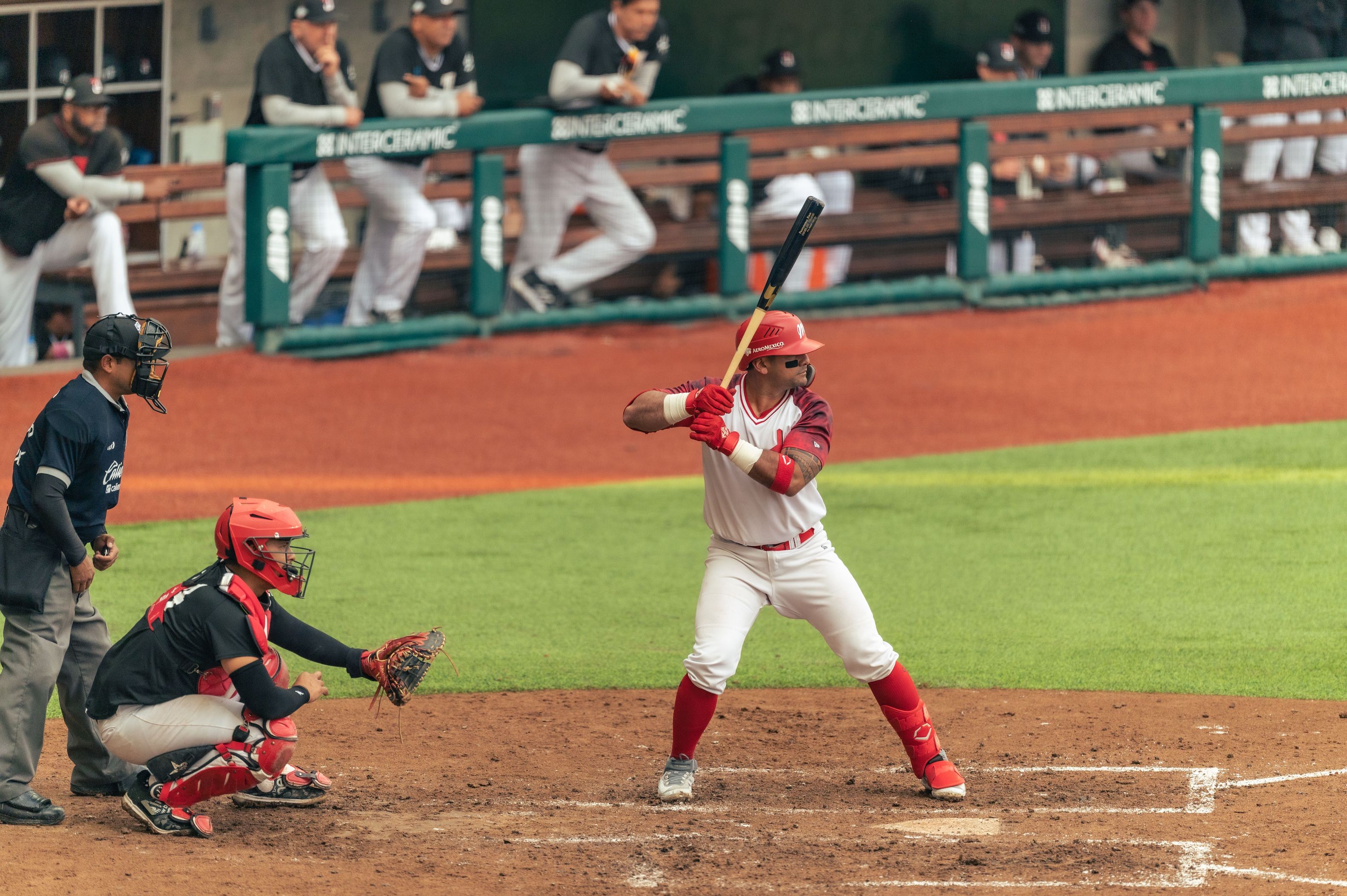
Imagen de Israel Torres en Pexels.
Pedal the Pan-American Circuit: Mountain Bike Competitions Across the Americas
Visit Traditional Coffee Plantations
Commune With the Past | Archaeological Tourism and the Art of the Dig
|
HEMISPHERE ------------------------------------------926[TRAVEL+CULTURE] | |||
The Diamond FeverWhy Latin America Lives and Breathes BaseballBy Jazmin Agudelo for Ruta Pantera on 11/11/2026 7:09:19 AM |
||||
| In Latin America, baseball is not simply a game played by nine players on a diamond. It is a family inheritance, a neighborhood gathering and, in some countries, almost a national religion. On game nights, Caribbean stadiums become extraordinary cultural stages where the crack of the bat competes with salsa, merengue and reggaeton, vendors move through crowded stands selling traditional food, and thousands of supporters react to every pitch as though the fate of their city depended on it. Although the sport developed in the United States, the Caribbean gave it a distinctive personality, transforming it into an expression of local identity, social belonging and collective celebration. Understanding baseball in this region means discovering a different side of Latin America, one that extends beyond its beaches, historic architecture and tropical landscapes.
Cuba: Where Baseball Became Part of National Identity Cuba occupies a foundational place in the history of Latin American baseball. The sport is believed to have arrived on the island during the 1860s, introduced by Cuban students returning from the United States and strengthened by commercial and cultural connections between the two countries. One of the earliest documented games took place in 1874 at Palmar de Junco in Matanzas, a historic stadium that remains an important landmark in the development of the sport. Four years later, in 1878, the Cuban League was established, creating one of the earliest organized professional baseball competitions outside the United States. Baseball gradually became associated with Cuban identity, particularly during the final decades of Spanish colonial rule, when the sport offered an expression of cultural independence and modern national consciousness. Its popularity was never limited to the playing field; it became woven into everyday conversations, family gatherings and the island's social history. The Cuban baseball tradition experienced a dramatic transformation following the 1959 Revolution. In 1961, professional baseball was discontinued as the country reorganized its sporting system around state-supported amateur competition. The Serie Nacional became the principal domestic championship, developing generations of players and establishing historic rivalries among teams such as Industriales from Havana, Santiago de Cuba, Villa Clara, Pinar del Río and Matanzas. Industriales, known as the Lions of Havana, became one of the most recognizable franchises in Cuban sports. Despite economic difficulties, institutional changes and the departure of numerous talented players to international leagues, baseball has retained its cultural importance. Cuban-born athletes have also achieved remarkable success in Major League Baseball, demonstrating how the island's sporting influence extends well beyond its national borders. For visitors, attending a game at Estadio Latinoamericano in Havana or exploring the historic Palmar de Junco grounds in Matanzas offers an opportunity to connect with a sporting tradition that has survived generations of political and social change. Dominican Republic and Venezuela: Nations Built Around the Game In the Dominican Republic, baseball has developed into a national institution and one of the country's most recognizable cultural exports. Cuban immigrants and visitors introduced the sport during the second half of the nineteenth century, with the first recorded game taking place on September 25, 1886, in San Pedro de Macorís, between two Cuban teams. As its popularity expanded, baseball became deeply rooted in Dominican communities, eventually developing into a professional system that would influence the international game. Tigres del Licey, founded in 1907, and Leones del Escogido, established in 1921, became two of the country's most historic organizations. Their rivalry remains one of the defining experiences of Dominican winter baseball. Today, the Dominican Professional Baseball League, known as LIDOM, brings together six franchises: Tigres del Licey, Leones del Escogido, Águilas Cibaeñas, Estrellas Orientales, Toros del Este and Gigantes del Cibao. During the championship season, these teams transform cities into centers of sporting celebration, where generations of supporters gather to defend their colors and celebrate every victory. The Dominican Republic's influence reaches far beyond its domestic championship. It has become one of the world's most important sources of professional baseball talent, producing internationally recognized players such as Juan Marichal, Pedro Martínez, David Ortiz, Vladimir Guerrero and Albert Pujols. Their achievements represent the culmination of a development system that begins in neighborhood fields, youth tournaments, school competitions and professional academies. For many young Dominicans, baseball represents a possible path toward education, international opportunities and financial security, although the journey is exceptionally competitive and only a small proportion of aspiring players reach Major League Baseball. The Dominican Summer League, an important entry point into professional development for international prospects, further illustrates the country's role in the global baseball industry. Beyond the statistics and professional contracts, however, the sport remains a community tradition: children practice in improvised fields, families follow games together, and local coaches pass their knowledge to the next generation. Venezuela has developed an equally distinctive relationship with baseball, shaped by regional pride, international achievements and some of the most passionate rivalries in Caribbean sport. The game gained popularity during the early twentieth century through cultural exchanges with the United States and neighboring Caribbean countries. A defining moment arrived in 1941, when Venezuela defeated Cuba to win the Amateur Baseball World Championship in Havana, triggering celebrations that helped establish baseball as a powerful national symbol. The Venezuelan Professional Baseball League (LVBP) was founded in 1946 and eventually developed into an eight-team competition: Leones del Caracas, Navegantes del Magallanes, Tiburones de La Guaira, Tigres de Aragua, Águilas del Zulia, Cardenales de Lara, Caribes de Anzoátegui and Bravos de Margarita. Each franchise represents a different region and carries its own history, traditions and fiercely loyal supporters. Baseball is especially visible during the country's summer and winter sporting conversations, when families and friends organize their schedules around important games. Few sporting encounters capture Venezuelan enthusiasm as effectively as the rivalry between Leones del Caracas and Navegantes del Magallanes. Often described as the country's great baseball rivalry, their meetings bring together generations of supporters who defend opposing colors, debate historic performances and celebrate every decisive play. Venezuela has also produced international stars such as Luis Aparicio, the first Venezuelan inducted into the National Baseball Hall of Fame, Miguel Cabrera, José Altuve, Félix Hernández and Johan Santana. In Caracas, Estadio Monumental Simón Bolívar offers a modern setting for experiencing the sport, while traditional stadiums across the country preserve the atmosphere that has defined Venezuelan baseball for decades. The experience extends beyond the game itself: arepas, pepitos, music, spontaneous conversations and passionate debates make a night at the ballpark an introduction to Venezuelan popular culture. Beyond the Stadium: A Living Caribbean Tradition Professional leagues may attract the largest crowds, but amateur and youth baseball are essential to understanding why the sport remains so deeply embedded in Caribbean society. In Cuba, provincial competitions and organized youth development have historically formed the foundation of the national sporting system. In the Dominican Republic, neighborhood fields, independent academies, school competitions and community tournaments introduce children to baseball from an early age. Venezuela maintains a broad network of baseball schools, regional clubs and youth competitions that nurture both aspiring professionals and recreational players. These environments are important because the sport is not sustained exclusively by future Major League stars. It survives through ordinary experiences: a grandparent explaining the rules to a grandchild, a neighborhood coach organizing an afternoon practice, or friends gathering around a television to follow their favorite team. Baseball becomes a language shared across generations, social backgrounds and communities. |
||||
|
The Caribbean Series is another important expression of this regional connection. Organized by the Caribbean Professional Baseball Confederation, the annual competition brings together champions from participating winter leagues, traditionally including the Dominican Republic, Mexico, Puerto Rico and Venezuela, alongside invited leagues and teams whose participation can vary by edition. Cuba, Colombia, Panama, Curaçao and Nicaragua are among the countries that have participated as guests. The tournament provides a meeting point for different baseball cultures, allowing supporters to experience regional rivalries beyond their domestic championships. Another major international competition is the World Baseball Classic, where national teams represent their countries on a global stage. The Dominican Republic won the 2013 edition undefeated, while Cuba and Venezuela have also established significant international records. Together, these competitions demonstrate that Caribbean baseball is not an isolated sporting phenomenon but part of a wider international community with its own history, talent and identity.
For travelers, the period between October and February is generally the most exciting time to experience professional baseball in the Caribbean, when winter leagues are in full swing. During the 2026–2027 season, the Dominican Republic's LIDOM championship began on October 16, with its regular season scheduled to conclude on December 22. Venezuela's LVBP started on October 12, with the regular season scheduled through December 27, followed by its postseason. Cuba's Serie Nacional offers another opportunity to explore the island's baseball culture, although its calendar and individual fixtures should be checked independently. Visitors should consider attending high-profile encounters, particularly Tigres del Licey versus Leones del Escogido in the Dominican Republic and Leones del Caracas versus Navegantes del Magallanes in Venezuela. Tickets, schedules and stadium arrangements should always be confirmed through official league or team channels before traveling, as match dates can change and postseason schedules depend on competition results. A baseball trip can also become an excellent way to explore the cities surrounding the stadiums. In Havana, Estadio Latinoamericano offers a direct connection to Cuba's sporting culture, while Matanzas provides an opportunity to visit the historic Palmar de Junco grounds. In Santo Domingo, Estadio Quisqueya Juan Marichal is the natural starting point for discovering Dominican winter baseball, while Estadio Cibao in Santiago de los Caballeros offers an unforgettable atmosphere among supporters of Águilas Cibaeñas. Caracas provides a different experience at Estadio Monumental Simón Bolívar, where modern facilities meet one of the region's most passionate baseball cultures. Arriving early, sampling local food, learning the teams' colors and talking with supporters can make the experience considerably more meaningful. Visitors who cannot attend in person can also follow games through local broadcasters and official digital platforms, depending on the competition and broadcasting rights. Perhaps the most fascinating aspect of Latin American baseball is how differently the same sport expresses the character and history of each country. In Cuba, it carries the weight of national memory and cultural identity; in the Dominican Republic, it represents opportunity, ambition and international achievement; in Venezuela, it is a powerful social ritual shaped by regional pride and generations of sporting loyalty. The rules may have traveled south from the United States, but the atmosphere, traditions and emotional significance belong unmistakably to the Caribbean. A father teaching his daughter to recognize a home run, friends debating the merits of rival teams, and entire neighborhoods celebrating a championship are all part of the same cultural story. For travelers interested in understanding Latin America beyond its postcard landscapes, spending an evening in one of its baseball stadiums offers something that conventional sightseeing rarely provides: a chance to experience how a community celebrates, remembers and defines itself. Sometimes, the best way to discover a destination is not to visit its most famous monument, but to watch what happens when its home team wins. |
||||
 Add this article to your favorites
[FOR MEMBERS ONLY] Copy this link to send this article to a friend: [FOR MEMBERS ONLY] |
||||
|
|
||||
|---|---|---|---|---|
| |
|
|
|
|
×
|
||||
|
References: Confederation of Professional Baseball of the Caribbean. (n.d.). Caribbean Series: Member leagues and participating leagues. https://caribbeanseries.com/en/leagues Diario Libre. (2026, June 17). LIDOM presenta su calendario para la campaña 2026-2027. https://www.diariolibre.com/deportes/beisbol/2026/06/17/lidom-hace-publico-su-calendario-para-la-campana-2026-27/3570765 Major League Baseball. (2023, February 22). The history of baseball in the Dominican Republic. https://www.mlb.com/news/featured/the-history-of-baseball-in-the-dominican-republic Major League Baseball. (2023, February 24). The rich history of baseball in Cuba. https://www.mlb.com/news/featured/the-rich-history-of-baseball-in-cuba Líder en Deportes. (2026, September 6). Las resoluciones de la convención de la LVBP. https://www.liderendeportes.com/baseball/lvbp/las-resoluciones-de-la-convencion-de-la-lvbp/ |
||||
Please leave a comment about this article: 926 |
|
| Enter your email address: |
Your email will not be displayed. |
| Your nickname: | |
| Your comment: | |
| Was this article helpful to you? | |
|
|
|
Articles about exciting travel experiences in our hemisphere.
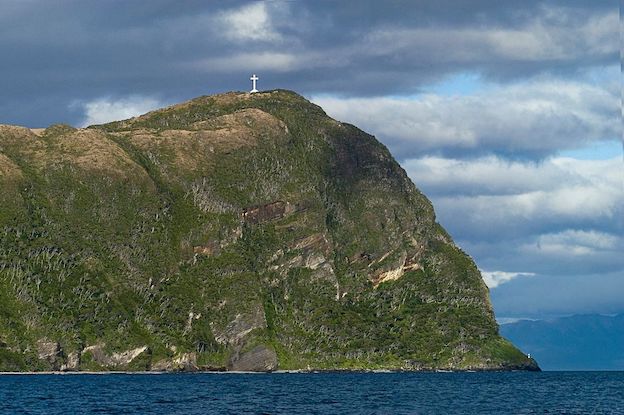
Cape Froward, Chile
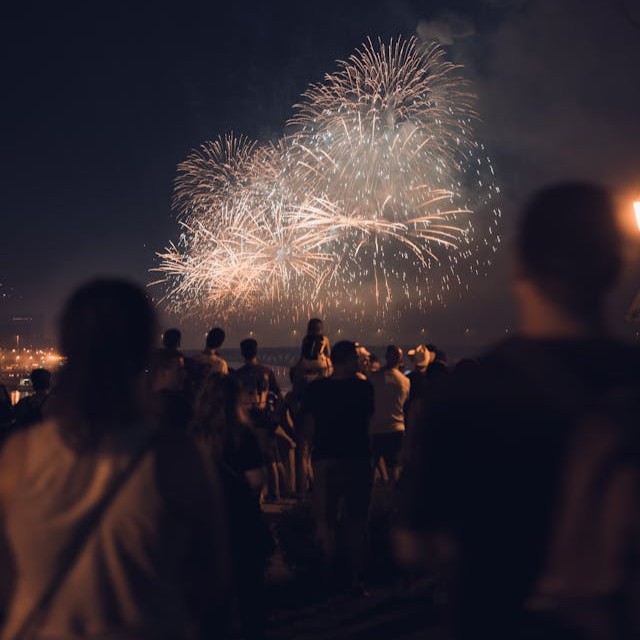

Welcome to the World’s Largest New Year’s Celebration
For those traveling from North, Central, or South America, New Year's Eve in Rio offers a rich narrative about how a city can transform a universal holiday into a unique celebration, rooted in local traditions and open to the world.







|
Experiences Finder
(Search our catalog of Experiences here.) |
|---|