|
Pan American Experiences
|
------- |

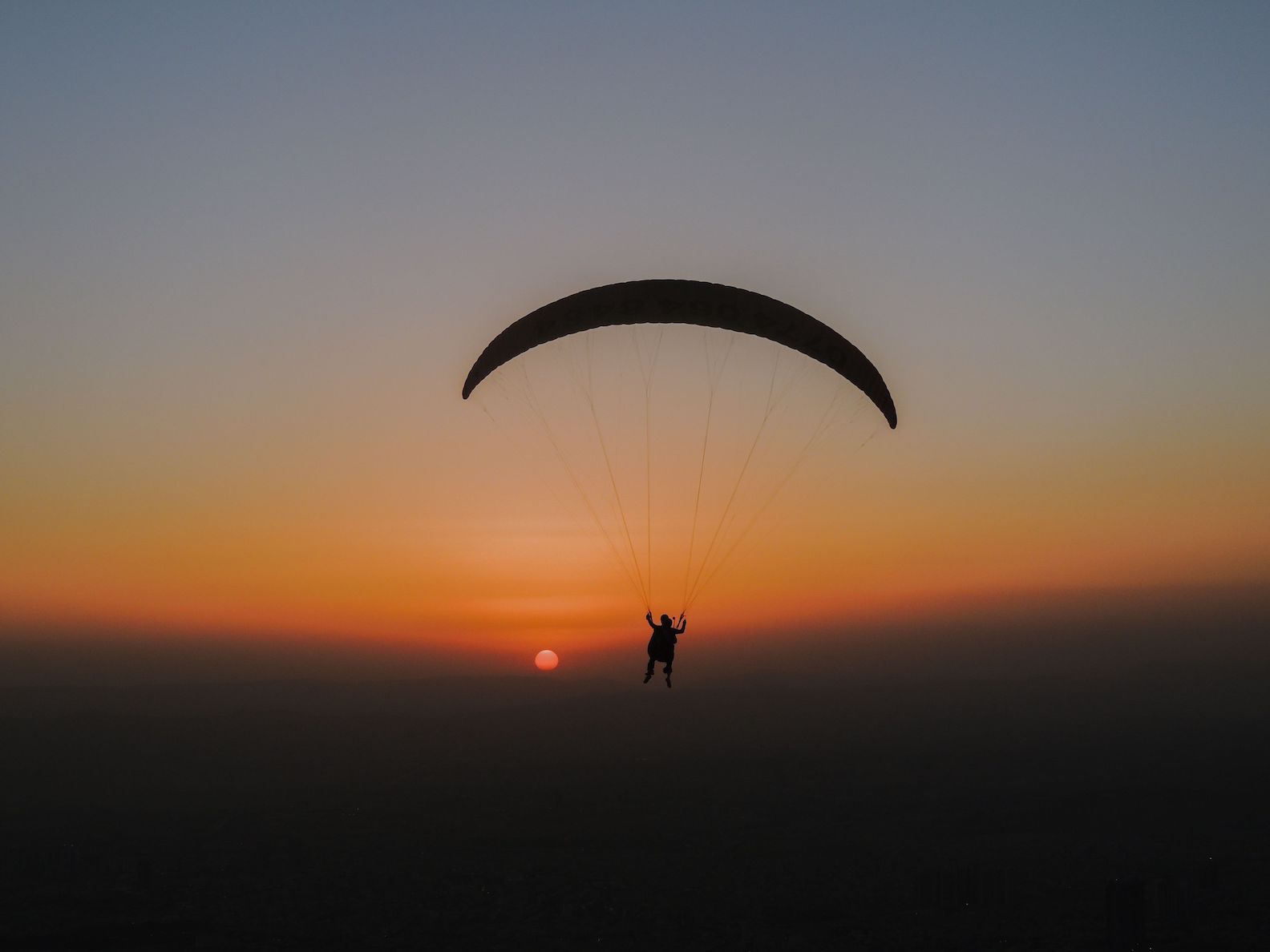
Photo by Its Dan on Pexels.
Journeying the Hemisphere with LGBTQ+ Families
How Giant Murals Are Transforming Cities Across South and Central America
|
HEMISPHERE ------------------------------------------911[TRAVEL PLANNING] | |||
Open SkyParagliding: Engine-Free Adventure From the Andes to the AlpsBy Heydi Bernal for Ruta Pantera on 11/10/2026 7:09:19 AM |
||||
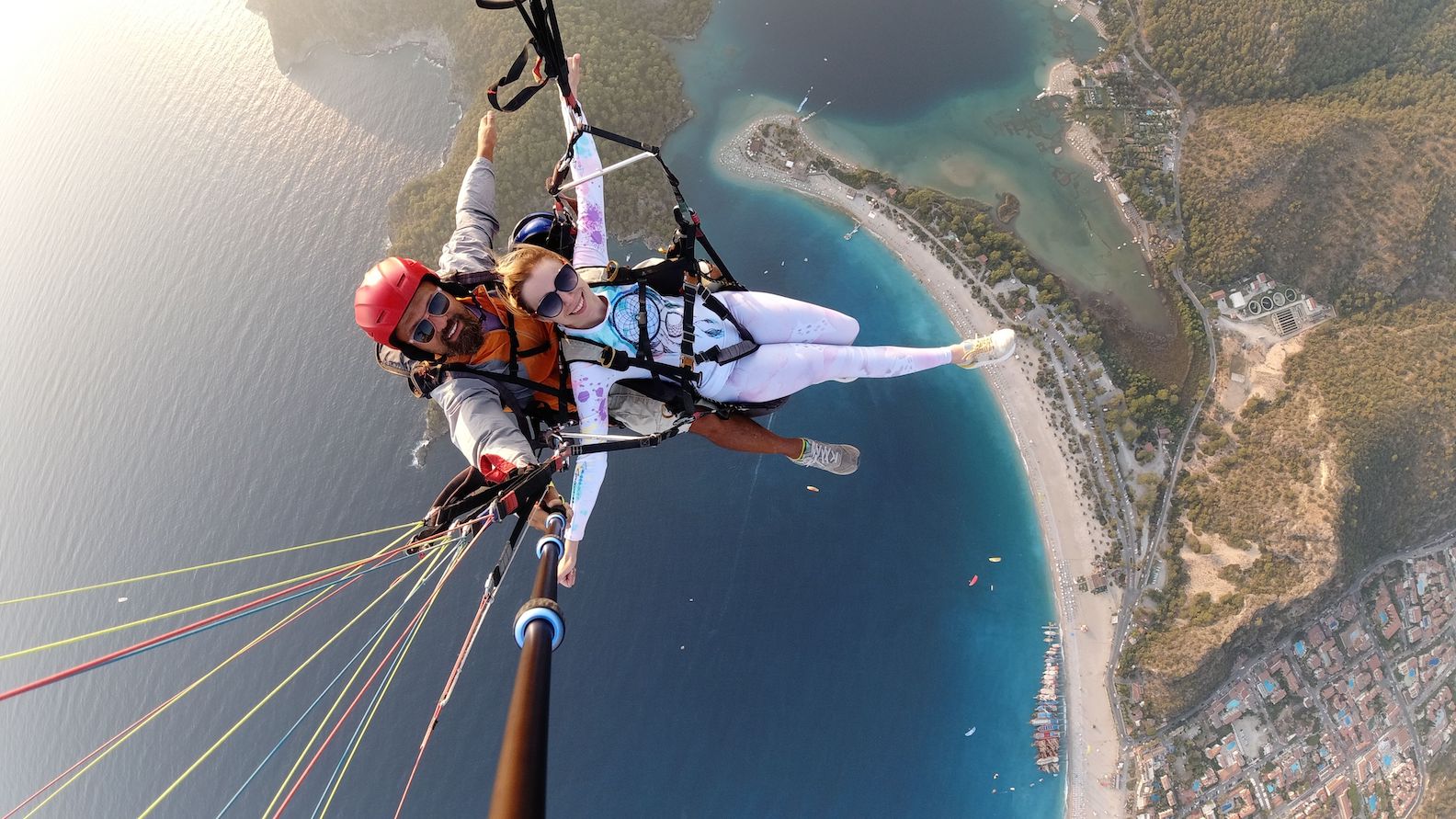
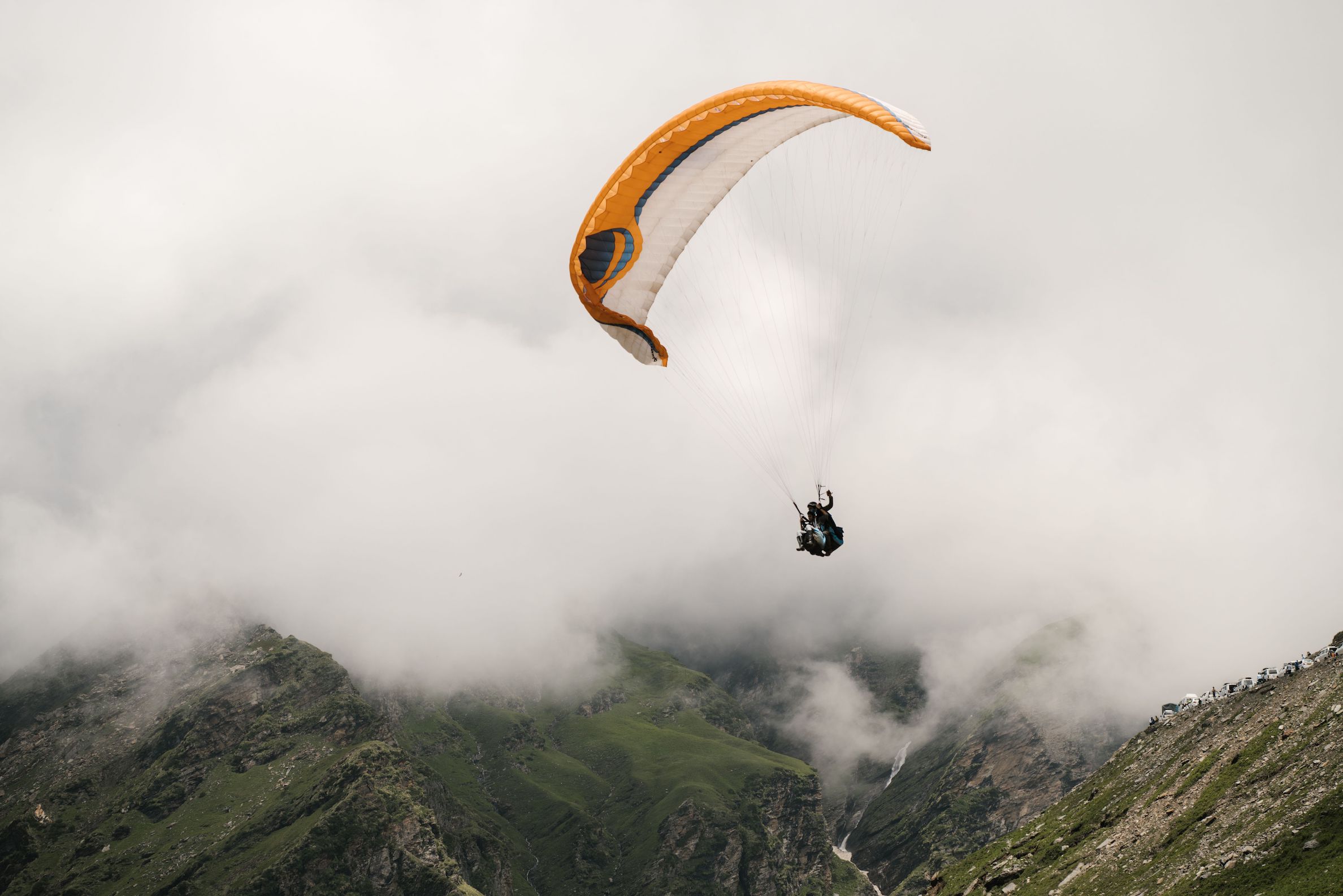
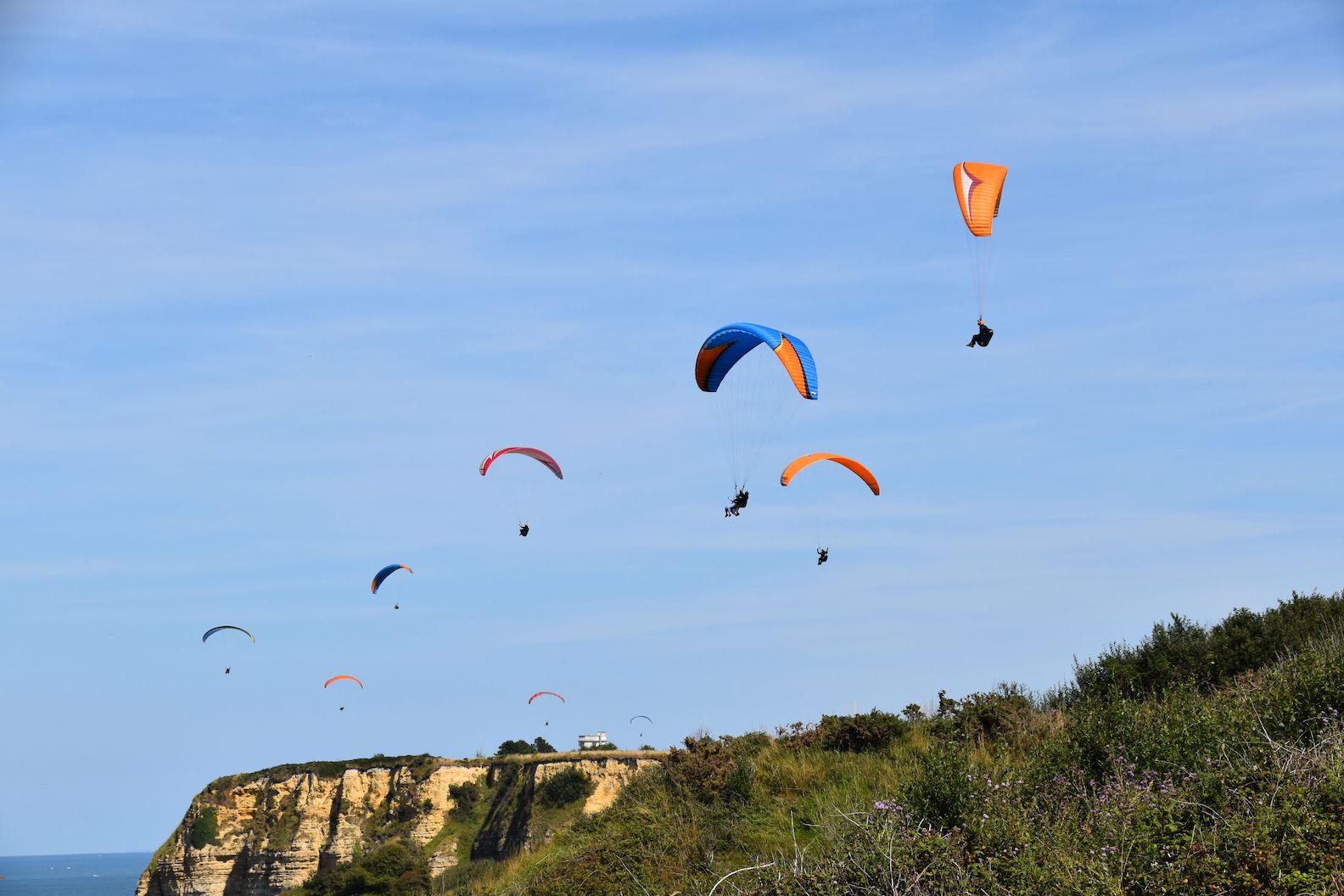
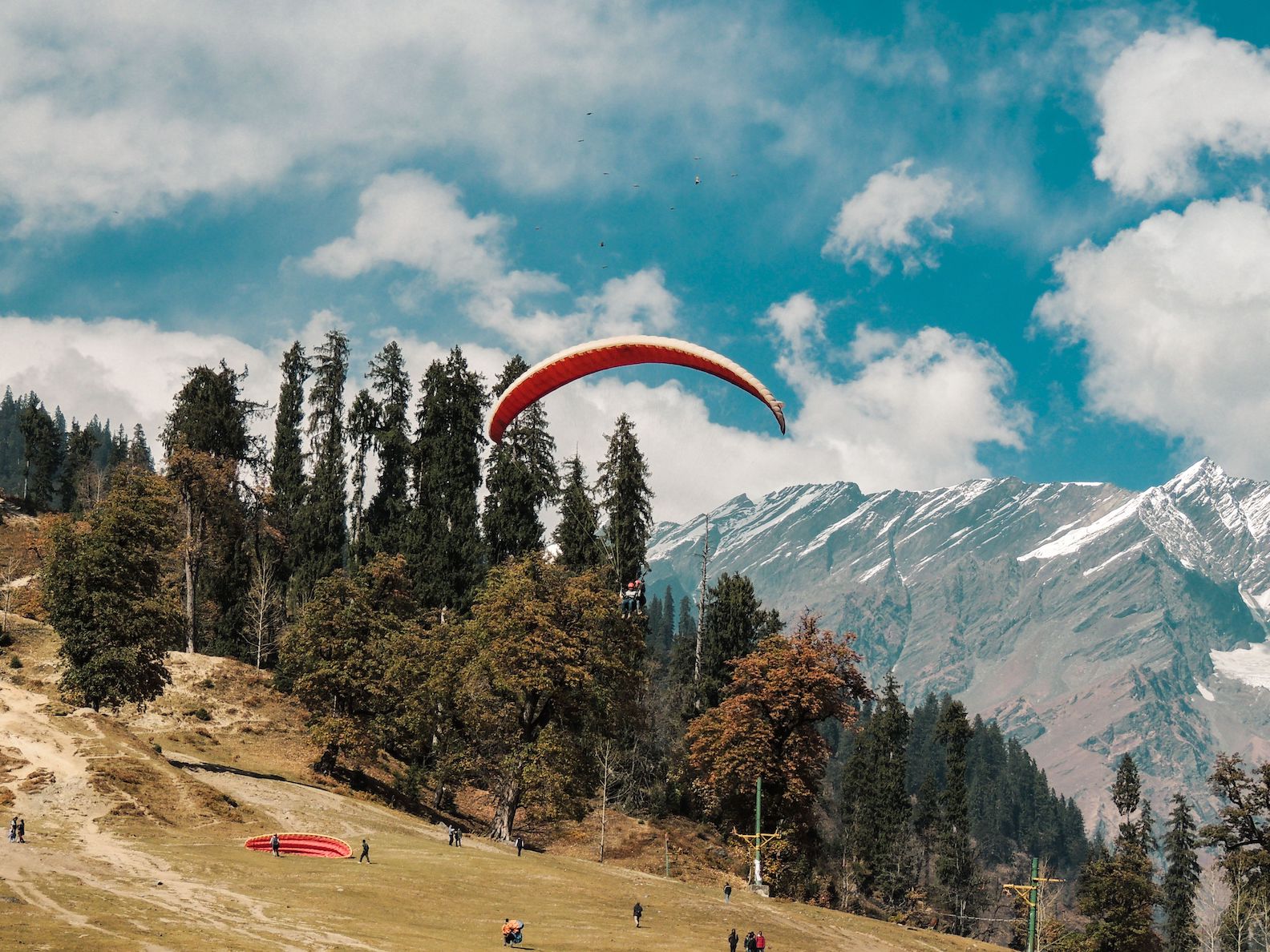
| There are two ways to fly through the same sky. The first belongs to those who measure paragliding in kilometers: American pilot Sebastien Kayrouz holds the official world record for straight-line distance, with 609.9 kilometers flown on June 20, 2021. That is the equivalent of crossing an entire country, supported only by columns of rising warm air. The second belongs to those who measure it in Sundays: a group of friends heads up a hillside midmorning, patiently waits for the wind to settle, flies for twenty minutes over a valley they know by heart, and heads down for lunch. The curious thing is that both are practicing exactly the same sport, with the same wing, the same rules of the air, and often on the same mountain. That dual nature helps explain why paragliding is growing across Latin America. It is a sport with a demanding elite, international calendars, world records, and epic races, but it is also one of the most accessible outdoor activities the mountains have to offer. You do not have to be an athlete, you are not entirely dependent on a particular season, you can begin learning in a matter of days, and you can enjoy it for decades. This is a journey through the entire sport, from one end to the other. What Is Paragliding and How Does Something Without an Engine Stay Airborne? A paraglider is a flexible fabric wing that inflates as air enters through its leading edge. A network of lines, known as suspension lines, connects it to a harness where the pilot sits in a reclined position, almost like sitting in an armchair. Takeoff happens on foot, usually by running downhill or allowing the wind to fill the wing. From that moment on, the pilot faces a simple truth: on its own, the wing can only glide, gradually losing altitude. What keeps it in the sky is the energy of the atmosphere. That energy comes in three main forms. The first is ridge lift: wind hits a mountain, dune, or cliff and is forced upward, creating a moving band of rising air that pilots use to fly back and forth along the slope. The second, and most powerful, is thermal lift. The sun heats the ground, warm air rises in invisible columns, and pilots enter these columns, circling inside them to gain altitude, sometimes hundreds of meters in just a few minutes. The third, reserved for highly experienced pilots, is wave lift, an organized movement of air that forms when strong winds cross major mountain ranges. A wing's performance is measured by its glide ratio, which indicates how many meters it travels forward for every meter of altitude lost. Beginner wings have a glide ratio of around eight to one, while high-performance models can exceed eleven to one. This means that in still air, the pilot is always descending. But the air is rarely still, and that is where the fascinating part begins: the art of linking rising air currents to travel from one valley to another. Known as cross-country flying, this turns a piece of equipment weighing just a few kilograms into a vehicle capable of covering hundreds of kilometers. A Short and Rather Unlikely History Paragliding is one of the youngest sports on the planet. Its technical origins date back to the 1960s, when American engineer Domina Jalbert developed the ram-air parachute, a rectangular wing that inflates with moving air and is much more maneuverable than the traditional round parachute. NASA even explored it as a recovery system for space capsules, and for a while it remained little more than a technical curiosity. The transition to a sport came in the late 1970s in the French Alps. A group of mountaineers and parachutists discovered that there was no need to jump from an aircraft: all they needed was a slope, some wind, and these wings to take off on foot. The official birth of the sport is generally traced to 1978, in the town of Mieussy. Since then, progress has been continuous, with more efficient and safer wings, lighter materials, schools, federations, and competition circuits, including the Paragliding World Cup, established in 1992. Today, paragliding brings together hundreds of thousands of pilots of all levels across every continent. The Equipment: A Backpack for Flying Everything needed to fly fits into a backpack weighing between fifteen and twenty kilograms. The main component is the wing, made of ultralight nylon and divided into cells that fill with air to create its shape. Wings are classified according to their level of demands: EN A wings are stable and forgiving, designed for training and the first years of flying; intermediate B wings offer more performance; C and D wings require faster reactions and better judgment; and competition wings, known as CCC, are reserved for specialists. Suspension lines hang from the wing and connect to the harness, the pilot's seat, which includes back protection and a compartment for the reserve parachute, a piece of equipment that should never be left behind. Other essentials include an approved helmet, a variometer, a small instrument that beeps when the pilot gains altitude and changes its tone when losing height. For cross-country pilots, it works almost like an additional sense. A radio, GPS, and technical clothing complete the equipment. Appropriate clothing is essential because temperatures drop quickly at higher altitudes, even in the middle of a tropical summer. A new complete equipment set typically costs between US3,000andUS5,000, although the secondhand market is extensive and schools usually rent equipment to beginners. Learning to Read the Sky There is a fundamental difference between driving a vehicle and flying a paraglider. In the second case, the pilot does not impose a route: they negotiate it with the air. That negotiation depends on constantly reading the surroundings. Small, well-formed cumulus clouds often indicate active thermals below; birds of prey circling in the sky reveal where air is rising; smoke, dust, and flags show the actual wind direction at ground level, which sometimes differs from what pilots feel in the air. A sky filling with rapidly growing clouds is a warning that it is time to land. The importance of recognizing that last signal was nearly a matter of life and death for German pilot Ewa Wiśnierska in 2007. While training for a World Championship in Australia, with a forecast of severe storms, she was caught inside a developing cumulonimbus cloud and carried up to almost 10,000 meters. She lost consciousness due to lack of oxygen and landed covered in ice after three and a half hours of flight. Another pilot, China's He Zhongpin, died in the same storm after being struck by lightning. Among pilots, this phenomenon is known as cloud suck. It is particularly dangerous for paragliders because their maximum speed is below 30 knots, while storm clouds can expand extremely quickly, leaving pilots with little chance of escaping. Extreme cases continue to emerge: another Chinese pilot survived being carried more than 8,500 meters up inside a storm cloud in an incident that went viral. Sporting organizations do not recognize records for involuntary altitude gains, precisely because nobody should be trying to achieve them. The Disciplines: Choosing How You Want to Fly Paragliding is not just one way of flying. Most pilots practice recreationally, with the simple goal of taking off, enjoying the scenery, and landing with a smile. By far, this is the most widespread form of the sport. Others pursue distance and focus on cross-country flying: linking thermals to travel from one valley to another, recording their flights with GPS, and comparing routes on international platforms. It is a discipline that combines strategy, weather reading, and considerable patience. Competition pilots take things further, racing along predetermined routes with dozens of participants circling the same thermal like a cycling peloton in the sky. At the athletic extreme is hike & fly, which involves climbing a mountain on foot with all the equipment on your back and flying down. This discipline is growing rapidly thanks to its minimalist spirit. Acrobatic paragliding, or acro, is the freestyle version of the sport, featuring spirals, inverted turns, and somersaults evaluated by judges. Speed flying, with smaller wings and low descents along mountain slopes, is reserved for the most experienced. Paramotoring adds an engine to the pilot's back, allowing takeoff from flat ground, and requires its own training. Accuracy flying rewards pilots for landing with millimeter-level precision on a target. Tandem paragliding, in which a professional pilot carries a passenger, is the ideal introduction for anyone who wants to experience flight without taking a course. The Elite: World Cup, X-Alps, and World Championships Paragliding has a high-level competition scene with its own identity. The Paragliding World Cup, known as the PWC, is organized by an association formed by pilots themselves. It visits between five and six locations each year, where several tasks are held to determine the overall rankings. The 2026/27 season began in Gemona del Friuli, Italy, from July 25 to August 1, 2026, and continued in Siatista, Greece, from September 5 to 12. The season will conclude with a Superfinal in Grindelwald-Interlaken, Switzerland, in May 2027. Sources do not entirely agree on the exact dates: one calendar lists May 4–15, while the organizer refers to May 5–25, including preliminary events. The previous Superfinal took place in Pegalajar, Spain, from May 13 to 23, 2026, and was won by Andy Tallia and Constance Mettetal. If the World Cup is the championship for specialists, Red Bull X-Alps is the legend. It is a race across the Alps on foot and by paraglider, without any vehicles, forcing participants to run, climb, fly, and sleep very little for almost two weeks. The next edition will take place from June 13 to 25, 2027, with 35 athletes. The final competitor list will be announced on October 14, 2026, and the route will be revealed on March 17, 2027. The race is entering a new era: the previous edition ended a streak of eight consecutive victories by the same athlete. There is also a new opportunity for aspiring competitors: the Mayrhofen Challenger, a three-day race where Swiss athletes Romy Sweda and Aaron Mathis earned direct spots for 2027. The Fédération Aéronautique Internationale completes the calendar with its World Championships. The 20th FAI World Paragliding Cross-Country Championship will take place in Niš, Serbia, from July 26 to August 7, 2027. The first-ever Hike & Fly World Championship is scheduled for October 9–16, 2027, in Segura de la Sierra, Spain. The Accuracy World Championship will be held from February 13 to 21, 2027, in Pha Tak Suea, Thailand, while the Junior World Championship is scheduled for May 14–22, 2028, in Pegalajar. As with any sporting calendar, it is always worth checking official websites before planning a trip, since dates can change. |
||||
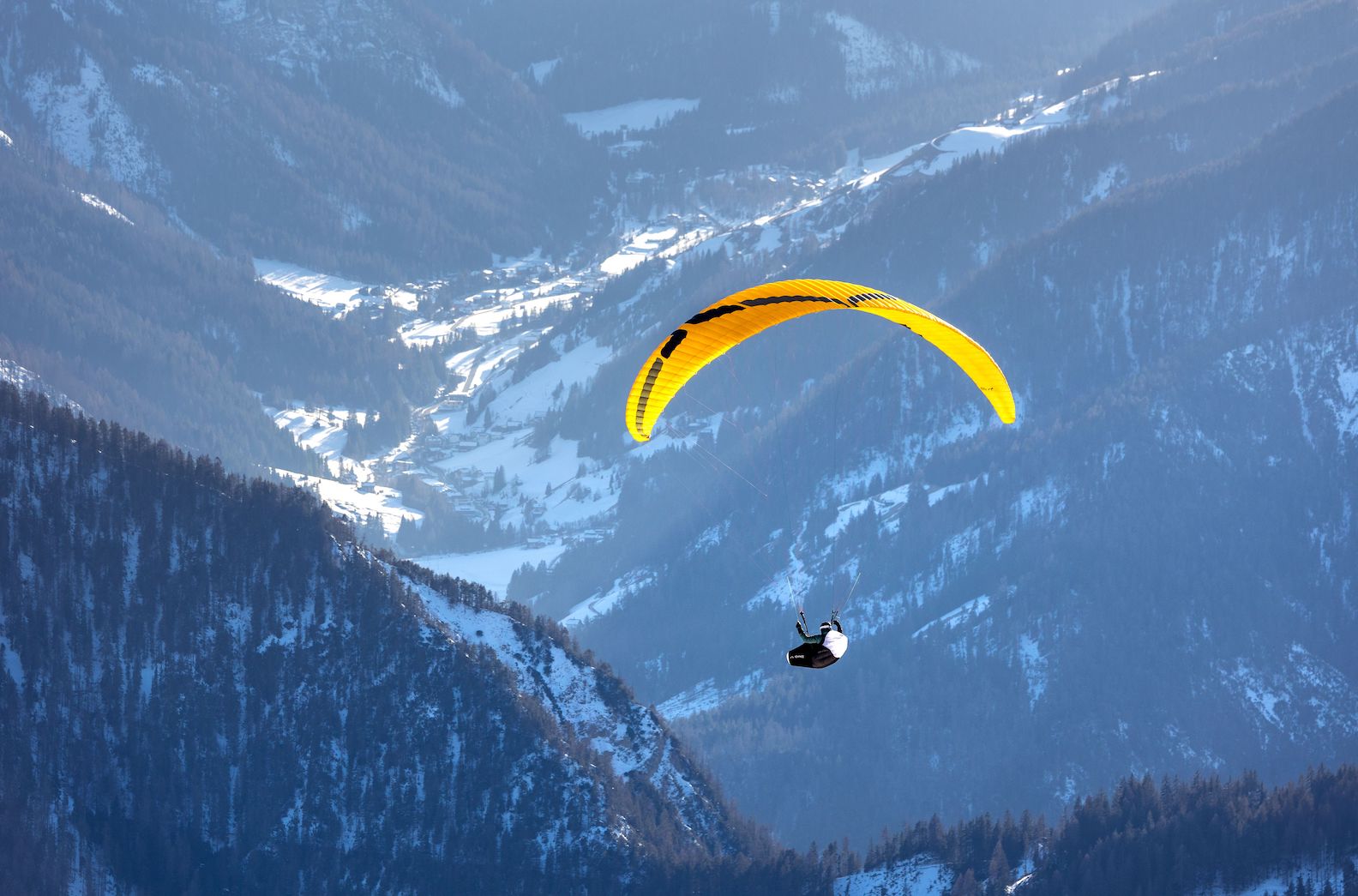
Photo by Marek Piwnicki on Pexels. |
The Americas: A Continent Made for Flying Latin America brings together high mountains, coasts with regular winds, wide valleys, and flying conditions that last almost all year in much of the region. Every country has its favorite flying sites, and almost all have schools and clubs that welcome beginners. Colombia is one of the region's major paragliding powers. Roldanillo, in Valle del Cauca, is known as the "World Capital of Paragliding" and is about two hours from Cali. It is the main venue for the country's paragliding and hang gliding events and hosts an intense competition season at the beginning of each year. In 2026, for example, the first event in the SRS series took place there from January 10 to 17, with almost 130 registered pilots. The 2027 Niviuk Cup will be held in Roldanillo from January 27 to February 3, and the Americas Cup, also taking place there, has an entry fee of 380 euros. In Antioquia, San Félix is about 40 minutes from Medellín, offering views over the Aburrá Valley. Several local schools provide tandem flights, lessons, and transportation. Santander has its own beginner school in Floridablanca, and Colombia has also proposed an international paragliding park. Mexico's great paragliding sanctuary is Valle de Bravo, where a tandem flight can cost around US$125. Further west, Tapalpa, in Jalisco, will host the Pan American Paragliding Championship, with the main event scheduled for November 11–19, 2028. Chile offers one of the most spectacular free-flying landscapes in the world in Iquique, where the dunes of Cerro Dragón descend directly toward the Pacific Ocean. The high season runs approximately from mid-September to February, and organizers of a local competition claim that the Atacama Desert offers up to 97% flyable days during the season. Tandem flights there start at around 50 euros, and local media have reported on pilot Raúl Petit, who apparently flew almost ten hours between Antofagasta and Iquique. Brazil is a territory of long-distance flights and major international events. Governador Valadares hosted a Paragliding World Cup stage in April 2026, and the country organized the 2025 World Championship in Castelo, Espírito Santo, in late August and early September. Argentina will host the Pan American Accuracy Championship in San Jorge, scheduled for May 1–11, 2028. Venezuela, meanwhile, contributes one of the continent's most remarkable records: in 2016, Joanna Di Grigoli recorded a 400.43-kilometer flight, the South American free-distance record. The continent also offers a geographic advantage that is often overlooked. Much of the region lies within or close to the tropical zone and the equator, where seasons are less pronounced than in Europe. This allows flying during much of the year, although conditions vary between dry and rainy seasons. Anyone who travels through the world of paragliding knows that the seasons are reversed between hemispheres: when winter arrives in the north, the best flying season begins in the south. This explains why some pilots organize their lives around following summer from one side of the planet to the other. Learning to Fly: From Passenger to Pilot The best introduction is still a tandem flight. A professional pilot takes care of everything, and the passenger simply enjoys the experience. In San Félix, fifteen-minute flights are available starting at around 58 euros, with operators accepting passengers as young as five. Local prices start at COP 250,000. In Switzerland, a beginner experience starts at around 132 euros for participants over 14, while courses in Briançon, France, begin at 200 euros. Anyone who wants to take the next step and fly solo needs a complete course with a certified school. In Chile, beginner courses range from 400,000 to 800,000 Chilean pesos. In Floridablanca, Colombia, a seven-day course is listed at COP 850,000, with the first two days dedicated to practice on a training slope. In Europe, a four-day course costs from 440 euros, while a five-day course starts at 520 euros. In Spain, training programs offering ten flights over at least five days start at 600 euros. Additional expenses may apply: in France, a federation license costs between 32 and 56 euros, while in Portugal, mandatory insurance for courses costs around 220 euros. The minimum age depends on the country and the school. Some courses in France accept students from age 12, while Switzerland sets the minimum at 14. Certain Spanish centers accept only participants over 18, and in Chile, the official license requires applicants to be at least 17. Some schools also establish weight limits. In Portugal, for example, the range can be between 45 and 110 kilograms. There is no fixed maximum age: health, physical condition, and the instructor's assessment are what matter. The sensible approach is to always ask about minimum age, maximum weight, medical requirements, and the type of license granted upon completion. Becoming a fully qualified pilot cannot be accomplished in a single weekend. In Switzerland, for example, the license course requires at least 50 supervised flights at a minimum of five different locations. This is a useful reference for understanding that training is a process that takes time. When choosing a school, the criteria should always be the same: instructors certified and recognized by the country's relevant authority or federation, clear insurance coverage, modern and properly inspected equipment, small student groups per instructor, radio communication during initial flights, and an honest weather-related cancellation policy. Schools that promise solo flights after just two hours, offer suspiciously low prices, or never ask about a student's weight or health should raise red flags. Paragliding as a Weekend Hobby Although the sport has its elite side, the vast majority of pilots across the continent fly simply for pleasure. For them, paragliding is more like sailing than an extreme sport: it is about understanding a natural element and learning to work with it. Early mornings and late afternoons usually offer smoother, more organized air, ideal for relaxed ridge flights. The middle of the day, when the sun is strong, produces thermals that more experienced pilots prefer. Recreational pilots do not need to chase the most intense conditions; they simply need to fly when the sky is friendly. That has some pleasant advantages. A weekend flight costs little beyond time and transportation, since there is no fuel or runway rental involved. The wing also has a long useful life. In Iquique, where paragliding is practiced intensively, a local entrepreneur explains that wings are designed for approximately 200 to 300 flight hours. For someone who flies a few dozen hours a year, that means a wing can last for several years. And then there are the people. Paragliding is almost always a group activity because nobody should fly alone in an unfamiliar location. Clubs share knowledge about each flying site, warn when the wind changes, help fold the wing after landing, and organize the entire day, which almost always ends with a long lunch. The flight may last between twenty minutes and a couple of hours, but the experience takes up the entire morning: climbing, waiting, flying, coming down, eating, and discussing the conditions. For many people, that slower rhythm is the real reason they stay in the sport. The Risks, Without Sugarcoating An honest article about paragliding cannot hide the fact that the sport involves real risks. Most problems can be avoided through proper training, well-maintained equipment, and respect for weather conditions, but not all of them. Typical hazards include turbulence and rotors behind mountains or buildings, wing collapses in unstable air, poor decisions in excessive winds or near storms, landings on unsuitable terrain, and equipment failures caused by lack of maintenance. Experienced pilots add another risk, perhaps the most deceptive one: routine. Over time, confidence grows, and it becomes tempting to take off with slightly stronger winds than recommended or skip the preflight inspection because the day looks beautiful. Even tandem flights are not without risk. In September 2026, a foreign tourist died during a paragliding flight in San Félix, Bello, Antioquia, and another person was seriously injured. The incident was a harsh reminder that even passengers depend on the pilot's qualifications, the condition of the equipment, the choice of operator, and the decision about whether or not to fly that day. That is why experienced pilots repeat a phrase on hillsides around the world: it is better to be on the ground wishing you were in the air than to be in the air wishing you were on the ground. Knowing when to say "Not Today" is probably the most valuable skill in the entire sport. Why It Gets Under Your Skin Ask a pilot why they fly, and they will rarely talk about adrenaline. They will talk about silence, watching the sunrise from a thousand meters above a sleeping valley, sharing a thermal with an eagle, or landing in a town different from the one they took off from. Paragliding has something that is difficult to explain: it is technical and poetic, individual and communal, demanding and peaceful all at once. It can be a way to compete against the best pilots in the world or simply to spend a Sunday in peace. It does not matter whether you come from skateboarding, trail running, or the couch. The sky does not ask for a résumé; it asks for respect, patience, and a willingness to learn. There is a mountain waiting just a few hours away, a wing that fits inside a backpack, and a current of air that, with a little humility, is ready to hold you. See You Up There. |
|||
 Add this article to your favorites
[FOR MEMBERS ONLY] Copy this link to send this article to a friend: [FOR MEMBERS ONLY] |
||||
|
Click on images to enlarge:
|
||||
|---|---|---|---|---|
|
|
|
|
|
| Photo by Hasan Gunher on Pexels. | Photo by ArtHouse Studio on Pexels. | Photo by JacLou- DL on Pexels. | Photo by Shovan Datta on Pexels. | |
×
|
||||
|
References: - Fédération Aéronautique Internationale. (2005, June 3). Tracing our free flying history. https://www.fai.org/news/tracing-our-free-flying-history- Fédération Aéronautique Internationale. (s. f.). Paragliding cross country (XC). https://www.fai.org/page/civl-paragliding- Fédération Aéronautique Internationale. (s. f.). Paragliding safety. https://www.fai.org/page/paragliding-safety- Fédération Aéronautique Internationale. (2025). Recommended safety proficiency standards for paragliding 2025. https://www.fai.org/sites/default/files/civl/documents/safepro_para_2025.pdf- United States Hang Gliding and Paragliding Association. (s. f.). History of hang gliding, paragliding, and speedflying. https://www.ushpa.org/USHPA_New/Public/LearnToFly/history-of-hang-gliding-and-paragliding.aspx- United States Hang Gliding and Paragliding Association. (s. f.). About free flight. https://www.ushpa.org/USHPA/Learn_to_fly/Public/LearnToFly/aboutfreeflight.aspx |
||||
Please leave a comment about this article: 911 |
|
| Enter your email address: |
Your email will not be displayed. |
| Your nickname: | |
| Your comment: | |
| Was this article helpful to you? | |
|
|
|
Articles about exciting travel experiences in our hemisphere.

Cape Froward, Chile




Welcome to the World’s Largest New Year’s Celebration
For those traveling from North, Central, or South America, New Year's Eve in Rio offers a rich narrative about how a city can transform a universal holiday into a unique celebration, rooted in local traditions and open to the world.















|
Experiences Finder
(Search our catalog of Experiences here.) |
|---|