|
Pan American Experiences
|
------- |

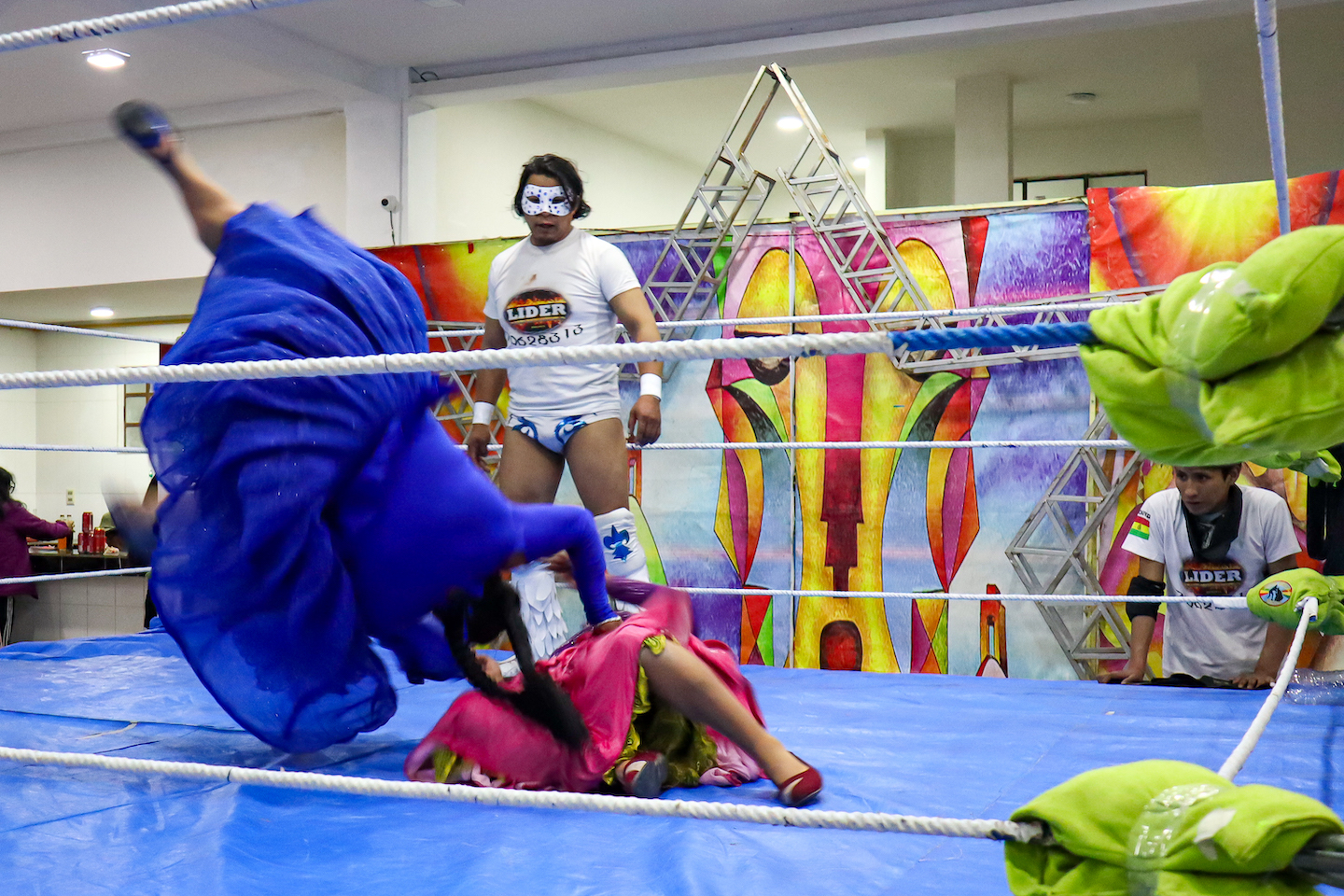
Photo: Justyna Plis / Wikimedia Commons / CC BY-SA 4.0
Mamirauá: The Amazon Where the Forest Becomes a River |
HEMISPHERE ------------------------------------------906[TRAVEL+CULTURE] | |||
Fighting in SkirtsThe Unexpected World of Cholita WrestlingBy Jazmin Agudelo for Ruta Pantera on 11/13/2026 7:09:19 AM |
||||
| In Bolivia, Indigenous women are stepping into the wrestling ring wearing traditional polleras, bowler hats, and long braids. What began as an unlikely form of entertainment has evolved into a cultural phenomenon, challenging stereotypes and giving travelers an unforgettable reason to visit El Alto.
The first thing visitors notice about Cholita Wrestling is the clothing. Brightly colored, layered, and remarkably voluminous, the traditional skirts known as polleras seem like an unusual choice for a wrestling match. Then come the bowler hats, long braided hair, and embroidered shawls, creating a striking contrast with the athletic spectacle unfolding inside the ring. As the women enter to the cheers of an enthusiastic audience, the atmosphere quickly transforms into a theatrical competition filled with acrobatic movements, dramatic confrontations, unexpected falls, and roaring spectators. Welcome to one of Bolivia's most distinctive cultural experiences, where traditional Andean identity meets the spectacle of professional wrestling. In El Alto, the high-altitude city overlooking La Paz, women known as cholitas have transformed the wrestling ring into a stage for entertainment, cultural expression, and public visibility. Their performances combine humor, athleticism, choreographed confrontations, and the theatrical traditions of professional wrestling, but the significance of the phenomenon extends far beyond the matches themselves. For travelers, it offers an opportunity to discover a contemporary expression of Bolivian culture that challenges familiar expectations about Indigenous heritage. Behind the colorful spectacle is a story about women reclaiming their place in public life, transforming traditional clothing into an expression of confidence, and creating new opportunities through an unexpected form of entertainment. From Traditional Polleras to the Wrestling Ring Understanding Cholita Wrestling requires looking beyond the ring and exploring the cultural significance of the clothing worn by its performers. The word cholita is associated with Indigenous Andean women, particularly those of Aymara and Quechua heritage, whose traditional appearance often includes a pollera, an embroidered shawl known as an aguayo, long braided hair, and a rounded bowler hat called a bombín. These garments are deeply connected to Bolivia's social and cultural history. For generations, however, women who wore this clothing experienced discrimination and social exclusion. Traditional dress was frequently treated as a marker of lower social status, while Indigenous women faced barriers to opportunities and recognition in public life. Over time, the cholita identity became an increasingly visible expression of cultural pride, independence, and belonging, transforming garments that had once been associated with social marginalization into recognizable symbols of identity. The emergence of Cholita Wrestling gave this cultural transformation an unexpected stage. According to research published by the Cultural Foundation of the Central Bank of Bolivia, the first public performance of cholita wrestlers took place in October 2003, following a year of training in El Alto. Carmen Rosa, popularly known as La Campeona, was among the pioneering women who helped establish the phenomenon and insisted on competing in traditional clothing rather than adopting the conventional wrestling attire worn by men. Their participation challenged expectations about gender and Indigenous identity in an entertainment environment that had historically been dominated by male performers. What initially attracted attention as an unusual spectacle gradually developed into a recognizable cultural phenomenon, giving women a new opportunity to occupy public spaces and become the main attraction of local wrestling events. The performances draw heavily on the theatrical traditions of professional wrestling, particularly Mexican lucha libre. Matches feature elaborate entrances, exaggerated rivalries, dramatic confrontations, and carefully choreographed movements designed to maintain the audience's excitement. Like other forms of professional wrestling, performers adopt different characters, often representing heroes and antagonists known as técnicas and rudas. The former attract the audience's support, while the latter provoke spectators through aggressive behavior and theatrical rule-breaking. The public is not simply watching from the sidelines: spectators shout encouragement, boo the villains, laugh at unexpected moments, and become part of the atmosphere that makes every match feel like a neighborhood celebration. The result is an entertaining performance that combines sport-inspired movement, comedy, storytelling, and popular culture. |
||||
|
The clothing adds another dimension to the spectacle. Unlike conventional professional wrestlers, cholitas perform wearing their traditional polleras, sometimes with several layers underneath, turning an everyday expression of Andean identity into an unmistakable part of the choreography. The skirts move dramatically as performers turn, jump, confront opponents, and execute their routines, creating a visual contrast between traditional fashion and the physical intensity of the ring. Yet the entertainment should not overshadow the athletic preparation involved. Although the matches are staged and their confrontations choreographed, the performers develop coordination, physical strength, timing, and the technical skills necessary to execute their movements. National Geographic documented wrestlers training regularly and studying Mexican wrestling techniques, while Associated Press reported on younger athletes learning from established performers in El Alto. Their performances combine theatrical storytelling with genuine physical effort, demonstrating that traditional clothing and athletic ambition are not mutually exclusive.
The Women Who Changed the Game One of the most important aspects of Cholita Wrestling is the visibility it has created for Indigenous women in a society where traditional clothing has historically been associated with discrimination. Carmen Rosa helped establish the movement, while later performers such as Reyna Torrez, also known by her wrestling identity, have contributed to its continuity by training younger generations. Associated Press documented Torrez's work mentoring aspiring wrestlers and reported on young women preparing to enter the professional circuit. These stories reveal that the phenomenon is not simply a collection of colorful performances for tourists; it is also a community of athletes passing on techniques, experience, and professional opportunities. For many participants, wrestling has provided a way to earn income, develop public profiles, and become part of an entertainment industry that once offered women from their communities limited recognition. The cultural meaning of these performances is particularly interesting because they do not require women to abandon their heritage in order to embrace modern ambitions. A wrestler can wear a pollera, preserve her traditional appearance, and simultaneously become an athlete, entertainer, entrepreneur, or public figure. National Geographic's reporting on the Flying Cholitas explores this relationship between wrestling, community identity, and the history of Indigenous activism in El Alto. Some performers have also described how wrestling allows them to support their families, travel, and build professional identities. Their stories challenge the idea that cultural preservation must mean keeping traditions separate from contemporary life. Instead, these women demonstrate that identity can evolve through new experiences without losing its connection to history. Their presence in the ring becomes a statement about who has the right to occupy public spaces, represent a community, and define what modern Indigenous womanhood looks like. The movement has also attracted international attention, bringing documentary filmmakers, photographers, journalists, and travelers to El Alto. Its visual identity is immediately recognizable, but its appeal goes beyond the dramatic costumes and acrobatic matches. The performances offer a perspective on Bolivia that is rarely found in conventional tourism campaigns: one shaped by urban communities, social transformation, popular entertainment, and the everyday experiences of Indigenous women. The phenomenon also invites visitors to reconsider how cultural heritage is represented. Cholita Wrestling is not an ancient Andean ritual or a historical tradition preserved unchanged over centuries. It is a contemporary cultural expression that emerged in the early twenty-first century, drawing on Indigenous identity while embracing the theatrical language of international professional wrestling. Recognizing this distinction makes the experience more meaningful and avoids reducing a living community to an exotic image created for visitors. El Alto: Where Culture Takes Center Stage The natural setting for Cholita Wrestling is El Alto, a city whose identity is closely connected to the cultural, economic, and social transformations of contemporary Bolivia. Situated on the Altiplano at more than 4,000 meters above sea level, El Alto overlooks La Paz and has become one of the country's most important urban centers. Its predominantly Aymara population, bustling commercial districts, colorful markets, and distinctive architecture make it an interesting destination in its own right. The city is also known for its vibrant popular culture and the striking cholets, colorful buildings that combine commercial spaces, event venues, and distinctive Andean architectural influences. For travelers staying in La Paz, attending a wrestling performance offers an opportunity to explore a different side of the metropolitan area and encounter a community whose cultural expressions are firmly rooted in contemporary urban life. Performances generally take place in local sports venues and event spaces, where the atmosphere often resembles a neighborhood celebration more than a conventional sporting event. Local spectators and international visitors share the same excitement as the wrestlers take the stage, while the audience's reactions contribute to the humor, rivalries, and theatrical energy of each match. Some tourism experiences include transportation from central La Paz, a guide, admission to the performance, and additional activities around El Alto. Tourism El Alto, for example, publishes itineraries that include the Cholita Wrestling show and visits to different locations in the city. However, venues and schedules may vary depending on the day and the operator, so travelers should confirm the current arrangements before making plans. Because of the altitude, visitors should also allow themselves time to acclimatize, dress in layers for changing temperatures, carry water, and wear comfortable shoes. Bolivia offers an extraordinary range of travel experiences, from the otherworldly landscapes of the Salar de Uyuni and the archaeological heritage of Tiwanaku to the dramatic peaks of the Andes and the vibrant markets of La Paz. Yet some of the country's most memorable stories can also be found in places that rarely appear on conventional travel itineraries. Cholita Wrestling is one of them. It surprises first-time spectators, creates moments of humor and excitement, and challenges assumptions about what traditional clothing, Indigenous identity, and women's participation in public life can represent. Its greatest achievement, however, is not the theatrical knockout or the perfectly executed movement but the visibility it has created for women whose traditional clothing was once used as a reason to exclude them from social and professional opportunities. For travelers seeking to understand Bolivia beyond its landscapes and historical attractions, Cholita Wrestling offers a memorable encounter with a community that continues to shape its own cultural narrative. Inside the ring, the performers entertain audiences through athleticism, humor, and theatrical storytelling. Outside it, their presence represents a broader transformation in which Indigenous women are increasingly defining their place in contemporary society. The most unexpected twist is that these women are not waiting to be rescued, represented, or given permission to take center stage. They have already entered the ring, wearing their polleras with pride, and they are making sure the world is watching. |
||||
 Add this article to your favorites
[FOR MEMBERS ONLY] Copy this link to send this article to a friend: [FOR MEMBERS ONLY] |
||||
|
|
||||
|---|---|---|---|---|
| |
|
|
|
|
×
|
||||
|
References: Caballero Gálvez, A. A. (2015). Cholitas luchadoras del siglo XXI: Un nuevo modelo de masculinidad femenina. Piedra de agua, 3(10), 52–55. Fundación Cultural del Banco Central de Bolivia. Documento original. Butet-Roch, L. (2018, August 30). Meet the women wrestling their way to equality in the High Andes. National Geographic. Artículo original. Mazoch, L. (2019, February 27). A new generation of women wrestlers in Bolivia. AP Photos. Reportaje fotográfico. Villegas Limas, A., & Rama, M. (s. f.). Bolivia: El Alto. World Bank. Documento del Banco Mundial. Turismo El Alto. (s. f.). Cholitas Wrestling. Información turística y visitas. Debes dar crédito a Justyna Plis, incluir la licencia y señalar si haces modificaciones. Crédito: Photo: Justyna Plis / Wikimedia Commons / CC BY-SA 4.0. |
||||
Please leave a comment about this article: 906 |
|
| Enter your email address: |
Your email will not be displayed. |
| Your nickname: | |
| Your comment: | |
| Was this article helpful to you? | |
|
|
|
Articles about exciting travel experiences in our hemisphere.

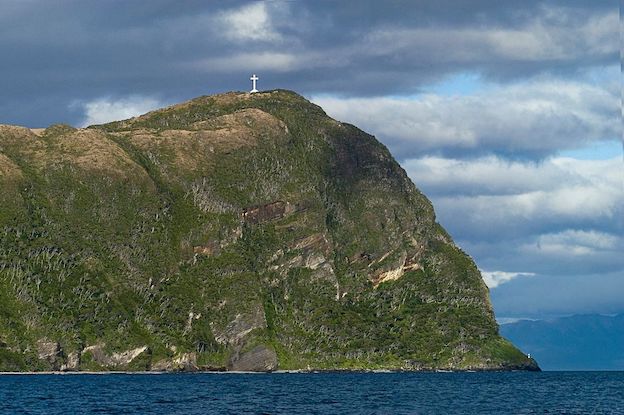
Cape Froward, Chile

Welcome to the World’s Largest New Year’s Celebration
For those traveling from North, Central, or South America, New Year's Eve in Rio offers a rich narrative about how a city can transform a universal holiday into a unique celebration, rooted in local traditions and open to the world.










|
Experiences Finder
(Search our catalog of Experiences here.) |
|---|