|
Pan American Experiences
|
------- |

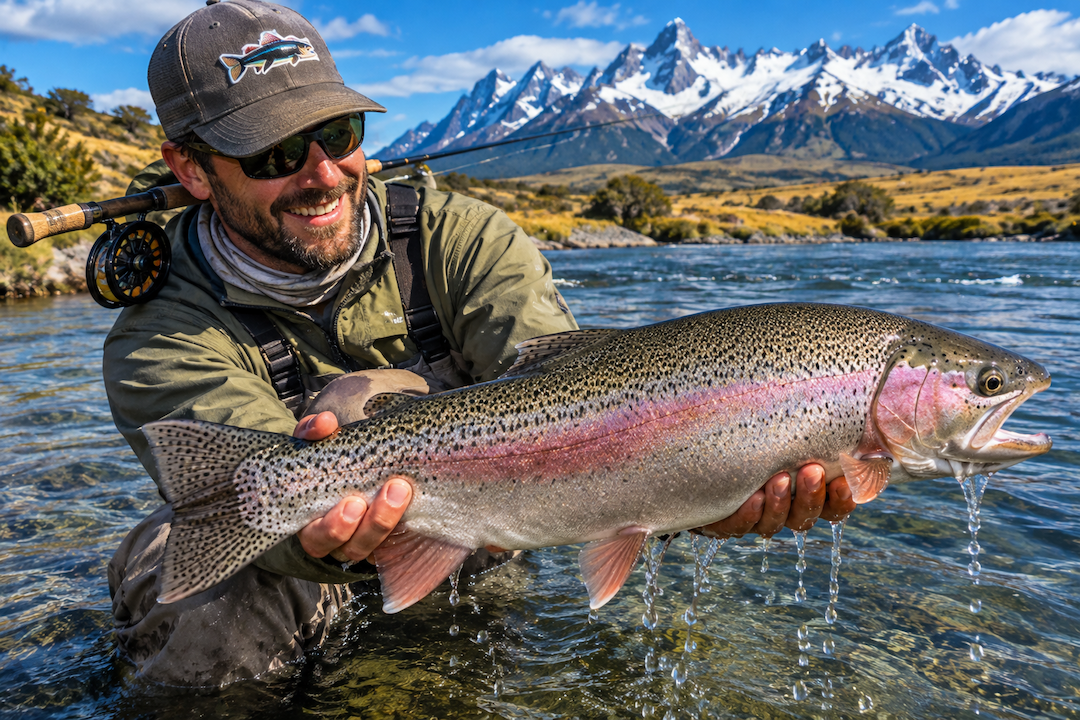
A fly fisherman proudly displays a massive rainbow trout caught in the crystal-clear waters of Patagonia, with the dramatic peaks of the Andes rising in the background. The region’s pristine rivers offer some of South America’s most unforgettable sport-fishing experiences.
ITB Americas 2026: Business for All of American Tourism
|
HEMISPHERE ------------------------------------------902[EXPERIENCE] | |||
Patagonia’s Giant Trout: The Ultimate Fly-Fishing Adventure in South AmericaDiscover Patagonia’s Wild Rivers, Lakes, and Giant Trout.By Marbel Montoya for Ruta Pantera on 11/13/2026 7:09:19 AM |
||||
| Imagine standing in the middle of a crystal-clear Patagonian river, surrounded by snow-covered mountains, ancient forests, and the silence of an immense wilderness. The water moves around your boots as you cast a fly toward a deep pool. Suddenly, the line tightens. Something powerful pulls beneath the surface, and the peaceful landscape becomes the setting for an unforgettable sporting challenge.
Welcome to Patagonia, one of South America's most celebrated destinations for freshwater sport fishing. Stretching across southern Argentina and Chile, this extraordinary region offers anglers the opportunity to pursue wild rainbow trout, brown trout, brook trout, and other salmonid species in rivers, lakes, and remote waterways. Some locations are particularly famous for their trophy-sized fish, attracting experienced fly-fishing enthusiasts from around the world. But fishing in Patagonia is about more than the size of the catch. It is also an opportunity to explore remote landscapes, learn traditional fishing techniques, spend time with local guides, and experience a form of adventure tourism closely connected to nature. Jurassic Lake: Where Giant Rainbow Trout Make History Santa Cruz, Argentina For anglers dreaming of exceptionally large trout, few destinations have the reputation of The lake's unusual ecosystem supports a remarkable population of large fish, making it a destination for anglers who want to test their casting accuracy, patience, and equipment. Its tributary, the Río Barrancoso, is especially important during the spring spawning period, when large numbers of trout move through the water system. The fishing season at Jurassic Lake Lodge generally begins in September and continues into the early part of January for its early-season program. From mid-January through mid-March, summer fishing offers different conditions, with trout moving along the lake's shoreline and anglers adapting their techniques to changing water levels and feeding patterns. The scenery is as dramatic as the fishing. Lago Strobel sits within a rugged Patagonian landscape where volcanic terrain, open steppe, and powerful winds create an environment very different from the forested lakes of northern Patagonia. The experience: Guided fly fishing, lake and stream fishing, trophy rainbow trout, and accommodation at a specialized fishing lodge. Río Grande: The Kingdom of Sea-Run Brown Trout Tierra del Fuego, Argentina At the southern end of the continent, the These trout are prized not only for their size but also for their strength and fighting ability. Anglers often use specialized fly-fishing equipment and carefully selected patterns to pursue them in the river's pools and currents. The nearby city of Río Grande is considered an international reference point for trout fishing. The surrounding waterways also offer opportunities to pursue rainbow trout, brook trout, and other species, depending on the location and regulations. Fishing here requires preparation. Weather can change rapidly, winds can be strong, and water temperatures remain cold. An experienced local guide can help visitors choose appropriate fishing locations, understand river conditions, and use techniques suited to the fish. The experience: Sea-run brown trout fishing, guided river excursions, and a remote southern Patagonian setting. The Limay River: Fishing Between Mountains and Steppe Neuquén and Río Negro, Argentina The One of the most popular ways to explore the river is from a drift boat, allowing anglers to cover longer stretches of water while casting toward promising pools, banks, and submerged structures. Walking and wading excursions are also available in suitable sections. The river is particularly attractive to travelers who want to combine fishing with a broader Patagonia itinerary. Bariloche and the surrounding lake district provide accommodation, restaurants, outdoor activities, and access to additional fishing locations. Local outfitters offer guided trips that can be arranged for beginners as well as experienced anglers. Some packages combine accommodation, transportation, meals, and fishing days, allowing visitors to focus on the experience rather than organizing every detail independently. The experience: Drift-boat fishing, guided fly casting, brown and rainbow trout, and access to the wider northern Patagonia lake district. |
||||
|
Chilean Patagonia: Fly Fishing in a Wilderness of Rivers and Lakes
Aysén and the Southern Andes, Chile Across the Andes, Chilean Patagonia offers another extraordinary setting for freshwater fishing. The Aysén region is known for its rivers, lakes, forests, and mountain landscapes, with fishing opportunities for rainbow and brown trout. The area around Coyhaique provides access to numerous fishing waters, including rivers that flow through valleys surrounded by the Andes. Visitors can combine guided fishing with scenic road trips, hiking, wildlife observation, and visits to small Patagonian communities. One bookable option is Flywise Anglers Lodge, which offers guided fly-fishing programs based around Coyhaique. Its published 2026 rates include a seven-night, six-day guided package for US$7,250 per angler. The package includes accommodation, meals, alcoholic beverages, transfers to and from Balmaceda Airport, daily guided fishing, fishing licenses, flies, and tippet. The lodge limits its program to six anglers per week. Personal fishing equipment and gratuities are not included. For travelers who prefer shorter excursions, Patagonia Line operates guided fishing trips from Puerto Natales, with programs in Chilean Patagonia starting at US$420 per angler for a full day. Its trips include a guide, transport, fishing license, and meals, with a maximum of three anglers per guide. The experience: Guided fly fishing, remote rivers, Andean scenery, and the possibility of combining sport with a longer Chilean Patagonia itinerary. When Is the Best Time to Go? Fishing seasons vary according to the river, lake, province, and species. In Argentina's Patagonian national parks, the general season usually runs from November through May, although individual waters may have different opening and closing dates. Some destinations, such as Jurassic Lake, operate under their own seasonal programs. For travelers considering a trip, the following periods provide a useful starting point: September to early January: An important period for Jurassic Lake's early-season trophy rainbow trout program. November to January: The beginning of the main fishing season across many Argentine Patagonian rivers and lakes. January to March: Summer fishing, with different water levels and fish behavior. March to April: Autumn conditions offer another opportunity to explore many Patagonian fishing destinations, depending on local regulations. Always confirm the precise opening dates for the water you intend to fish before making travel arrangements. How to Organize a Fishing Expedition A successful Patagonian fishing trip begins with choosing the right destination and understanding the type of experience you want. Some anglers prefer remote lodges with several consecutive days of guided fishing, while others choose a shorter excursion from a town such as Bariloche or Puerto Natales. Before booking, consider the following: 1. Choose your fishing style. Fly fishing is particularly popular in Patagonia, but some locations also permit spinning or trolling under specific regulations. 2. Book a qualified local guide. Local knowledge is essential when dealing with changing currents, weather, access restrictions, and fish behavior. 3. Obtain the required fishing license. A valid fishing permit is mandatory in regulated waters. Argentina's Continental Patagonian Sport Fishing Regulations for 2026–2027 establish the licensing and conservation requirements for participating jurisdictions. 4. Prepare the appropriate equipment. Waders, waterproof clothing, suitable rods, reels, lines, flies, and layered clothing are important. Ask your operator which equipment is included before traveling. 5. Respect conservation rules. Many Patagonian waters use catch-and-release practices, and some species or locations have specific restrictions. Follow local regulations, handle fish carefully, and never assume that a catch can be kept. A Sport That Connects Travelers With Nature Patagonia's fishing culture is closely connected to conservation. Its rivers and lakes support delicate aquatic ecosystems, and responsible sport fishing helps preserve the natural resources that make the region internationally recognized. Catch-and-release fishing, appropriate handling techniques, respect for spawning periods, and compliance with local regulations are essential. The objective is not simply to catch the largest fish, but to protect the environment that allows these extraordinary populations to thrive. The Ultimate Patagonian Fishing Adventure Whether you are pursuing giant rainbow trout at Jurassic Lake, casting for sea-run brown trout in Tierra del Fuego, drifting along the Limay River, or exploring the waterways of Chilean Patagonia, this region offers a remarkable combination of sport, wilderness, and adventure. For experienced anglers, it is an opportunity to challenge their skills in some of South America's most celebrated fishing waters. For travelers discovering the sport, it is a chance to learn from local guides and experience Patagonia from a different perspective. The mountains, rivers, and enormous open landscapes are part of the attraction, but the defining moment comes when the line tightens and the water begins to move. In Patagonia, every cast offers the possibility of an unforgettable encounter. |
||||
 Add this article to your favorites
[FOR MEMBERS ONLY] Copy this link to send this article to a friend: [FOR MEMBERS ONLY] |
||||
|
|
||||
|---|---|---|---|---|
| |
|
|
|
|
×
|
||||
|
References: Argentina Travel. (s. f.). Fishing in Tierra del Fuego. https://www.argentina.travel/en/activities/fishing-in-tierra-del-fuego Flywise Anglers Lodge. (s. f.). Rates and reservations. https://flywiseanglers.com/rates-reservations/ Jurassic Lake Lodge. (s. f.). Seasons at Jurassic Lake. https://www.jurassiclake.com/seasons Limay River Lodge. (s. f.). The fishing. https://limaylodge.com/the-fishing/ Patagonia Line. (2026). Fly fishing trips in Chilean Patagonia. https://www.patagonialine.com/trips/ Reglamento de Pesca Deportiva Continental Patagónico. (2026). Continental Patagonian sportfishing general rules and regulations 2026–2027. https://reglamentodepesca.org.ar/rules-and-regulations/ |
||||
Please leave a comment about this article: 902 |
|
| Enter your email address: |
Your email will not be displayed. |
| Your nickname: | |
| Your comment: | |
| Was this article helpful to you? | |
|
|
|
Articles about exciting travel experiences in our hemisphere.
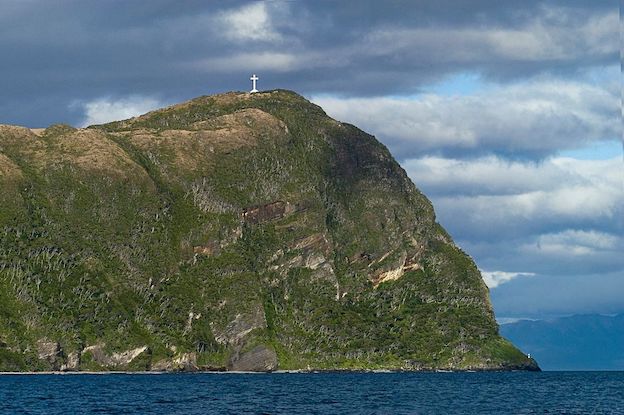
Cape Froward, Chile

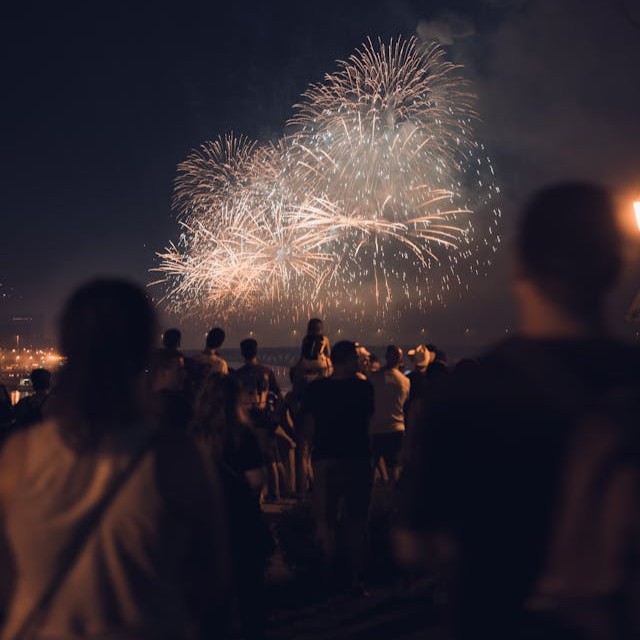

Welcome to the World’s Largest New Year’s Celebration
For those traveling from North, Central, or South America, New Year's Eve in Rio offers a rich narrative about how a city can transform a universal holiday into a unique celebration, rooted in local traditions and open to the world.






|
Experiences Finder
(Search our catalog of Experiences here.) |
|---|