|
Pan American Experiences
|
------- |

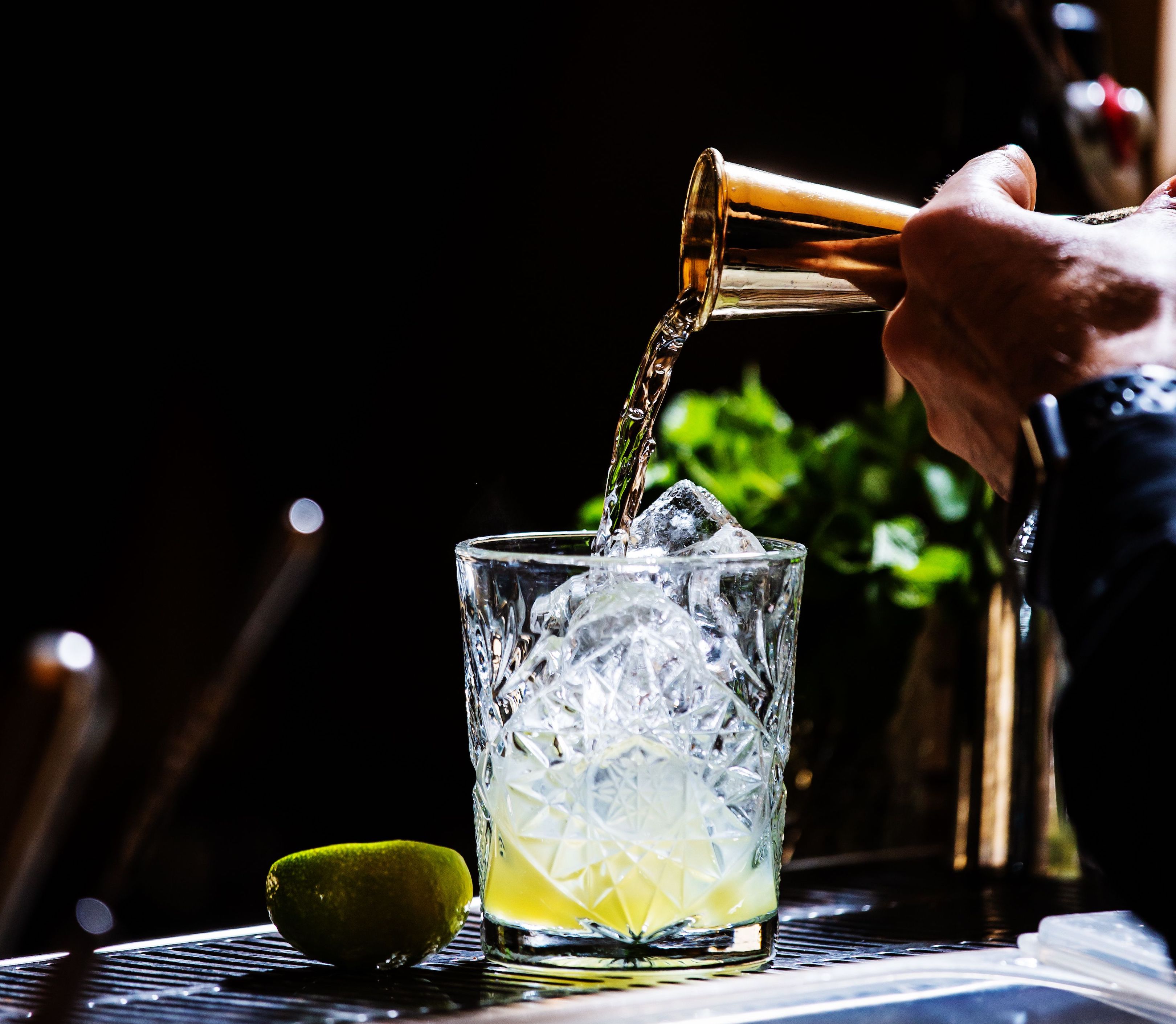
Cocktails that reflect the diversity and richness of Pan-American drinking culture. Photo: Vincenzo Malagoli / Pexels
The Electoral Power of Young People: The United States and Latin America
|
HEMISPHERE ------------------------------------------881[TRAVEL+CULTURE] | |||
The Drinks That Define Pan-AmericaA Liquid Journey Through the ContinentBy Jazmin Agudelo for Ruta Pantera on 11/19/2026 5:20:20 AM |
||||
| Across Pan-America, a drink is rarely just something poured into a glass. It can represent family traditions, national identity, celebration, or a daily ritual shared among friends. From the steaming mate gourds of Argentina to the tropical cocktails of the Caribbean, the continent's beverage culture reflects its extraordinary diversity. Some drinks have crossed international borders to become symbols of their countries, while others remain deeply rooted in local communities, preserving Indigenous knowledge, agricultural traditions, and centuries of cultural exchange. Together, they reveal how something as simple as a drink can connect people to their history and sense of belonging.
Everyday Rituals and Iconic Cocktails In the Southern Cone, mate is one of the clearest expressions of everyday social culture. Popular in Argentina, Uruguay, and Paraguay, this traditional infusion is prepared with yerba mate leaves and hot water, traditionally served in a gourd with a metal straw called a bombilla. Sharing mate represents hospitality, friendship, and connection across generations. In Colombia, coffee plays a similar role, accompanying conversations, working days, and family gatherings. Beyond its international reputation for high-quality Arabica beans, Colombian coffee is deeply connected to rural communities and the Coffee Cultural Landscape. Brazil, meanwhile, has its own popular beverage identity through guaraná, a drink made from a fruit native to the Amazon that has become a recognizable part of the country's everyday food culture. Beyond daily rituals, Latin America has given the world some of its most recognizable cocktails. Brazil's caipirinha combines cachaça, fresh lime, sugar, and ice, creating a refreshing drink that reflects the country's sugarcane heritage. Cuba is internationally associated with the mojito, a combination of rum, lime, sugar, mint, and soda water that evokes Havana's vibrant cocktail culture. Mexico contributes the paloma, traditionally made with tequila and grapefruit soda, as well as the michelada, a savory beer-based preparation with lime, salt, sauces, and spices. In Peru, the pisco sour combines pisco, lime juice, syrup, egg white, and bitters, becoming an important symbol of national gastronomy. Puerto Rico is celebrated for the piña colada, a tropical mixture of rum, pineapple, and coconut, while Colombia's aguardiente, often flavored with anise, remains closely associated with regional celebrations, music, and social gatherings. Ancestral Traditions and Tropical Heritage Long before modern cocktail culture emerged, Indigenous communities across the Americas were preparing beverages using local crops, natural ingredients, and fermentation techniques. Chicha is among the continent's most significant examples, referring to different traditional beverages, often made from corn, that can be fermented or non-fermented depending on the region. Particularly important in Andean communities, chicha has historically accompanied ceremonies, agricultural celebrations, and communal gatherings. Mexico's tepache offers another example of traditional fermentation. Usually prepared with pineapple peels, cores, and piloncillo, it produces a lightly fermented drink with a sweet and tangy flavor. Colombia's masato, made with ingredients such as rice or corn and sometimes flavored with cinnamon and cloves, also preserves regional culinary traditions through homemade preparations passed between generations. |
||||
|
The Caribbean's beverage culture reflects a remarkable combination of Indigenous, African, European, and Asian influences. Its tropical climate, sugarcane history, and abundance of fresh fruit have shaped a distinctive drinking tradition, with rum occupying a central place across the region. Jamaica's rum punch, prepared with rum, fruit juices, and spices, is closely associated with hospitality and celebration. In Trinidad and Tobago, sorrel is particularly popular during the Christmas season. Made from the red calyces of the hibiscus plant and commonly infused with ginger and spices, it is recognized for its vibrant color and refreshing taste. Coconut water, passion fruit juice, tamarind beverages, and other tropical fruit preparations also form an essential part of Caribbean daily life, demonstrating that the region's drinking culture extends well beyond alcoholic beverages.
North America presents another fascinating combination of agricultural heritage, traditional recipes, and modern craftsmanship. Mexico's horchata, commonly prepared with rice, water, cinnamon, and sugar, has become one of the region's most recognizable refreshing drinks. In the United States, bourbon represents an important part of American distilling history, particularly in Kentucky. Its production follows specific legal requirements, including a grain mixture containing at least 51 percent corn and aging in new charred oak barrels. Canada, meanwhile, has developed its own distinctive specialty through ice cider, particularly associated with Quebec. Produced using naturally frozen apples or concentrated apple juice, it reflects the country's apple-growing traditions and the creativity of its producers. A New Drinking Culture: Tradition, Innovation, and the Future Today, Pan-American beverage culture continues to evolve as new generations explore different ways of drinking and experiencing local flavors. Non-alcoholic cocktails, commonly known as mocktails, are gaining visibility in bars and restaurants, combining fresh fruit, herbs, spices, and sparkling water to create sophisticated alternatives. At the same time, traditional ingredients such as hibiscus, tamarind, guava, passion fruit, panela, and regional herbs are inspiring contemporary beverage creations. This movement offers an opportunity to celebrate the continent's biodiversity, support local producers, and introduce traditional flavors to new audiences while making drinking experiences more inclusive. From communal mate rituals in the Southern Cone to the vibrant cocktails of the Caribbean, Pan-America's beverages reveal the continent's ability to transform local ingredients and cultural influences into shared experiences. Some carry centuries of history, while others reflect modern creativity and changing lifestyles, but they all preserve a connection between people, traditions, and places. Traveling through the Americas means discovering extraordinary landscapes, food, music, and cultural expressions, yet sometimes one of the most meaningful ways to understand a destination is simply to sit down, order its traditional drink, and listen to the story behind it. Because across Pan-America, every glass has a story worth sharing. |
||||
 Add this article to your favorites
[FOR MEMBERS ONLY] Copy this link to send this article to a friend: [FOR MEMBERS ONLY] |
||||
|
|
||||
|---|---|---|---|---|
| |
|
|
|
|
×
|
||||
|
References: Folch, C. (2024). The book of yerba mate: A stimulating history. Princeton University Press. Food and Agriculture Organization of the United Nations. (s. f.). Fermented cereals: A global perspective. https://www.fao.org/4/x2184e/x2184e10.htm Garfield, S. (2022). Guaraná: How Brazil embraced the world’s most caffeine-rich plant. University of North Carolina Press. Patiño, V. M. (1990). Historia de la cultura material en la América equinoccial. Tomo I: Alimentación y alimentos. Instituto Caro y Cuervo. Pierce, G., & Toxqui, Á. (Eds.). (2014). Alcohol in Latin America: A social and cultural history. University of Arizona Press. Sarreal, J. (2025). History of yerba mate. En Oxford Research Encyclopedia of Latin American History. Oxford University Press. https://doi.org/10.1093/acrefore/9780199366439.013.192 Soluri, J. (2025). Social drinking: Mate, guaraná, and coffee consumption in the Americas. The Americas, 82(3), 397–407. https://doi.org/10.1017/tam.2025.10124 UNESCO World Heritage Centre. (s. f.). Coffee Cultural Landscape of Colombia. https://whc.unesco.org/en/list/1121/ Wondrich, D., & Rothbaum, N. (Eds.). (2021). The Oxford companion to spirits and cocktails. Oxford University Press. |
||||
Please leave a comment about this article: 881 |
|
| Enter your email address: |
Your email will not be displayed. |
| Your nickname: | |
| Your comment: | |
| Was this article helpful to you? | |
|
|
|
Articles about exciting travel experiences in our hemisphere.

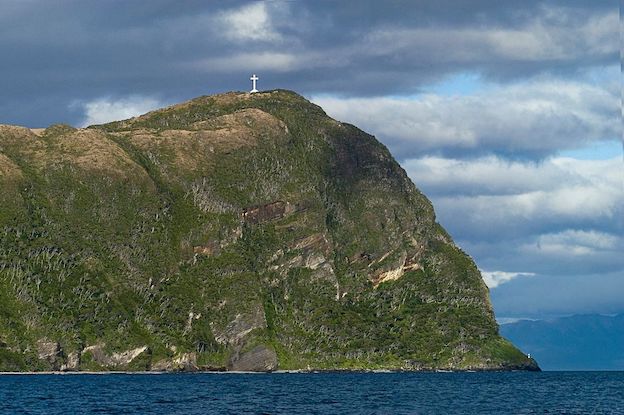
Cape Froward, Chile
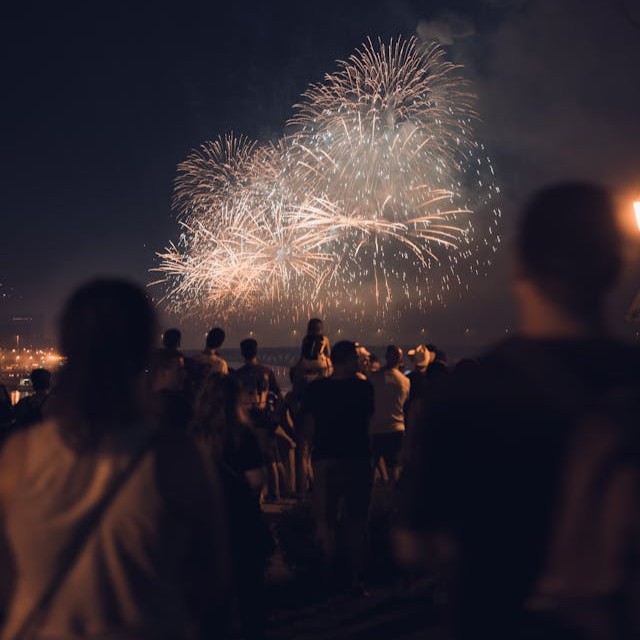

Welcome to the World’s Largest New Year’s Celebration
For those traveling from North, Central, or South America, New Year's Eve in Rio offers a rich narrative about how a city can transform a universal holiday into a unique celebration, rooted in local traditions and open to the world.








|
Experiences Finder
(Search our catalog of Experiences here.) |
|---|