|
Pan American Experiences
|
------- |


Latin America Related Articles:
A “Trad-Wife” in Latin America
Pan-American Sports: From Tech-Enhanced Fashion to Ancestral Games
Duty Free Shopping: How to Find Deals and Sweeten Your Travel Experience
|
LATIN AMERICA ------------------------------------------839[EXPERIENCE] | |||
Exotic Beverages of the AmericasCurious Libations To Enliven Your New Year’s PartyBy Jazmin Agudelo for Ruta Pantera on 12/31/2025 10:16:57 AM |
||||
| The American continent preserves a diversity of ancestral beverages that go far beyond the conventional, blending unique flavors with ancient traditions, medicinal properties, and cultural rituals. From probiotic ferments to symbolic infusions, these drinks reflect the natural richness and ingenuity of Indigenous and Afro-descendant communities. Many are made with local ingredients such as wild fruits, roots, or grains, and surprise not only with their flavor but also with the historical secrets and benefits they hold.
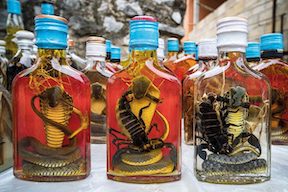
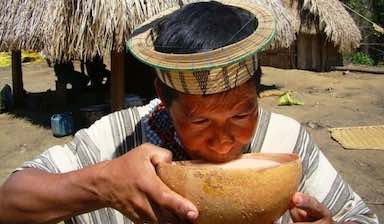
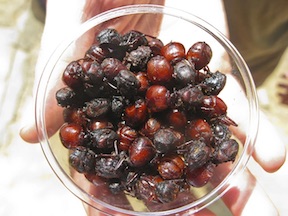
Ants! Add a Dollop for Fertility and Strength In the department of Santander, Colombia, chicha made with hormigas culonas represents a pre-Hispanic Guane tradition. The queen ants—collected during the rainy season—are toasted and ground to infuse a fermented drink with smoky and acidic notes, rich in protein. Considered an aphrodisiac by Indigenous communities, this chicha evokes the legacy of the Guanes, who viewed the ants as symbols of fertility and strength. In Mexico, colonche emerges from the fermentation of tuna roja cardona, a prickly pear fruit with a pre-Hispanic history of more than two thousand years. Its intense pink color is obtained naturally, without additives, and its sweet, lightly alcoholic flavor makes it refreshing. Passed down by Otomí women, it was once on the brink of extinction, but today it is experiencing a revival as a healthy drink rich in fiber and antioxidants, ideal for digestion. In rural regions of Venezuela and Bolivia, snake guarapo infuses aguardiente with whole snakes—sometimes venomous—to transmit “the strength of the animal.” Used against colds and aches, this maceration reflects Indigenous and Afro medicinal beliefs, though its rarity confines it mostly to Amazonian fairs. In northwestern Argentina and Chile, aloja de chañar ferments the fruits of this tree, considered sacred by the Diaguita people. Sweet with caramel-like notes, it is used in spiritual purification rituals and as an anti-asthmatic remedy, highlighting its role in Indigenous worldviews. Masato, shared across Peru, Colombia, and Brazil, ferments cassava traditionally chewed by women, activating salivary enzymes in a ritual act rooted in femininity. It symbolizes the highest form of hospitality; while many modern versions avoid the chewing process, it still retains its nutritional and cultural essence. Peru’s chicha morada, a non-alcoholic drink, simmers purple corn rich in anthocyanins, the same antioxidant found in blueberries. Used in Inca ceremonies to ensure good harvests, its natural violet hue and cardiovascular benefits make it a superfood disguised as a refreshing drink. In the Caribbean — especially in St. Maarten — guavaberry rum macerates wild berries in rum, becoming an essential part of centuries-old Christmas carols. It is not made from guava, but from a semi-bitter berry that defines the island’s holiday season. Viche, from Colombia’s Pacific region and recognized as cultural heritage, is distilled by Afro-descendant women known as healers. Central in rituals of birth and spiritual cleansing, it symbolizes resistance and ancestral knowledge. |
||||
|
Mexico’s tepache, made from fermented pineapple peels with piloncillo in clay jugs, is a pre-Hispanic probiotic that supports digestion. Finally, yerba mate, originating from the Guaraní people, was considered a divine gift. Originally sipped from hollowed gourds, the way the mate is prepared conveys social messages such as friendship or courtesy. These beverages not only delight the palate but also connect us with deep roots, reminding us that in every sip beats the living history of the Americas. Happy New Year! |
|||
 Add this article to your favorites
[FOR MEMBERS ONLY]
Add this article to your favorites
[FOR MEMBERS ONLY]
Copy this link to send this article to a friend: [FOR MEMBERS ONLY] |
||||
|
Click on images to enlarge:
|
||||
|---|---|---|---|---|
| |
|
|
|
|
×
|
||||
|
References: Colombia Travel. (2025). Hormiga culona en Santander. https://colombia.travel México Desconocido. (2021). Colonche, bebida ancestral. https://www.mexicodesconocido.com.mx Radio Nacional de Colombia. (2025). Viche del Pacífico. https://www.radionacional.co Wikipedia. (2025). Masato (bebida). https://es.wikipedia.org/wiki/Masato_(bebida) Peru Travel. (2025). Chicha morada. https://www.peru.travel Sint Maarten Guavaberry. (2025). Historia del guavaberry. https://guavaberry.com Gobierno de México. (2025). Tepache prehispánico. https://www.gob.mx Cultura.gob.ar. (2025). Historia del mate. https://www.cultura.gob.ar |
||||
Please leave a comment about this article: 839 |
|
| Enter your email address: |
Your email will not be displayed. |
| Your nickname: | |
| Your comment: | |
| Was this article helpful to you? | |
|
|
|
Articles about exciting travel experiences in our hemisphere.
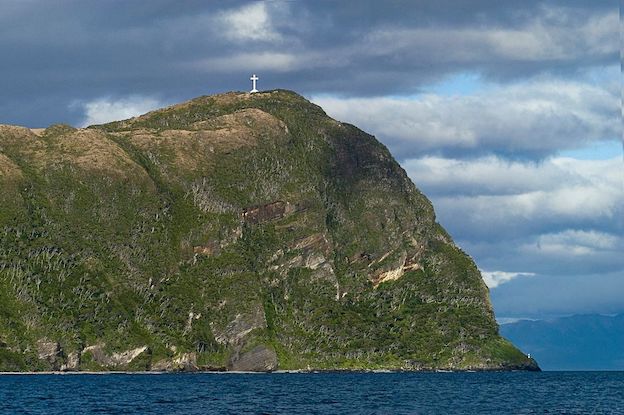
Cape Froward, Chile
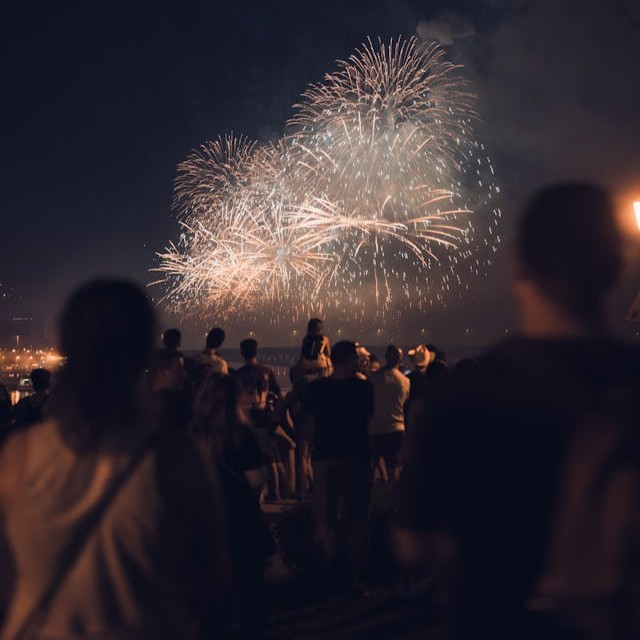

Welcome to the World’s Largest New Year’s Celebration
For those traveling from North, Central, or South America, New Year's Eve in Rio offers a rich narrative about how a city can transform a universal holiday into a unique celebration, rooted in local traditions and open to the world.








|
Experiences Finder
(Search our catalog of Experiences here.) |
|---|