![]() |
Pan American experiences
|
------- |

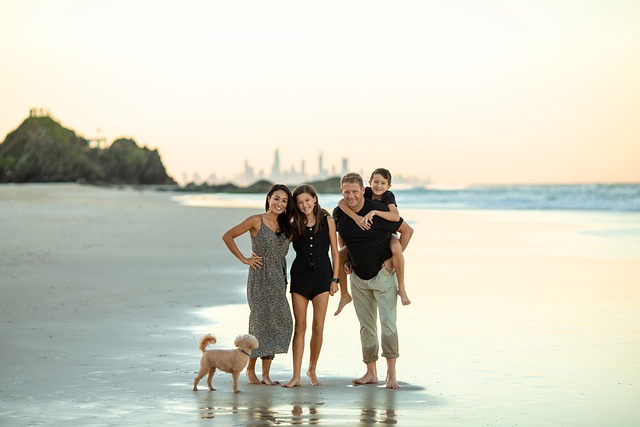
<i>Diverse families sharing moments of freedom in destinations that celebrate plurality. </i>
|
WORLD ------------------------------------------802[FEATURE] | |||
The Rise of Family Travel in the LGBTQ+ CommunityA Growing Trend Transforming TourismBy Jazmin Agudelo for Ruta Pantera on 1/14/2026 5:22:34 AM |
||||
| In recent years, family tourism has undergone a remarkable evolution within the LGBTQ+ community, driven by a collective desire to find spaces where diversity is not merely tolerated, but celebrated. Families made up of same-sex couples, with children adopted or born through surrogacy, are increasingly choosing destinations that offer safe and respectful environments. This trend is no coincidence: it reflects a broader cultural shift in which travel becomes a tool to strengthen family bonds and expose new generations to plural models of life. According to recent data, travel spending by queer travelers could reach $568.5 billion by 2030, with a growing focus on family-oriented experiences.
This surge is supported by striking figures. In the United States, for example, LGBTQ+ households represent a significant economic force, with purchasing power exceeding one trillion dollars annually, of which nearly $100 billion is allocated to travel. Globally, the market has grown to $320 billion in 2025, with projections to double by 2033. What distinguishes these families is their prioritization of inclusive destinations, where they can travel without fear of discrimination, allowing their children to grow up in contexts that normalize a variety of family structures. Refuges for Family Diversity Among the destinations that have gained popularity are those with progressive legislation and a tourism offering tailored to inclusivity. Countries such as Finland, a pioneer in allowing adoption by same-sex couples two decades ago, and Taiwan, the first in Asia to do so more recently, attract queer families due to their commitment to human rights. In Europe, destinations like Spain — with enclaves such as Gran Canaria, which has seen a 125% increase in searches — and Malta offer beaches and cities where inclusivity is tangible in hotels and family activities. Canada and Sweden also stand out for their focus on equality, with policies that guarantee protection against discrimination. Specialized companies, such as R Family Vacations, have responded to this demand by creating vacation packages designed specifically for LGBTQ+ families, ranging from Mediterranean cruises to adventures in Thailand. These trips not only include child-friendly activities, such as educational workshops or beach days, but also foster encounters with other similar families, creating support networks. In the United States, Key West has emerged as a favorite for beach getaways, even surpassing iconic destinations like Mykonos in summer preferences. The key lies in visibility: hotels that display pride symbols in their lobbies or websites featuring images of queer couples and their children send a message of genuine welcome. |
||||
|
However, not everything is idyllic. Many families still avoid regions with anti-LGBTQ+ laws, such as parts of Africa or the Middle East, where homosexuality remains illegal in 64 countries. This careful selection does not limit options, but rather enriches them, prioritizing quality over quantity. Travelers like Kate Everall, co-founder of a blog about lesbian families, emphasize the importance of thorough research: “Even in friendly destinations, there is always an initial nervousness when arriving at a new hotel.” The result is a more conscious form of tourism, where 41% of LGBTQ+ travelers choose accommodations that demonstrate explicit inclusivity. Sowing Seeds of Empathy One of the most profound aspects of this trend is its effect on child development. By traveling to inclusive destinations, children from LGBTQ+ families are exposed to environments where they see their everyday realities reflected, strengthening their self-esteem and sense of belonging. Experts note that these experiences normalize diversity from an early age, fostering empathy and respect for differences in gender, orientation, and family structures. For example, family-adapted pride festivals — those that include children’s zones with workshops on LGBTQ+ history — allow young people to learn about equality in a festive and educational setting. Studies indicate that 45% of LGBTQ+ households include children, a growing segment that prioritizes travel with formative value. Queer parents report that these trips help their children navigate complex identities by showing them that family love transcends traditional norms. “It’s about creating memories where no one questions our structure,” shares one mother in accounts gathered from group travel experiences. In addition, contact with global communities broadens cultural horizons, preparing children for an interconnected and tolerant world. This dynamic also benefits society at large. Destinations that embrace inclusivity not only attract economic tourism — with LGBTQ+ travelers taking at least three trips per year and spending an average of $3,775 — but also promote human values such as openness and respect. As a result, cities like Tel Aviv or Rio de Janeiro have seen improvements in their reputations, attracting diverse audiences that enrich the local social fabric. The increase in family travel within the LGBTQ+ community is not merely a trend, but a movement toward more equitable tourism. By choosing inclusive destinations, these families not only ensure their own well-being, but also contribute to a legacy of normalization for future generations. With the market expanding, the tourism industry has an opportunity to innovate, offering experiences that celebrate human plurality in all its breadth. |
||||
|
|
||||
|---|---|---|---|---|
| |
|
|
|
|
×
|
||||
|
References: Condé Nast Traveller. (2023, July 3). These are the LGBTQ+ travel trends shaping the future of inclusive... Queer Adventurers. (n.d.). LGBTQ+ Travel Is Thriving. Here's What That Means for Us. Retrieved January 6, 2026 Arival Travel. (2024, June 3). LGBTQ+ Travelers Do and Spend More on Experiences. The Fabryk. (2025, February 11). 2025 Gay Travel Trends: How LGBTQ+ Tourism is Slaying the Future. Expedia. (2025, May 28). Expedia LGBTQ+ Summer Travel Outlook Uncovers a Community of... Condé Nast Traveller. (2023, June 19). What it's like to travel as a queer family. The Homo Culture. (2025, January 18). Pride For All Ages: Why LGBTQ+ Celebrations Are Family-Friendly. |
||||
Please leave a comment about this article: 802 |
|
| Enter your email address: |
Your email will not be displayed. |
| Your nickname: | |
| Your comment: | |
| Was this article helpful to you? | |
|
|
|
Articles about exciting travel experiences in our hemisphere.
Welcome to the World’s Largest New Year’s Celebration
For those traveling from North, Central, or South America, New Year's Eve in Rio offers a rich narrative about how a city can transform a universal holiday into a unique celebration, rooted in local traditions and open to the world.
|
Experiences Finder
(Search our catalog of articles here.) |
|---|