|
Pan American Experiences
|
------- |



World |
WORLD ------------------------------------------743[FEATURE] | |||
Your Favorite Brew Laid BareA Comparison of Popular Beers and Their IngredientsBy Jazmin Agudelo for Ruta Pantera on 12/1/2025 10:23:23 AM |
||||
| In a world where the label “craft beer” or “sugar-free” sells more than ever, the reality is that many of the most widely consumed beers contain ingredients that reveal themselves when you read their labels closely. A 2024 study by the Center for Science in the Public Interest (CSPI) analyzed 120 global beer brands and found that 68% include high-fructose corn syrup, liquid glucose, or dextrose, while 41% exceed 12 grams of sugar per can. Although traditional beer should contain only water, malt, hops, and yeast, industrial production has incorporated additives to cut costs, speed up fermentation, and guarantee consistent flavor. Let’s look at the numbers Here we break down the 10 best-selling beers in Spain and Latin America (Nielsen 2025 data) so you will know exactly what you’re bringing to the table. Corona Extra, the undisputed leader in more than 40 countries, features the “100% natural” label on its Mexican version, but the European and U.S. versions include rice and GMO corn as adjunct grains, as well as propylene glycol (a stabilizer also used in antifreeze, though in quantities approved by EFSA). Each 12-oz can contains 14 g of carbohydrates, of which 0 g are added sugars according to the Mexican version, but the European version contains 1.2 g of sugar per 100 ml (4.2 g per can). Its alcohol content is 4.5% ABV. The Corona Cero (0.0%) version uses artificial sweeteners (acesulfame K and sucralose) to maintain its sweet flavor without alcohol. Heineken, Europe’s best-selling premium lager, uses liquid glucose and corn syrup in its global formula. Each 33-cl bottle contains 11 g of carbohydrates and 0 g of declared sugar, but independent tests by Ghent University (2023) detected 3.1 g of reducing sugars per can, resulting from incomplete fermentation. The beer also contains sulfites and ascorbic acid as an antioxidant. Its ABV is 5%. The Heineken 0.0 version contains acesulfame K and natural hop flavor. Budweiser, the “King of Beers,” is perhaps the most controversial. The U.S. formula includes rice, high-fructose corn syrup, and dextrose explicitly listed. A 12-oz can contains 10.6 g of carbohydrates and 0 g of declared sugar, but laboratory analyses by Consumer Reports (2024) found 6.8 g of total sugars per can. It includes propylene glycol alginate as a foam stabilizer and caramel color E-150d. Alcohol content is 5% ABV. In Europe, the licensed version (produced in Spain and the UK) removes high-fructose corn syrup but keeps rice and glucose. Stella Artois, proudly marketed as having “Belgian heritage since 1366,” uses corn and liquid glucose in its global formula. Each 50-cl pint contains 12.8 g of carbohydrates and 0 g of declared sugar, although studies by KU Leuven (2024) detected 4.2 g of reducing sugars. It contains sulfites and citric acid. Its ABV is 5.2%. The alcohol-free version contains sucralose and acesulfame K. |
||||
|
Among Spanish brands, Mahou Clásica contains glucose–fructose syrup and glucose syrup in its standard formula. A 33-cl glass contains 10.5 g of carbohydrates and 0 g of declared sugar, but OCU (2025) analyses found 2.8 g of total sugars. Its ABV is 4.8%. The non-alcoholic version contains artificial sweeteners. Estrella Galicia Especial, meanwhile, is one of the few that adheres to the 1516 Bavarian Purity Law: only water, barley malt, corn (in minimal proportion), and hops. Each 33-cl bottle contains 11 g of carbohydrates and 0 g of added sugars, with 5.5% ABV. Its 0.0 version uses hop extract and natural aromas, without artificial sweeteners. “And the winner is…” The healthiest options, based on criteria of low added sugar, absence of corn syrup, and minimal additives, are: – Estrella Galicia Especial (0 g added sugar, minimal corn) – Alhambra Reserva 1925 (0 g added sugar, only malt and hops) – Paulaner Hefe-Weißbier Naturtrüb (purity law, 0 g added sugar) – Guinness Draught (roasted barley, no syrups, 4.2% ABV) – Cruzcampo Gluten-Free (0 g added sugar, no sulfites) The beers that raise the most concern due to high hidden sugars or additives are Budweiser (American version), Desperados (9 g sugar/33 cl due to tequila and lime flavoring), Redd’s Apple Ale (15 g sugar/33 cl), and some craft IPAs with added lactose or dextrose for body. Most industrial beers contain between 0 and 6 g of sugars per can, mainly due to incomplete fermentation or added syrups. The beers with the fewest additives and sugars are those that respect traditional recipes or the German Reinheitsgebot. If you want the cleanest option, choose beers with a short ingredient list and moderate alcohol content. Because enjoying a good brew shouldn’t mean loading up on unnecessary syrups. |
||||
|
|
||||
|---|---|---|---|---|
| |
|
|
|
|
×
|
||||
Please leave a comment about this article: 743 |
|
| Enter your email address: |
Your email will not be displayed. |
| Your nickname: | |
| Your comment: | |
| Was this article helpful to you? | |
|
|
|
Previous comments about this article: |
|
| On 5/18/2026 5:54:37 AM, TEST wrote: "test`." 1. | |
| On 5/18/2026 5:54:36 AM, TEST wrote: "`." 1. | |
| On 5/18/2026 5:54:36 AM, TEST wrote: "test." 1. | |
| On 5/18/2026 5:54:36 AM, TEST wrote: "test." 1. | |
| On 5/18/2026 5:54:36 AM, wrote: "test." 1. | |
| On 5/18/2026 5:54:34 AM, TEST wrote: "test." 1. | |
| On 5/18/2026 5:54:34 AM, TEST wrote: "test`." 1. | |
Articles about exciting travel experiences in our hemisphere.

ADVENTURE
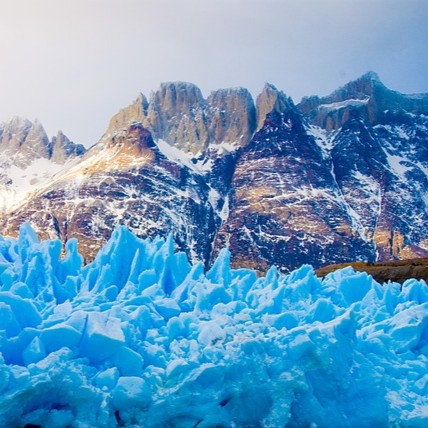
Cape Froward, Chile

BEACH & SUN

Welcome to the World’s Largest New Year’s Celebration
For those traveling from North, Central, or South America, New Year's Eve in Rio offers a rich narrative about how a city can transform a universal holiday into a unique celebration, rooted in local traditions and open to the world.











|
Experiences Finder
(Search our catalog of articles here.) |
|---|