|
Pan American Experiences
|
------- |

Colombia |
COLOMBIA -- BARRANQUILLA -----------------------284[EXPERIENCE] | |||
Barranquilla at Carnival: experience the party that beats to the rhythm of the Caribbean.By Christopher Engholm for Ruta Pantera on 8/11/2025 3:28:22 PM |
||||
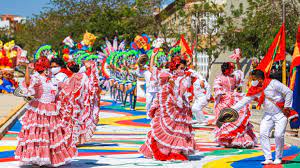
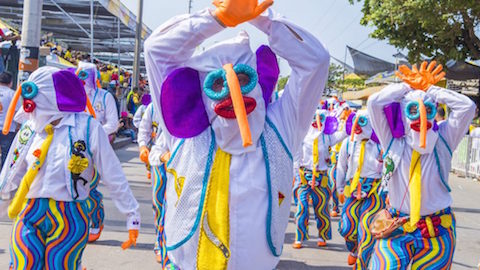
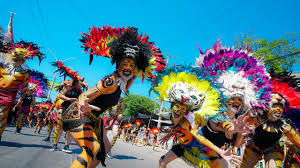
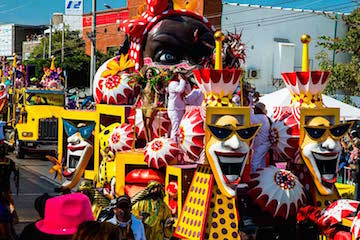
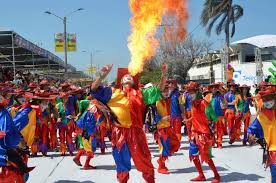
| There is a time when the city of Barranquilla, Colombia, is filled with a vibrant and transformative energy. The streets come alive with rhythms and colors. This is because, at the end of February or the beginning of March, the Barranquilla Carnival ignites the flame of overflowing joy and fills the surroundings with celebration. This carnival is not just a celebration; it represents a country's cultural identity, evident through its people, costumes, music, and dances, such as mapalé and cumbia. All of this makes this carnival a celebration that reflects the strong sense of belonging of an entire country. | ||||
|
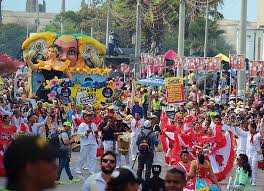
Carnival has been recognized by UNESCO since 2003 as Oral and Intangible Heritage of Humanity, with a history that demonstrates the value of tradition. Carnival showcases the blend of African, indigenous, and European roots, thus revealing the rich and diverse cultural identity of the Colombian Caribbean. More than 5 million people come together to enjoy this popular festival. In Barranquilla, where its inhabitants are more open to diversity, this festival takes place, a celebration steeped in music, dance, satire, and resistance. The first parade, the "Battle of Flowers," was born in 1888; at the beginning of the 20th century, the figure of King Momo was created; and in 1918, the first Carnival Queen was crowned. Every year, before Ash Wednesday, Barranquilla is filled with immense joy. Its residents and visitors create a contagious atmosphere of rejoicing. Before the start of Carnival, parades, readings of the Bando (Banquet), coronations, and parades take place. This is the preparation for the four most anticipated days of the year for Barranquilleros and tourists. The anticipation grows ever more among the people, generating a festive energy that fills every corner of the city. Saturday marks the official start with the Battle of Flowers. This spectacle features ornate floats, costumes, and music that reflects the city's great traditions. On Sunday, the Tradition and Folklore Parade takes place. This pays tribute to heritage dances, highlighting cultural traditions. On Monday, the carnival is filled with creative troupes and orchestras, which is the prologue to the long-awaited Congo de Oro (Golden Congo), the most important trophy awarded during this carnival. Finally, the festivities conclude on Tuesday with the symbolic Burial of Joselito: a parade and funeral farce, blending humor and satire, which, amidst festive mourning and ironic litanies, marks the end of one of the events. | |||
|
Click on images to enlarge:
|
||||
|---|---|---|---|---|
|
|
|
|
|
×
|
||||
Please leave a comment about this article: 284 |
|
| Enter your email address: |
Your email will not be displayed. |
| Your nickname: | |
| Your comment: | |
| Was this article helpful to you? | |
|
|
|
Articles about exciting travel experiences in our hemisphere.


BEACH & SUN

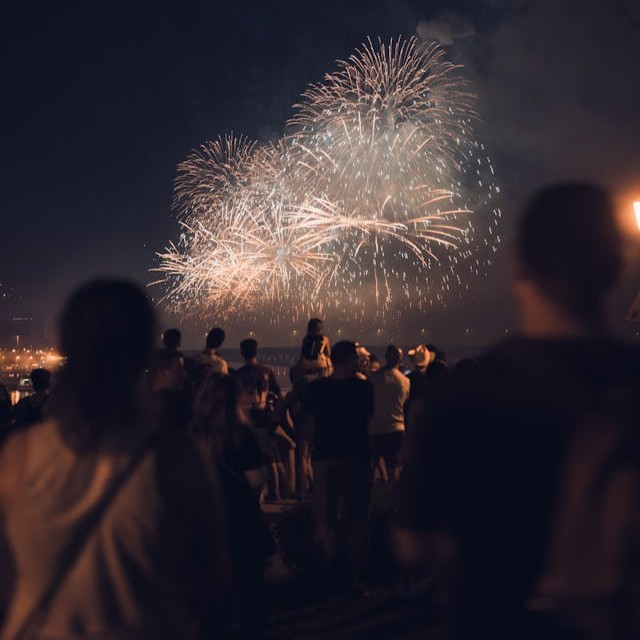
Welcome to the World’s Largest New Year’s Celebration
For those traveling from North, Central, or South America, New Year's Eve in Rio offers a rich narrative about how a city can transform a universal holiday into a unique celebration, rooted in local traditions and open to the world.
SPIRITUAL

New Year's Celebrations and Sacred Places in Latin America
Spirituality in December and January in Latin America is not a static or uniform phenomenon; it is a living experience of tradition, diversity, and profound human emotion.

|
Experiences Finder
(Search our catalog of articles here.) |
|---|