|
Pan American experiences
|
------- |

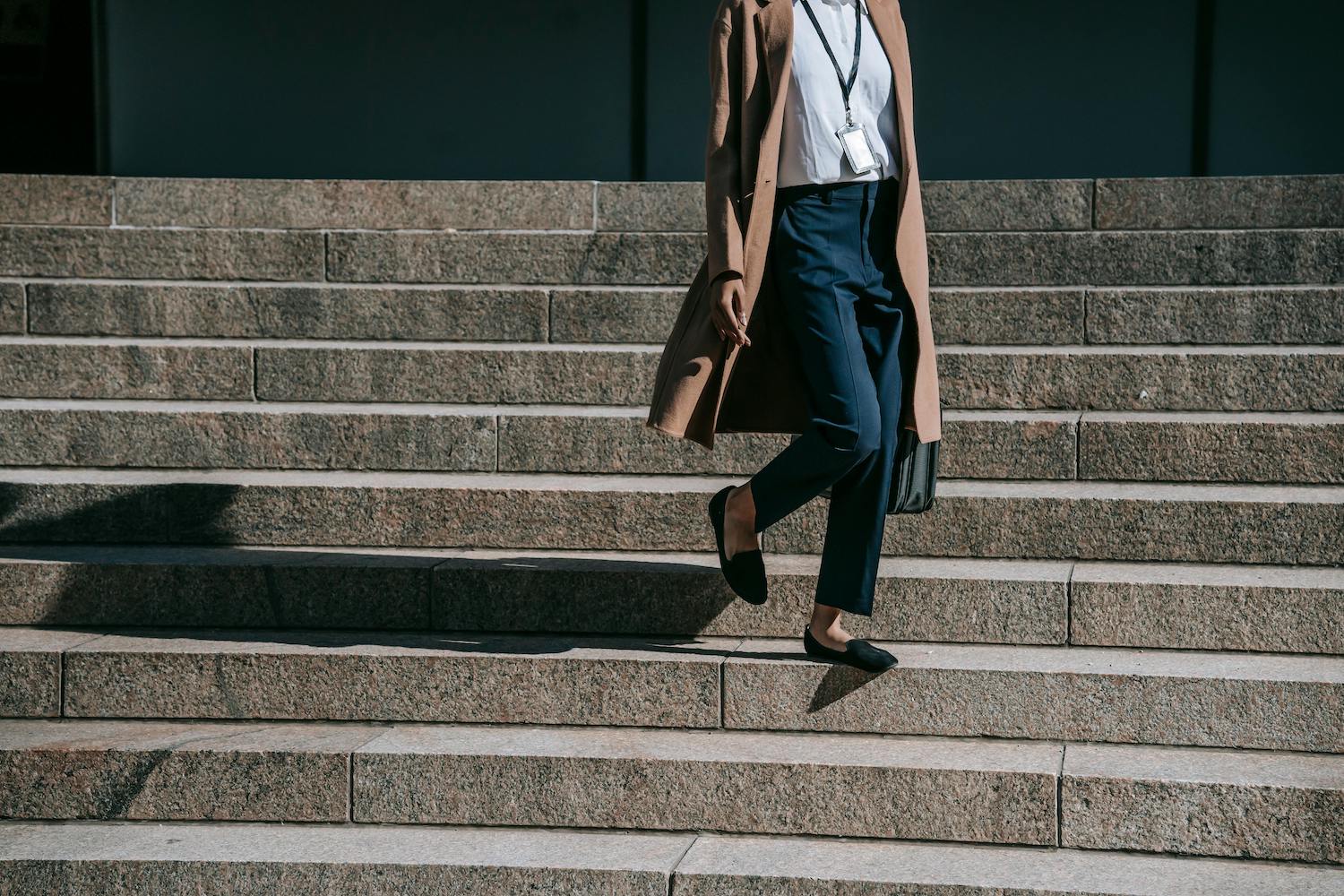
Regular exercise, and walking in particular, is emerging as the key to a long and fulfilling life. Photo: Jason Oh/Unsplash.
|
WORLD ------------------------------------------266[TRAVEL+STYLE] LONGEVITY EXERCISE | |||
Prescription: Walking MoreHow and Why To Walk More in the CityBy Estefanía Muriel for Ruta Pantera on 1/15/2026 6:30:21 AM |
||||
| At the corner where North and South meet, ways of life seem like a mosaic of contrasts. North Americans, with their busy schedules and fierce individualism, look in the mirror of Latin Americans, where life is ignited by parties, long conversations, improvisation, and a vibrant community pulse. However, beneath these palpable differences, both worlds carry the same paradox: oscillating between excess and care, between partying and the gym, between the body that is abused and the same body that seeks to heal.
Modernity has given us the freedom to choose, but also the responsibility to sustain ourselves. Alcohol, recreational drugs, sleepless nights, and screens all drag us toward a sedentary state that coexists with moments of exercise, yoga, or hiking. The balance seems fragile, but there's a simple thread that connects health and pleasure: walking. And here an essential question arises: if we know that movement is so crucial to our health, why do we struggle so much to integrate exercise as a stable habit rather than a sporadic remedy? Perhaps the answer lies in how we understand time and the body. We have turned exercise into an accessory to productivity or a tool for moral compensation, when in reality it should be embraced as a part of our lives, like breathing or eating. As long as we perceive it as an uncomfortable duty or a punishment for excess, there will always be resistance. Only when walking—or any form of movement—is experienced as an act of presence and reconciliation can it become a natural and sustained habit. |
||||
|
The Invisible Steps of Health
This same principle is confirmed by the experience of communities that have never separated movement from daily life. Recently, a scientific article drew attention to the Tsimane, an indigenous group in Bolivia known for their cardiovascular health and surprising resistance to cognitive decline. Their secret lies not in expensive superfoods or trendy supplements, but in a habit as basic as it is powerful: walking and running between 10 and 15 kilometers daily (Gurven et al., 2017). This daily movement, repeated without glamour, is the cornerstone of their well-being. In a world looking for shortcuts, this inconvenient truth resonates: the body needs steps. Not clicks on an app, not miracle powder, not empty promises. Steps. Regular exercise, and walking in particular, emerges as the decisive factor for a long and full life. The Body As a Meeting Point From New York to Medellín, from São Paulo to Los Angeles, there's one common ground: the body. That space that encompasses both the euphoria of a reggaeton dance and the calm of a sunset walk. Exercising, whether in a mirror-lined gym, on a makeshift court, or on the sidewalks of a neighborhood, is a form of self-reconciliation. And the best part is that it doesn't matter so much what you did before. If you stayed up late, if you drank too much, if you overate. Movement is still there as an option. As Robert B. Butler states in Exercise is Medicine : “If we could package exercise into a pill, it would be the most prescribed medicine in the world” (Mosquera Gende, 2017, para. 5). The difference is that the pill already exists: it's called walking. Contradictions that Are Danced and Sweated Big cities present a fascinating theater of contrasts: people who buy organic products but get drunk until dawn; those who practice yoga at dawn and use psychedelic drugs at night. It's not about judging, but about understanding that we live on the tightrope of excess. Dancing, for example, is a magnificent exercise: an hour of reggaeton can burn hundreds of calories, activate circulation, and clear the mind. But that same night can be accompanied by alcohol, cigarettes, and other substances that negate the benefits. The real challenge isn't choosing one experience over another, but rather in increasing awareness and finding counterbalances: if there was partying, let there also be steps. If there was abuse, let there also be care. Walking as Redemption, Not as Punishment For many, exercise seems like penance: running miles to "burn off" the weekend's excess, locking yourself in the gym after a heavy meal. This logic can hold up for a while, but it ends up wearing you down. Movement becomes a punishment, and with it, motivation erodes. The key lies in another perspective: walking not as reparation, but as pleasure. As a daily act of caring for the body, even when there's nothing to "make up for." Walking to think, to talk to someone, to feel the air, to observe what haste erases. A Matter of Conscience Culture shapes habits, it's true. In North America, exercise is often tinged with goals and performance; in Latin America, it often has a more social and festive flavor. But in the end, walking isn't for everyone. It's universal. The difference isn't in geography, but in awareness: recognizing that the body craves movement, rest, and balanced nutrition. And here's an important reminder: even excessive exercise can be harmful. It's not about obsessing, but about cultivating a balance. A 30-minute walk every day already makes a noticeable difference in physical and mental health (WHO, 2020). Walk Back To the Present There is something deeply symbolic in the act of walking. Each step becomes a pause from the acceleration of the world. Walking allows us to reflect, let go, and reset. In hectic cities, it offers an intimate space; in quiet towns, it becomes part of community life. And although it may seem contradictory, those who live in excess also seek to walk. Perhaps because every excess hides a search, and every step a response. Balance, a Silent Luxury In the end, it's not North or South that defines our health, but the ability to self-regulate. True luxury isn't in fitness gadgets or the most expensive gym, but in the simple act of choosing to move, even if it's just for a few minutes each day. A walk after work, a run up the stairs, a stroll to the store. Care doesn't require perfection, but rather awareness. And in that awareness, movement becomes a universal language. |
||||
|
|
||||
|---|---|---|---|---|
| |
|
|
|
|
×
|
||||
|
References: Butler, R.N. (2012, July). Exercise is Medicine: A Global Health Initiative (para. L0@P0-3). Exercise is Medicine. Recovered from https://www.exerciseismedicine.org/assets/page_documents/EIM%20Public%20Presentation_2016_07_07.pdf Mosquera Gende, I. (2017, November 13). The best medicine and the best pill: exercise and physical activity . Journal of Health, UNIR. https://www.unir.net/revista/salud/el-mejor-medicamento-y-la-mejor-pildora-ejercicio-y-actividad-fisica/ Gurven, M., Kaplan, H., Winking, J., Finch, C., & Crimmins, E. (2017). Cardiovascular disease and aging in the Tsimane. The Lancet , 389(10080), 1730-1739. https://doi.org/10.1016/S0140-6736(17)30752-3 World Health Organization. (2020). Physical activity . https://www.who.int/news-room/fact-sheets |
||||
Please leave a comment about this article: 266 |
|
| Enter your email address: |
Your email will not be displayed. |
| Your nickname: | |
| Your comment: | |
| Was this article helpful to you? | |
|
|
|
Articles about exciting travel experiences in our hemisphere.



BEACH & SUN

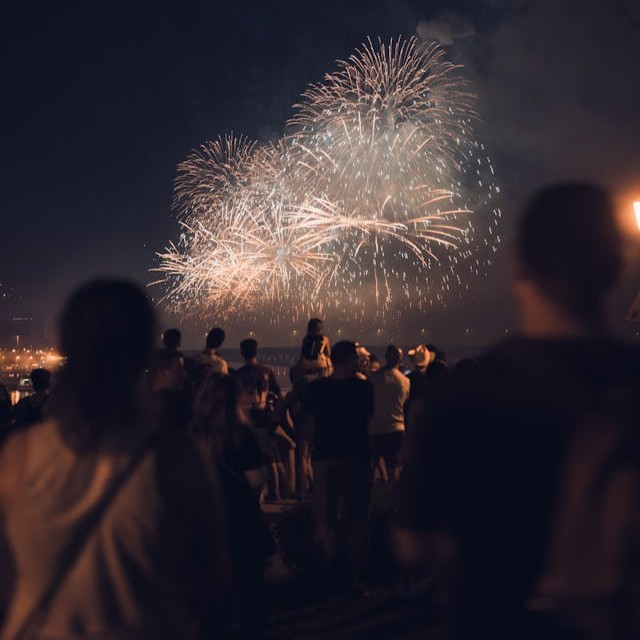
Welcome to the World’s Largest New Year’s Celebration
For those traveling from North, Central, or South America, New Year's Eve in Rio offers a rich narrative about how a city can transform a universal holiday into a unique celebration, rooted in local traditions and open to the world.




|
Experiences Finder
(Search our catalog of articles here.) |
|---|