|
Pan American Experiences
|
------- |


Image Credit: Vitaly Gariev / Pexels.
Visit the Remaining Primary Forests of the Hemisphere
Walk Through the Summer of Love: A Journey Across San Francisco's Hippie Revolution
|
HEMISPHERE ------------------------------------------1426[TRAVEL+CULTURE] | |||
Five Latin American Songwriters Who Fill Our Hearts with Joy and Good VibesThe Voices Behind Latin America’s Most Joyful and Uplifting SongsBy Jazmin Agudelo for Ruta Pantera on 11/28/2026 7:36:59 AM |
||||
| There are songs that don’t need an introduction. The moment the first notes begin, someone turns up the volume, another person starts singing, and suddenly the entire car becomes a concert. They accompany road trips, beach afternoons, summer vacations, spontaneous dancing, reunions with friends, and those unforgettable moments when life feels just a little bit sweeter. Latin America has given the world countless musicians whose songs do much more than entertain: they make us smile, remind us to celebrate, encourage us through difficult days, and turn ordinary moments into memories. Some might call them classics or predictable vacation songs, but we call them essential.
The Soundtrack of Hope and Tropical Happiness Argentina’s Diego Torres gave Latin America one of its most recognizable songs about optimism with Color Esperanza. Released in the early 2000s, it became much more than a pop hit; for many listeners, it turned into an anthem of hope and believing in a better future. Its message is simple but powerful: sometimes, changing the way we see the world is the first step toward changing our lives. Songs such as Tratar de Estar Mejor, Sueños, and Hoy Es Domingo carry that same warmth and encouragement, making his music perfect for a morning drive, a celebration with friends, or a journey toward a destination you’ve dreamed about for years. Interestingly, Color Esperanza was written collaboratively by Coti Sorokin, Cachorro López, and Diego Torres, demonstrating how several creative talents can produce a song that ultimately belongs to millions of people. Few artists can make a road trip feel like a Caribbean celebration quite like Dominican singer Juan Luis Guerra. His music combines merengue, bachata, romantic melodies, sophisticated arrangements, and lyrics about love, everyday life, hope, and social realities. La Bilirrubina, Burbujas de Amor, Visa Para un Sueño, A Pedir Su Mano, and Ojalá Que Llueva Café have become part of Latin America’s collective musical memory. The latter is particularly special: beneath its joyful rhythm is a poetic wish for abundance and better living conditions, imagining a world where nature provides what people need. Guerra reminds us that joy doesn’t have to be superficial; sometimes it comes from appreciating what we have, dreaming of something better, and dancing while we get there. Put on La Bilirrubina, and no one should remain sitting still. Colombian Sunshine, Caribbean Roads, and Songs We Know by Heart Fonseca has a special ability to make songs feel like warm afternoons, romantic adventures, and spontaneous celebrations. His musical identity blends Colombian sounds, vallenato influences, tropical rhythms, pop, and heartfelt lyrics. Songs like Te Mando Flores, Arroyito, Eres Mi Sueño, Vine a Buscarte, and Si Tú Me Quieres have accompanied countless romantic moments, parties, vacations, and journeys. His music is perfect when the destination is beautiful, the windows are down, the sun is shining, and nobody is in a hurry to arrive. There is something distinctly Colombian about his musical warmth, and his songs remind us that happiness can be found in simple things: falling in love, sharing a moment with someone special, traveling somewhere new, or simply enjoying the day. Te Mando Flores feels like a musical postcard filled with affection and sunshine. Carlos Vives helped introduce a modern interpretation of Colombian vallenato and Caribbean sounds to audiences around the world, blending traditional influences with pop, rock, and contemporary rhythms. His repertoire includes songs that practically demand a sing-along, such as La Gota Fría, Volví a Nacer, Déjame Entrar, Pa’ Mayte, Fruta Fresca, and La Bicicleta, his memorable collaboration with Shakira. His music feels deeply rooted in Colombian culture while remaining irresistibly danceable. Listening to Vives while traveling through Colombia, driving toward the Caribbean coast, exploring a new town, or spending an afternoon with friends feels almost like having a soundtrack created specifically for the experience. His songs bring nostalgia, rhythm, and that unmistakable feeling of being proud of where you come from. |
||||
|
Love, Gratitude, and the Joy of Living in the Moment
Camilo represents a newer generation of Latin American songwriting, bringing a playful, romantic, and sometimes wonderfully quirky approach to pop music. His songs celebrate love, gratitude, family, relationships, and the small everyday moments that make life meaningful. Vida de Rico, Favorito, Pegao, Millones, and Índigo are the kinds of songs that make people smile, dance, and sing along. His recognizable style combines playful melodies, affectionate lyrics, and a cheerful personality, making his music perfect for a vacation playlist, a weekend getaway, or a sunny drive with someone you love. Camilo reminds us that happiness doesn’t always require a spectacular destination or an expensive experience. Sometimes it is simply being with the right person, laughing together, listening to music, and enjoying the moment. Music has a magical way of transforming travel. A long drive can become a celebration, a beach afternoon can turn into a dance party, and an ordinary moment can become a memory we carry for years. Some songs remind us of our first love, others of family vacations, friends, summer nights, or places we once visited and promised to return to. Latin American music has an extraordinary gift for making us feel all of these things at once: its rhythms invite us to dance, its melodies make us nostalgic, and its lyrics remind us that life is meant to be enjoyed. So the next time you pack your bags, fill your cooler, get your friends together, or hit the road toward your next destination, don’t forget the playlist. When one of these classics comes on, don’t skip it just because you’ve heard it a thousand times. Turn up the volume, sing as loudly as you can, and let the music take you there. Because some songs never get old and some adventures are simply better with a little Latin American music. |
||||
 Add this article to your favorites
[FOR MEMBERS ONLY] Copy this link to send this article to a friend: [FOR MEMBERS ONLY] |
||||

|
|
||||
|---|---|---|---|---|
| |
|
|
|
|
×
|
||||
|
References: Guerra, J. L. (s. f.). Historia. https://www.juanluisguerra.com/historia/ Fonseca. (s. f.). Biografía. https://fonseca.net/biografia-4/ Carlos Vives. (s. f.). Biografía. https://carlosvives.com/biografia/ Sony Music Latin. (s. f.). Diego Torres. https://www.sonymusiclatin.com/artists/diego-torres/ Sony Music Latin. (s. f.). Fonseca. https://www.sonymusiclatin.com/artists/fonseca/ Sony Music Latin & Global Citizen. (2020, 18 de mayo). Sony Music Latin and Global Citizen release new “Color Esperanza” track to benefit the Pan American Health Organization’s response to the COVID-19 outbreak in the Region of the Americas. Global Citizen. https://www.globalcitizen.org/es/enquiries/press/2020/sony-music-latin-and-global-citizen-release-new-color-esperanza/ RTVE. (2022, 21 de octubre). “Color esperanza”, el himno de Diego Torres y Coti: La historia de la canción. https://www.rtve.es/play/noticias/20221021/color-esperanza-diego-torres-coti-polemica-cancion-historia/2406277.shtml |
||||
Please leave a comment about this article: 1426 |
|
| Enter your email address: |
Your email will not be displayed. |
| Your nickname: | |
| Your comment: | |
| Was this article helpful to you? | |
|
|
|
Articles about exciting travel experiences in our hemisphere.





Welcome to the World’s Largest New Year’s Celebration
For those traveling from North, Central, or South America, New Year's Eve in Rio offers a rich narrative about how a city can transform a universal holiday into a unique celebration, rooted in local traditions and open to the world.




New Year's Celebrations and Sacred Places in Latin America
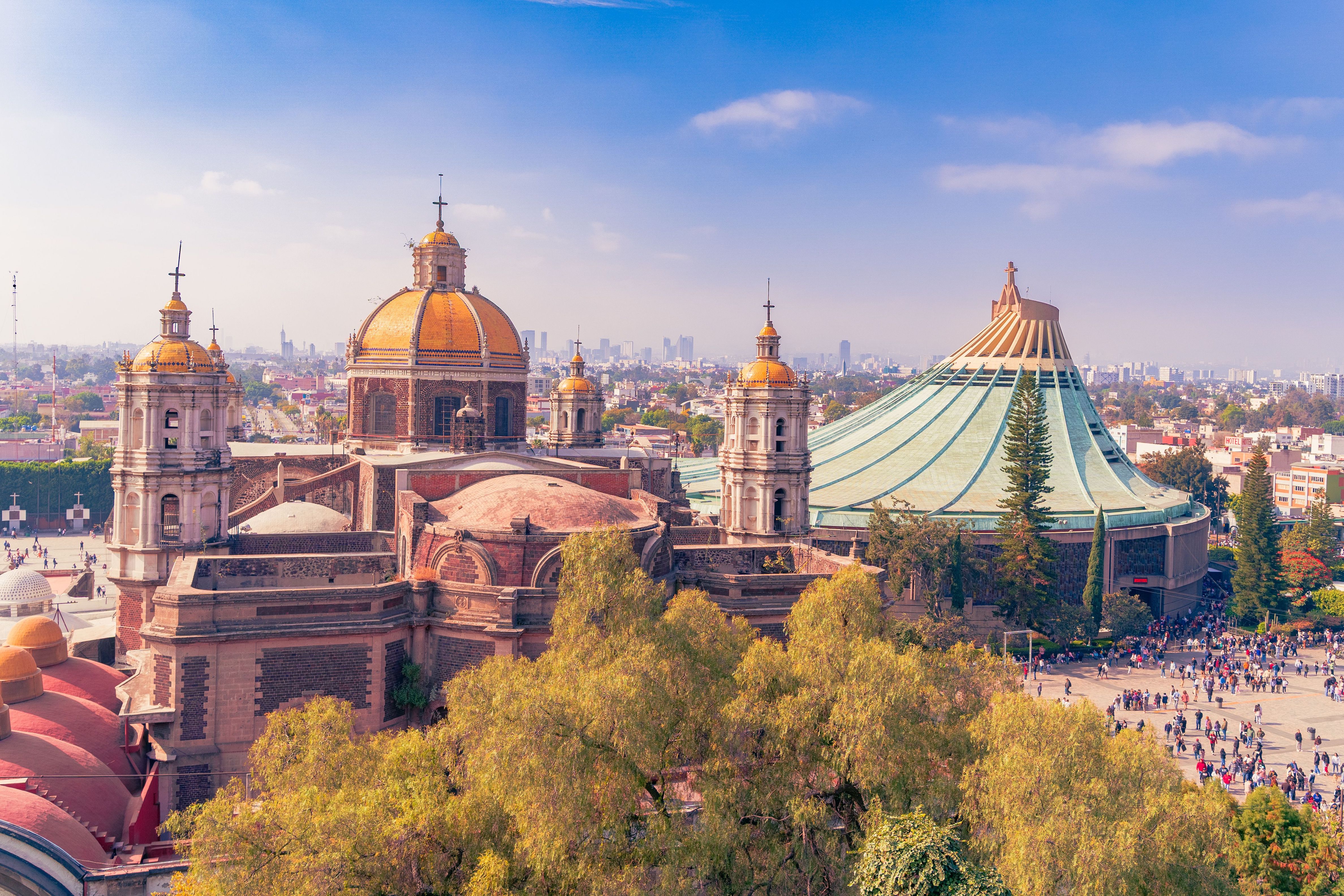
Spirituality in December and January in Latin America is not a static or uniform phenomenon; it is a living experience of tradition, diversity, and profound human emotion.












|
Experiences Finder
(Search our catalog of Experiences here.) |
|---|