|
Pan American Experiences
|
------- |

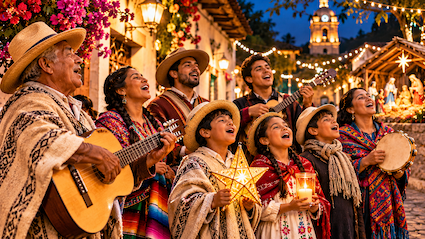
Families and musicians gather in a Latin American neighborhood to sing traditional Christmas carols, keeping generations of holiday music and cultural traditions alive. AI-generated image, created specifically for this article.
Alcohol and Health: The Risks, Benefits and New Guidelines |
HEMISPHERE ------------------------------------------1412[TRAVEL+CULTURE] | |||
Remembering Christmas Carols: The Songs That Bring the Holidays Back to LifeFrom Traditional Villancicos and Colombian Christmas Classics to Puerto Rican Parrandas and the Songs That Travel Across GenerationsBy Marbel Montoya for Ruta Pantera on 11/27/2026 10:40:30 AM |
||||
| There is something magical about hearing a Christmas song for the first time each December. A familiar melody begins playing in a store, a family gathering, or on the radio, and suddenly memories return: childhood celebrations, decorated Christmas trees, grandparents singing along, neighborhood parties, and the excitement of waiting for Christmas Eve.
Christmas music is more than a seasonal soundtrack. It is a collection of memories passed from one generation to another. Some songs tell the story of the birth of Jesus, others celebrate friendship, family, and the joy of the season. Across the Americas, traditional villancicos have also blended with local rhythms, languages, and instruments, creating musical traditions that are as diverse as the communities that celebrate them. This December, let's revisit the songs that make Christmas sound like Christmas. From Medieval Villages to Christmas Traditions The word villancico has a history that goes back several centuries. Its origins are associated with popular songs performed by ordinary people in European villages. The early compositions were not necessarily religious or connected to Christmas. They explored everyday experiences, love, celebrations, and the lives of local communities. During the 15th and 16th centuries, villancicos increasingly entered religious settings. Their themes began to include the Virgin Mary, Jesus, and the Nativity. The Church recognized the power of music to communicate religious stories in languages and musical forms that ordinary people could understand. When Spanish colonization brought these traditions to the Americas, the music began to change. European melodies encountered Indigenous and African musical traditions, local instruments, regional languages, and new ways of celebrating. The result was not simply a reproduction of European Christmas music but the development of distinctive musical traditions throughout Latin America. In Mexico, for example, villancicos became part of religious celebrations and community traditions such as the posadas. In Colombia, Venezuela, and Puerto Rico, Christmas music developed connections with local rhythms, aguinaldos, and neighborhood celebrations. The villancico became a musical tradition capable of adapting to the places where it was performed. The Songs That Everyone Knows Some Christmas melodies have become international favorites. Their popularity comes from their ability to cross languages, borders, and generations. Silent Night — "Noche de Paz" Originally written in German as Stille Nacht, this beloved Christmas carol was first performed in Austria in 1818. The lyrics were written by Joseph Mohr, and the melody was composed by Franz Xaver Gruber. Over the centuries, the song has been translated into numerous languages, including Spanish, and performed by choirs, orchestras, religious communities, and popular singers around the world. Its gentle melody and message of peace have made it one of the most recognizable Christmas songs in history. O Holy Night — "Santa la Noche" Originally composed in France in the 19th century, O Holy Night began as a French Christmas poem titled Minuit, chrétiens, written by Placide Cappeau. Composer Adolphe Adam later set it to music in 1847. The song became internationally popular through translations and performances by generations of vocalists. Its dramatic melody and powerful final passages make it a favorite for Christmas concerts and church performances. Jingle Bells Although it is now strongly associated with Christmas, Jingle Bells was originally published in 1857 under the title One Horse Open Sleigh. Written by American composer James Lord Pierpont, the song describes a lively sleigh ride rather than the religious meaning of Christmas. Its cheerful rhythm helped it become one of the most recognizable holiday songs in the English-speaking world. Feliz Navidad — José Feliciano Few songs connect Spanish- and English-speaking Christmas traditions as naturally as Feliz Navidad. Written and recorded by Puerto Rican singer and guitarist José Feliciano in 1970, the song combines a simple bilingual message with an upbeat melody. Its accessibility helped it become an international holiday favorite, regularly played at Christmas celebrations across the Americas. Colombia: The Soundtrack of December In Colombia, Christmas music is closely connected to family gatherings, the Novenas de Aguinaldos, neighborhood celebrations, and the traditional December atmosphere known as la Navidad colombiana. The music begins appearing in homes, shops, buses, and public spaces as December approaches. Certain songs are so familiar that their first notes can immediately bring back memories of childhood and family celebrations. Tutaina One of Colombia's best-known Christmas songs, Tutaina is a traditional villancico that celebrates the Nativity. Its memorable refrain and simple melody make it especially popular during the Novenas de Aguinaldos, when families gather to pray and sing together. Los Peces en el Río This traditional Spanish-language Christmas song describes the Virgin Mary and the preparations surrounding the birth of Jesus. Its recurring melody and familiar verses have made it a favorite throughout Latin America. Antón Tiruliruliru Another familiar villancico, Antón Tiruliruliru is often performed by children and families during Christmas celebrations. Its playful rhythm and repeated sounds make it easy to sing together. A la Nanita Nana This traditional lullaby, associated with the Christmas season, is often performed as a gentle song for the Baby Jesus. Its soothing melody has made it a favorite among choirs and families. Colombian Christmas music also includes tropical and popular recordings that are not technically villancicos but have become essential parts of the December soundtrack. These songs bring together salsa, merengue, tropical rhythms, and popular music, turning Christmas into a celebration that continues late into the night. Venezuela: Aguinaldos, Gaitas, and Christmas Music Venezuela has one of the most distinctive Christmas music traditions in the Americas. Its seasonal repertoire includes aguinaldos, villancicos, and the energetic sound of gaita zuliana. Aguinaldos Venezuelan aguinaldos are traditional Christmas songs performed by groups of singers and musicians. They often feature instruments such as cuatro, maracas, tambora, and other percussion. Their themes include the Nativity, religious devotion, family, and everyday life. Aguinaldos are especially associated with community gatherings and Christmas performances. Gaita Zuliana Originating in the state of Zulia, particularly around Maracaibo, gaita has become one of Venezuela's defining Christmas sounds. Its lively rhythms and characteristic instrumentation create a festive atmosphere that is very different from the quieter melodies of traditional religious carols. Groups such as Guaco and the legendary ensemble Gran Coquivacoa helped popularize the genre, while the music of Ricardo Aguirre remains central to its history. For Venezuelan families, hearing a gaita can be an unmistakable signal that Christmas has arrived. |
||||
|
Puerto Rico: Parrandas That Bring the Music to the Streets
In Puerto Rico, Christmas music is not always something people sit down to listen to. Sometimes it comes to the front door unexpectedly. The tradition of parrandas brings groups of friends and musicians together to visit homes, sing, and surprise their hosts with music. Often beginning late at night, the gatherings can continue from one house to another, creating a lively musical celebration throughout the neighborhood. The musicians use instruments such as the cuatro, guitar, güiro, maracas, and tambourine. Their repertoire includes aguinaldos and other traditional Christmas songs. One of the most recognizable examples is De la Montaña Venimos, a popular Puerto Rican aguinaldo associated with the island's Christmas celebrations. The music is also represented in the famous album Asalto Navideño, released in 1970 by Willie Colón and Héctor Lavoe. The recording brought Puerto Rican Christmas traditions into the world of salsa, combining holiday themes with the powerful sound of Latin music. Puerto Rico demonstrates that Christmas carols can be more than songs performed in churches or homes. They can become an invitation to gather, travel through the neighborhood, and celebrate together. Mexico: Posadas, Piñatas, and the Music of Christmas In Mexico, Christmas songs are closely connected to Las Posadas, the nine nights of celebrations held from December 16 through December 24. During these gatherings, participants recreate the journey of Mary and Joseph as they search for shelter in Bethlehem. The traditional Letanía para Pedir Posada is sung by two groups: one outside the house, representing the pilgrims, and another inside, representing those who initially refuse them entry. The exchange ends when the doors open and the participants are welcomed inside. The celebration continues with food, music, and the breaking of a piñata. Mexican Christmas music also includes traditional villancicos, songs about the Nativity, and more recent holiday favorites. One of the most recognizable is Los Peces en el Río, which is widely performed during the season. Another is Mi Burrito Sabanero, a Venezuelan song that became a beloved Christmas favorite across Latin America. These musical traditions demonstrate how Christmas songs can move between countries and become part of different cultural identities. Mi Burrito Sabanero: A Song That Traveled Across Latin America Few Latin American Christmas songs have achieved the popularity of Mi Burrito Sabanero. Written by Venezuelan composer Hugo Blanco in 1972, the song tells the story of a child traveling toward Bethlehem on a little donkey. Its cheerful rhythm and memorable chorus have made it a favorite among children and adults. The version performed by the children's group La Rondallita became particularly popular and helped spread the song throughout Latin America. Today, it is heard in Colombia, Venezuela, Mexico, and many other countries during the Christmas season. It is a perfect example of how a song can become part of a shared regional memory, even when its origins belong to one particular country. The Voices That Made Christmas Music Famous Traditional carols have been reinterpreted by generations of singers, turning familiar melodies into recordings that families return to every December. Some of the most recognizable holiday recordings include: José Feliciano — Feliz Navidad (1970): A bilingual Christmas classic that became an international favorite. Nat King Cole — The Christmas Song (1961 recording): A warm orchestral interpretation of the song also known as Chestnuts Roasting on an Open Fire. Bing Crosby — White Christmas (1942 recording): One of the best-known Christmas recordings in popular music history. Mariah Carey — All I Want for Christmas Is You (1994): A modern pop classic that returns to the charts and playlists every December. Willie Colón and Héctor Lavoe — Asalto Navideño (1970): An influential salsa recording rooted in Puerto Rican Christmas traditions. La Rondallita — Mi Burrito Sabanero: A beloved children's performance of the Venezuelan Christmas song. The variety of these recordings shows how Christmas music can move from religious choirs to orchestras, tropical bands, salsa ensembles, and contemporary pop productions. Why These Songs Stay With Us Christmas songs have a special relationship with memory. Unlike music we might discover at any moment during the year, many holiday songs return at a particular time, often in the same places and with the same people. A melody heard during childhood can bring back memories of a grandmother preparing dinner, a family gathering around the nativity scene, a school Christmas performance, or a neighborhood celebration. Music also connects people who live far from home. For Latin American communities abroad, traditional villancicos, aguinaldos, and regional Christmas songs can recreate a sense of belonging. A familiar melody can make a distant home feel close again. And perhaps that is why these songs continue to survive. They are not simply recordings that return to radio stations every December. They are part of the way families remember, celebrate, and share their traditions. Build Your Christmas Memory Playlist This holiday season, create a playlist that travels across the Americas and brings together different musical traditions. Start With the Classics Noche de Paz — Traditional Christmas carol. Santa la Noche — Traditional Spanish-language version of O Holy Night. Los Peces en el Río — Traditional Spanish Christmas song. Tutaina — Colombian Christmas villancico. Antón Tiruliruliru — Traditional Christmas villancico. Continue Through Latin America Mi Burrito Sabanero — Hugo Blanco / La Rondallita. Feliz Navidad — José Feliciano. De la Montaña Venimos — Puerto Rican aguinaldo. Aguinaldo Venezolano — Traditional Venezuelan Christmas repertoire. Asalto Navideño — Willie Colón and Héctor Lavoe. Finish With International Favorites White Christmas — Bing Crosby. The Christmas Song — Nat King Cole. All I Want for Christmas Is You — Mariah Carey. Remember that traditional songs can have many arrangements and recordings. Look for versions that reflect the musical character of each country, and support official artists and authorized streaming releases. The Music That Brings Us Home Whether it is a Colombian family singing Tutaina, a Puerto Rican parranda arriving at someone's doorstep, a Venezuelan gaita filling the streets of Maracaibo, or children in Mexico singing during a posada, Christmas music continues to bring people together. The melodies may change from one country to another, but their purpose remains remarkably similar: to celebrate, remember, and share. Every December, the songs return. And with them come the voices, places, and people that make the season feel familiar. Sometimes, all it takes is the first few notes of a Christmas carol to bring an entire Christmas back to life. |
||||
 Add this article to your favorites
[FOR MEMBERS ONLY] Copy this link to send this article to a friend: [FOR MEMBERS ONLY] |
||||

|
|
||||
|---|---|---|---|---|
| |
|
|
|
|
×
|
||||
|
References: Frontera Collection. (2017, December 20). La música navideña de América Latina: Piñatas, fiestas y rezos. University of California, Los Angeles. https://frontera.library.ucla.edu/es/blog/2017/12/la-m%C3%BAsica-navide%C3%B1a-de-am%C3%A9rica-latina-pi%C3%B1atas-fiestas-y-rezos Herrera, P. (2026, November 23). Villancicos: Una tradición europea que encontró su propia identidad en México. UNAM Global. https://unamglobal.unam.mx/global_revista/villancicos-origen-historia-mexico/ Señal Memoria. (2022). Así nació la música navideña. RTVC. https://www.senalmemoria.co/articulos/musica-navidena-asi-nacio University of Plymouth. (n.d.). The history of singing Christmas carols. https://www.plymouth.ac.uk/discover/the-history-of-christmas-carols World History Encyclopedia. (2023, December 25). La historia de los villancicos navideños. https://www.worldhistory.org/trans/es/2-2339/la-historia-de-los-villancicos-navidenos/ Sans, J., & Cortés Polanía, J. (2021). Tránsitos musicales entre Colombia y Venezuela en el siglo XIX. Quintana: Revista do Departamento de Historia da Arte, (20). https://doi.org/10.15304/quintana.20.8054 |
||||
Please leave a comment about this article: 1412 |
|
| Enter your email address: |
Your email will not be displayed. |
| Your nickname: | |
| Your comment: | |
| Was this article helpful to you? | |
|
|
|
Articles about exciting travel experiences in our hemisphere.






Welcome to the World’s Largest New Year’s Celebration
For those traveling from North, Central, or South America, New Year's Eve in Rio offers a rich narrative about how a city can transform a universal holiday into a unique celebration, rooted in local traditions and open to the world.





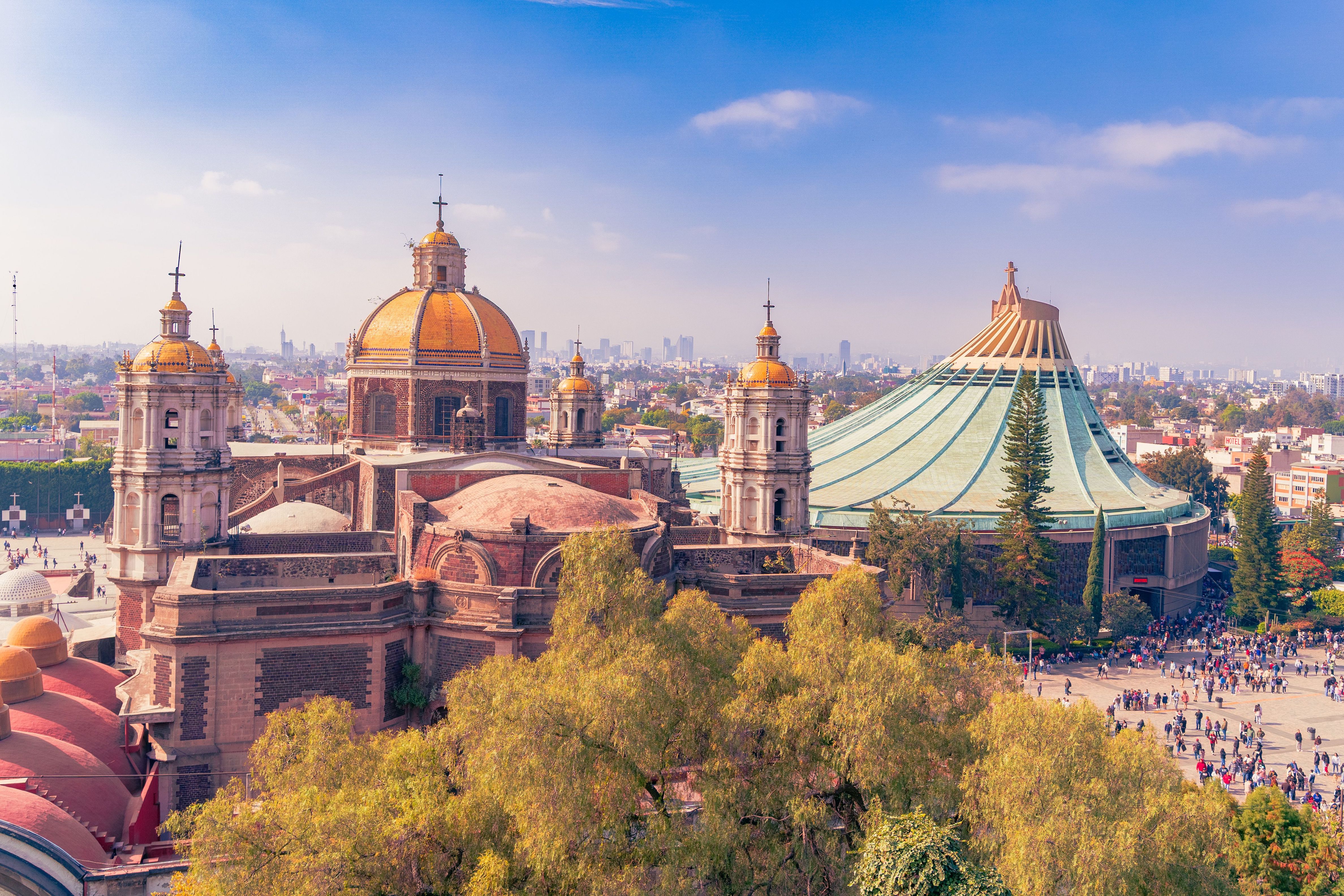
New Year's Celebrations and Sacred Places in Latin America
Spirituality in December and January in Latin America is not a static or uniform phenomenon; it is a living experience of tradition, diversity, and profound human emotion.











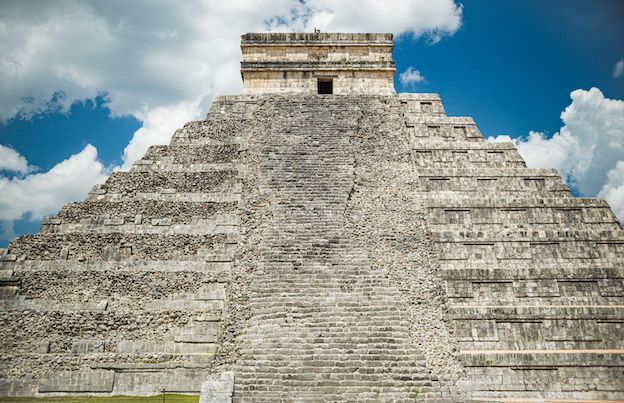
|
Experiences Finder
(Search our catalog of Experiences here.) |
|---|