|
Pan American Experiences
|
------- |

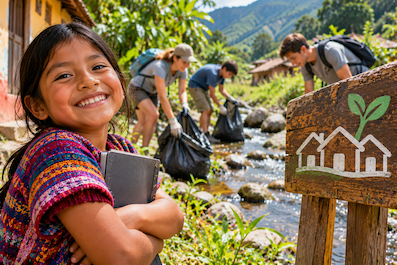
A young girl celebrates community solidarity as volunteers work to clean a local stream, showing how responsible travel can support both people and the environment.
Grave Watching: The Spookiest Cemeteries and Sacred Burial Grounds of the Americas
Pedal the Pan-American Circuit: Mountain Bike Competitions Across the Americas
Latin America Reassesses Its Relationship With Washington After Trump’s Electoral Defeat
|
HEMISPHERE ------------------------------------------1401[TRAVEL PLANNING] | |||
Give Back as You TravelHelp a Child, Clean a Stream, or Adopt a Community: Three Ways to Make Your Next Vacation MatterBy Marbel Montoya for Ruta Pantera on 11/20/2026 12:02:34 PM |
||||
| What if a vacation could change more than your perspective? Across the Americas, families and travelers are discovering ways to combine adventure with meaningful community involvement. You could spend a morning helping restore a polluted stream, support an organization providing education and care for vulnerable children, or partner with a rural community working to improve its future. These experiences offer a different way to explore a destination: not simply as a visitor, but as someone willing to contribute.
Volunteer travel is not about arriving with all the answers or trying to solve complex problems in a few days. It is about supporting people and organizations already doing important work. The most responsible programs are locally led, transparent about their goals, and designed to create benefits that continue long after visitors leave. 1. Help a Child: Support Education, Protection, and Opportunity Every child deserves access to education, safety, healthcare, and opportunities to build a future. Throughout Latin America, community organizations work with children facing poverty, family separation, displacement, and other difficult circumstances. Travelers can support these efforts through fundraising, donations of requested school supplies, educational programs, and assistance with facilities under professional supervision. In Guatemala, for example, travelers can investigate organizations supporting children's education and family services in rural communities. In Colombia, community foundations and educational initiatives work with children and young people in underserved neighborhoods. In Peru and Ecuador, local nonprofits support access to schooling, nutrition, and social services. The most meaningful contribution is often not a brief visit to a residential facility, but support for programs that strengthen families and help children remain in safe, stable environments. Travelers should avoid orphanage tourism and unsupervised contact with vulnerable children. Short-term volunteers can unintentionally create emotional disruption, and some residential institutions have been associated with exploitation. How to participate: Contact established child-protection organizations before traveling. Ask about their safeguarding policies, background checks, age requirements, and ways visitors can contribute without compromising children's privacy or well-being. Financial support and community fundraising can sometimes be more useful than direct volunteering. 2. Clean a Stream: Protect the Waterways That Sustain Communities A river or stream is more than a beautiful feature of the landscape. It provides water, supports wildlife, sustains agriculture, and connects communities. Yet plastic waste, untreated wastewater, agricultural runoff, and urban pollution threaten waterways throughout the Americas. Travelers can join organized cleanup days to remove litter from riverbanks, collect plastic waste, document pollution, and learn about local watershed restoration. In Costa Rica, environmental organizations work to protect rivers and coastal ecosystems. In Colombia, community groups and environmental initiatives organize activities around urban streams and watersheds. In Ecuador, conservation projects connect water protection with biodiversity and sustainable land management. These activities can be especially rewarding for families because they offer practical environmental education. Children can learn how waste travels through waterways, why wetlands matter, and how healthy rivers support both people and wildlife. Where to go: In Colombia, explore organized watershed initiatives in the Medellín region. In Costa Rica, investigate community environmental programs around the Central Valley and coastal regions. In Ecuador, look for local conservation projects near Quito and other urban watersheds. How to participate: Join an organized cleanup rather than entering a river independently. Use gloves and appropriate equipment, follow local safety instructions, and leave hazardous materials to trained personnel. Ask organizers whether they need volunteers, supplies, or financial contributions. 3. Adopt a Community: Build a Partnership That Lasts Imagine returning to the same village over several years and seeing the results of a project that your family helped support. The idea of adopting a community is not about taking ownership of a place or deciding what its residents need. It is about establishing a respectful partnership with a local organization and contributing to priorities identified by the community itself. Projects might involve improving access to clean water, supporting school facilities, restoring public spaces, developing community gardens, protecting native forests, or helping local artisans reach new markets. In the Andes, families may support community-led agriculture and environmental education. In Guatemala, rural initiatives can focus on water management and local livelihoods. In the Amazon, community organizations may work to protect forests while strengthening sustainable economic opportunities. The strongest partnerships are built around long-term relationships. Visitors can contribute through fundraising, technical skills, educational exchanges, or practical work that has been requested and approved by local leaders. Where to go: Consider community tourism initiatives around Lake Atitlán in Guatemala, the Sacred Valley in Peru, rural communities in Ecuador, and conservation projects in Colombia's Amazon region. How to participate: Contact community-based tourism organizations and local nonprofits before making travel arrangements. Ask who selected the project, how decisions are made, how funds are managed, and what happens after visitors leave. |
||||
|
4. Turn Your Family Vacation Into a Learning Experience
Volunteer travel can become one of the most memorable parts of a family journey. Children learn that environmental protection is a shared responsibility, that communities have their own knowledge and strengths, and that helping others begins with listening. A family visiting Costa Rica might combine a wildlife tour with a supervised river cleanup. A trip to Peru could include a community-led agricultural experience alongside visits to archaeological sites. In Colombia, a few hours supporting an environmental education project could complement a city and nature itinerary. The key is choosing an activity that matches the family's abilities. Younger children can participate in simple educational activities or supervised cleanups, while older teenagers may be able to contribute to more demanding projects. Everyone should understand the purpose of the work and respect the people hosting them. 5. How to Make Sure Your Help Really Helps Good intentions are not enough. Before signing up for a volunteer experience, travelers should ask some important questions: Is the project designed and managed by local people? Does the organization have a clear plan and measurable objectives? Are volunteers trained and supervised? Are children and vulnerable adults protected by formal safeguarding policies? How are fees and donations distributed? Will the project continue after the travelers return home? Is the work appropriate for the visitor's age, skills, and physical abilities? Be cautious of organizations that promise dramatic results after only a few days, pressure travelers to pay large fees without explaining where the money goes, or use photographs of vulnerable people to sell volunteer experiences. A Better Kind of Souvenir A meaningful journey does not have to involve a dramatic rescue story or a life-changing moment. Sometimes it is as simple as collecting rubbish from a stream, helping a local organization purchase educational materials, or supporting a community project that has been years in the making. The Americas offer countless opportunities to connect travel with positive action. Help a child by supporting the organization protecting their future. Clean a stream alongside the people working to restore it. Partner with a community whose goals extend far beyond a visitor's vacation. The best souvenir may not fit inside a suitcase. It may be the knowledge that you contributed, however modestly, to something that will continue growing after your journey ends. |
||||
 Add this article to your favorites
[FOR MEMBERS ONLY] Copy this link to send this article to a friend: [FOR MEMBERS ONLY] |
||||
|
|
||||
|---|---|---|---|---|
| |
|
|
|
|
×
|
||||
Please leave a comment about this article: 1401 |
|
| Enter your email address: |
Your email will not be displayed. |
| Your nickname: | |
| Your comment: | |
| Was this article helpful to you? | |
|
|
|
Articles about exciting travel experiences in our hemisphere.
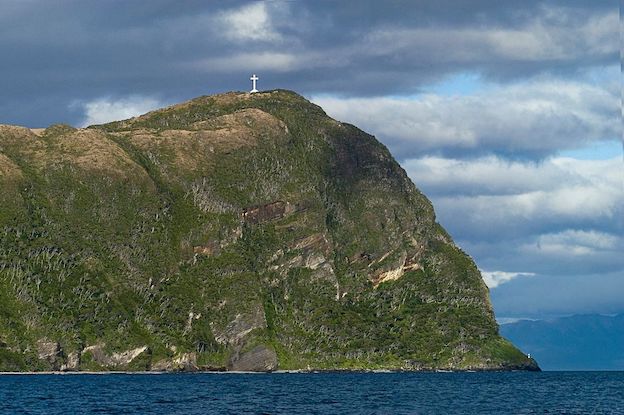
Cape Froward, Chile



Welcome to the World’s Largest New Year’s Celebration
For those traveling from North, Central, or South America, New Year's Eve in Rio offers a rich narrative about how a city can transform a universal holiday into a unique celebration, rooted in local traditions and open to the world.







|
Experiences Finder
(Search our catalog of Experiences here.) |
|---|