|
Pan American Experiences
|
------- |

Hemisphere Related Articles:
The Electoral Power of Young People: The United States and Latin America
Journey to the Great Forests and National Parks of the Americas |
HEMISPHERE ------------------------------------------1392[COLUMN] | |||
Travel Is Woke (And Always Has Been)The World's Greatest Travelers Have Always Believed in Openness, Diversity, Curiosity, and Respect for Other Ways of LifeBy Marbel Montoya for Ruta Pantera on 11/20/2026 5:41:28 PM |
||||
| Let's get something straight: travel has always been a little woke. Long before the word became a political argument in the United States, long before it appeared on television panels, campaign speeches, and social media battles, travelers were practicing many of the values now associated with it. Curiosity about other cultures. Respect for different ways of living. Empathy for people whose experiences are different from our own. An appreciation of diversity. A concern for the places we visit and the people who call them home.
In other words, travelers have been doing this for centuries. We just called it having an open mind. Think about Marco Polo. In the 13th century, he traveled from Venice across Asia, encountering societies, customs, technologies, and systems of government that were unfamiliar to Europeans of his time. His accounts helped introduce readers to a world beyond their immediate horizons. Whether every detail of his famous journeys is accepted by historians is another question; what matters here is the curiosity that made his story endure. Then came Ibn Battuta, the Moroccan scholar who traveled an extraordinary distance across Africa, the Middle East, Asia, and beyond during the 14th century. He spent years moving between societies, documenting religious traditions, local customs, political structures, and everyday life. His travels remind us that the world has always been interconnected, even when crossing it took months or years. Alexander von Humboldt brought another dimension to the journey. His explorations of Latin America in the late 18th and early 19th centuries helped shape modern ideas about geography, ecology, and the relationship between living things and their environments. He understood that nature could not be studied in isolation: mountains, forests, rivers, climate, plants, animals, and human communities were all connected. Today, we might describe that perspective as environmental awareness. Humboldt was already asking us to look at the bigger picture. And the tradition continued. Ernest Hemingway traveled through Europe, Africa, and the Caribbean, drawing inspiration from the landscapes and people he encountered. Jack Kerouac turned the American road into a symbol of freedom, movement, and restless discovery. Bruce Chatwin explored the world through stories of migration, nomadic life, and human imagination. Paul Theroux made a career of observing societies from the ground, often discovering that the most revealing details were found far away from the usual tourist attractions. These travelers were not identical in their beliefs, behavior, or attitudes. Some were complicated figures, shaped by the prejudices and contradictions of their own eras. Their writing should be read critically, not treated as a perfect model of modern values. But their journeys illustrate something important: travel can challenge assumptions, expand perspectives, and make the unfamiliar feel less foreign. That is the real point. Travel Makes the World Bigger When we travel well, we discover that our own way of living is not the only way. We learn that a family dinner in Guatemala may follow different traditions from one in New York. That a market in Marrakech operates according to rhythms unfamiliar to a visitor from Chicago. That a small village in the Andes may have a deeper relationship with its surrounding landscape than a traveler has ever considered. We begin to understand that difference is not a threat. It is part of what makes the world interesting. Travel also teaches humility. The visitor is not automatically the expert, the customer is not always right, and the destination is not simply a backdrop for photographs. The people who live there have their own histories, priorities, traditions, and challenges. A good traveler listens before judging and asks questions before making assumptions. |
||||
|
The Values Behind the Journey
Care for others, respect for cultural diversity, and concern for the environment are not exclusive to any political movement. They are practical values that make travel more meaningful and communities more welcoming. Responsible travelers support local businesses, learn a few words of the local language, respect religious and cultural customs, and consider the environmental impact of their journeys. They understand that a beach is not disposable, that a historic neighborhood is not a theme park, and that Indigenous traditions are not costumes to be borrowed for an afternoon. They also recognize that tourism can create problems. Crowded destinations, rising housing costs, environmental damage, and disrespectful behavior can place real pressure on local communities. Loving travel means being willing to confront those consequences, not pretending they do not exist. So, Is Travel Woke? The word woke has become politically charged in the United States. People use it in different ways, sometimes to describe awareness of social inequalities and sometimes as a criticism of what they see as excessive political correctness. But before turning the word into another argument, perhaps we should remember what travel asks of us. It asks us to be curious rather than suspicious. To be open rather than dismissive. To recognize the humanity of people whose lives may look very different from our own. To appreciate the natural world and understand that we are visitors in places that belong to someone else. None of this requires travelers to agree on every political issue. It simply requires a willingness to learn. The best journeys do more than take us somewhere new. They change the way we see the place we came from. They make us question our assumptions, appreciate other perspectives, and recognize how much we share with people around the world. So yes, travel has always had a little woke spirit. Marco Polo, Ibn Battuta, Humboldt, Kerouac, Chatwin, Theroux, and countless lesser-known travelers helped build a tradition of curiosity that continues today. We have crossed oceans, climbed mountains, wandered through cities, and sat at tables with strangers for one enduring reason: the world is bigger and more interesting than the one we already know. And we should be proud of that. |
||||
 Add this article to your favorites
[FOR MEMBERS ONLY] Copy this link to send this article to a friend: [FOR MEMBERS ONLY] |
||||
|
|
||||
|---|---|---|---|---|
| |
|
|
|
|
×
|
||||
Please leave a comment about this article: 1392 |
|
| Enter your email address: |
Your email will not be displayed. |
| Your nickname: | |
| Your comment: | |
| Was this article helpful to you? | |
|
|
|
Articles about exciting travel experiences in our hemisphere.
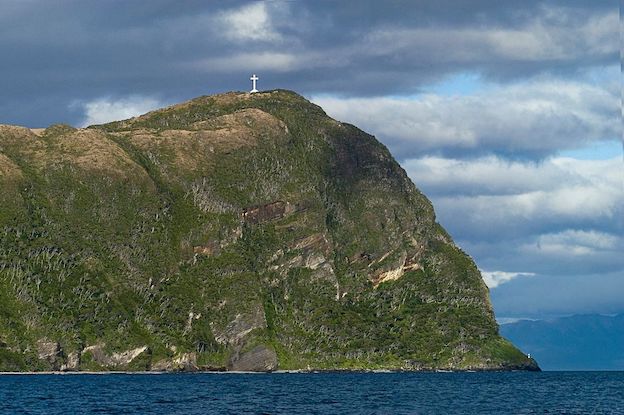
ADVENTURE
Cape Froward, Chile
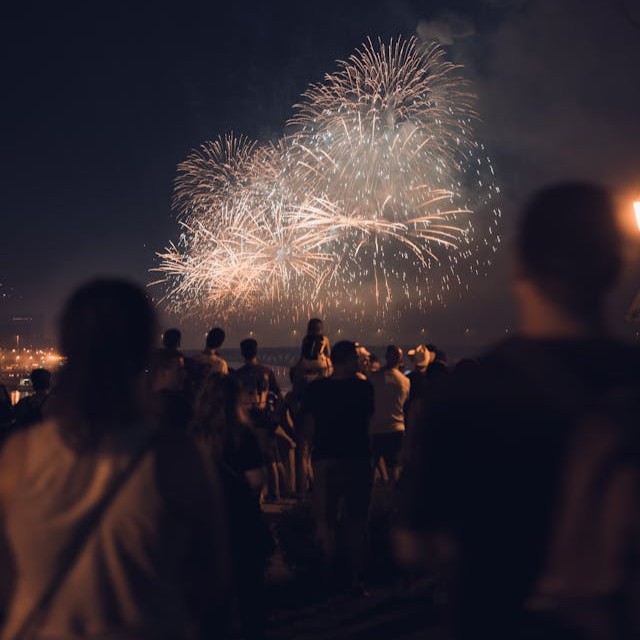
BEACH & SUN

Welcome to the World’s Largest New Year’s Celebration
For those traveling from North, Central, or South America, New Year's Eve in Rio offers a rich narrative about how a city can transform a universal holiday into a unique celebration, rooted in local traditions and open to the world.





|
Experiences Finder
(Search our catalog of Experiences here.) |
|---|