|
Pan American Experiences
|
------- |


Volunteers work together to restore hiking trails in North America's national parks, helping protect natural landscapes while promoting responsible tourism and environmental conservation.
The Expedition That Photographed the Amazon Before Anyone Knew What Was There |
HEMISPHERE ------------------------------------------1389[TRAVEL PLANNING] | |||
Volunteer Travel Across North AmericaDiscover the United States, Canada, and Mexico While Protecting Nature and Supporting Local CommunitiesBy Marbel Montoya for Ruta Pantera on 11/20/2026 5:41:28 PM |
||||
| What if your next North American adventure included more than visiting national parks, exploring major cities, or relaxing on beautiful beaches? Imagine spending a few days restoring a wildlife habitat, helping maintain a mountain trail, protecting sea turtles, or supporting a community organization. Across the United States, Canada, and Mexico, volunteer travel offers opportunities to explore extraordinary destinations while contributing to projects that benefit local communities and the natural environment.
Volunteer tourism, sometimes called voluntourism, connects travelers with organizations working on conservation, education, community development, and cultural preservation. Some opportunities last only a day, while others involve several weeks of participation. Whether you are a solo traveler, a student, a couple, or a family, North America offers a variety of ways to make your journey more meaningful. 1. United States | Protect National Parks and Natural Landscapes The United States has an extensive network of national parks, wildlife refuges, forests, and protected public lands. These places offer opportunities for visitors to contribute to conservation while experiencing some of the country's most spectacular landscapes. The National Park Service's Volunteers-In-Parks program welcomes individuals, families, and groups for activities ranging from trail maintenance and historic preservation to wildlife monitoring, visitor education, and campground assistance. Opportunities are available for a single day or throughout the year. Travelers interested in conservation can also explore the U.S. Fish and Wildlife Service volunteer program. Activities include habitat restoration, removing invasive plants, monitoring wildlife populations, helping with turtle conservation, and educating visitors about threatened ecosystems. Another option is The Nature Conservancy, which organizes volunteer activities throughout the United States. Depending on the location, participants may plant native trees, restore wetlands, collect environmental data, remove invasive species, or help protect important natural habitats. Where to go: Consider destinations such as the Everglades in Florida, Yosemite National Park in California, the Great Smoky Mountains, and wildlife refuges throughout the country. Each offers different conservation priorities and volunteer opportunities. How to get there: Major airports in Miami, Los Angeles, San Francisco, and other gateway cities provide access to nearby protected areas. Once you identify a project, check its transportation requirements and whether volunteers need to arrange their own accommodation. Programs to investigate: National Park Service: https://www.nps.gov/subjects/volunteer/ U.S. Fish and Wildlife Service: https://www.fws.gov/experience-america/volunteer The Nature Conservancy: https://www.nature.org/en-us/get-involved/how-to-help/volunteer/ 2. Canada | Restore Forests, Protect Wildlife, and Care for Coastal Ecosystems Canada's immense wilderness areas make it an extraordinary destination for travelers interested in environmental volunteering. From the Rocky Mountains to the Pacific coastline and the forests of Quebec, conservation organizations work to protect wildlife, restore ecosystems, and preserve natural landscapes. Parks Canada offers volunteer opportunities that can include monitoring species at risk, organizing shoreline cleanups, helping maintain trails, supporting historic reconstruction projects, and assisting with visitor education. These activities allow travelers to contribute to the protection of some of the country's most recognized natural and cultural sites. Coastal British Columbia is another interesting destination. Community organizations and conservation groups work on marine protection, habitat restoration, and environmental education. Volunteers may help with beach cleanups, native plant restoration, and activities designed to protect sensitive coastal ecosystems. In Alberta and British Columbia, mountain conservation projects can introduce travelers to the challenges of protecting forests, waterways, and wildlife corridors. Some organizations also offer citizen-science opportunities, allowing volunteers to contribute observations and environmental information. Where to go: Explore volunteer opportunities around Banff and Jasper National Parks in Alberta, Pacific Rim National Park Reserve on Vancouver Island, and coastal conservation initiatives around Vancouver and British Columbia. How to get there: Fly into Vancouver, Calgary, or Edmonton, depending on the project. Rental vehicles and regional transportation can connect travelers with parks and rural communities, although some volunteer locations require advance transportation arrangements. Programs to investigate: Parks Canada: https://parks.canada.ca/nature/science/impliquez-involved Local conservation organizations and community environmental initiatives in British Columbia and Alberta. |
||||
|
3. Mexico | Protect Sea Turtles and Support Rural Communities
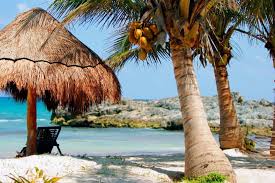
Mexico combines extraordinary biodiversity with a rich variety of community-led conservation initiatives. Its Pacific and Caribbean coastlines provide important habitats for sea turtles, while its forests, deserts, and rural landscapes support projects involving wildlife protection, environmental education, and sustainable agriculture. The state of Oaxaca is particularly interesting for volunteer travelers. International Volunteer HQ (IVHQ) lists programs in the region involving deer conservation, sea turtle and reptile conservation, teaching English, and community support. Its published program information describes placements lasting between one and twelve weeks, with eligibility for adults and some families. Activities, age requirements, and fees should be confirmed directly before applying. Travelers can also investigate sea turtle conservation initiatives along Mexico's Pacific coast. Depending on the season and the organization, activities may involve beach monitoring, habitat protection, environmental education, and supervised conservation work. In rural communities, other possibilities include supporting local educational initiatives, sustainable agriculture, and environmental restoration. Community-based projects can offer a more meaningful cultural exchange than a conventional sightseeing itinerary, particularly when local residents determine the activities and priorities. Where to go: Consider Oaxaca, the Pacific coast, and conservation areas around the Yucatán Peninsula. Each destination offers different combinations of wildlife, culture, and community projects. How to get there: Fly into Oaxaca International Airport for projects in the state, or use major gateways such as Cancún and Puerto Vallarta for coastal destinations. Arrange transportation with the organization coordinating the volunteer placement. Programs to investigate: International Volunteer HQ: https://www.volunteerhq.org/regions/north-america/ Local sea turtle conservation organizations and community-based tourism initiatives. 4. New Orleans | Help Rebuild and Strengthen a Community New Orleans offers a different kind of volunteer travel experience. Beyond its famous music, architecture, cuisine, and cultural heritage, the city has a long history of community organizations working on neighborhood improvement, housing, environmental sustainability, and social support. International Volunteer HQ lists a New Orleans program focused on community development, construction and renovation, and environmental sustainability. The organization describes group placements lasting between one and twelve weeks. This can be an option for travelers interested in practical community work rather than wildlife conservation. Projects may involve helping local organizations improve shared spaces, supporting renovation initiatives, and participating in environmental activities. Travelers should confirm which projects are currently operating, what skills are required, and whether the work is supervised by qualified professionals. Where to go: Explore community initiatives in New Orleans and surrounding neighborhoods, while also discovering the city's historic French Quarter, Garden District, museums, and music venues. How to get there: Fly into Louis Armstrong New Orleans International Airport. The city has public transportation and rideshare services, but transportation to individual volunteer sites should be confirmed with the program. Program to investigate: International Volunteer HQ: https://www.volunteerhq.org/regions/north-america/ 5. Choose the Right Volunteer Experience Not every project is appropriate for every traveler. Some activities require physical fitness, previous experience, specialized qualifications, or a minimum commitment of several weeks. Others welcome beginners and families with children. Before making a reservation, ask the organization: What community or conservation need does the project address? Who manages the project and supervises volunteers? What are the minimum age and experience requirements? Are accommodation, meals, transportation, and equipment included? Is there a participation fee, and how is the money used? What insurance and emergency arrangements are available? Are there restrictions on the type of work international visitors may perform? Travelers should also check immigration requirements before participating. A tourist entry permission does not automatically authorize unpaid work, internships, or volunteer activities. Rules vary by country, nationality, and the nature of the placement. 6. Make Your Contribution Count The best volunteer travel experiences are built on partnerships rather than promises of instant transformation. Local communities should determine their priorities, organizations should explain how contributions are used, and visitors should understand that they are supporting work already underway. Be especially careful with projects involving children and vulnerable populations. Avoid short-term orphanage visits and unsupervised contact with children. Support organizations with strong safeguarding policies, trained staff, and programs designed to protect families and communities. For wildlife projects, choose established conservation organizations that follow professional animal-welfare standards. Volunteers should never handle endangered animals or perform veterinary tasks without appropriate qualifications and supervision. Travel With Purpose Across North America From the national parks of the United States to the mountain landscapes of Canada and the conservation communities of Mexico, North America offers travelers opportunities to combine exploration with meaningful service. You could spend a morning helping restore a trail, participate in a coastal cleanup, support a community development project, or contribute to wildlife monitoring. Each experience offers a different perspective on the places we visit and the people who protect them. A successful volunteer journey is not measured by the number of hours worked or the photographs taken. It is measured by the value of the contribution, the respect shown to local communities, and the lasting benefits of the project. Travel with curiosity, contribute responsibly, and discover North America through the people and organizations working to make it a better place. |
||||
 Add this article to your favorites
[FOR MEMBERS ONLY] Copy this link to send this article to a friend: [FOR MEMBERS ONLY] |
||||
|
|
||||
|---|---|---|---|---|
| |
|
|
|
|
×
|
||||
|
References: 1. International Volunteer HQ. (n.d.). Volunteer opportunities in North America. https://www.volunteerhq.org/regions/north-america/ 2. Parks Canada. (n.d.). Get involved in nature conservation. https://parks.canada.ca/nature/science/impliquez-involved 3. The Nature Conservancy. (n.d.). Volunteer with us. https://www.nature.org/en-us/get-involved/how-to-help/volunteer/ 4. U.S. Fish and Wildlife Service. (n.d.). Volunteer. https://www.fws.gov/experience-america/volunteer 5. U.S. National Park Service. (n.d.). Volunteer with us. https://www.nps.gov/subjects/volunteer/index.htm |
||||
Please leave a comment about this article: 1389 |
|
| Enter your email address: |
Your email will not be displayed. |
| Your nickname: | |
| Your comment: | |
| Was this article helpful to you? | |
|
|
|
Articles about exciting travel experiences in our hemisphere.
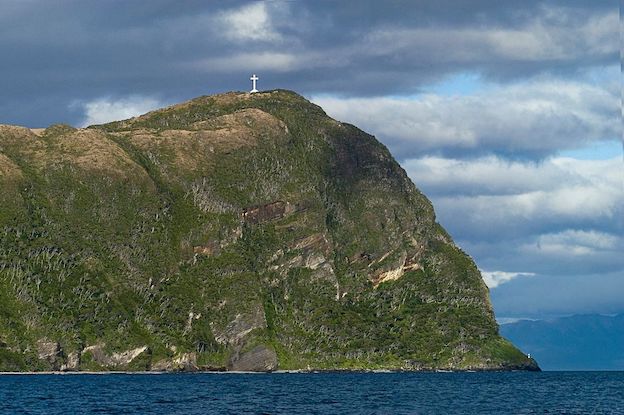
Cape Froward, Chile



Welcome to the World’s Largest New Year’s Celebration
For those traveling from North, Central, or South America, New Year's Eve in Rio offers a rich narrative about how a city can transform a universal holiday into a unique celebration, rooted in local traditions and open to the world.









|
Experiences Finder
(Search our catalog of Experiences here.) |
|---|