|
Pan American Experiences
|
------- |


Volunteers participate in a sea turtle conservation project in Central America, helping protect hatchlings and preserve the nesting beaches essential to the survival of these endangered marine animals.
Buying A House in Paraguay: The Guide Without Fine Print For 2026
|
HEMISPHERE ------------------------------------------1386[TRAVEL PLANNING] | |||
Volunteer Travel Across Central AmericaProtect Sea Turtles, Restore Tropical Forests, and Support Local Communities From Guatemala to PanamaBy Marbel Montoya for Ruta Pantera on 11/20/2026 5:41:28 PM |
||||
| Central America may be one of the smallest regions of the Americas, but its landscapes contain an extraordinary range of ecosystems: tropical rainforests, volcanic mountains, mangroves, coral reefs, and nesting beaches used by endangered sea turtles. For travelers who want their vacations to have a positive impact, this region offers opportunities to work alongside conservation organizations, participate in community projects, and learn from people protecting their natural and cultural heritage.
Volunteer travel here can mean walking a beach at night to monitor turtle nests, planting native trees in an Indigenous community, helping document coral reef conditions, or supporting environmental education in a rural school. Some programs welcome beginners, while others require a longer commitment, physical fitness, or previous experience. The important thing is to choose an organization with a clear conservation mission and a genuine relationship with the local community. 1. Costa Rica | Protect Sea Turtles on the Pacific Coast Costa Rica is one of Central America's most established destinations for conservation travel. Its Pacific and Caribbean coastlines provide important nesting habitats for several sea turtle species, while its forests and wetlands support remarkable biodiversity. On the central Pacific coast, the Corcovado Foundation runs a sea turtle conservation program at Playa Palo Seco, near Parrita. The organization combines turtle protection with environmental education and community-based ecotourism. Its published 2026 program operates from July 1 through December 15 and requires a minimum stay of two weeks. Volunteers must be at least 18, have basic Spanish or English, and be physically prepared for four to six hours of work in demanding weather conditions. Activities can include nighttime beach patrols, nest relocation, scientific data collection, turtle tagging, nest examinations, and hatchling releases. The published fee is US$315 per person per week, including accommodation, three meals daily, and training. Transportation to and from the project and additional tours are not included. Another option is Turtle Love, a nonprofit organization working on the Caribbean coast near Tortuguero. Its project at Playa Tres focuses on protecting four sea turtle species through community involvement, research, and environmental education. Its published volunteer information lists stays beginning at three nights, with prices starting at US$90 per night. Activities can include beach surveys, research support, and educational outreach. Where to go: Playa Palo Seco on the Pacific coast and Barra de Parismina on the Caribbean coast offer different conservation experiences. How to get there: For Playa Palo Seco, travel from San José toward Parrita by road. For the Caribbean project, travel toward Limón and arrange onward transportation and boat connections with the organization. Programs to investigate: 2. Guatemala | Plant Trees and Support Indigenous Communities Guatemala offers a different kind of volunteer experience, one rooted in forest restoration and community development. In the western highlands, Indigenous communities and local organizations are working to restore native forests, protect water sources, and strengthen environmental education. The Chico Mendes Reforestation Project is a community-run nonprofit based in Pachaj, in the municipality of Cantel, near Quetzaltenango. Founded in 1998, the organization works with local youth, residents, and international volunteers to plant native trees and restore forested land. Its activities include collecting seeds, maintaining nurseries, preparing soil, planting trees, clearing brush, and supporting environmental outreach. Volunteers generally work five days a week, with activities lasting around four to five hours daily. The organization requests a minimum commitment of five consecutive working days. Accommodation with a local family is available, with a published homestay rate of Q250 per day, including three meals and a private bedroom. The project also offers tours for visitors who cannot commit to a full volunteer placement. Another organization, Plantemos, organizes reforestation activities using native species throughout Guatemala. It reports that its work has involved approximately 50,000 volunteers and more than 992,000 trees planted. Volunteer planting days take place during the rainy season, generally from April through October, while cleanup activities are organized throughout the year. Participants should check the organization's current calendar before traveling. Where to go: Pachaj and Cantel, near Quetzaltenango, are excellent starting points for learning about community-led reforestation and K'iche' Maya culture. How to get there: Fly into Guatemala City's La Aurora International Airport and travel west by road toward Quetzaltenango. Pachaj is approximately 10 kilometers from Xela, as Quetzaltenango is locally known. Programs to investigate: 3. Panama | Protect Sea Turtles and Restore Coral Reefs Panama connects two oceans and contains some of the region's most important marine habitats. Its Pacific and Caribbean coasts offer opportunities to support sea turtle conservation, mangrove restoration, beach cleanups, and coral reef protection. On the Pacific coast, Tortugas Playa Venao is a community-based initiative focused on protecting sea turtles and their nesting habitats. Volunteers can participate in beach patrols, educational outreach, and seasonal nest protection activities. The organization works with local residents to raise awareness about threats from poaching, predators, and human activity along the beach. In Pedasí, the nonprofit organization Tortugas Pedasí works to protect sea turtles and mangrove ecosystems within the Pablo Barrios Wildlife Refuge in Los Santos. Its activities include beach monitoring, research, environmental education in schools, and mangrove conservation. For travelers interested in underwater conservation, Ocean Soldiers works with partners on coral reef restoration, marine turtle education, and ocean cleanup initiatives. Its projects include the TortuBanks program and coral restoration work alongside Reef Restoration Panama. These activities are particularly interesting for visitors with an interest in marine biology and diving, although specific volunteer roles and training requirements must be confirmed with the organization. Where to go: Explore Playa Venao and Pedasí on the Azuero Peninsula for sea turtle conservation, or investigate marine conservation projects around Panama's coastal and island ecosystems. How to get there: Fly into Tocumen International Airport in Panama City and continue by road toward the Azuero Peninsula. For island and reef projects, arrange transfers through the organization coordinating the activity. |
||||
|
Programs to investigate:
4. Belize | Become a Guardian of the Barrier Reef Belize is home to the Belize Barrier Reef Reserve System, a UNESCO World Heritage Site and one of the most important marine ecosystems in the Caribbean. Its coral reefs, mangroves, seagrass beds, and coastal habitats support an extraordinary variety of marine life. The nonprofit organization ECOMAR coordinates volunteer projects designed to help protect the reef and its wildlife. Depending on the activity, participants can contribute to coral reef monitoring, sea turtle observations, beach protection, and marine conservation education. Its Adopt a Reef initiative encourages volunteers and divers to report coral bleaching, record turtle sightings, and monitor the presence of invasive lionfish. Its Turtle Watch program also invites visitors to submit observations that help researchers understand sea turtle populations. Another organization, Reef Conservation International (ReefCI), operates marine conservation programs in Belize. The nonprofit has worked on reef protection since 2006 and relies on eco-volunteers to help with its projects. Its activities are designed to combine practical conservation work with education about marine ecosystems. Travelers interested in a broader community perspective can also investigate the Toledo Institute for Development and Environment (TIDE). Founded by community members in 1997, TIDE works to strengthen natural resource management and community participation in conservation. It offers opportunities to volunteer, intern, donate, and experience protected areas. Where to go: Placencia is a useful base for marine conservation experiences, while the Toledo District offers opportunities to learn about community-led environmental protection. How to get there: Fly into Philip S. W. Goldson International Airport near Belize City and arrange onward transportation to Placencia or southern Belize. Some marine projects require boat transfers and advance coordination. Programs to investigate: 5. Nicaragua | Help Protect Hawksbill and Olive Ridley Turtles Nicaragua offers another opportunity to experience conservation work in a less conventional travel destination. Its Pacific coastline provides nesting habitat for sea turtles, including hawksbill and olive ridley turtles, and several local organizations work with communities to protect their nesting beaches. SOS Nicaragua operates a volunteer program focused on sea turtle conservation and community development. Activities include nighttime beach patrols, monitoring nesting turtles, collecting eggs for relocation to protected hatcheries, monitoring nests, and releasing hatchlings. Volunteers can also participate in optional community activities such as environmental education, art programs, and English lessons. The organization publishes participation fees of US$280 for one week, US$525 for two weeks, US$750 for three weeks, and US$950 for four weeks. Its published fees include accommodation, three meals per day, orientation, conservation training, and local support. International flights and transportation to the project are additional expenses. Another project, Turtle Rescue Nicaragua, welcomes volunteers for four-week sessions throughout the year. Its work focuses on protecting hawksbill and olive ridley turtles, with activities that include nighttime beach patrols, fundraising, and communications support. Where to go: Explore conservation projects along Nicaragua's Pacific coast, including the Playa El Coco area and other nesting beaches. How to get there: Fly into Augusto C. Sandino International Airport in Managua and arrange onward transportation with the organization. Remote beach projects may require several hours of road travel. Programs to investigate: 6. When to Volunteer in Central America Timing can make a significant difference, particularly for wildlife conservation. Sea turtle nesting seasons vary by species, coastline, and individual beach. In Costa Rica, for example, the Corcovado Foundation's published 2026 season runs from July through December, while other projects have different schedules. Forest restoration also depends on rainfall. In Guatemala, Plantemos organizes its principal tree-planting activities during the rainy season, generally between April and October. Marine conservation projects in Belize may operate throughout the year, but specific surveys and volunteer activities depend on weather and research schedules. Before purchasing flights, ask the organization for its current calendar, minimum stay, physical requirements, and availability. A program listed online does not necessarily have open spaces on the dates you want. 7. Responsible Volunteering: Make Sure Your Contribution Matters Central America has many organizations doing important conservation work, but not every volunteer program delivers the same benefits. A responsible experience should be transparent about its mission, local partnerships, fees, supervision, and measurable results. Before applying, consider these questions: Is the project managed with the participation of local residents? Are volunteers trained and supervised by qualified staff? What portion of the fee supports the actual conservation or community work? Are accommodation, meals, transportation, and equipment included? Does the project have a clear safety and emergency plan? Are there minimum age, language, or physical fitness requirements? Are wildlife interactions conducted according to professional conservation standards? Travelers should never handle sea turtle eggs, hatchlings, or adult turtles without authorization and appropriate training. Avoid programs that promise guaranteed animal encounters or allow visitors to interfere with wildlife for photographs. Travel With Purpose Through Central America From the tropical forests of Guatemala to the coral reefs of Belize, Central America offers an extraordinary opportunity to combine travel with conservation and community involvement. You can help plant a forest, protect a nesting beach, monitor a coral reef, or learn from communities working to preserve their natural resources. These experiences are not simply vacations with a volunteer activity added to the itinerary. They are opportunities to understand the challenges facing the region and to support the people working toward long-term solutions. Travel with an open mind, respect local knowledge, and choose projects that genuinely need your contribution. The greatest reward may be discovering that a meaningful journey is not only about the places you visit, but also about the positive relationships you build along the way. |
||||
 Add this article to your favorites
[FOR MEMBERS ONLY] Copy this link to send this article to a friend: [FOR MEMBERS ONLY] |
||||

|
|
||||
|---|---|---|---|---|
| |
|
|
|
|
×
|
||||
Please leave a comment about this article: 1386 |
|
| Enter your email address: |
Your email will not be displayed. |
| Your nickname: | |
| Your comment: | |
| Was this article helpful to you? | |
|
|
|
Articles about exciting travel experiences in our hemisphere.
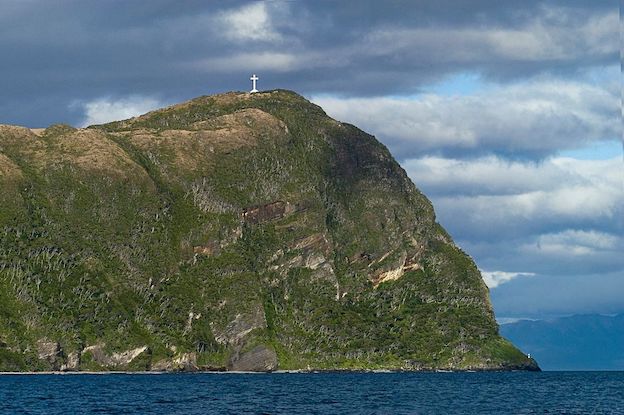
Cape Froward, Chile



Welcome to the World’s Largest New Year’s Celebration
For those traveling from North, Central, or South America, New Year's Eve in Rio offers a rich narrative about how a city can transform a universal holiday into a unique celebration, rooted in local traditions and open to the world.










|
Experiences Finder
(Search our catalog of Experiences here.) |
|---|