|
Pan American Experiences
|
------- |


A volunteer helps care for a rescued baby monkey at an Amazon wildlife sanctuary in South America, supporting rehabilitation efforts and the protection of vulnerable native species.
|
HEMISPHERE ------------------------------------------1383[TRAVEL PLANNING] | |||
Volunteer Travel Across South AmericaProtect the Amazon, Rescue Wildlife, Restore Patagonia, and Support Communities From Colombia to ArgentinaBy Marbel Montoya for Ruta Pantera on 11/20/2026 5:41:28 PM |
||||
| South America is a continent of extraordinary contrasts: the Amazon rainforest, the Andes Mountains, the glaciers of Patagonia, the Galápagos Islands, and some of the world's most diverse wildlife habitats. It is also home to communities and conservation organizations working to protect these landscapes, rescue animals, preserve biodiversity, and create better opportunities for local residents.
For travelers who want to do more than explore, volunteer tourism offers a way to become involved in this work. You could spend several weeks caring for rescued monkeys in the Bolivian Amazon, assist with wildlife conservation in Peru, help protect giant tortoises in Ecuador, or participate in a scientific conservation expedition in Argentina. Some projects welcome beginners, while others require physical fitness, professional skills, or a longer commitment. The following destinations offer different ways to experience South America while contributing to projects with environmental and community goals. 1. Bolivia | Care for Rescued Wildlife in the Amazon Bolivia's tropical forests provide habitat for monkeys, parrots, bears, reptiles, and hundreds of other species. Unfortunately, illegal wildlife trafficking, habitat destruction, and the exotic pet trade have left many animals injured, orphaned, or unable to return to the wild. One organization working to address this problem is Senda Verde Wildlife Sanctuary, located in the Yungas region near Coroico. The sanctuary cares for more than 1,000 rescued animals and welcomes international volunteers to support its daily operations. Volunteers can assist animal keepers with feeding, cleaning enclosures, preparing enrichment activities, maintaining habitats, and supporting restoration work. Participants also learn about wildlife rehabilitation, conservation, and the challenges of combating animal trafficking. The regular volunteer program requires a minimum stay of two weeks and is open to individuals, couples, and small groups aged 18 and older. Accommodation at the sanctuary, meals, orientation, and training are included. Senda Verde also offers its 2XWild experience, combining two weeks at the wildlife sanctuary with a third week at its Passiflora rewilding project. The published price for this three-week program is US$940. Where to go: Senda Verde is located in the Yungas region near Coroico, a mountainous area northeast of La Paz. How to get there: Fly into El Alto International Airport in La Paz and arrange road transportation toward Coroico and the sanctuary. Confirm transfers directly with Senda Verde before departure. Program: 2. Peru | Protect Amazon Wildlife and Restore Rainforest Habitats The Peruvian Amazon is one of the richest ecosystems on the planet, but deforestation, illegal wildlife trafficking, and habitat destruction threaten its extraordinary biodiversity. Travelers interested in wildlife conservation can investigate the Amazon Wildlife Rescue and Release Sanctuary program promoted by GoEco. Based in Peru, the project focuses on animals affected by illegal wildlife trade and habitat loss, including sloths and monkeys. Volunteers assist with feeding and caring for rescued animals and maintaining the sanctuary. The experience offers an opportunity to learn about wildlife rehabilitation and the difficulties of returning animals to suitable natural habitats. Another option is the Amazon Conservation Project promoted by The Great Projects. Its published program operates in Peru's Manu Biosphere Reserve and offers stays ranging from 15 to 71 nights, with prices starting at US$2,154. The project focuses on supporting conservation activities in one of the world's most biodiverse rainforest environments. Where to go: Explore conservation projects around Manu and other rainforest regions in southeastern Peru. Cusco can serve as a gateway for some programs, while other Amazon projects require additional travel by road and river. How to get there: Fly into Cusco or Puerto Maldonado, depending on the specific project. From there, arrange the onward journey with the organization, as remote conservation stations often require boat transfers and several hours of travel. Programs to investigate: 3. Ecuador | Protect Giant Tortoises in the Galápagos Islands The Galápagos Islands are among the world's most extraordinary destinations for wildlife conservation. Their unique ecosystems inspired Charles Darwin's observations about evolution and continue to attract scientists and travelers interested in biodiversity. The islands face conservation challenges involving invasive species, habitat changes, tourism pressure, and the protection of native wildlife. Giant tortoises are among the most recognizable symbols of the archipelago, and conservation programs work to protect their populations and habitats. GoEco offers a Giant Tortoise and Sea Turtle Conservation program in the Galápagos. Volunteers work alongside conservation staff at a giant tortoise center and may participate in activities connected to tortoise care and sea turtle nest conservation. The program also provides opportunities to learn about the islands' unique wildlife and marine environments. For travelers interested in broader environmental work, International Volunteer HQ (IVHQ) lists Galápagos programs lasting two to twelve weeks. Its published program fees start at US$1,430, with opportunities involving giant tortoise conservation, sea turtle and marine iguana conservation, native plant reforestation, and environmental conservation. Where to go: Santa Cruz Island is an important base for conservation and research activities, while other projects operate on different islands depending on the program. How to get there: Fly from mainland Ecuador to Seymour Airport on Baltra or San Cristóbal Airport. Travelers should coordinate onward transfers and island transportation with their volunteer organization. Programs to investigate: 4. Colombia | Support Environmental Conservation and Community Projects Colombia is one of the most biodiverse countries in the world, with ecosystems ranging from the Amazon rainforest and Andean cloud forests to Caribbean coastlines and tropical wetlands. In Medellín, International Volunteer HQ offers programs involving environmental conservation, youth support, education, and community development. Its published placements last from one to 24 weeks, with fees starting at US$380. The environmental conservation option provides an opportunity to investigate local initiatives and contribute to projects addressing environmental challenges. |
||||
|
For travelers interested in a broader range of community projects, A Broader View Volunteers lists opportunities in Colombia involving education, social welfare, women's empowerment, and conservation. Its programs are designed to connect international participants with local organizations and community initiatives.
Another option is Primed, a Medellín-based community initiative listed in the Volunteer South America directory. Its activities include environmental projects, youth support, cultural programs, and community work across several neighborhoods. Travelers can investigate opportunities to contribute skills and participate in locally organized initiatives. Where to go: Medellín is an accessible starting point for community and environmental volunteering. Travelers seeking rainforest conservation can also investigate projects in the Colombian Amazon and the Sierra Nevada de Santa Marta region. How to get there: Fly into José María Córdova International Airport for Medellín and arrange local transportation with the organization. For remote conservation projects, confirm the nearest airport and onward transportation before booking. Programs to investigate: 5. Argentina | Protect Pumas and Native Wildlife Argentina's landscapes extend from subtropical forests and grasslands to the dramatic mountains and glaciers of Patagonia. Its wildlife includes pumas, guanacos, foxes, monkeys, and numerous bird species. In Córdoba, GoEco offers a Puma Sanctuary and Wildlife Reserve volunteer experience. The project focuses on protecting pumas and other native species. Volunteers can contribute to animal care and conservation activities while learning about the challenges of protecting large carnivores. The organization also promotes a family-friendly wildlife conservation experience, allowing families to participate together in activities involving rescued pumas, research, enrichment, and habitat restoration. The current program conditions, minimum ages, fees, and available dates should be confirmed directly. Further south, Fundación Somuncura offers a more field-oriented conservation experience in the Somuncura Plateau and around the Valcheta stream in Río Negro Province. Its projects include conservation of the Valcheta frog, protection of endemic species, and broader biodiversity research. The foundation's published four-week expedition costs approximately US$500 per volunteer. The fee includes accommodation, four daily meals, camping equipment, and transportation within the program area. Travel to and from Valcheta is the volunteer's responsibility. Partial and full scholarships are available for selected participants. The expedition involves long walks, manual labor, changing weather conditions, and remote locations. Volunteers should be physically prepared and comfortable spending time without regular mobile phone coverage. Where to go: Córdoba for the puma sanctuary, or the Somuncura Plateau in Río Negro for field conservation and biodiversity research. How to get there: Fly into Córdoba for the wildlife sanctuary. For Fundación Somuncura, travel to Valcheta by bus or road transportation and arrange the final transfer with the foundation. Programs to investigate: 6. Brazil | Support Environmental and Community Initiatives Brazil offers an enormous variety of volunteer opportunities, from community education in Rio de Janeiro to ecological agriculture and forest restoration in rural regions. International Volunteer HQ lists programs in Rio de Janeiro and surrounding suburbs, including community development, sports education, childcare, and English teaching. Its published placements last from one to 24 weeks, with program fees starting at US$595. For travelers interested in ecological work, Worldpackers lists work-exchange opportunities in Brazilian ecological reserves and sustainable projects. Examples include agroforestry and tree planting near Ouro Preto, animal sanctuary assistance in Pedra Dourada, and organic farming activities in the Atlantic Forest region. These arrangements are different from conventional volunteer programs. Some hosts offer accommodation and meals in exchange for a specified number of work hours, rather than operating as nonprofit conservation projects. Travelers should check the host's background, responsibilities, working hours, insurance, and exact conditions before committing. Where to go: Rio de Janeiro for community development, Ouro Preto for ecological and agroforestry projects, and the Atlantic Forest region for sustainable agriculture initiatives. How to get there: Fly into Rio de Janeiro or Belo Horizonte, depending on the project. Confirm road transportation and accommodation arrangements with the host before traveling to rural locations. Programs to investigate: 7. How to Choose a South American Volunteer Program The diversity of South America means that volunteer opportunities vary greatly. Some programs involve professional wildlife care, while others focus on education, agriculture, community development, or scientific research. Before making a commitment, ask the organization: What specific work will volunteers perform? Is the project managed by a local organization or conservation professional? What qualifications or experience are required? What are the minimum age and length-of-stay requirements? Are accommodation, meals, equipment, and transportation included? What is the full program cost, and how are the fees used? Are medical support, emergency procedures, and insurance arrangements available? Does the organization have a clear animal-welfare and environmental protection policy? Travelers should never handle wild animals, administer medication, or perform veterinary tasks without appropriate qualifications and supervision. Wildlife sanctuaries should prioritize rehabilitation, animal welfare, and release into suitable habitats whenever possible. It is also important to check immigration rules. A tourist entry permission does not automatically authorize every type of unpaid work or volunteer placement. Requirements vary by country and by the activities involved. 8. Make Your Journey Part of a Larger Conservation Effort South America offers more than one way to make a difference. A traveler might spend two weeks helping rescued wildlife in Bolivia, participate in rainforest conservation in Peru, support environmental education in Colombia, or join a scientific expedition in Patagonia. The best programs are those that recognize the knowledge of local communities and contribute to projects with long-term goals. Volunteers should arrive ready to learn, follow instructions, and support the work already being carried out by local professionals. Travel With Purpose Across South America From the Amazon rainforest to the remote plateaus of Patagonia, South America offers remarkable opportunities to combine adventure with meaningful service. You can help protect endangered wildlife, support scientific research, restore habitats, or contribute to community initiatives. These experiences reveal a side of the continent that conventional tourism rarely shows. They introduce travelers to the people working every day to protect their environment and strengthen their communities. The most important contribution is not simply showing up. It is choosing a responsible project, respecting local knowledge, and helping work continue long after the journey ends. |
||||
 Add this article to your favorites
[FOR MEMBERS ONLY] Copy this link to send this article to a friend: [FOR MEMBERS ONLY] |
||||

|
|
||||
|---|---|---|---|---|
| |
|
|
|
|
×
|
||||
Please leave a comment about this article: 1383 |
|
| Enter your email address: |
Your email will not be displayed. |
| Your nickname: | |
| Your comment: | |
| Was this article helpful to you? | |
|
|
|
Articles about exciting travel experiences in our hemisphere.
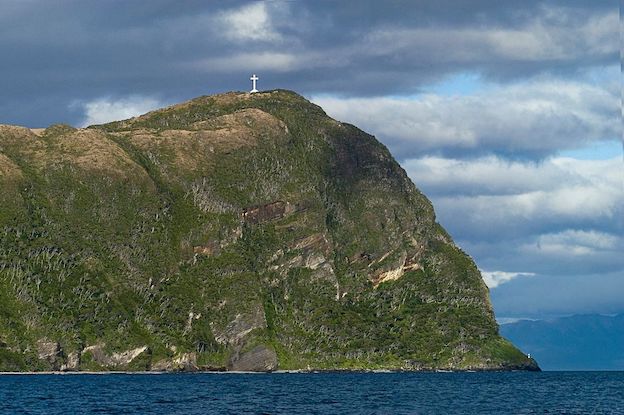
Cape Froward, Chile




Welcome to the World’s Largest New Year’s Celebration
For those traveling from North, Central, or South America, New Year's Eve in Rio offers a rich narrative about how a city can transform a universal holiday into a unique celebration, rooted in local traditions and open to the world.









|
Experiences Finder
(Search our catalog of Experiences here.) |
|---|