|
Pan American Experiences
|
------- |

Hemisphere Related Articles:
CANADA -- A Month of Culture and Celebration
The Republican Loyalty Cracks — And In the Fissure: Cuba, Greenland, and the World |
HEMISPHERE ------------------------------------------1382[COLUMN] | |||
The Guests Were Already HomeBy Victoria Olaya for Ruta Pantera on 11/20/2026 5:41:28 PM |
||||
| Thanksgiving is one of those American traditions that can feel familiar even when you did not grow up celebrating it. Families gather, food becomes the center of the day, and people are encouraged to appreciate what they have. As a Colombian who spent a couple of years living in the United States, I could understand the appeal without having grown up with the holiday itself. But holidays do more than bring people together. They also tell a country what to remember about itself. And Thanksgiving has a particularly revealing story to tell about who belongs, who is welcomed, and who gets left out of the picture.
The version most people recognize is simple: in 1621, English Pilgrims and Native Americans sat down together to celebrate a successful harvest. It is an appealing origin story, especially for a country that likes to think of itself as a meeting place for different peoples. There really was a gathering. The trouble begins when we mistake that fact for proof that everyone met as equals. The strongest firsthand evidence comes from Edward Winslow, one of the Plymouth colonists. In a letter published in 1622, he described a three-day harvest celebration attended by Ousamequin, the Wampanoag leader also known as Massasoit, and about ninety of his men. The Wampanoag brought five deer. The English supplied wildfowl. They ate and spent time together. That much is documented. What is not documented is the harmonious dinner party that has filled so many paintings and school lessons. Winslow tells us that the Wampanoag came, but not precisely why. Wampanoag historian Paula Peters has suggested that the sound of English muskets, fired during the celebration, may have prompted Ousamequin and his men to approach. The event may have involved diplomacy and caution as much as hospitality. |
||||
|
There is another detail that changes the story once you notice it: the people cast as guests were already home. The English had arrived on Wampanoag land, where Indigenous communities had lived long before the colony existed. The previous years had brought devastating epidemics, and the Wampanoag had reasons of their own for negotiating an alliance with the newcomers. They were not nameless figures who appeared to help the Pilgrims survive and then disappeared from history. They were a nation making political decisions in a dangerous moment.
None of this means the meal was imagined, or that cooperation between the two peoples was impossible. It means that sharing food is not the same thing as sharing power. The relationship that followed brought expanding settlements, dispossession, and war. A single peaceful scene cannot stand in for the history that came after it. That history has not stayed in the past. Since 1970, Indigenous organizers have gathered in Plymouth on Thanksgiving for a National Day of Mourning. Other Native Americans celebrate with their families while rejecting the familiar Pilgrim myth. There is no single Indigenous response to the holiday, and that variety deserves more attention than another idealized painting. I find that distinction important precisely because I do see something worth preserving in Thanksgiving. It is possible to value a holiday devoted to generosity without demanding that its founding story be innocent. In fact, the gesture of making room for someone else becomes more meaningful when we are willing to hear a history that complicates our own. Living in the United States gave me the experience of approaching a familiar-looking culture from the outside. Even when I understood the language and recognized the customs, I was still learning what those customs meant to the people around me. It reminded me that being present in a place and understanding it are two very different things. The same is true of the stories we inherit about a place, whether we were born there or arrived later. That is also why I hesitate when travel is treated as an automatic source of enlightenment. The Pilgrims crossed an ocean. Crossing an ocean did not make them champions of equality. Travel can open our minds, but it can also carry prejudice and ambition into someone else's home. What matters is not how far we go, but whether we let the people we encounter change how we see the world. |
||||
 Add this article to your favorites
[FOR MEMBERS ONLY] Copy this link to send this article to a friend: [FOR MEMBERS ONLY] |
||||
|
|
||||
|---|---|---|---|---|
| |
|
|
|
|
×
|
||||
Please leave a comment about this article: 1382 |
|
| Enter your email address: |
Your email will not be displayed. |
| Your nickname: | |
| Your comment: | |
| Was this article helpful to you? | |
|
|
|
Articles about exciting travel experiences in our hemisphere.
ADVENTURE
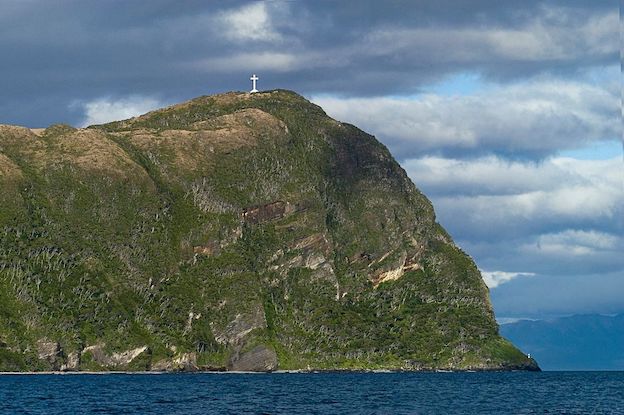
Cape Froward, Chile
BEACH & SUN

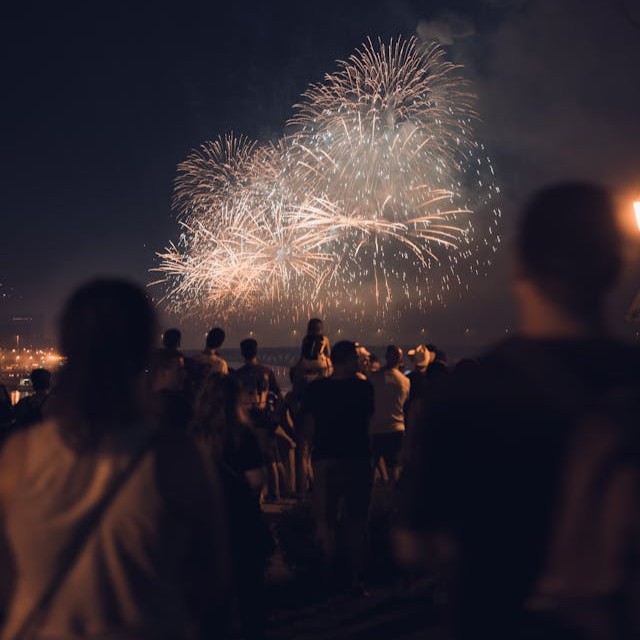
Welcome to the World’s Largest New Year’s Celebration
For those traveling from North, Central, or South America, New Year's Eve in Rio offers a rich narrative about how a city can transform a universal holiday into a unique celebration, rooted in local traditions and open to the world.



|
Experiences Finder
(Search our catalog of Experiences here.) |
|---|