|
Pan American Experiences
|
------- |

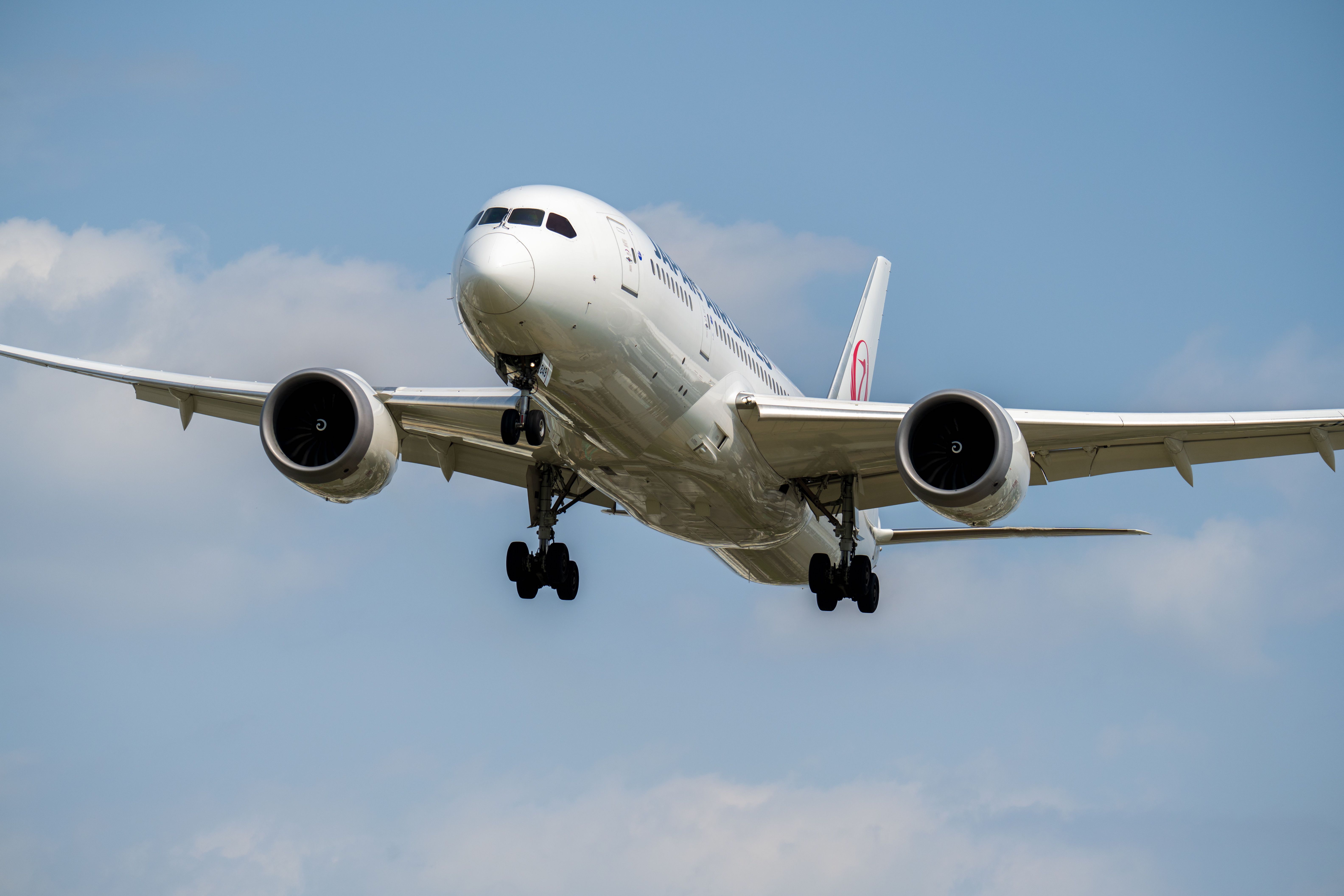
Fuel and connectivity make geopolitics a business variable for Pan-American tourism. Photo by Guohua Song/Pexels.
Ancient Paths of the Great American Civilizations
Medellín, Bogotá, Cartagena and Santa Marta: The Colombian Race for Digital Nomadism
|
HEMISPHERE ------------------------------------------1380[BUSINESS FEATURE] | |||
Iran-Contra War: The Cost to Pan-American TourismRising Fuel Costs, Air Routes, and Purchasing Power are Changing Costs and Opportunities for Tourism Businesses in the Americas.By Estefanía Muriel for Ruta Pantera on 10/5/2026 5:48:36 PM |
||||
| Can a war raging thousands of miles away end up making a trip between Bogotá, Mexico City, and Buenos Aires more expensive? In 2026, the answer lies primarily in energy. The conflict with Iran disrupted oil and jet fuel markets, increased airline volatility, and forced airlines to review capacity, fares, and routes. For Pan-American tourism, the impact stems less from the geography of the conflict than from its effects on costs.
The effect is already appearing in aviation accounts. The International Air Transport Association (IATA) indicates that fuel will represent nearly a third of airlines' operating costs by 2026. In August, global air travel demand fell 0.8% year-on-year, although Latin American airlines registered growth of 6.7%, accompanied by a 6.3% expansion in capacity. This creates an uneven playing field for tourism businesses. Latin America continues to see growth in demand and capacity, but companies face higher fuel costs, currency pressures, and consumers with less purchasing power. The result is an industry that still has room to grow, albeit with narrower margins and a greater need to manage pricing, routes, source markets, and products that can justify traveler spending. Fuel Turns a Regional War Into a Pan-American Cost The first transmission to the Americas occurs through energy. Disruptions associated with the conflict affected the flow of oil and refined products through the Strait of Hormuz, causing sharp fluctuations in crude oil prices. The U.S. Energy Information Administration reported that Brent crude reached $118 per barrel on April 29, 2026, before subsequently declining. For airlines, this volatility is as relevant as the absolute price. In June, IATA calculated that disruptions in the Middle East and high fuel costs would significantly reduce the projected profitability of the global airline industry. For Latin America, it estimated net income of US $12 billion and a 2.1% margin in 2026, compared to US 1.9 billion and 3.8% in 2025. In a narrow-margin industry, energy fluctuations can significantly impact decisions regarding capacity, expansion, and pricing. The problem then shifts to hotels, tour operators, and travel agencies because transportation is part of the final price of the trip. The Associated Press reported in September that jet fuel prices had risen sharply again and that several U.S. airlines were cutting some less profitable flights. For tourism companies, this means that fares may remain high even when oil prices fall, due to the time needed to absorb the shock. |
||||
|
Latin America Gains Demand, but Faces Narrower Margins
The regional picture presents a paradox. While the Middle East suffered a sharp contraction in traffic, Latin American airlines saw a 6.7% increase in demand in August and a 6.3% increase in capacity. IATA also recorded a load factor of 84%. This data shows that the conflict did not paralyze travel on the continent; some activity may be shifting to markets less exposed to the affected routes. The World Travel & Tourism Council estimated that travel and tourism activity in Central and South America would grow by 4.1% during 2026, exceeding the projected global growth of 3.2%, while international visitor spending would increase by 7.8%. The organization attributed part of this resilience to less direct exposure to geopolitical disruptions in the Middle East. This relative advantage could become an opportunity if connectivity is maintained. But increased demand doesn't automatically translate into increased profitability. IATA warns that Latin American airlines have less financial flexibility and face currency pressures due to the energy crisis. For hotels and tour operators, the challenge is similar: travelers who pay more for transportation have less budget for accommodation, dining, shopping, or excursions. Competition may shift toward offerings with higher perceived value and better cost control. Air Routes and Traveler Budgets Enter a New Phase The conflict is also reshaping the geography of connectivity. IATA reported that traffic for Middle Eastern airlines fell by 14.6%, while the regional recovery weakened again. Meanwhile, Latin American markets continued to grow. For Pan-American carriers, this reinforces the value of direct connections and regional hubs capable of reducing dependence on international routes more susceptible to disruption. The second variable is budget. The Associated Press reported that U.S. airfares had increased 23% year-over-year in August and that jet fuel reached $4.53 per gallon in September. Although this data pertains to the U.S. market, it illustrates how rising energy costs can affect the end consumer. For travel agencies, price sensitivity increases, and flexible dates, packages, and alternative destinations become more important. This scenario also opens up space for a more integrated Pan-American strategy. The WTTC forecasts growth in tourism activity in various Central and South American markets during 2026. If long-haul costs remain high, operators may have incentives to strengthen regional circuits, multi-destination stays, and products that concentrate greater economic value within the continent. This doesn't mean the war will determine these preferences, but rather that it will modify the competitive landscape. War Changes Costs, but It Also Opens Up Opportunities The business balance sheet is more structural than cyclical. The conflict with Iran is not causing a general decline in Pan-American tourism; it is introducing an additional layer of costs, energy uncertainty, and operational risk. In March, the WTTC estimated that the Middle Eastern tourism sector was losing at least US$600 million daily in international spending due to air travel disruptions, a lack of confidence, and connectivity issues. The Americas are experiencing this shock primarily through economic transmission. Aviation remains the most sensitive area. The International Civil Aviation Organization has warned of the risks to civil aviation stemming from military incursions and airspace restrictions in conflict zones. For Pan-American companies, the business lesson is to incorporate geopolitical scenarios into route planning, fuel allocation, and pricing, rather than treating them as external events with no consequences for operations. The opportunity lies in better managing this uncertainty. Airlines, agencies, hotels, and destinations can capitalize on the relative strength of Latin American demand, but they will need to control costs, diversify source markets, and communicate alternatives accurately. The Iran-Contra conflict demonstrates that Pan-American tourism is not isolated from geopolitics: in a connected market, an energy crisis can ultimately influence both the price of a ticket and the profitability of the entire tourism chain. |
||||
 Add this article to your favorites
[FOR MEMBERS ONLY]
Add this article to your favorites
[FOR MEMBERS ONLY]
Copy this link to send this article to a friend: [FOR MEMBERS ONLY] |
||||

|
|
||||
|---|---|---|---|---|
| |
|
|
|
|
×
|
||||
|
References: Associated Press. (September 29, 2026). Airfares could remain high . Pulso SLP. https://www.pulsoslp.com.mx/valores/los-pasajes-de-avion-podrian- seguir -elevados /2090432 Associated Press. (2026, September 26). Why holiday travelers might see unusually high airfares this year . APNews. https://apnews.com/article/airlines-airfares-jet-fuel-prices-iran-war-0d5d453efa28cf7098e57f7f783574dc International Air Transport Association. (2026, June 7). Middle East conflict and high fuel prices cut industry profits in half . IATA. https://www.iata.org/contentassets/5fe02efb8f5948ab8598f4338f1fb55a/2026-06-07-01-es.pdf International Air Transport Association. (2026, June 7). Middle East disruptions and high fuel prices hold airline industry profitability . IATA. https://www.iata.org/en/pressroom/2026-releases/06-07-middle-east-disruptions-high-fuel-prices-halve-airline-industry-profitability/ International Air Transport Association. (2026, September 30). Air passenger demand slips 0.8% in August . IATA. https://www.iata.org/en/pressroom/2026-releases/09-30-air-passenger-demand-slips-august/ International Civil Aviation Organization. (2026, April 6). ICAO Council condemns Iran for unlawful airspace violations that compromise the operational safety of civil aviation . ICAO. https://www.icao.int/es/news/icao-council-condemns-iran-unlawful-airspace-violations-affecting-civil-aviation-safety US Energy Information Administration. (2026, July 15). Petroleum markets responded to disruptions in the Middle East in the second quarter . US Energy Information Administration. https://www.eia.gov/Todayinenergy/detail.php?id=67865 World Travel & Tourism Council. (2026, March 11). WTTC forecasts the Iran conflict is already costing the Travel & Tourism sector at least US$600 million per day . WTTC. https://wttc.org/news/wttc-forecasts-the-iran-conflict-is-already-costing-the-travel-tourism-sector World Travel & Tourism Council. (2026, May 28). Central & South America Travel & Tourism sector set to outpace global growth in 2026 . WTTC. https://wttc.org/news/central-south-america-travel-tourism-sector-set-to-outpace-global-growth-in-2026 |
||||
Please leave a comment about this article: 1380 |
|
| Enter your email address: |
Your email will not be displayed. |
| Your nickname: | |
| Your comment: | |
| Was this article helpful to you? | |
|
|
|
Articles about exciting travel experiences in our hemisphere.


Cape Froward, Chile




Welcome to the World’s Largest New Year’s Celebration
For those traveling from North, Central, or South America, New Year's Eve in Rio offers a rich narrative about how a city can transform a universal holiday into a unique celebration, rooted in local traditions and open to the world.



















|
Experiences Finder
(Search our catalog of Experiences here.) |
|---|