|
Pan American Experiences
|
------- |


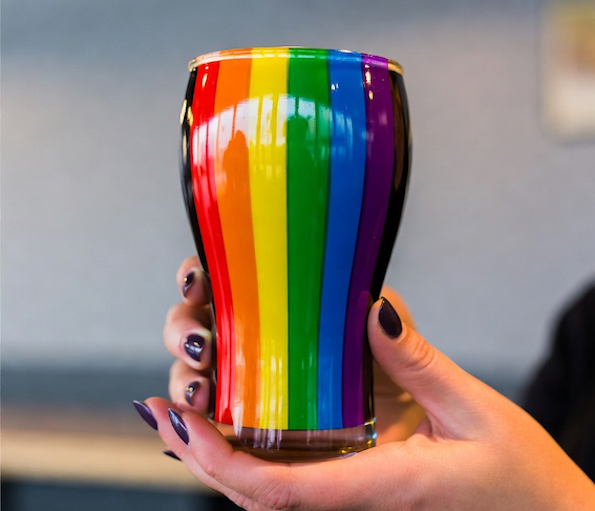
What we celebrate today may also define our health tomorrow. Photo by Gustavo Fring/Pexels.
|
HEMISPHERE ------------------------------------------1234[FEATURE] IMBIBERS BEWARE | |||
Alcohol and Health: The Risks, Benefits and New GuidelinesExploring Scientific Evidence on Alcohol, Disease, and Current RecommendationsBy Estefanía Muriel for Ruta Pantera on 1/30/2026 1:20:55 PM |
||||
| Is that glass of wine at sunset a small refuge or a silent death sentence for your health? In many Latin American households, alcohol has historically been part of celebrations, rituals, and social gatherings. However, modern science is re-examining the relationship between drinking and well-being with a rigor that forces us to rethink myths and realities. With new dietary guidelines and recent studies, it's necessary to separate data from perception and clearly understand at what point consumption ceases to be recreational and becomes a risk.
Alcohol consumption affects the body in many ways, and evidence suggests that even small amounts can increase the risk of serious illnesses. The World Health Organization states that there is no safe level of alcohol consumption for human health, as even moderate amounts can contribute to the development of various types of cancer and other organ damage. New scientific reports and analyses are also influencing dietary guidelines. In the United States, the Dietary Guidelines for 2025-2030 state that drinking less is better for health than drinking more, and recommend that those who do not consume alcohol should not start for health reasons. Risks from the First Drink When thinking about alcohol and health, it's common to talk about "moderate consumption" with somewhat benevolent connotations. However, a recent report from the Mayo Clinic points out that every amount of alcohol carries a real health risk, even at low levels, affecting everything from cancer risk to cardiovascular and liver health. This point is corroborated by findings that link regular consumption with an increased risk of colorectal cancer, especially when consumption exceeds moderate levels, and although some older observational studies suggested heart benefits, more recent evidence shows that these benefits are probably due to lifestyle factors rather than alcohol itself. The WHO's warning that there is no safe threshold for consumption resonates strongly: the risk of cancer, including breast cancer in women, is present even with light or moderate consumption. This statement challenges the widespread notion that a glass of wine a day can be healthy. Perceived Benefits, Questioned Benefits For decades, it has been argued that moderate alcohol consumption—particularly red wine—may be associated with lower risks of heart disease, based on observational studies. However, the CDC reported that the scientific community has questioned these conclusions, as many confounding factors (such as diet and physical activity) may explain these associations more than alcohol itself. A report by the National Academies reviewed scientific evidence on moderate cannabis use and found that, while some studies showed lower overall mortality rates, the evidence is not robust or consistent enough to promote cannabis use as a health strategy. On the other hand, a clear risk of breast cancer was identified even with moderate levels of cannabis use. In Latin America, these discussions take on unique nuances. In countries like Colombia and Mexico, where social celebrations frequently include alcoholic beverages, cultural perceptions of alcohol can hinder the acceptance of scientific evidence suggesting significant risks. In contexts with less access to preventive health services, the impacts of prolonged consumption can be exacerbated, contributing to a burden of disease that extends beyond acute effects such as accidents or poisoning. What do the New Dietary Guidelines Say? Current dietary guidelines, such as those in the United States, are being revised in light of growing evidence about the risks of alcohol. These guidelines maintain traditional recommendations of no more than one drink per day for women and two for men, but experts are reconsidering even these limits, and there are proposals to emphasize that drinking less is always preferable. In this context, many public health agencies suggest that if you don't drink, don't start for health reasons, and if you decide to do so, you should be aware of the risks associated with even low levels of consumption. This change in approach reflects a broader trend in public health: recognizing that individual decisions about alcohol consumption should be based on clear and personalized evidence, considering factors such as health history, genetic predisposition, and social context. |
||||
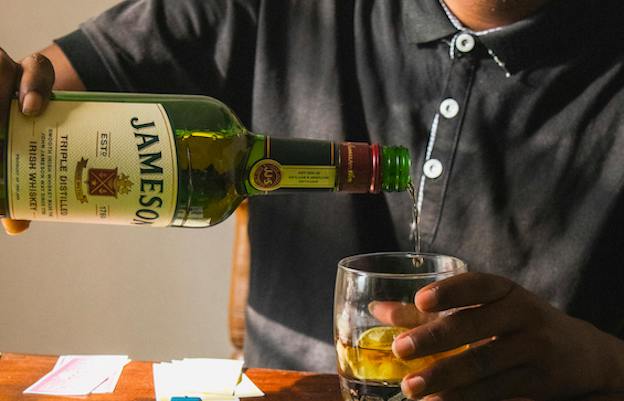
Tradition matters, but scientific evidence also saves lives. Photo by Tre***s Visualz/Pexels. |
A Latin American Perspective
In Latin America, where celebratory and social cultures have integrated alcohol into everyday rituals, new scientific findings invite us to think beyond tradition and confront public health realities with an informed approach. While much of the research comes from studies in high-income countries, the principle that less alcohol is better for your health than more alcohol applies universally. Understanding these risks can help us shift cultural practices toward greater collective well-being, promoting alternative forms of socialization that don't revolve exclusively around alcohol consumption. By integrating scientific knowledge with cultural sensitivity, Latin America has the opportunity to lead health conversations that don't sacrifice tradition for well-being, but rather harmonize them. |
|||

|
|
||||
|---|---|---|---|---|
| |
|
|
|
|
×
|
||||
|
References: World Health Organization. (2023, January 4). No level of alcohol consumption is safe for our health. WHO Regional Office for Europe. https://www.who.int/europe/news-room/04-01-2023-no-level-of-alcohol-consumption-is-safe-for-our-health US Department of Agriculture, & U.S. Department of Health and Human Services. (2020). Dietary Guidelines for Americans, 2020–2025. https://cdn.realfood.gov/DGA.pdf Mayo Clinic Staff. (2024). Alcohol use: Weighing risks and benefits. Mayo Clinic. https://www.mayoclinic.org/healthy-lifestyle/nutrition-and-healthy-eating/in-depth/alcohol/art-20044551 EatingWell Editorial Team. (2024). New study links alcohol habits to colorectal cancer risk. EatingWell. https://www.eatingwell.com/new-study-alcohol-habits-linked-to-colorectal-cancer-11894751 Centers for Disease Control and Prevention. (2024). Moderate alcohol use. CDC. https://www.cdc.gov/alcohol/about-alcohol-use/moderate-alcohol-use.html National Academies of Sciences, Engineering, and Medicine. (2024). New report reviews evidence on moderate alcohol consumption and health impacts. https://www.nationalacademies.org/news/new-report-reviews-evidence-on-moderate-alcohol-consumption-and-health-impacts Rincón, J., Gómez-Restrepo, C., & Rodríguez, M. (2021). Addressing harmful alcohol consumption in primary care in Colombia: Understanding the sociocultural context. Colombian Journal of Psychiatry, 50(2), 123–130. https://www.elsevier.es/es-revista-revista-colombiana-psiquiatria-379-articulo-abordando-el-consumo-nocivo-alcohol-S0034745021000160 |
||||
Please leave a comment about this article: 1234 |
|
| Enter your email address: |
Your email will not be displayed. |
| Your nickname: | |
| Your comment: | |
| Was this article helpful to you? | |
|
|
|
Articles about exciting travel experiences in our hemisphere.

ADVENTURE
Cape Froward, Chile




BEACH & SUN

Welcome to the World’s Largest New Year’s Celebration
For those traveling from North, Central, or South America, New Year's Eve in Rio offers a rich narrative about how a city can transform a universal holiday into a unique celebration, rooted in local traditions and open to the world.

















|
Experiences Finder
(Search our catalog of articles here.) |
|---|