|
Pan American Experiences
|
------- |

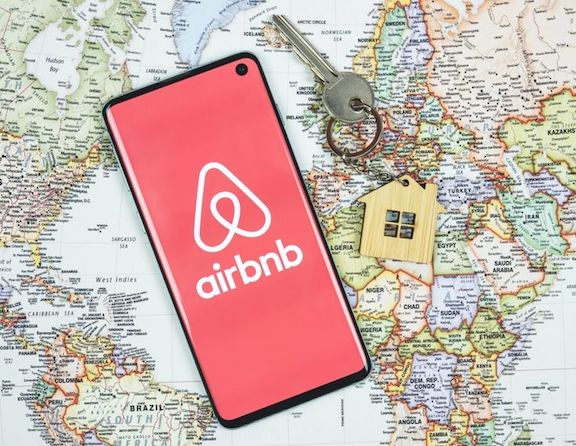
Airbnb has become a major alternative to traditional hotels, with millions of guests choosing short-term rentals around the world. Travelers are often drawn to Airbnb because entire homes can offer more space, kitchens, laundry facilities, and a more residential experience sometimes at a lower cost than booking multiple hotel rooms for families or groups.
An Adventurous Christmas in Patagonia
The Scarlet McCaw's Territory: A Flight Map over the Osa Peninsula |
------------------------------------------1091[TRAVEL+STYLE] | |||
When an Airbnb Stay Goes WrongWho Pays for the Damage?By Jazmin Agudelo for Ruta Pantera on 9/23/2026 10:30:37 AM |
||||
| For millions of travelers, renting an apartment through Airbnb is now an ordinary part of the journey. A kitchen instead of a hotel restaurant, a residential neighborhood instead of a tourist district, and the feeling of temporarily living like a local are among the platform’s greatest attractions. Yet the informality of a short-term rental can conceal a serious question: what happens when something inside that temporary home is damaged? A broken appliance, a stained mattress, a cracked window, or a flooded bathroom may quickly turn a pleasant vacation into a financial dispute. In more serious cases, fire, structural damage, or negligence can create claims worth thousands of dollars. The important point for travelers is that an accident is not necessarily the same as having no responsibility. Guests are generally expected to treat the property carefully, follow house rules, and compensate the host for damage they cause, subject to the applicable terms, evidence, and local law. The Difference Between an Accident and Liability Many guests assume that they are only responsible if they deliberately break something. In reality, responsibility may also arise from careless behavior or misuse. Leaving a cooking appliance unattended, allowing water to overflow, smoking inside a non-smoking property, or ignoring explicit safety instructions can create consequences even when the damage was not intentional. Airbnb’s ground rules require guests to treat homes with care, avoid damage, and follow the host’s rules. Responsibility may also extend to visitors invited by the person who made the reservation. A guest who allows an unauthorized party into an apartment cannot necessarily argue that someone else caused the damage and therefore bears no responsibility. This does not mean that every claim made by a host is automatically valid. Normal wear and tear, pre-existing damage, defective equipment, or problems caused by poor maintenance are different from damage directly attributable to the guest. Establishing that distinction is often the central issue in a dispute. How the Claims Process Works When a host believes a guest has caused damage, the claim generally begins through Airbnb’s Resolution Center. The host may request reimbursement and provide supporting evidence, including photographs, videos, receipts, repair estimates, invoices, or explanations of the incident. According to Airbnb’s Host Damage Protection terms, the guest is the primary party responsible for compensating the host when the guest caused eligible damage. If the guest does not pay, Airbnb’s host protection program may reimburse the host for certain eligible losses, subject to its conditions, exclusions, and documentation requirements. Airbnb describes Host Damage Protection as a guarantee rather than a universal insurance policy, and it does not mean every claimed expense will automatically be covered. For travelers, this distinction matters. A host’s initial demand is not necessarily the final outcome. Guests can respond to the claim, dispute responsibility, question the amount requested, and submit evidence. Communication should remain inside Airbnb’s messaging system whenever possible, creating a written record that can later be reviewed. |
||||
|
Why Photographs Before Check-In Matter One of the simplest forms of protection is also one of the most frequently ignored: documenting the condition of the property upon arrival. A guest should photograph existing stains, damaged furniture, cracked tiles, malfunctioning appliances, broken locks, or anything that appears unusual. These images are particularly useful when the host later alleges that the guest caused damage that was already present. The importance of evidence became especially visible in a 2025 case reported by The Guardian. A London-based academic who rented an apartment in Manhattan was accused by the host of causing more than £12,000 in damage. Airbnb initially sought approximately £5,314 from her. She disputed the claim and argued that some of the photographs submitted by the host appeared digitally manipulated, pointing to inconsistencies in images of the same table. After an appeal and media inquiries, Airbnb reversed its decision, refunded the full cost of her stay, removed the negative review, and apologized. The case illustrates both the importance of challenging questionable evidence and the limits of assuming that an initial platform decision is necessarily definitive. What If the Damage Is a Fire The stakes change dramatically when an incident involves fire, flooding, gas, or major structural destruction. A guest who accidentally causes a kitchen fire could potentially face claims involving repairs, smoke remediation, damaged furniture, emergency services, and even lost booking income. Whether the guest must pay depends on the circumstances. Investigators may examine whether the person followed instructions, used equipment correctly, ignored warnings, or acted negligently. The fact that a fire was unintended does not automatically eliminate liability. Travelers should also avoid assuming that Airbnb’s protection programs function as personal insurance for guests. Airbnb’s AirCover for Hosts includes host damage protection of up to $3 million for certain eligible property damage and separate host liability insurance of up to $1 million for situations in which a host is legally responsible for injuries or property damage affecting guests or others. These are different protections with different purposes, conditions, and exclusions. In other words, the existence of AirCover does not mean a guest can ignore personal travel insurance, liability coverage, or the legal consequences of negligent conduct. The Traveler’s Best Protection Before booking, read the house rules carefully, particularly those involving smoking, candles, cooking equipment, parties, pets, and additional visitors. At check-in, document the property’s condition. During the stay, report leaks, electrical faults, broken appliances, or unsafe conditions immediately rather than attempting improvised repairs. If damage occurs, do not disappear or negotiate privately without documentation. Inform the host through the platform, explain what happened honestly, preserve photographs and receipts, and respond promptly to any formal claim. If the amount is substantial, travelers should consider consulting their own insurer or obtaining legal advice relevant to the country where the incident occurred. An Airbnb may feel like a home, but it remains someone else’s property. The freedom of a short-term rental comes with a responsibility that is easy to overlook: treating the space carefully is not merely good manners. It is a practical way to protect a holiday from becoming an unexpectedly expensive legal and financial problem. |
||||
 Add this article to your favorites
[FOR MEMBERS ONLY]
Add this article to your favorites
[FOR MEMBERS ONLY]
Copy this link to send this article to a friend: [FOR MEMBERS ONLY] |
||||
|
|
||||
|---|---|---|---|---|
| |
|
|
|
|
×
|
||||
|
References: Airbnb. (2026). Host damage protection. Airbnb Help Center. Airbnb Host Damage Protection Airbnb. (2026). Host damage protection terms. Airbnb Legal Terms. Host Damage Protection Terms Airbnb. (2026). Getting protected through AirCover for Hosts. Airbnb Help Center. AirCover for Hosts The Guardian. (2025, August 2). Airbnb guest says images were altered in false £12,000 damage claim. The Guardian case report |
||||
Please leave a comment about this article: 1091 |
|
| Enter your email address: |
Your email will not be displayed. |
| Your nickname: | |
| Your comment: | |
| Was this article helpful to you? | |
|
|
|
Articles about exciting travel experiences in our hemisphere.

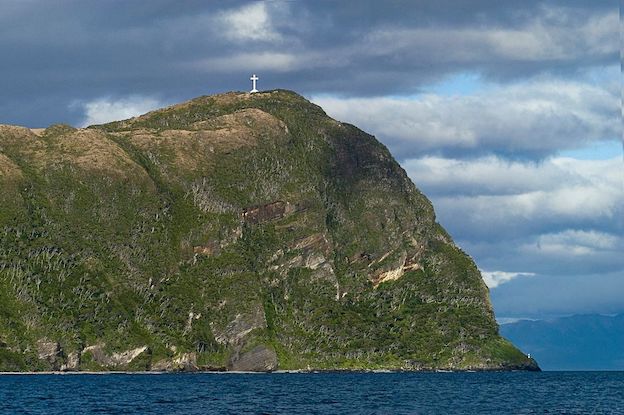
Cape Froward, Chile
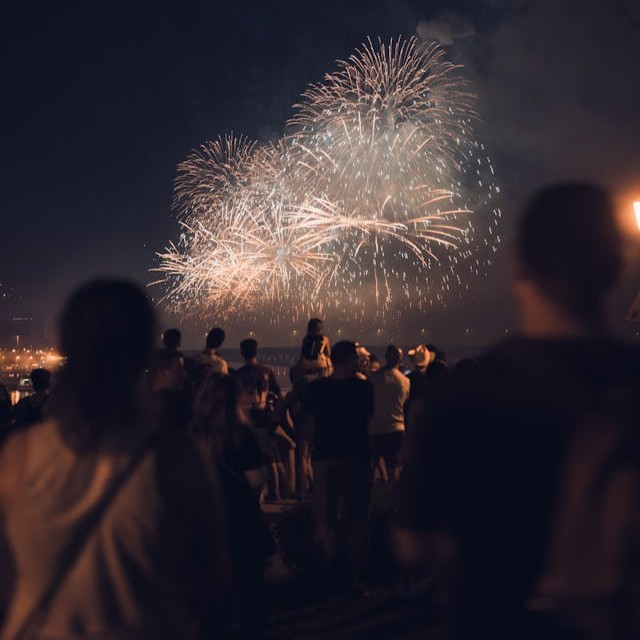

Welcome to the World’s Largest New Year’s Celebration
For those traveling from North, Central, or South America, New Year's Eve in Rio offers a rich narrative about how a city can transform a universal holiday into a unique celebration, rooted in local traditions and open to the world.

















|
Experiences Finder
(Search our catalog of Experiences here.) |
|---|