|
Pan American Experiences
|
------- |

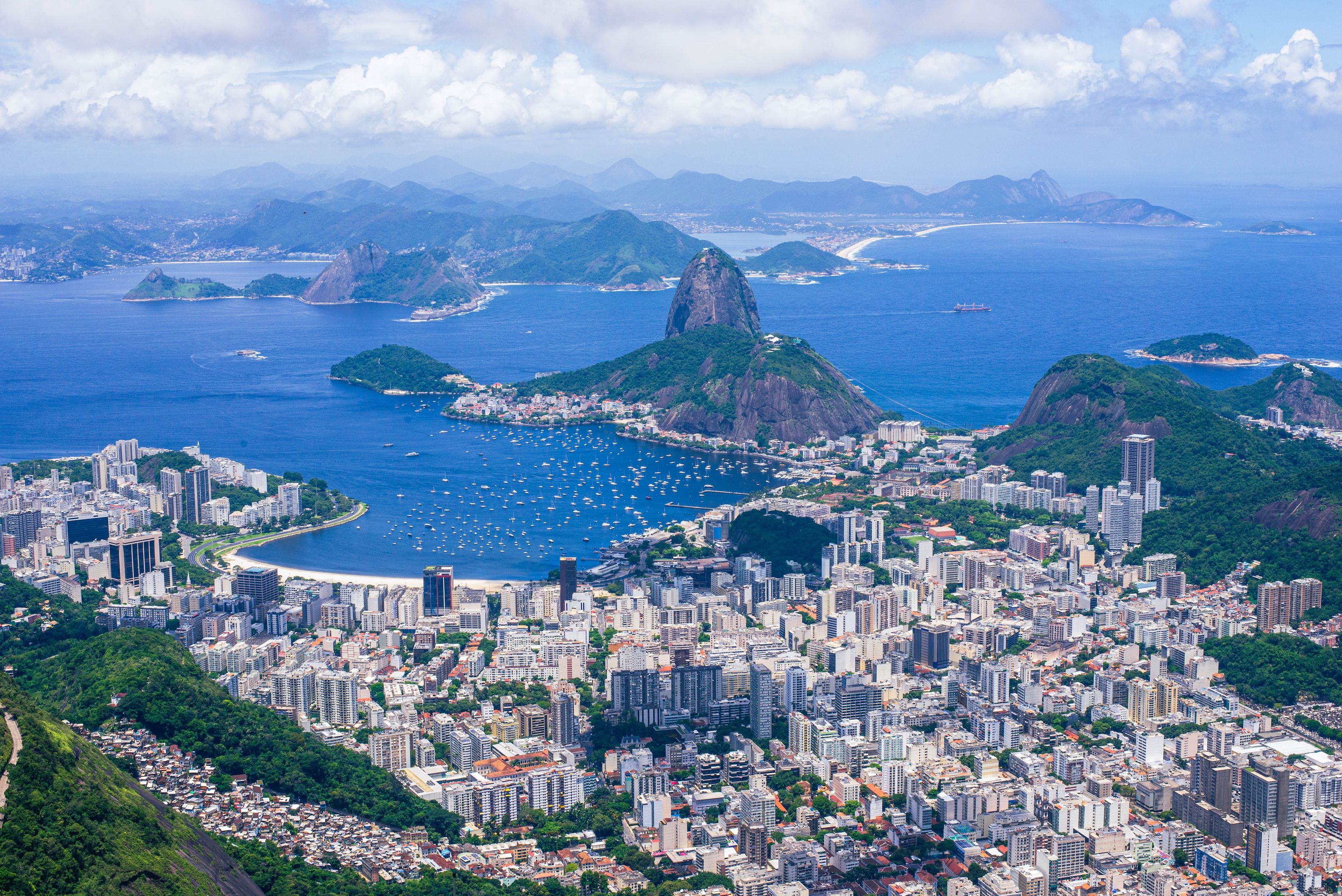
Brazilian fashion moves naturally between the beach and the city, blending Rio de Janeiro’s relaxed coastal style with the creativity and urban energy that define the country’s fashion scene. Foto de Danilo Marcelino/Pexels.
Surf World-Famous Pacific Waves
|
HEMISPHERE ------------------------------------------1081[TRAVEL+CULTURE] | |||
Discover Brazilian Fashion in São Paulo and Rio de JaneiroFrom São Paulo’s Textile Districts to Rio’s Beachwear, Discover how Two Very Different Cities Helped Shape the Way Brazil Dresses.By Jazmin Agudelo for Ruta Pantera on 10/1/2026 11:40:27 AM |
||||
| What does Brazilian fashion look like? The easiest answer would be to point toward a colorful bikini on Ipanema Beach, a pair of Havaianas, or the latest collection presented at São Paulo Fashion Week. But Brazilian fashion is considerably more complicated and more interesting than any of these images suggest. It is a conversation between enormous cities and tropical landscapes, immigrant communities and Afro-Brazilian culture, industrial production and independent craftsmanship, luxury and streetwear, tailoring and beachwear. To understand it, travelers should not look for one Brazilian style. They should travel between São Paulo and Rio de Janeiro and watch how each city tells a different part of the story.
São Paulo is where Brazilian fashion takes on the scale and intensity of a global metropolis. The city is home to São Paulo Fashion Week, whose first edition took place in 1996 and which has become an important platform for established designers and emerging talent. Official Brazilian tourism material describes the event as a major showcase for Brazilian creativity, innovation and cultural diversity. But the fashion experience in São Paulo extends far beyond the runway. It can be found in the city's commercial districts, independent boutiques, design studios, shopping streets and neighborhoods shaped by successive waves of immigration. One of the best places to understand that connection between fashion and urban history is Bom Retiro, in central São Paulo. Today, the neighborhood is recognized for its clothing trade, but its identity was built through several waves of immigration. Italians, Jewish communities from Eastern Europe, Portuguese, Syrians and Lebanese, and later South Korean immigrants all contributed to the area's commercial and cultural development. The municipal government describes Bom Retiro as a neighborhood whose history is closely connected to textiles, clothing, commerce and immigration. That history makes shopping here a cultural experience as much as a retail one. São Paulo: Fashion, Immigration and Urban Commerce Walking along Rua José Paulino offers a particularly different perspective on fashion from the one provided by a luxury runway. The street and surrounding area developed as an important clothing center, with hundreds of clothing and accessory stores and a mixture of wholesale and retail businesses. The district's fashion economy grew alongside the communities that established workshops, stores and manufacturing networks there. For travelers interested in how clothes actually move from design and production to the consumer, Bom Retiro offers an opportunity to see a much less polished but arguably more revealing side of Brazilian fashion. The neighborhood also illustrates something essential about Brazilian style: it is deeply connected to migration. Fashion does not emerge in isolation. Fabrics, techniques, business models, tastes and commercial traditions travel with people. In Bom Retiro, successive immigrant communities transformed the neighborhood while leaving their own cultural marks on its clothing industry. South Korean immigration, in particular, played an important role in the development of the contemporary garment trade. The result is a fashion district that is Brazilian precisely because it has never been culturally uniform. From there, the traveler can move toward the more polished world of São Paulo's design scene. Areas such as Jardins offer another side of the city's fashion identity, with designer boutiques and luxury brands, while streets such as Oscar Freire have long been associated with high-end shopping. The contrast with Bom Retiro is useful: one city can contain fashion factories, wholesale markets, independent labels, luxury retail and experimental design within a relatively short distance. A traveler who visits only the glamorous side sees the finished product; someone who explores both sides gets a better sense of the ecosystem behind it. São Paulo Fashion Week and the Evolution of Brazilian Design São Paulo's importance to Brazilian fashion is also visible through its fashion week. São Paulo Fashion Week has developed from a runway event into a broader platform for discussions around creativity, innovation, sustainability and the future of the industry. This matters because Brazilian fashion has increasingly used clothing to discuss questions beyond aesthetics: identity, environmental responsibility, cultural heritage and the relationship between local creativity and the international market. Then comes Rio de Janeiro, where fashion behaves differently because the city itself behaves differently. In Rio, clothing is inseparable from landscape. The relationship between body, beach, sun, music and urban life has created an aesthetic that is instantly recognizable around the world. The city's beaches particularly Copacabana and Ipanema are not simply recreational spaces; they are public stages where people socialize, exercise, relax and express themselves through clothing. Official tourism material describes Rio's coastline as a central part of the city's identity and emphasizes the emotional relationship residents and visitors have with its beaches. This is where Brazilian beachwear becomes much more than a category of clothing. The bikini, swimsuit, lightweight shirt, sandals and relaxed tailoring associated with Rio reflect a particular relationship with climate and public space. Clothes need to move easily between beach, street, café, restaurant and nightlife. The result is a fashion language that can appear casual while still being highly considered. Rio's influence on beachwear has helped turn the city into a reference point for designers and brands working far beyond Brazil. Contemporary tourism material from Rio itself highlights beachwear and the city's broader fashion identity as part of its creative economy. |
||||
|
Rio de Janeiro: Beachwear, Music and Cultural Identity
But Rio's fashion story does not begin and end with swimwear. The city has also developed a powerful relationship between fashion, music and popular culture. Samba, Carnival and Afro-Brazilian heritage have influenced colors, silhouettes, costume design and craftsmanship, while the city's neighborhoods have generated their own forms of street style. The connection becomes especially visible during Carnival, when costume designers, artisans, performers and samba schools transform fashion into an enormous collective production. Brazil's official tourism platform specifically highlights the work of costume designers, art directors, dancers and artisans within Rio's samba-school culture. A visit to Rio can therefore reveal a different meaning of fashion. In São Paulo, clothing often communicates the energy of a major commercial and creative capital. In Rio, it can communicate movement, leisure, sensuality, music and an almost instinctive relationship with the outdoors. Neither definition is complete by itself. Together, they show why Brazilian fashion has such a distinctive presence internationally. The differences between the two cities become especially interesting when looking at individual designers and brands. Rio has produced fashion identities strongly associated with relaxed sophistication, tropical references and beach culture. The city's contemporary fashion history includes names such as Lenny Niemeyer, whose work helped elevate Brazilian beachwear into a more sophisticated design language, as well as brands such as Osklen and Farm, which developed recognizable relationships with Brazilian lifestyle and cultural imagery. Local tourism sources describe these brands as examples of the city's capacity to turn its own way of life into fashion. Two Cities, Many Brazils São Paulo, meanwhile, has provided an environment where fashion can interact with a much broader industrial and cultural infrastructure. Its designers operate within a city that combines manufacturing, retail, advertising, art, architecture, music, technology and a huge consumer market. That density helps explain why São Paulo Fashion Week became such an important platform for the national industry. Fashion here can be experimental, conceptual, minimalist, commercial or deliberately political, often within the same urban landscape. For travelers, this difference creates an unusually good fashion itinerary. In São Paulo, start with Bom Retiro to understand the commercial and manufacturing side of clothing. Continue through the city's design and luxury districts to see how Brazilian labels position themselves today. If the timing works, a São Paulo Fashion Week event can add another dimension, particularly for travelers interested in emerging designers and the relationship between Brazilian fashion and global trends. The city's tourism authorities also provide guided routes through central neighborhoods, including Bom Retiro, making it possible to explore the district through its history rather than simply arriving to shop. In Rio, the itinerary should slow down. Walk through Ipanema and Copacabana and observe how people actually dress rather than looking only at storefront displays. Explore independent labels and local designers, then pay attention to the relationship between fashion and the city's cultural traditions. During Carnival season, the connection between clothing, performance and craftsmanship becomes particularly visible. The objective is not simply to buy something that looks “Brazilian,” but to understand why certain styles developed here in the first place. Fashion Tourism Beyond Souvenirs This distinction is important for responsible fashion tourism. Brazil's fashion industry is enormous and diverse, and a visitor cannot understand its complexity simply by purchasing a garment with a tropical print. Travelers should ask where a piece was made, who designed it, what materials were used and whether the brand provides information about its production. Visiting independent designers, buying directly from local makers and learning about the story behind a garment can make fashion part of a deeper cultural journey rather than another form of souvenir shopping. There is also a sustainability conversation worth having. Fashion's environmental impact has made questions about materials, production, durability and consumption increasingly important worldwide. São Paulo Fashion Week has incorporated sustainability and innovation into its broader programming, reflecting the industry's changing concerns. For travelers, this creates an opportunity to think differently about shopping: instead of filling a suitcase with disposable trends, look for pieces that have a connection to Brazilian design and that can remain part of a wardrobe long after the trip ends. Brazilian fashion also challenges the idea that global fashion must come from a small group of traditional European or North American capitals. São Paulo and Rio demonstrate that fashion can emerge from a completely different combination of climate, culture, history, migration and urban life. Brazilian designers do not need to reproduce Paris, Milan or New York to participate in the international fashion conversation. Their strongest ideas often come from the places around them. From Garments to Cultural Stories For a traveler, perhaps the most interesting souvenir is therefore not a particular garment but a new way of looking at clothing. In São Paulo, a shirt can lead to a story about immigration, manufacturing and urban commerce. In Rio, a swimsuit can open a conversation about beach culture, body politics, design and the transformation of leisure into a global aesthetic. A Carnival costume can reveal generations of craftsmanship and Afro-Brazilian cultural influence. Even a simple pair of sandals can become a reminder of how Brazilian brands transformed everyday objects into recognizable elements of international style. The journey between São Paulo and Rio ultimately reveals two complementary versions of Brazilian fashion. One is shaped by the density of the metropolis, by industry, immigration, commerce and experimental design. The other is shaped by the ocean, music, outdoor life, Carnival and the relaxed sophistication of carioca culture. Together, they offer something more valuable than a list of stores or trends: a way to understand how fashion becomes a reflection of place. To discover Brazilian fashion, then, do not simply ask what Brazilians are wearing. Ask why they are wearing it, where it came from, who made it and what cultural history it carries. Start among the textile streets of Bom Retiro, continue through São Paulo's design world, then follow the road to Rio and watch how the relationship between clothing and the beach changes the conversation. Somewhere between a crowded São Paulo street and the sand of Ipanema, Brazilian fashion stops being a trend and becomes what it has always been at its most interesting: a language for telling the story of a country. |
||||
 Add this article to your favorites
[FOR MEMBERS ONLY]
Add this article to your favorites
[FOR MEMBERS ONLY]
Copy this link to send this article to a friend: [FOR MEMBERS ONLY] |
||||
|
|
||||
|---|---|---|---|---|
| |
|
|
|
|
×
|
||||
|
References: Prefeitura de São Paulo. (2023, May 8). Prefeitura anuncia novo passeio guiado pelo Bom Retiro para celebrar o Dia Nacional do Turismo. https://prefeitura.sp.gov.br/noticia/prefeitura-anuncia-novo-roteiro-guiado-para-celebrar-o-dia-nacional-de-turismo Prefeitura de São Paulo. (2020, April 29). Bom Retiro: comércio e cultura. Subprefeitura Sé. https://prefeitura.sp.gov.br/web/se/w/noticias/104878 Visit Brasil. (n.d.). São Paulo Fashion Week — The epicenter of Brazilian fashion. https://www.visitbrasil.com/en/festivity/sao-paulo-fashion-week-en/ Visit Brasil. (n.d.). Rio de Janeiro. https://www.visitbrasil.com/en/location/rio-de-janeiro-en/ Visit Rio. (2026, April 8). Do Rio para o mundo: tendências que nasceram na Cidade Maravilhosa. https://visitrio.com.br/tag/rio-fashion-week/ Governo do Estado do Rio de Janeiro. (n.d.). Praias. Portal Turismo Rio de Janeiro. https://www.turismo.rj.gov.br/motivos/praias/ Prefeitura da Cidade do Rio de Janeiro. (2010, May 31). Guia Rio Capital da Moda reúne roteiro de compras. https://www.rio.rj.gov.br/web/guest/exibeconteudo?id=843215 |
||||
Please leave a comment about this article: 1081 |
|
| Enter your email address: |
Your email will not be displayed. |
| Your nickname: | |
| Your comment: | |
| Was this article helpful to you? | |
|
|
|
Articles about exciting travel experiences in our hemisphere.

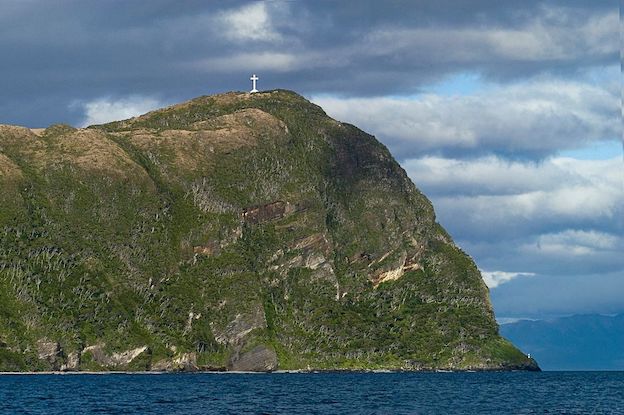
Cape Froward, Chile

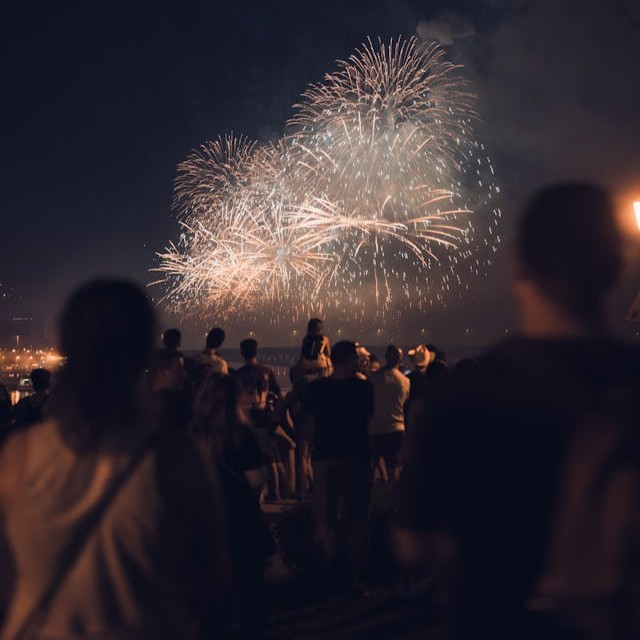

Welcome to the World’s Largest New Year’s Celebration
For those traveling from North, Central, or South America, New Year's Eve in Rio offers a rich narrative about how a city can transform a universal holiday into a unique celebration, rooted in local traditions and open to the world.












|
Experiences Finder
(Search our catalog of Experiences here.) |
|---|