|
Pan American Experiences
|
------- |

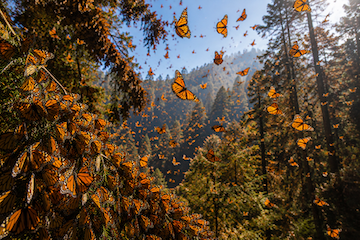
Millions of monarch butterflies transform the mist-covered forests of Mexico into one of nature’s most extraordinary migrations.
Alcohol and Health: The Risks, Benefits and New Guidelines
The Rubber Tree: Indigenous Knowledge, Industrial Dreams, and the Ruins of Fordlandia
|
HEMISPHERE ------------------------------------------1068[TRAVEL+NATURE] | |||
Monarch Butterflies: The Migration That Ends In A Forest Of WingsEvery Winter, The Mountains Of Central Mexico Begin To Change Color.By Marbel Montoya for Ruta Pantera on 10/7/2026 11:40:27 AM |
||||
| at first, the transformation is subtle. A few orange wings drift across forest trails lined with pine needles and damp volcanic soil. Butterflies appear briefly between the trees and disappear again into the morning fog. Visitors arriving at the high-altitude sanctuaries in Michoacán often notice the cold before anything else — thin mountain air, the smell of wet wood, smoke rising from nearby villages where coffee and sweet bread are sold before sunrise. Then the forest opens. Entire oyamel fir trees appear covered in orange and black, their branches bending beneath the weight of millions of monarch butterflies clustered together for warmth. At first it hardly looks real. The butterflies remain so still that they resemble leaves or bark pressed against the trunks. Only when sunlight begins filtering through the canopy does the illusion break apart. Suddenly the trees lift into the air. Millions of monarchs detach themselves from the branches at once, swirling through shafts of mountain light in slow-moving clouds of orange. The sound is delicate but constant — thousands of wings brushing softly together like dry paper moving in the wind. People instinctively lower their voices inside the sanctuaries, partly out of respect and partly because silence allows the forest itself to emerge: distant birds hidden in the pines, branches cracking under winter frost, the steady movement of butterflies overhead. The monarch migration is one of the most remarkable natural movements in the world. Every year, butterflies travel across Canada, the United States, and Mexico following routes scientists still do not fully understand. No single butterfly completes the entire multi-generational cycle. The monarchs arriving in Mexico each winter belong to a “super generation” capable of living several months longer than summer monarchs, allowing them to migrate thousands of miles south toward the volcanic mountains of central Mexico. Yet standing inside the colony, the migration feels less scientific than emotional. For many communities surrounding the Monarch Butterfly Biosphere Reserve, the arrival of the butterflies overlaps with Día de Muertos traditions. Some Mazahua and Otomí communities have long associated monarchs with the returning souls of ancestors, arriving from the north just as candles and marigold altars begin appearing across towns and villages. Even today, local guides often speak about the butterflies with a quiet reverence rather than simple ecological fascination. Tourism inside the sanctuaries has become an important part of the regional economy, particularly during the migration season between late November and early March. January and February are often considered the best months to visit, when the colonies reach their largest concentrations and warmer midday temperatures trigger the most dramatic flights through the forest canopy. |
||||
|
Most visitors access the reserves from Morelia or Mexico City before traveling by road toward sanctuaries such as El Rosario or Sierra Chincua. The experience itself remains intentionally low-impact. Visitors usually continue on foot or horseback along mountain trails leading into the forests, guided by local residents who know how to navigate the terrain without disturbing the colonies. That protection has become increasingly important. Across North America, monarch populations have faced mounting pressure from habitat loss, pesticide use, and climate instability. In the United States and Canada, the disappearance of milkweed — the only plant where monarchs lay eggs — has reduced breeding habitat across agricultural regions. In Mexico, changing winter conditions and stronger storms threaten the cold, humid microclimate the butterflies depend on for survival inside the oyamel forests. Those changes are visible even to local communities. Some guides point toward damaged sections of forest where severe weather has altered the canopy. Others describe migration seasons arriving differently than they once did. The fragility of the phenomenon becomes impossible to ignore when standing beneath millions of living creatures depending entirely on a specific forest remaining intact. Still, each winter, the monarchs continue arriving. By midday, sunlight warms the mountain air enough for entire sections of the sanctuary to begin moving at once. Butterflies drift across trails, settle briefly on backpacks and tree trunks, and rise again toward the canopy in enormous spirals of orange and black. Visitors often stop taking photographs after a while. The experience becomes difficult to frame properly because the migration is not confined to one tree or one moment. It exists in the atmosphere of the forest itself. Long after leaving the mountains of Michoacán, many travelers remember the same sensation most clearly: the moment the forest no longer seemed made of trees alone, but of wings. |
||||
 Add this article to your favorites
[FOR MEMBERS ONLY]
Add this article to your favorites
[FOR MEMBERS ONLY]
Copy this link to send this article to a friend: [FOR MEMBERS ONLY] |
||||

|
|
||||
|---|---|---|---|---|
| |
|
|
|
|
×
|
||||
Please leave a comment about this article: 1068 |
|
| Enter your email address: |
Your email will not be displayed. |
| Your nickname: | |
| Your comment: | |
| Was this article helpful to you? | |
|
|
|
Articles about exciting travel experiences in our hemisphere.
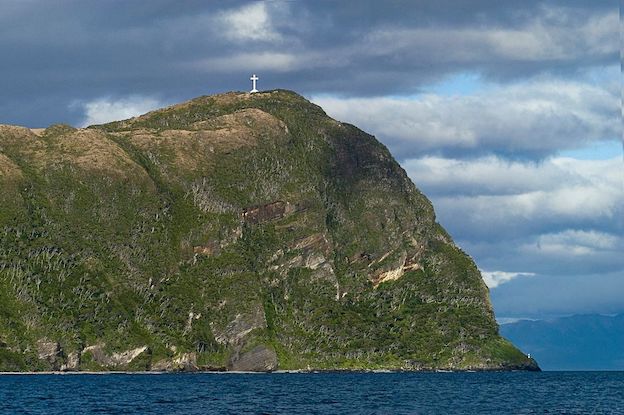
Cape Froward, Chile

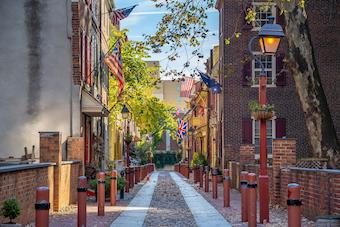
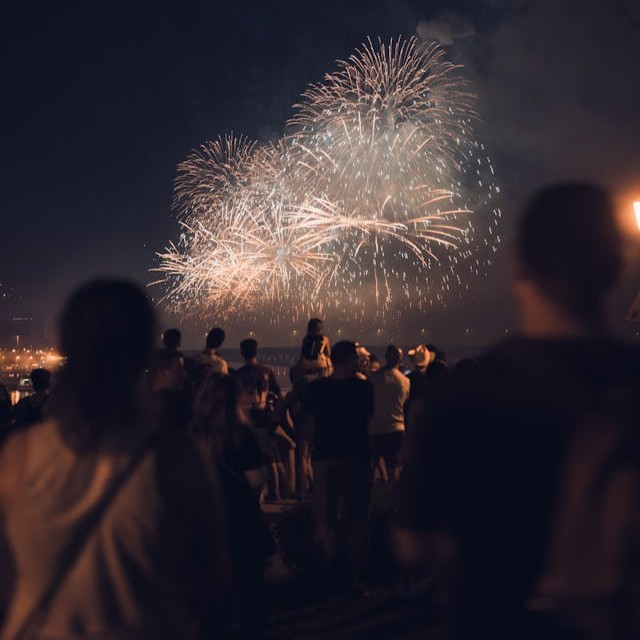

Welcome to the World’s Largest New Year’s Celebration
For those traveling from North, Central, or South America, New Year's Eve in Rio offers a rich narrative about how a city can transform a universal holiday into a unique celebration, rooted in local traditions and open to the world.











|
Experiences Finder
(Search our catalog of Experiences here.) |
|---|