|
Pan American Experiences
|
------- |

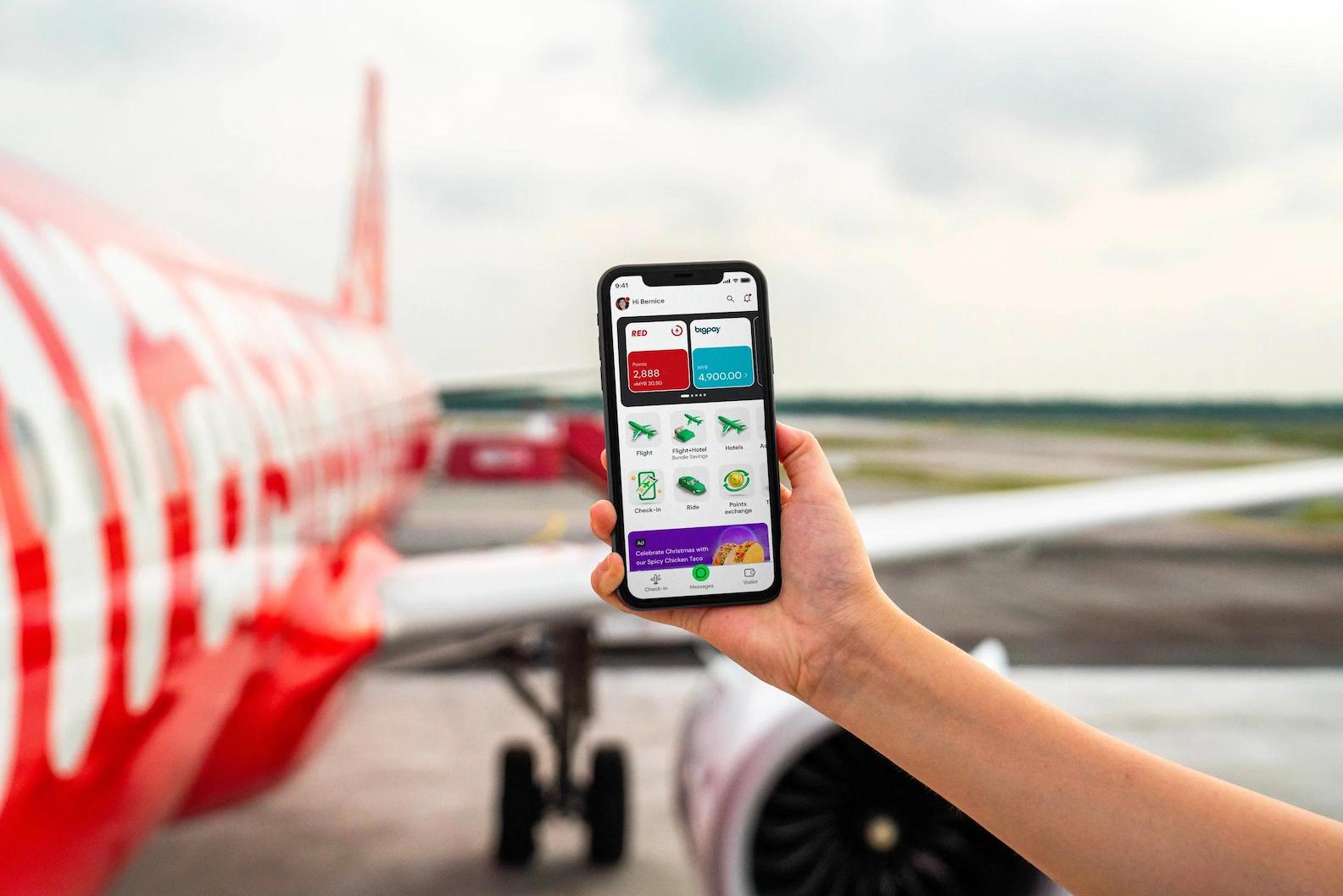
Membership programs increasingly combine digital platforms, loyalty rewards and exclusive travel benefits.
The Hemisphere Trump Doesn’t See
A Century of Jaguar Photography: How the Images Changed as the Animal's Territory Shrank |
------------------------------------------1066[COLUMN] | |||
Travel Is Becoming a SubscriptionThat Should Worry Us.By Jazmin Agudelo for Ruta Pantera on 9/22/2026 11:40:27 AM |
||||
| There was a time when planning a trip meant deciding where to go, how much to spend, and whether the experience was worth the journey. Today, travelers are increasingly being asked to make a different decision first: whether they would like to pay for the privilege of accessing travel itself. Membership clubs, premium booking platforms, hotel subscriptions, vacation programs, airline packages, and “exclusive” travel communities have turned the tourism industry into another frontier of the subscription economy. The promise is familiar: pay a recurring fee and receive better prices, special access, upgrades, flexibility, or experiences unavailable to everyone else. It sounds efficient. It sounds modern. It also deserves considerably more scrutiny than it receives. The problem is not that travel companies charge for additional services. Convenience has value, and frequent travelers may reasonably choose to pay for it. The problem is the increasingly persuasive suggestion that responsible, intelligent, or sophisticated travelers should belong to something. The membership is presented not as an optional commercial product, but as a gateway to smarter consumption. Those who join are told they will save money, travel more often, and gain access to a better version of the world. Those who do not are subtly positioned as people who are still paying retail, still missing opportunities, and still planning travel the old-fashioned way. This is a remarkably effective sales strategy because travel is an industry built on aspiration. People do not merely purchase hotel rooms or airline tickets; they purchase the possibility of becoming someone else for a few days. A membership can attach itself to that aspiration by offering the reassuring idea that the future traveler is already being prepared for. The monthly payment becomes a small ritual of anticipated freedom. The trip may not exist yet, the destination may not have been chosen, and the budget may not even be secure, but the subscription creates the comforting feeling that travel is already underway. Of course, anticipation is not the same as value. The central financial question is brutally simple: would the traveler have made the same purchases without the membership? If the answer is no, then a discount may not represent a saving at all. It may simply encourage consumption that would otherwise never have happened. A hotel club charging an annual fee can be useful to someone who regularly books accommodation. For someone who takes one modest vacation a year, however, the membership may become an expensive accessory to a lifestyle that exists mostly in advertising. This distinction is frequently obscured by the language of percentages. “Save up to 30 percent” is not the same as saving 30 percent on the trip a person actually wants to take. “Exclusive rates” do not necessarily mean the lowest available rates. “Free benefits” may be attached to conditions, limited dates, minimum stays, non-refundable bookings, or availability restrictions. The headline is immediate; the terms and conditions are patient. And in travel, where prices fluctuate constantly, comparing a promotional rate with a standard rate on a single day can create the illusion of a bargain that disappears when the full annual cost is considered. There is also a psychological cost to recurring travel payments that deserves more attention. Once people pay for a membership, they may feel compelled to use it, even when the trip is inconvenient, unnecessary, or poorly timed. The subscription changes the logic of decision-making. Instead of asking, “Do I want to travel here?” the consumer begins asking, “How can I make sure I use what I have already paid for?” This is the same logic that keeps people attending gyms they dislike, maintaining streaming services they barely watch, or renewing software they rarely open. In travel, however, the consequences can be more expensive. A supposedly discounted weekend can still involve flights, meals, transportation, insurance, and lost income. The industry’s embrace of subscription culture also raises questions about what travel is becoming. Tourism has always contained commercial incentives, but the membership model encourages travelers to think of destinations as inventories of benefits rather than places with distinct histories, communities, and rhythms. The goal becomes maximizing the value of the platform. The hotel is selected because it qualifies for an upgrade. The destination is chosen because it appears in the club’s catalog. The booking is made because a benefit is about to expire. A trip that should emerge from curiosity can instead emerge from a dashboard. This does not make every membership exploitative, nor does it mean travelers should avoid loyalty programs or paid services. A frequent business traveler may save substantially through a well-designed program. A family that returns to the same destination every year may appreciate predictable benefits. Someone who flies regularly may value priority services enough to justify the cost. But these are cases in which the product responds to established behavior. The danger appears when the product persuades people to spend more in order to justify belonging to it. For travelers with limited budgets, the issue is even more important. A recurring payment can look harmless precisely because it is small. Yet a collection of memberships can quietly consume money that would otherwise fund a real trip. A person paying several monthly fees for travel platforms may believe they are being financially disciplined while postponing the more basic task of building an actual travel fund. The irony is difficult to ignore: the industry can sell people the feeling of preparing to travel while making it harder for them to afford travel itself. The answer is not to romanticize independent travel or pretend that every direct booking is automatically superior. It is to restore a more honest relationship between price and value. Travelers should calculate the complete annual cost of a membership, compare identical or equivalent bookings outside the platform, examine cancellation rules, check blackout dates, and ask whether the benefits correspond to their real habits. They should also consider whether the same money would be more useful in a flexible savings account. A travel fund does not promise exclusive access, but it has one considerable advantage: it belongs entirely to the traveler. |
||||
|
Perhaps the most revealing question is not whether a membership can save money, but whether it changes the way people understand freedom. Travel has traditionally represented an escape from routine. Subscriptions, by contrast, depend on routine: recurring payments, recurring renewals, recurring engagement. The industry is attempting to reconcile these two impulses by selling freedom through obligation. That contradiction should not automatically disqualify the model, but it should make consumers more alert. The future of travel may well include more memberships, more personalized platforms, and more paid layers of access. Some will be useful. Others will be forgettable. A few may become essential for particular types of travelers. But the expansion of the model should not be confused with proof of its value. A service does not become worthwhile merely because it is fashionable, digital, or marketed as exclusive. The best travel decision is still the one that leaves the traveler with more freedom, not fewer choices. If a membership genuinely reduces the cost of trips already planned, it can be a practical tool. If it encourages unnecessary spending, restricts flexibility, or turns the desire to travel into another permanent financial obligation, it deserves skepticism. In a world where everything from entertainment to groceries is becoming a subscription, perhaps the most radical travel luxury is becoming increasingly simple: paying only for the journey you actually want to take. |
||||
 Add this article to your favorites
[FOR MEMBERS ONLY]
Add this article to your favorites
[FOR MEMBERS ONLY]
Copy this link to send this article to a friend: [FOR MEMBERS ONLY] |
||||
|
|
||||
|---|---|---|---|---|
| |
|
|
|
|
×
|
||||
Please leave a comment about this article: 1066 |
|
| Enter your email address: |
Your email will not be displayed. |
| Your nickname: | |
| Your comment: | |
| Was this article helpful to you? | |
|
|
|
Articles about exciting travel experiences in our hemisphere.


Cape Froward, Chile



Welcome to the World’s Largest New Year’s Celebration
For those traveling from North, Central, or South America, New Year's Eve in Rio offers a rich narrative about how a city can transform a universal holiday into a unique celebration, rooted in local traditions and open to the world.




















|
Experiences Finder
(Search our catalog of Experiences here.) |
|---|