|
Pan American Experiences
|
------- |

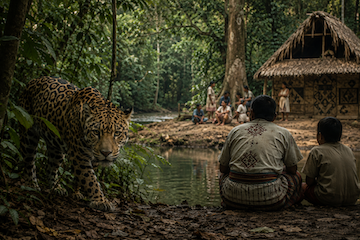
For thousands of years, jaguars and Indigenous communities have shared the forests, rivers, and wetlands of the Americas, shaping a relationship rooted not in ownership, but in coexistence, knowledge, and respect for the land.
|
HEMISPHERE ------------------------------------------1058[TRAVEL+NATURE] | |||
The Jaguar Does Not Belong to Conservation. It Belongs to the People Who Have Lived With It for Two Thousand YearsBy Marbel Montoya for Ruta Pantera on 10/7/2026 11:36:15 AM |
||||
| The jaguar appeared long before anyone called it endangered. Long before protected areas, conservation plans, wildlife corridors, or camera traps. Long before scientists began estimating populations or mapping habitat fragmentation. Long before governments drew borders across forests and rivers. The jaguar was already here. And so were the people who lived alongside it. At dawn in the forests of the Maya Biosphere Reserve in Guatemala, the jungle wakes gradually. Spider monkeys move through the canopy. Toucans cross the pale morning sky. Somewhere beyond the ceiba trees, hidden beneath layers of leaves and shadow, a jaguar may be walking a trail used for generations—not only by wildlife, but by hunters, farmers, herbalists, and families whose relationship with the forest extends further back than written history. For many outsiders, the jaguar is often presented as a conservation symbol. A flagship species. A top predator. An indicator of ecosystem health. All of these descriptions are true. But they are also incomplete. Because for thousands of years, the jaguar has been something else. A neighbor. Across the Americas, Indigenous communities developed relationships with jaguars long before biologists arrived to study them. In different regions, the animal appears in stories, ceremonies, pottery, textiles, songs, architecture, and place names. It was never viewed simply as wildlife. It occupied a space between animal, territory, and identity. Among the Maya, jaguars were associated with power, night, and the movement between worlds. In parts of the Amazon, many Indigenous communities continue telling stories in which jaguars are not separate from people, but participants in the same living landscape. Across large portions of South America, oral traditions describe the animal as a guardian, an ancestor, a rival, or a being possessing knowledge humans can never fully access. The details vary. The relationship does not. In a community near the edge of the Brazilian Amazon, an elder named Antônio sits beneath the shade of a wooden shelter overlooking the river. The conversation drifts naturally between fishing conditions, rainfall patterns, fruiting trees, and wildlife sightings. Eventually someone asks about jaguars. He shrugs slightly. The response is simple. “Of course they're here.” The answer carries no excitement. No surprise. Only familiarity. For people who grow up in these landscapes, jaguars are not extraordinary because they exist. They are extraordinary because they remain difficult to see. Their presence is often understood through tracks beside rivers, sounds heard at night, stories exchanged between neighbors, or observations accumulated over years of living in the same place. Knowledge arrives through attention. Not through distance. This distinction matters. Many conservation narratives begin with the assumption that wildlife must be protected from people. In some cases, that is undeniably true. Habitat destruction, illegal hunting, mining, and infrastructure expansion continue threatening jaguar populations throughout much of Latin America. Yet another reality exists alongside that story. Many of the landscapes where jaguars continue surviving today are places where Indigenous peoples and local communities have maintained long-standing relationships with the land. The jaguar persists not in the absence of human presence, but often because certain forms of human presence never disappeared. Travel through Indigenous territories in the Amazon, the forests of southern Mexico, the wetlands of the Pantanal, or parts of Central America, and a different understanding of conservation begins to emerge. The conversation is rarely limited to jaguars. People talk about rivers. Fishing grounds. Medicinal plants. Flood cycles. Sacred sites. Seasonal movements of animals. The jaguar exists within that larger system. Protecting the animal often means protecting everything else that allows life to function. The territory comes first. The jaguar follows. |
||||
|
This perspective becomes especially visible in places where traditional ecological knowledge remains active. Hunters know which trails animals use during different seasons. Elders remember how river levels influence wildlife movement. Farmers recognize which fruiting trees attract prey species and, indirectly, the predators that follow them. None of this knowledge exists in isolation. It forms part of a continuous relationship between people and landscape. One evening in the Pantanal, a boat drifts quietly along a narrow channel lined with gallery forest. The guide, born and raised in the region, points toward a muddy riverbank. At first, there is nothing to see. Then the tracks become visible. Large. Fresh. Moving toward the water. The guide does not describe them using scientific terminology. He talks about where the animal might be heading, how long ago it passed, what fish are currently abundant nearby, and how recent rainfall has changed movement patterns. The jaguar becomes part of a story much larger than itself. A story about place. This may be why the future of the jaguar cannot be understood through biology alone. Population estimates matter. Protected areas matter. Scientific research matters. But the animal's survival is also tied to something less easily measured: whether the relationships between people, territory, and knowledge remain intact. For more than two thousand years, communities across the Americas have developed ways of understanding landscapes where jaguars live. Some of those relationships have changed. Others remain remarkably resilient. And perhaps that is the lesson hidden beneath many of the forests, wetlands, and rivers where jaguars still roam. The animal does not belong solely to conservation organizations, governments, researchers, or wildlife photographers. It never did. The jaguar belongs to the living landscapes that shaped it. And to the people who learned, generation after generation, how to share those landscapes with a creature powerful enough to inspire both caution and respect. As darkness settles over the forest, the sounds of the day begin to fade. Insects replace birds. The air cools slightly. Somewhere beyond the trees, invisible in the gathering night, a jaguar moves through territory it has crossed countless times before. The forest knows it is there. So do the people. And for thousands of years, that knowledge has been enough. |
||||
 Add this article to your favorites
[FOR MEMBERS ONLY]
Add this article to your favorites
[FOR MEMBERS ONLY]
Copy this link to send this article to a friend: [FOR MEMBERS ONLY] |
||||
|
|
||||
|---|---|---|---|---|
| |
|
|
|
|
×
|
||||
Please leave a comment about this article: 1058 |
|
| Enter your email address: |
Your email will not be displayed. |
| Your nickname: | |
| Your comment: | |
| Was this article helpful to you? | |
|
|
|
Articles about exciting travel experiences in our hemisphere.
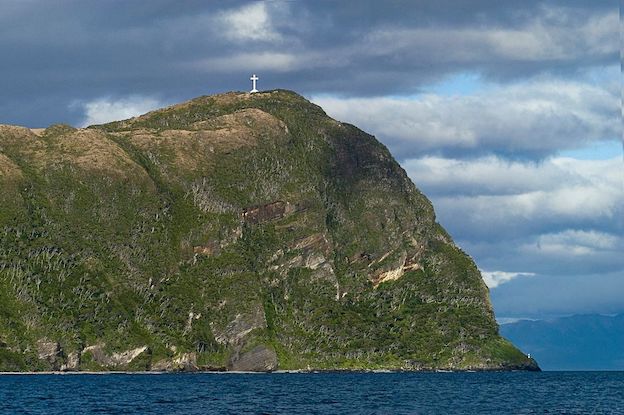
Cape Froward, Chile
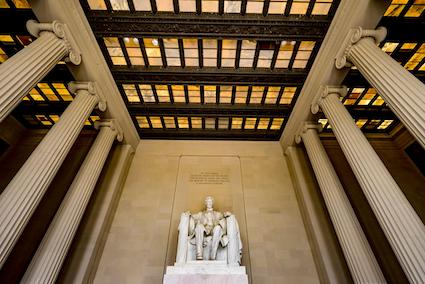


Welcome to the World’s Largest New Year’s Celebration
For those traveling from North, Central, or South America, New Year's Eve in Rio offers a rich narrative about how a city can transform a universal holiday into a unique celebration, rooted in local traditions and open to the world.




|
Experiences Finder
(Search our catalog of Experiences here.) |
|---|