|
Pan American Experiences
|
------- |

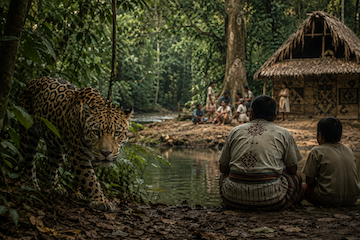
A jaguar in its natural habitat, representing the ecological importance and cultural heritage associated with the species across the Americas.
Travel Tips for Women: How to Recognize and Deal with a "Red Pill" Fanatic
The Changing Landscape of Security in the Pan-American Hemisphere. |
HEMISPHERE ------------------------------------------1058[TRAVEL+NATURE] | |||
The Jaguar and the Peoples Who Have Lived Alongside ItThe Relationship Between Jaguars, Indigenous Peoples, and Their Territories Is Essential to Understanding Conservation Across the Americas.By Marbel Montoya for Ruta Pantera on 10/30/2026 11:36:15 AM |
||||
| The jaguar is one of the Americas’ most recognizable wild animals, but its importance extends far beyond its role as a top predator. For many Indigenous peoples, the jaguar holds cultural, spiritual, and historical significance shaped by generations of living alongside the species. Understanding these relationships offers a broader perspective on conservation, one that considers not only wildlife and ecosystems but also the communities whose histories are connected to them.
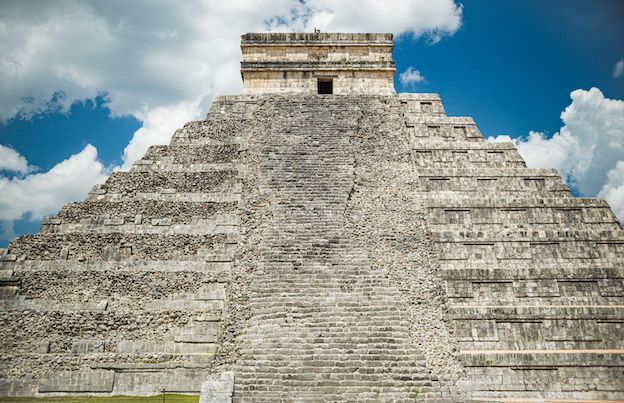
A Species With Cultural Significance Across Mesoamerica, jaguars appear in Indigenous traditions, art, and archaeological records. Among ancient Maya societies, the animal was associated with power, rulership, the night, and the spiritual world. Jaguar imagery appears in sculptures, ceramics, and architecture, reflecting its importance in religious and political life. These meanings vary among peoples and communities. There is no single Indigenous view of the jaguar, just as there is no single cultural relationship with the animal across the Americas. What many traditions share, however, is an understanding of the jaguar as more than an ordinary inhabitant of the forest. Its presence also reflects the ecological health of the landscape. As a powerful predator, the jaguar helps regulate prey populations and contributes to the balance of tropical forests, wetlands, and other habitats. Knowledge Rooted in the Territory Indigenous and local communities often hold detailed knowledge of the environments where jaguars live. Knowledge of animal movements, seasonal changes, water sources, vegetation, and prey behavior can help researchers understand how wildlife uses a landscape. This experience can complement scientific monitoring, including camera traps, GPS tracking, and habitat studies. When conservation projects work in partnership with local communities, combining these approaches can improve understanding of jaguar populations and the pressures they face. Coexistence is not always easy. Jaguars sometimes prey on livestock, creating financial losses and tensions between wildlife protection and rural livelihoods. Effective conservation therefore requires practical measures, such as better livestock enclosures, improved management practices, compensation programs where available, and support for communities living near jaguar habitat. Recognizing local knowledge also means respecting the rights, priorities, and decisions of the people who inhabit these territories. Conservation initiatives are more likely to endure when communities participate meaningfully in shaping them and share in their benefits. Territory as the Foundation of Conservation Jaguars range across a vast area of the Americas, from parts of Mexico through Central America and into South America. Yet habitat loss, roads, agricultural expansion, illegal hunting, and conflict with people have fragmented many populations. Protecting isolated patches of forest is not always enough. Jaguars need connected habitats that allow them to move, find prey, reproduce, and maintain genetic diversity. Forest corridors, protected areas, and conservation agreements across property and administrative boundaries can help preserve these connections. Indigenous territories can play an important role in maintaining large, relatively intact ecosystems. However, their contribution should not be treated simply as a conservation resource. Respect for land rights, cultural continuity, and community autonomy is fundamental to any lasting partnership. The future of the jaguar depends not only on protecting an individual species but also on safeguarding the wider landscapes that sustain wildlife and human communities. |
||||
|
The Jaguar and Nature Tourism
In destinations such as Brazil’s Pantanal, guided wildlife experiences give travelers opportunities to observe jaguars in their natural habitat. When managed responsibly, these visits can support local livelihoods and create economic incentives for protecting wildlife. The benefits are not automatic. Tourism operators must follow appropriate wildlife-viewing practices, avoid disturbing animals, and respect local rules and community interests. Visitors should choose guides and businesses that prioritize animal welfare, responsible conduct, and meaningful benefits for local people. Travelers can also look beyond the sighting itself. Learning about the ecology of the jaguar, the challenges of protecting its habitat, and the perspectives of people who live in the region can make a wildlife experience more informative and responsible. Conservation That Recognizes History The jaguar’s future is closely tied to the future of the territories it inhabits. Scientific research, protected areas, ecological corridors, and measures to reduce conflict are essential, but conservation also benefits from recognizing the cultural relationships and knowledge that have developed around the species over generations. For Indigenous peoples, the jaguar may represent history, identity, belief, or a continuing relationship with the natural world. Respecting these connections does not replace biological conservation; it broadens the way conservation is understood and practiced. Protecting the jaguar ultimately means protecting the conditions that allow both wildlife and communities to thrive across the Americas. |
||||
 Add this article to your favorites
[FOR MEMBERS ONLY] Copy this link to send this article to a friend: [FOR MEMBERS ONLY] |
||||
|
|
||||
|---|---|---|---|---|
| |
|
|
|
|
×
|
||||
Please leave a comment about this article: 1058 |
|
| Enter your email address: |
Your email will not be displayed. |
| Your nickname: | |
| Your comment: | |
| Was this article helpful to you? | |
|
|
|
Articles about exciting travel experiences in our hemisphere.
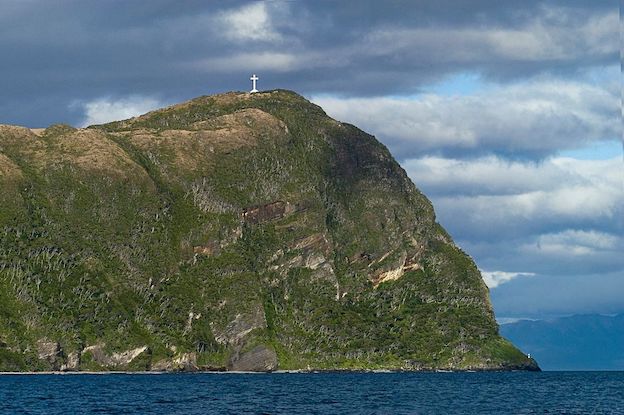
Cape Froward, Chile



Welcome to the World’s Largest New Year’s Celebration
For those traveling from North, Central, or South America, New Year's Eve in Rio offers a rich narrative about how a city can transform a universal holiday into a unique celebration, rooted in local traditions and open to the world.









|
Experiences Finder
(Search our catalog of Experiences here.) |
|---|