|
Pan American Experiences
|
------- |


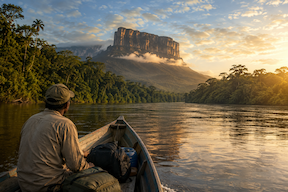
A canoe drifts silently through the flooded Amazon at sunrise, where mist, water, and rainforest merge into one of the last places in the Americas where true silence still survives.
How Giant Murals Are Transforming Cities Across South and Central America
Can Tulum, Mexico Get Its Groove Back?
Travel Tips for Women: How to Recognize and Deal with a "Red Pill" Fanatic
|
HEMISPHERE ------------------------------------------1044[TRAVEL+NATURE] | |||
Six Places in the Americas Where You Can Still Hear Real SilenceBy Marbel Montoya for Ruta Pantera on 10/6/2026 11:36:15 AM |
||||
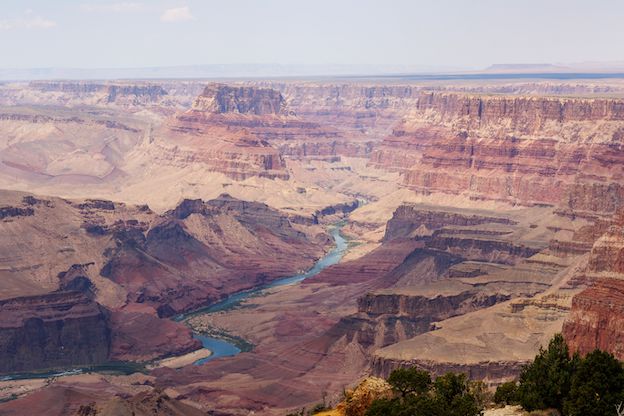
| Real silence is not the absence of sound. It is the moment when the boat engine cuts off and the river continues moving on its own. It is the instant after snowfall when even the trees seem to hold their breath. In places where true silence still survives, every small sound — water dripping somewhere unseen, wings overhead, boots pressing into wet soil — suddenly feels magnified. Across the Americas, there are still landscapes where human noise does not fully dominate the environment. Rivers continue flowing without highways nearby. Forests stretch for hours without machinery interrupting birdsong. Mountains remain large enough to absorb the modern world completely. These places are not silent because nothing exists there. They are silent because nature still speaks first. The Rio Negro at Dawn, Brazil Before sunrise, the water resembles black glass. Along remote sections of the Rio Negro, the Amazon feels endless. Canoes drift through flooded forests while morning mist hangs low across the dark water, erasing the horizon between river and jungle. The silence arrives gradually. First the engine stops. Then the wake disappears. Finally, the forest begins revealing itself through smaller sounds: fish breaking the surface, insects hidden in the canopy, distant monkey calls softened by humidity. Sometimes pink river dolphins appear between submerged trees without warning, surfacing briefly before disappearing again beneath black reflections. The best way to experience this part of the Amazon is through multi-day river expeditions departing from Manaus or sustainable lodges inside protected reserves near the Rio Negro basin. Most travelers visit between June and November, when water levels allow deeper access into flooded forest channels. The High Deserts of Utah Silence behaves differently in the desert. Inside the canyonlands and sandstone plateaus of Utah, sound seems to dissolve into heat and distance. Wind crosses enormous rock formations without interruption while dry air absorbs echoes beneath vast open skies. By midday, the landscape feels almost motionless. No humidity. No dense vegetation. Only mineral colors stretching toward the horizon: red cliffs, pale stone, dry riverbeds carved over millions of years. At night, the silence deepens further. Stars appear with unusual sharpness above the desert while cold air settles across the rocks. Sometimes the only audible movement comes from sand shifting slowly through narrow canyon walls. Travelers seeking this experience often head toward remote sections of Canyonlands National Park or Grand Staircase-Escalante, where long hiking routes and backcountry campsites create the feeling of complete isolation. Spring and autumn usually offer the best temperatures for extended desert trekking. The Peatlands of Patagonia, Chile At the southern edge of Chilean Patagonia, silence feels shaped by weather. The peat bogs absorb sound the same way they absorb water. Wind moves across moss-covered ground while distant mountains fade behind layers of mist drifting inland from the Pacific Ocean. Walking there feels strangely soft. Boots sink gently into saturated earth while fine rain moves sideways across open landscapes where almost nothing interrupts the horizon. Patagonian silence does not feel peaceful in the traditional sense. It feels distant. The most immersive experiences are found in remote areas near Tierra del Fuego and the southern fjords, where travelers explore by boat, hiking trail, or small expedition lodges surrounded by wetlands, forests, and glacial channels. Summer months between December and March provide the safest access to the region’s isolated trails. |
||||
|
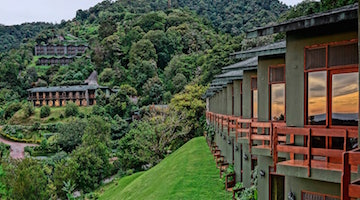
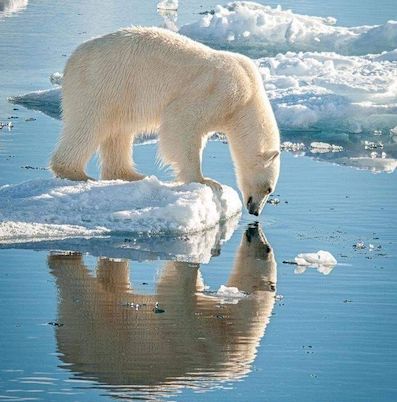
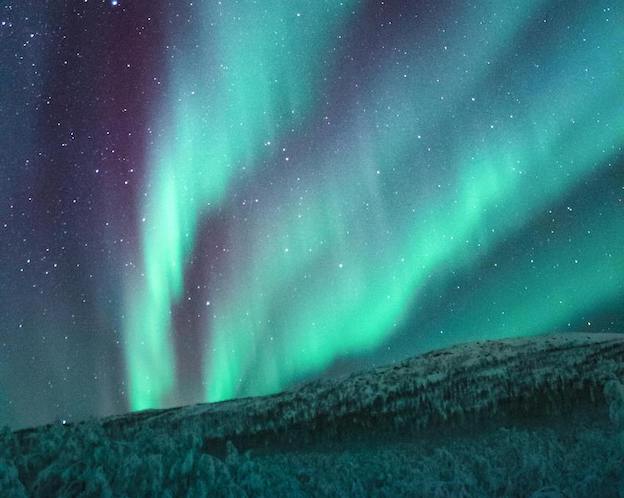
The Snowfields of Denali In Denali National Park and Preserve, silence has weight. After fresh snowfall, the mountains appear wrapped in layers of white capable of muting the world itself. Rivers disappear beneath ice. Trees stop creaking. Even wildlife seems to move more carefully through the cold. What surprises visitors most is how far sound travels once everything else disappears. A raven crossing overhead can sometimes be heard before it becomes visible against the pale Alaskan sky. Denali’s silence feels ancient, preserved inside snow, wind, and enormous glacial valleys. Most visitors enter the park through guided wilderness tours, backcountry hiking permits, or small aircraft routes departing from Talkeetna and Anchorage. Late summer and early autumn often provide the clearest visibility before heavy winter conditions arrive. The Cloud Forest of Monteverde During Rain A cloud forest is never completely quiet. Inside Monteverde Cloud Forest Biological Preserve, dripping water, insects, distant birds, and hidden animal calls constantly move through the vegetation. But during heavy rainstorms, the forest transforms. Rain begins striking giant leaves, moss-covered branches, orchids, and bromeliads with such continuity that every separate sound merges into one endless rhythm. Fog erases distance. Trails vanish into white mist only a few meters ahead. Somewhere high in the canopy, resplendent quetzals remain hidden between wet branches. And slowly, the outside world begins feeling impossibly far away. Monteverde is most easily explored through guided forest walks, hanging bridge trails, and small eco-lodges built along the mountainside. The rainy season between May and November creates the most atmospheric conditions, with thicker fog and fewer visitors inside the reserve. The Arctic Islands of Canada Far north in Canada’s Arctic islands, silence becomes almost physical. There are no forests absorbing wind. No insects filling the air. Only ice, rock, ocean, and enormous skies stretching across frozen coastlines where daylight can linger for nearly twenty-four hours during summer. Inuit communities often describe the ice itself as alive. It cracks, shifts, and breathes beneath changing temperatures and ocean currents. But between those isolated sounds exist pauses so complete they feel suspended outside ordinary time. Footsteps across snow become startlingly sharp. Even distant movement travels clearly through the frozen air. Most travelers reach these northern regions through expedition cruises or small community-based Arctic tours departing from Nunavut and northern Canada. Summer offers safer navigation and continuous daylight, while winter creates some of the quietest landscapes on Earth beneath snow and polar darkness. What Silence Still Protects All of these places share something increasingly rare: ecosystems large enough for nature to dominate the atmosphere completely. Continuous rainforest. Desert horizons untouched by highways. Ice fields without constant aircraft overhead. Forests where birds still wake the morning before machines do. But even here, noise is beginning to arrive. Mining roads push deeper into wilderness. Tourist aircraft cross glaciers once reachable only by foot. Rivers grow louder as development spreads farther into remote landscapes. And so real silence has become more than an absence of noise. It has become evidence. Proof that somewhere in the Americas, entire ecosystems still remain intact enough for the natural world to speak louder than humanity. |
||||
 Add this article to your favorites
[FOR MEMBERS ONLY]
Add this article to your favorites
[FOR MEMBERS ONLY]
Copy this link to send this article to a friend: [FOR MEMBERS ONLY] |
||||
|
|
||||
|---|---|---|---|---|
| |
|
|
|
|
×
|
||||
Please leave a comment about this article: 1044 |
|
| Enter your email address: |
Your email will not be displayed. |
| Your nickname: | |
| Your comment: | |
| Was this article helpful to you? | |
|
|
|
Articles about exciting travel experiences in our hemisphere.
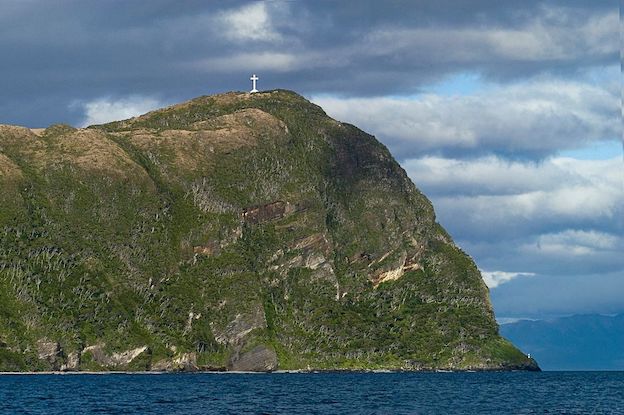
Cape Froward, Chile
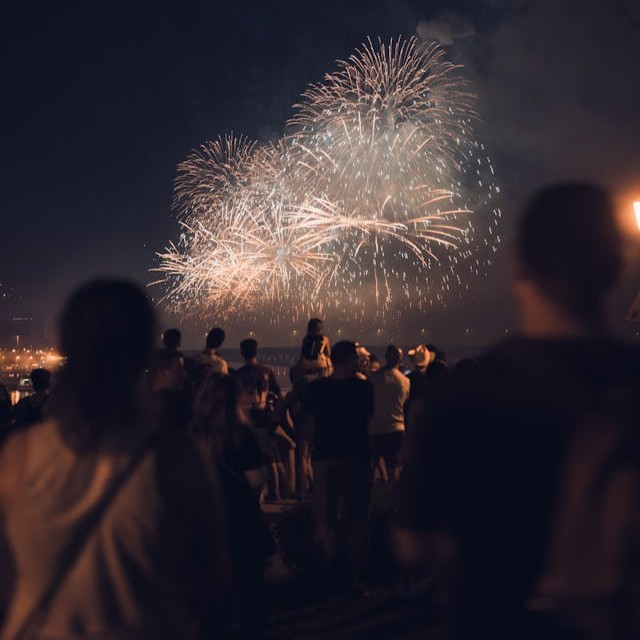

Welcome to the World’s Largest New Year’s Celebration
For those traveling from North, Central, or South America, New Year's Eve in Rio offers a rich narrative about how a city can transform a universal holiday into a unique celebration, rooted in local traditions and open to the world.








|
Experiences Finder
(Search our catalog of Experiences here.) |
|---|