|
Pan American Experiences
|
------- |


From Amazonian flooded forests to Arctic tundra, the Americas offer natural landscapes where the sounds of water, wind, and wildlife remain prominent.
Conscious tourism on the final frontier
Buying A House in Paraguay: The Guide Without Fine Print For 2026
|
HEMISPHERE ------------------------------------------1044[TRAVEL+NATURE] | |||
Six Places in the Americas Where You Can Still Experience True SilenceSix Remote Landscapes Where Nature Dominates and Human Sounds Are RareBy Marbel Montoya for Ruta Pantera on 10/20/2026 11:36:15 AM |
||||
| In a world shaped by traffic, infrastructure, and expanding cities, finding places with little noise pollution has become another reason to travel. In natural areas far from major urban centers, the sounds of water, wind, and wildlife can be heard without the constant interference of engines and machinery. These environments are not completely silent; rather, their soundscapes are shaped primarily by natural processes.
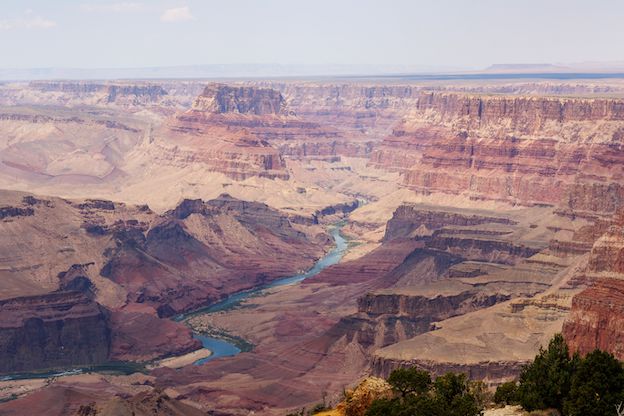
Across the Americas, the vast Amazon Basin, the deserts of the American West, southern wetlands, and polar regions offer different opportunities to experience these environments. Each landscape has its own ecological characteristics, access challenges, and conservation needs. These six destinations demonstrate how geography and the protection of natural areas influence the experience of silence. 1. The Rio Negro Basin, Brazil The Rio Negro is one of the Amazon River's major tributaries, flowing through an extensive region of tropical forests, riverside communities, and protected areas. Its dark waters, colored largely by organic compounds released from vegetation, contrast with the surrounding greenery and form one of the Amazon's most distinctive river landscapes. Away from urban centers, the soundscape is shaped by the river's cycles and wildlife. Insects, birds, and monkeys contribute to the natural acoustic environment, while boats and other human activities can alter it in more heavily traveled areas. During excursions in small vessels, switching off the engine in an appropriate location can make it easier to hear these sounds without entering inaccessible areas. Manaus serves as a starting point for many trips into the region. Lodges and tour operators also organize visits to different parts of the Rio Negro Basin, offering varying levels of infrastructure and access. Water levels change throughout the year, affecting access to channels, river beaches, and seasonally flooded forests. Before traveling, visitors should confirm navigation conditions, distances, and safety arrangements with local operators. 2. Canyonlands and the Deserts of Utah, United States Canyonlands National Park protects an extensive landscape of mesas, canyons, rock formations, and valleys shaped over millions of years by erosion and flowing water. Located in southeastern Utah, it forms part of the Colorado Plateau, where open terrain and low population density in some areas make it possible to experience environments far removed from urban noise. The experience varies by location and time of day. Viewpoints near roads may attract visitors and vehicles, while more remote trails offer better opportunities to hear the wind and occasional bird calls. The sparse vegetation and long distances between landmarks create a landscape on a very different scale from tropical forests. The park is divided into districts that are not always easily connected by road. Island in the Sky is one of the most accessible areas from Moab, while The Maze requires much more extensive preparation and suitable vehicles for its difficult roads. Spring and fall generally offer more favorable hiking temperatures; summer heat can be extreme. Carrying sufficient water and preparing for emergencies are essential, particularly on routes far from visitor services. 3. The Peatlands of Southern Patagonia, Chile Peatlands are wetlands where the slow accumulation of partially decomposed plant material creates organic-rich soils. In southern Patagonia, these ecosystems occur amid frequent rainfall, moisture-adapted vegetation, southern forests, and mountains exposed to winds from the Pacific Ocean. Their ecological importance extends well beyond the visitor experience. Peatlands store substantial amounts of carbon and regulate aspects of water movement across the landscape. Their vegetation and soils also support communities of organisms adapted to waterlogged conditions. Because these environments are fragile, walking off established trails can compact the soil and damage vegetation, making it important to follow designated routes. Remote areas of Tierra del Fuego and the southern fjords offer opportunities to explore wetlands, forests, and coastal landscapes through land-based excursions and organized boat trips. Not all peatlands are accessible to the public or equipped for tourism, so visitors should choose operators familiar with the terrain and committed to respecting protected areas. The austral summer, from December to March, brings longer days and generally better opportunities to reach remote trails, although wind and rain remain common. 4. Denali National Park and Preserve, Alaska Denali protects approximately 2.4 million hectares of mountains, tundra, forests, and glacial valleys in the interior of Alaska. The area is known for Denali, one of the world's highest mountain peaks, as well as wildlife such as caribou, moose, bears, wolves, and Dall sheep. The park's vast size and access restrictions along much of its main road help preserve large areas of natural habitat. However, the experience depends on the season and the location. During summer, buses, hikers, and other tourism activities contribute to the soundscape. In more remote areas, human activity decreases, allowing the sounds of wildlife and weather to become more prominent. The main visitor season generally runs from late May through mid-September. During this period, most visitor services operate, and buses travel along much of Denali Park Road. In winter, snow limits road access and reduces the availability of facilities, although the park remains open for certain activities. Visitors planning to explore remote areas should check regulations, weather conditions, and safety guidance from the U.S. National Park Service. |
||||
|
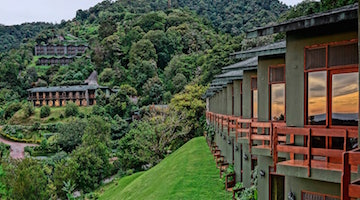
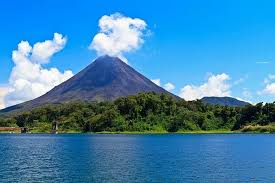
5. Monteverde Cloud Forest Biological Reserve, Costa Rica
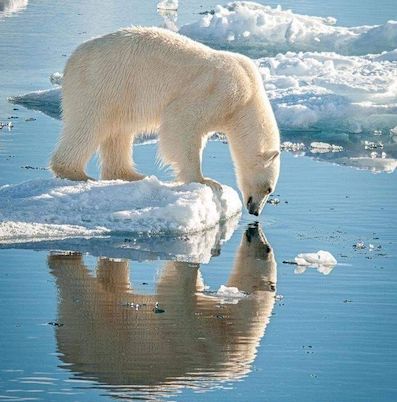
Monteverde is one of Costa Rica's best-known destinations for observing cloud forest biodiversity. The combination of humidity, mist, elevation changes, and dense vegetation supports a wide variety of plants, insects, amphibians, and birds. One of the region's emblematic species is the resplendent quetzal, although sightings depend on the season, local conditions, and luck. Unlike a desert or an ice field, a cloud forest maintains a constant level of natural activity. Rain falling on leaves, moving water, bird calls, and insects form part of a complex soundscape. Humidity and vegetation influence how these sounds are perceived, while visitor numbers and nearby roads can affect conditions in more heavily visited areas. Guided walks help visitors understand relationships between species and identify wildlife that might otherwise go unnoticed. Several sites in the region also offer trails and elevated walkways. The rainy season can intensify mist and precipitation, but it also requires waterproof clothing and attention to trail conditions. Responsible visitors should stay on marked paths, avoid playing recordings to attract wildlife, and follow their guides' instructions. 6. Canada's Arctic Islands The Canadian Arctic Archipelago includes thousands of islands, rocky coastlines, tundra, and extensive areas covered by ice for much of the year. In territories such as Nunavut, environmental conditions, long distances, and limited infrastructure mean that many journeys require specialized planning. The absence of forests across much of the tundra and the limited presence of settlements in some areas create a soundscape different from that of tropical ecosystems. Wind, shifting ice, and seabirds may dominate the natural sounds. However, the Arctic is not an empty wilderness: it is a homeland for Inuit communities whose knowledge, practices, and relationship with the environment are essential to understanding the region. Expedition cruises and some community-organized itineraries provide opportunities to visit parts of the archipelago when ice and weather conditions permit. Summer generally offers more favorable navigation conditions and extended daylight, but it does not eliminate the risks associated with cold temperatures, changing weather, and isolation. Choosing responsible operators and respecting local protocols are particularly important in these destinations. Protecting Natural Soundscapes The opportunity to experience environments dominated by natural sounds depends on specific factors: the size of protected areas, distance from roads and urban centers, management of human activities, and the conservation of habitats. A destination is not necessarily quiet simply because it is remote. Tourism management and the impacts of activities in the surrounding landscape also matter. Noise from boats, aircraft, vehicles, and machinery can affect wildlife behavior, particularly when it interferes with signals animals use to communicate, find mates, or detect threats. For this reason, noise pollution is an important conservation concern alongside habitat loss, water pollution, and climate change. Travelers can help reduce their impact by keeping conversations at a reasonable volume, avoiding music playback in natural areas, respecting access restrictions, and choosing operators committed to conservation. In some places, the best experience does not require traveling farther into the wilderness; it simply requires observing and listening without disturbing the environment. These six destinations demonstrate that natural silence does not mean the complete absence of sound. It reflects landscapes where ecological processes continue to play a central role. Protecting them means conserving both their habitats and the conditions that allow wildlife, water, wind, and natural cycles to remain part of the travel experience. |
||||
 Add this article to your favorites
[FOR MEMBERS ONLY]
Add this article to your favorites
[FOR MEMBERS ONLY]
Copy this link to send this article to a friend: [FOR MEMBERS ONLY] |
||||
|
|
||||
|---|---|---|---|---|
| |
|
|
|
|
×
|
||||
|
References: National Park Service. Canyonlands National Park: Basic Information. https://www.nps.gov/cany/planyourvisit/basicinfo.htm National Park Service. Denali National Park and Preserve: Operating Hours and Seasons. https://www.nps.gov/dena/planyourvisit/hours.htm |
||||
Please leave a comment about this article: 1044 |
|
| Enter your email address: |
Your email will not be displayed. |
| Your nickname: | |
| Your comment: | |
| Was this article helpful to you? | |
|
|
|
Articles about exciting travel experiences in our hemisphere.
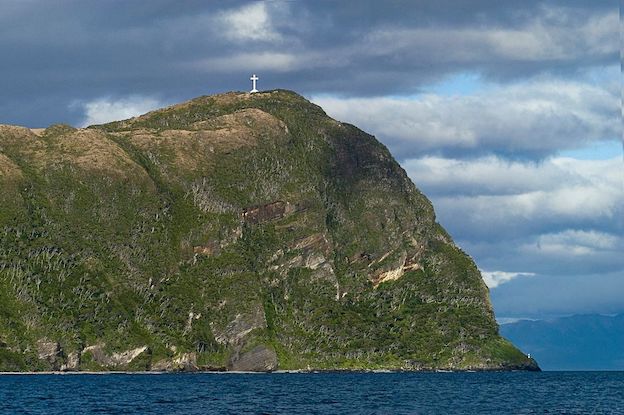
Cape Froward, Chile

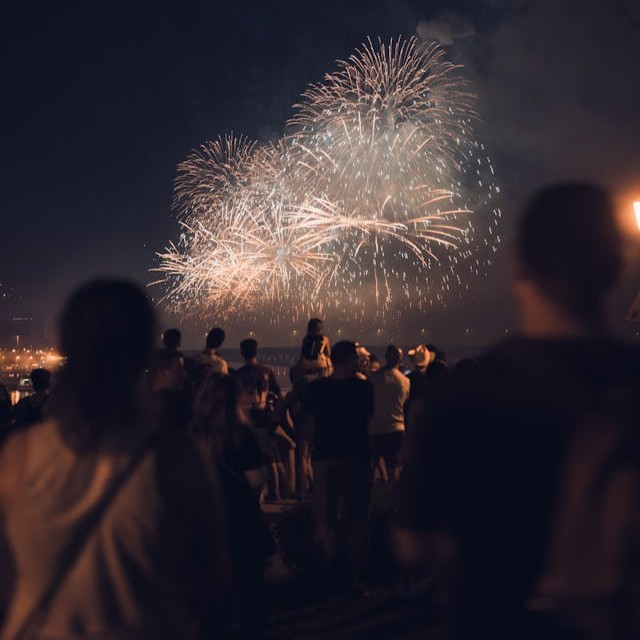

Welcome to the World’s Largest New Year’s Celebration
For those traveling from North, Central, or South America, New Year's Eve in Rio offers a rich narrative about how a city can transform a universal holiday into a unique celebration, rooted in local traditions and open to the world.









|
Experiences Finder
(Search our catalog of Experiences here.) |
|---|