|
Pan American Experiences
|
------- |

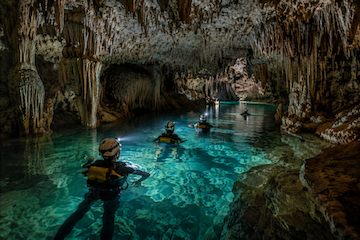
Beneath the Yucatán Peninsula, crystal-clear underground rivers flow through vast limestone caves, revealing a hidden world shaped by water, stone, and thousands of years of natural and cultural history.
|
HEMISPHERE ------------------------------------------1037[TRAVEL+NATURE] | |||
Beneath the Limestone: Descending Into the Underground Rivers of the YucatánBy Marbel Montoya for Ruta Pantera on 10/8/2026 7:52:13 AM |
||||
| The first thing to disappear is the daylight. Not all at once. Slowly. A few meters beyond the cave entrance, the bright tropical sun of Mexico’s Yucatán Peninsula fades into soft blue shadows. The air cools immediately. The sounds of birds and wind vanish behind walls of limestone. Water begins dripping somewhere ahead, each drop echoing through darkness that has existed for thousands of years. The underground river is waiting. For travelers visiting the Yucatán, cenotes often become the most recognizable symbol of the region. Photographs capture their turquoise water, hanging vines, and shafts of sunlight cutting through cavern openings. But many visitors never see what lies beyond those first pools of light. Beneath the forests, towns, and archaeological sites of the peninsula stretches one of the largest underground river systems on Earth. A hidden landscape flowing through stone. The descent begins near a small community outside Valladolid. The entrance is modest—a narrow opening between roots and rocks partially concealed by vegetation. A local guide switches on a headlamp and starts downward along a staircase carved into the limestone. With every step, the outside world feels farther away. The cave opens gradually into a cathedral of stone. Massive stalactites hang from the ceiling. Mineral formations rise from the floor like frozen sculptures. The air smells faintly of wet rock and ancient water. Then the river appears. Black at first. Motionless. Only when a flashlight touches the surface does its clarity become visible. The water is so transparent that depth becomes difficult to judge. Shadows and reflections merge together until the cave seems suspended upside down. For the Maya, these underground rivers were never simply geological features. They were part of a living cosmology. The Yucatán lacks the large surface rivers found elsewhere in Mexico because rainwater filters directly through porous limestone into underground channels. For thousands of years, cenotes and cave systems provided essential access to freshwater. They also became places of ceremony, pilgrimage, and spiritual significance. Many were understood as entrances to Xibalba, the Maya underworld. Not a place of punishment, but a realm connected to ancestors, deities, water, and transformation. Inside the cave, that history feels surprisingly tangible. Every sound carries farther than expected. Every movement seems amplified by darkness. The guide points toward a section of the cavern where archaeologists discovered pottery fragments and ceremonial offerings left centuries ago. Nearby, mineral formations continue growing drop by drop exactly as they did when those objects were first placed there. Time moves differently underground. The deeper sections of the river require swimming. Life jackets replace hiking boots. Headlamps create narrow tunnels of light across the water. The current remains gentle but noticeable. Beneath the surface, submerged passageways continue into sections accessible only to trained cave divers. Entire landscapes exist beyond human sight. Some passages stretch for kilometers beneath forests and villages above. Others connect separate cenotes through networks still being mapped today. The scale becomes difficult to comprehend. From above, the Yucatán appears relatively flat. Below, it resembles a labyrinth. As the group floats quietly through one flooded chamber, the guide turns off his light. Everyone follows. Darkness arrives instantly. Absolute. For a few moments, there is nothing to see at all. No horizon. No shadows. No sense of distance. Only the sensation of cool water and the faint sound of droplets falling somewhere in the cavern. |
||||
|
The experience feels less like adventure tourism and more like entering a different dimension of the landscape. Above ground, tropical forests support birds, reptiles, and mammals. Below ground, an entirely separate ecosystem exists. Blind fish navigate through darkness. Tiny crustaceans survive in isolated pools. Bats move between cave entrances carrying nutrients from the outside world into subterranean environments. Life adapts to conditions that seem impossible. And yet these systems remain fragile. The same underground rivers that sustain wildlife also supply freshwater for millions of people across the peninsula. Increasing development, pollution, and changing rainfall patterns place growing pressure on aquifers that remain largely invisible to those who depend upon them. Many local communities now work alongside researchers and conservation organizations to protect both water quality and cave ecosystems. Because what happens underground eventually reaches the surface. And vice versa. Hours later, the group emerges through another cave opening. The sunlight feels almost overwhelming. Birdsong returns. Warm air replaces the cool stillness of the cavern. The forest seems louder, brighter, and more alive than before. Looking back toward the entrance, it becomes difficult to believe an entire river system flows silently beneath the landscape. But that is the nature of the Yucatán. Some of its most extraordinary places cannot be seen from above. They must be entered. Step by step. Into darkness, water, and stone. Into a hidden world where rivers have been shaping the earth for millions of years, and where every drop continues the journey long after the visitors have returned to the light. |
||||
 Add this article to your favorites
[FOR MEMBERS ONLY]
Add this article to your favorites
[FOR MEMBERS ONLY]
Copy this link to send this article to a friend: [FOR MEMBERS ONLY] |
||||
|
|
||||
|---|---|---|---|---|
| |
|
|
|
|
×
|
||||
Please leave a comment about this article: 1037 |
|
| Enter your email address: |
Your email will not be displayed. |
| Your nickname: | |
| Your comment: | |
| Was this article helpful to you? | |
|
|
|
Articles about exciting travel experiences in our hemisphere.
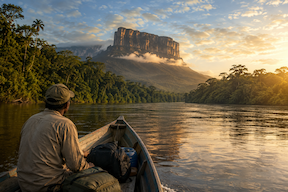
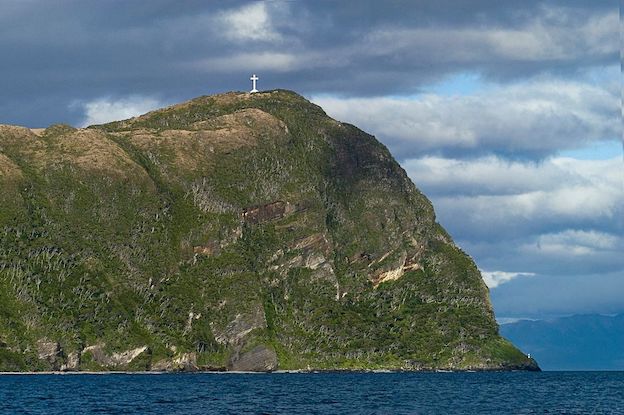
Cape Froward, Chile
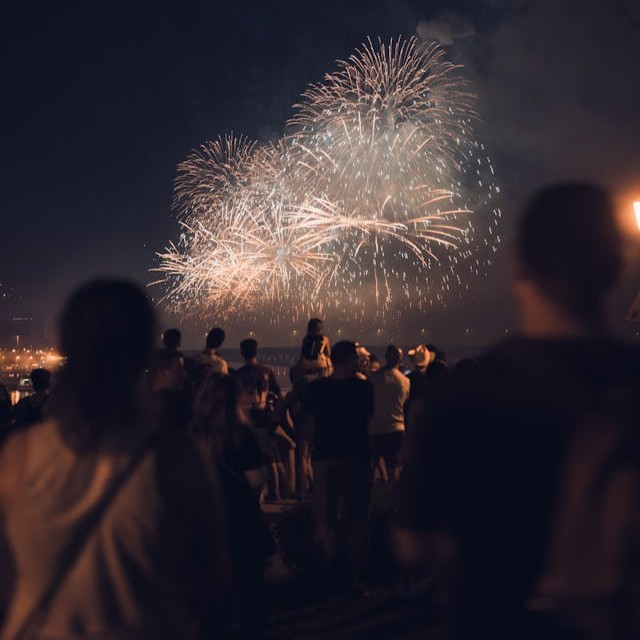

Welcome to the World’s Largest New Year’s Celebration
For those traveling from North, Central, or South America, New Year's Eve in Rio offers a rich narrative about how a city can transform a universal holiday into a unique celebration, rooted in local traditions and open to the world.







|
Experiences Finder
(Search our catalog of Experiences here.) |
|---|