 |
Deep Travel ~ Timeless Style
|
------- | ------

|

|
WORLD --------------------------------------------446[SELF-IMPROVEMENT] | |||
Why Does Abandonment Hurt Some People More Than Others?By Jazmin Agudelo for Ruta Pantera on 10/15/2025 9:24:03 AM |
||||
| Abandonment—whether in a group trip, in a friendship, or in a romantic relationship—is not always experienced in the same way. While some people feel deep sadness, anger, or insecurity, others take it with distance and manage to move on without major impact. What explains these differences? This variability in the emotional response to abandonment is not random; it is rooted in a complex interaction of psychological, biological, and cultural factors. From John Bowlby’s attachment theory, which explains how early experiences shape our ability to handle separation, to differences in emotional regulation and relational expectations, understanding these disparities can offer valuable insights for mental health and interpersonal relationships. There are five key dimensions that influence why abandonment hurts some people more than others. Based on psychological research, we will examine how the past, emotional needs, relationship expectations, emotion processing, and cultural context shape this experience. In the end, we will reflect on practical implications to mitigate its impact. | ||||

World |
Personal history plays a central role in how we perceive and react to abandonment. Those who have experienced early losses, rejection, or lack of attention in childhood often develop greater sensitivity to any situation that recalls those emotions. For them, being left aside is not just an isolated event: it activates memories and old wounds, intensifying emotional pain. According to attachment theory, developed by John Bowlby, early interactions with caregivers form “internal working models” that guide expectations in adult relationships. For example, a child with insecure attachment—due to parental neglect or inconsistency—may grow up with a chronic fear of abandonment, which manifests in heightened anxiety during separations. Studies show that childhood traumas, such as abuse or the loss of a parent, correlate with anxious or disorganized attachment styles, where rejection triggers intense physiological responses, such as elevated cortisol levels and amygdala activation, amplifying suffering. Conversely, those who grew up with secure and consistent bonds—where caregivers responded consistently to their needs—tend to view abandonment as something circumstantial, easier to relativize. These individuals exhibit balanced emotional regulation, allowing them to seek support without panic. Neurobiological research indicates that secure attachment is associated with greater activation in brain reward regions, such as the ventral striatum, which facilitates resilience to loss. Thus, the past not only leaves emotional scars but also shapes the biology of stress, explaining why the same abandonment event can be devastating for some and manageable for others. Everyday examples include someone with a history of parental divorce who interprets a canceled plan as total rejection, versus another with a stable childhood who sees it as an unforeseen event. 2. Different Emotional Needs Not everyone requires the same things to feel secure in a relationship. For some, presence, care, and companionship are essential: they expect to always be included, because that reaffirms their value within the bond. These people, often with anxious attachment, experience abandonment as a direct threat to their self-esteem, generating intense physical and emotional distress. Research on rejection sensitivity shows that individuals with high attachment anxiety have greater brain activity in areas associated with emotional pain, making abandonment literally hurt more. Others have a more independent personality and feel comfortable with distance, without this threatening the bond. Those with avoidant or secure attachment prioritize autonomy, regulating emotions through deactivation strategies, such as minimizing the importance of the event. For example, in studies of emotional regulation, secure individuals show coherence between facial expressions and physiological responses, enabling rapid recovery from abandonment. Factors such as underlying mental conditions—anxiety, depression, or borderline disorder—amplify these needs, making abandonment trigger cycles of emotional instability. Culturally, in collectivist societies, the need for group inclusion is greater, exacerbating the pain for those who value interdependence over independence. 3. Expectations Within Relationships Every relationship has explicit or implicit agreements. If someone views friendship or a romantic relationship as loyalty and unconditional support, any absence can feel like betrayal. This is common in anxious attachment styles, where expectations of constant availability stem from internalized fears, leading to reactions of anger or revenge after breakups. Studies on breakup strategies show that anxious attachment correlates with greater physical and emotional distress, interpreting abandonment as confirmation of personal insecurity. On the other hand, those who see relationships more flexibly—where each person has freedom and autonomy—do not usually interpret a momentary abandonment as something serious. Individuals with avoidant or secure attachment view relationships as dynamic, with space for independence, reducing emotional impact. These expectations are formed in childhood: inconsistent caregivers foster anticipation of rejection, while responsive ones encourage trust. In therapy, recognizing these implicit expectations helps renegotiate bonds, mitigating pain. For instance, in couples, one with rigid expectations may feel betrayed by a solo trip, while the other sees it as personal growth. 4. The Way Emotions Are Processed People also differ in their emotional style: some are more sensitive and introspective, tending to dwell on what happened. This intensifies the experience of abandonment, especially in preoccupied or disorganized attachments, where emotional hyperactivation prolongs post-stress cortisol levels. Neuroimaging reveals greater amygdala activation in these individuals in response to rejection stimuli, linking introspective processing to amplified pain. Others tend to let go more quickly, relativize, or put logic above emotion, which protects them from strong impact. In dismissing attachments, deactivation strategies suppress emotions, even though stress physiologically persists. Genetic factors and conditions such as ADHD or social anxiety modulate this, making some experience rejection-sensitive dysphoria, with intense mood swings. Therapies such as DBT help develop emotional regulation, transforming rumination into resilience. |
|||

|
||||
|
|
||||
|---|---|---|---|---|
| |
|
|
|

|
×
|
||||
| --rutapantera.com-- |
Listen to this article. |
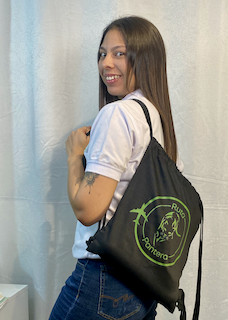
Ruta Pantera Trail Tote
Wild. Urban. Yours.
It's not just a bag: it's the call of adventure. With a fierce panther design, rugged and ready for your deep journey, this duffel bag is your best ally for conquering the city or getting lost in the jungle.

Ruta Pantera Coffee Mug
Your New Everyday Favorite
With its clean, modern design and the Ruta Pantera logo, this mug is more than a cup: it's a conversation starter.
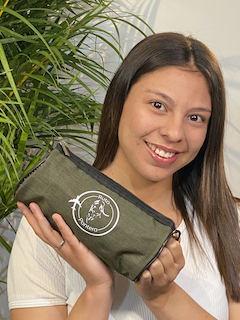
Textured Pencil Case
Creative Instinct, Wild Precision
This case doesn't just hold tools: it protects ideas, sketches, and thoughts ready to roar. Its texture evokes the skin of a panther - firm, elegant, and ready for movement - while the engraved logo reminds us that creativity is also a form of hunting. Where the mind sharpens its claws.

Black Polar Hat
Warrior's Heat, Soul of the Road
When the cold bites, the panther advances. This fleece hat combines extreme warmth with an indomitable design. Soft, durable, and featuring the logo that marks membership in the pack that never surrenders. Warmth comes from within.

Beige Safari Hat
Spirit of the Open Jungle
Beige like the warm earth where it all begins, this hat is a symbol of freedom and purpose. Lightweight, durable, and with an adventurous spirit, it accompanies those who follow their instincts without looking back. Roar in the sun. You're the leader on the path.

Grey Safari Hat
The Silent Hunter's Path
Gray as the stone that withstands the passage of time, this hat is the emblem of the urban explorer. Made for those who move forward quietly, yet leave their mark. It withstands the sun, the wind, and the daily grind with untamed elegance. Because being a panther is about knowing when to move.

Red Textured Cap
Controlled Fury
Red vibrates like the pulse of the jungle. This cap is fire and precision: it conveys energy, passion, and movement. Its texture adds character, while the embroidered logo reminds us that the panther doesn't attack, it calculates. Power also wears red.

White Cap
Purity with Instinct
Minimalist, clean, and with the perfect contrast of the green logo, this cap exudes calm and command. It's the choice of those who conquer quietly, yet with determination. Your mind is clear. Your step is firm.

Urban Flat Cap
Urban Power, Wild Spirit
With its flat visor and bold profile, this cap isn't trying to go unnoticed. It's a manifesto of street attitude with the grit of a panther. The embroidered logo shines like a territorial marker: ideal for those who rule the city. Ruta Pantera -- the power is in your stride.
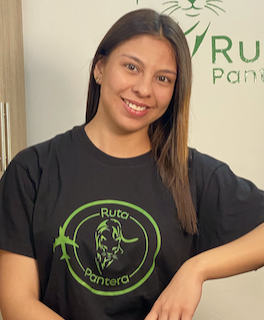
Black Crew Neck T-Shirt
Timeless style, free spirit
Black as the night that protects the panther, this T-shirt is pure attitude. Its bold lines and contrasting logo ensure every step leaves a mark. Perfect for those who forge ahead without asking permission. Don't follow the path. Be the path.

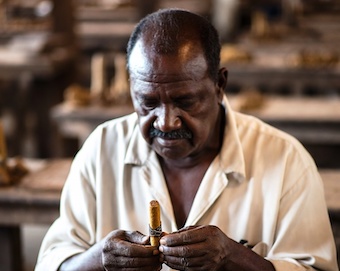
The Habano Festival 1306-Featured
A Tradition Under the Shadow of Crisis
With its indefinite postponement in 2026, the emblematic event of Cuban tobacco illustrates both its global prestige and the economic pressures that threaten its future [read more.]

Articles about travel style, self-care, and the hottest fashions.

Dario Vitale
Enter subtitle



Your Life-Saving Backpack
(AKA, “Bug Out Bag”)
A 72-Hour Insurance Policy, Just In Case...

VIP Airport Lounges: Comfort, Empowerment, and Security for Women Travelers
Premium Experiences, Comfort and Care before the Flight
Apps for Secure LGBTQ+ Travel Across Three Americas
Technology, Community, and Digital Empowerment on the Move

Decisions a Solo Female Traveler Should
Avoid
Common Mistakes that Increase Exposure To Risk

Travel Without Erasure
How Lesbian Women Navigate the World Between Selective Visibility, Desire, and Caution

How to Support a Sibling
Struggling with Addiction
Without Losing Your Emotional Balance

The Surprising Foods That Help You Sleep Better: Pills, Home Remedies, and Strategies for Deep Rest
Enter subtitle
The Danger of Sleeping with Light
Nighttime exposure can increase cardiovascular risk by up to 39%

Sugar and Health: The Silent Sweetness That Changes Lives
How Sugar Consumption Impacts Your Body and Communities in Latin America
|
Travel+Style Article Finder
(Search our lifestyle articles here.) |
|---|
 ________________________________